Artwork
Achilles among the Daughters of Lycomedes
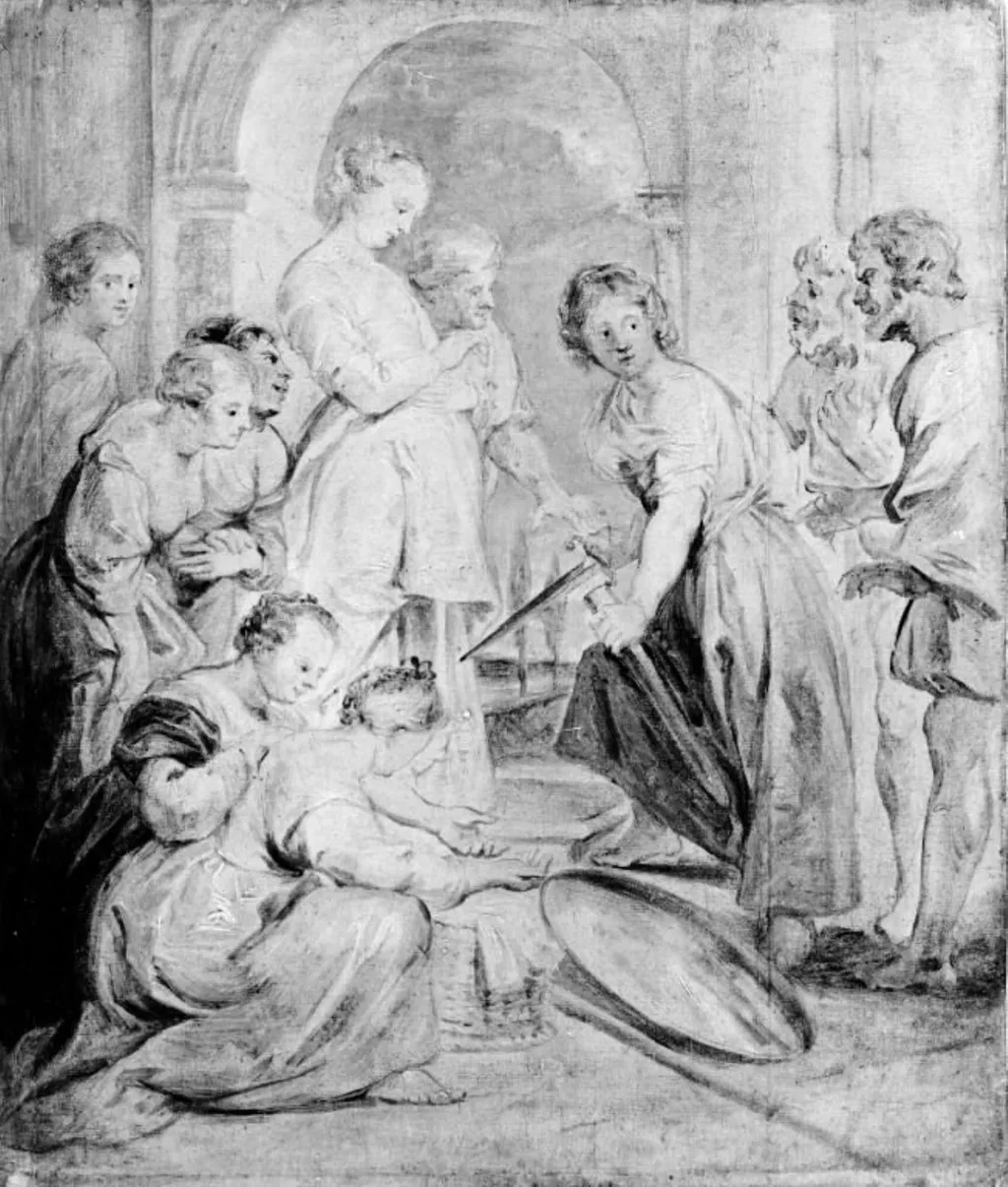
Achilles among the Daughters of Lycomedes is a photography by Unknown. It dates from 1616 and is held in the collection of the Statens Museum for Kunst.
About this work
Overview
The image captures a staged tableau, likely a theatrical or artistic reenactment, with a central seated figure holding a long object interpreted as a spear.
This black-and-white photograph, dated around 1616, depicts a scene from Greek mythology: Achilles disguised among the daughters of King Lycomedes on the island of Scyros. The image captures a staged tableau, likely a theatrical or artistic reenactment, with a central seated figure holding a long object interpreted as a spear. The composition emphasizes group dynamics and subtle hierarchies among the figures, though the grainy texture and flat lighting obscure fine facial details.
Subject & Meaning
The scene illustrates the myth in which Achilles, forewarned of his fate in the Trojan War, is concealed by his mother Thetis among the royal daughters to avoid conscription. The presence of a spear among feminine attire signals his hidden identity. The arrangement suggests a moment of revelation or tension, where the disguise is nearly exposed. The staging implies a narrative moment rather than a spontaneous encounter, reinforcing the theme of deception and fate.
Technique & Style
The photograph employs even, diffused lighting that minimizes contrast, resulting in a flattened visual field. Graininess limits detail, particularly in facial features and textures, but the deliberate positioning of figures conveys compositional intent. The lack of chiaroscuro reduces dramatic tension, contrasting with painted versions of the same subject. The image’s static quality and posed arrangement suggest it was constructed for symbolic representation rather than documentary realism.
History & Provenance
The photograph is held in the collection of the Museum of Ethnography, though its origin as a photographic reproduction of a painted or staged scene remains unclear. It is not an original 17th-century work but likely a 19th-century reproduction or study image, possibly used for academic or artistic reference. The date 'c. 1616' may refer to the original painting it reproduces, not the photograph itself, which was likely made later.
Context
During the late 19th century, photographic reproductions of classical themes were commonly used in scholarly and educational settings to document artistic interpretations of myth. This image reflects a broader trend of using photography to archive and analyze historical narratives, particularly those tied to Western canon. The staging aligns with contemporary theatrical reconstructions of antiquity, blending academic interest with performative representation.
Legacy
As a photographic record, this image preserves a specific interpretation of a classical myth at a time when visual culture was increasingly mediated through mechanical reproduction. While not artistically groundbreaking, it contributes to the documentation of how mythological subjects were visually reimagined in the transition from painting to photography. Its value lies in its role as an archival artifact rather than a creative achievement.
Artist & collection

 Domestic Scene
 Giacomo and Cardinal Marco, investing Andrea, Abbot of San Zeno, with his Benefice
 The Nymph of Fontainebleau
 Portrait of a Woman
 Madonna and Child with Saints in the Enclosed Garden
 Venus and Minerva
 Family Group of Four on Sofa
 Wall painting from Room H of the Villa of P. Fannius Synistor at Boscoreale
 Anbetung der Hirten (?)
 Tomyris with the head of Cyrus (after the engraving by Paulus Pontius)
 Der hl. Nepomuk Almosen spendend
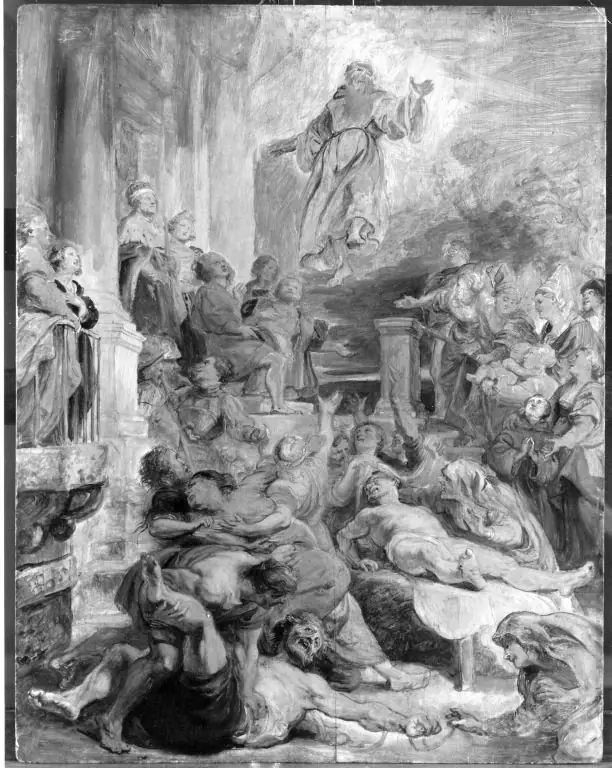 Miracles of St. Francis of Paola (Sketch)
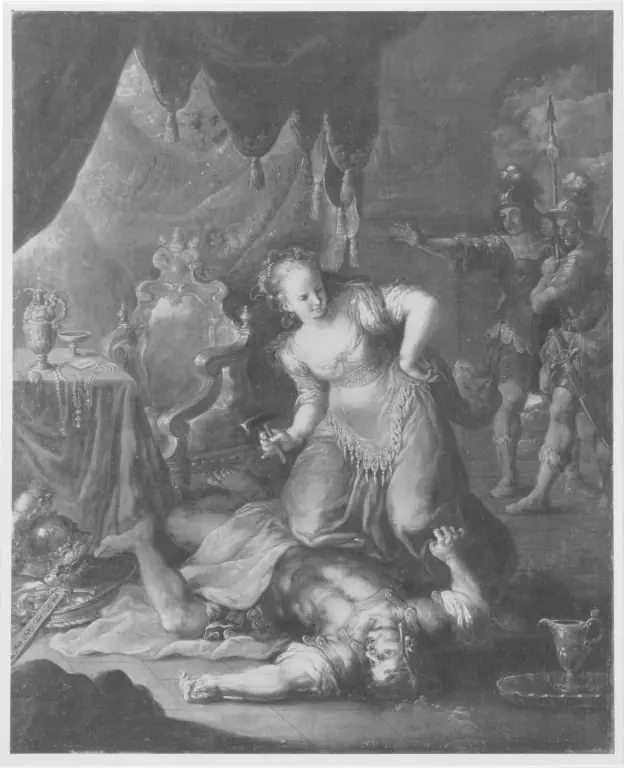 Jael und Sisera
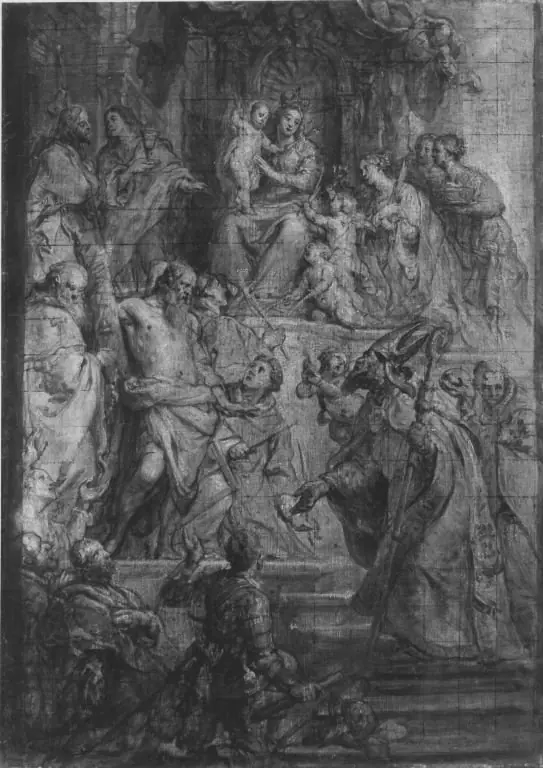 Verehrung Mariae durch Heilige
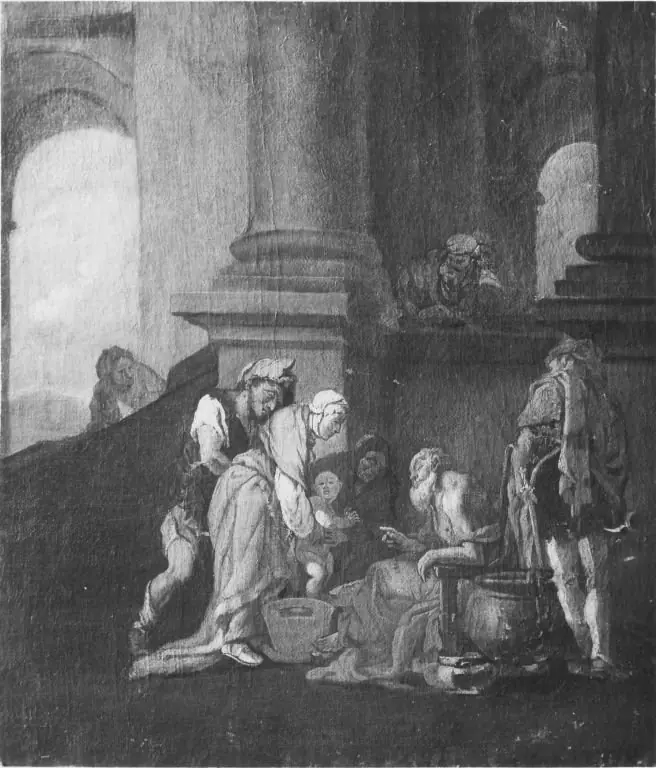 Der blinde Wahrsager
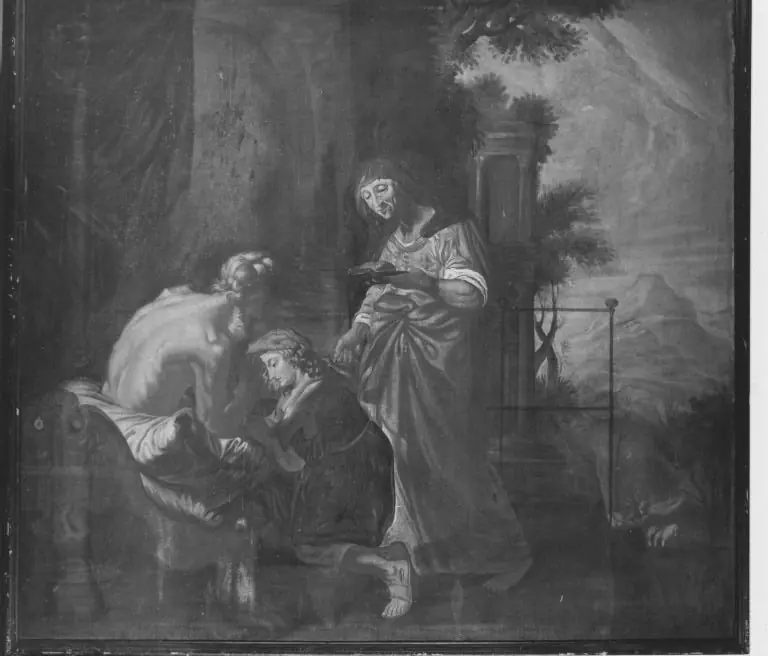 Isaak segnet Jakob (Kopie nach)
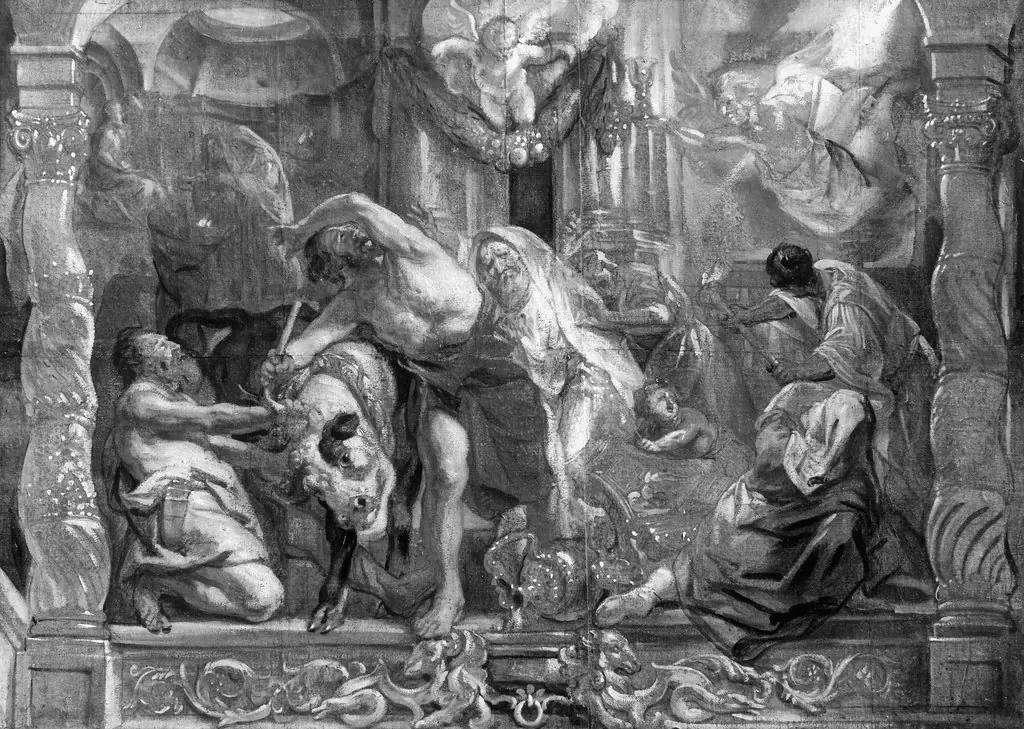 Triumph of the Lord's Supper over the bloody sacrifice of paganism
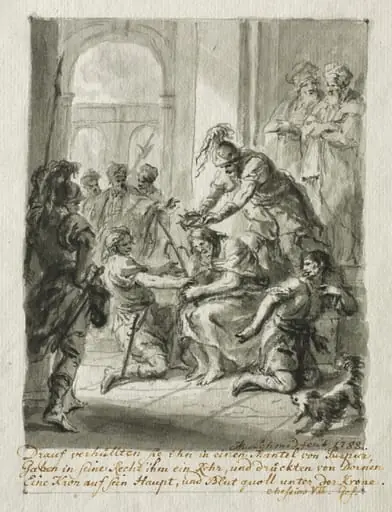 Christ Crowned with Thorns