Artwork
Anbetung der Hirten (?)
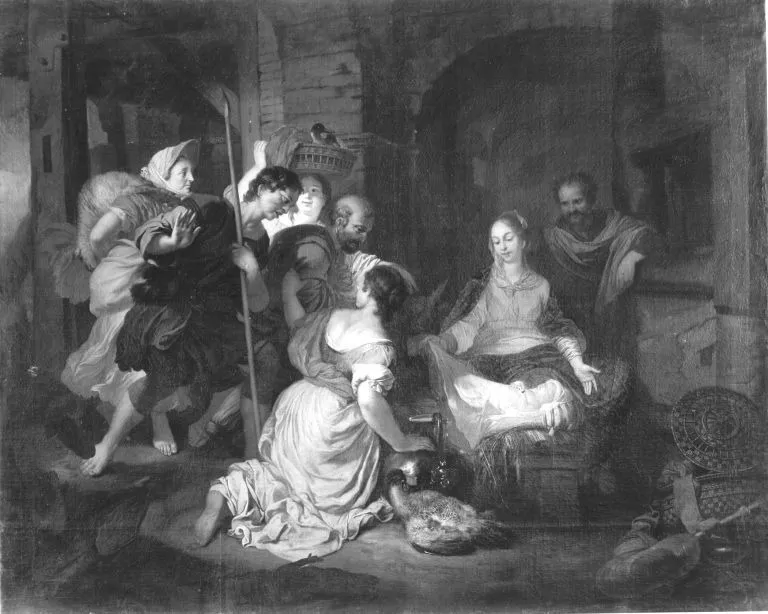
Anbetung der Hirten (?) is an unspecified painting by the Flemish Baroque painting artist Gerard de Lairesse. It dates from 1688 and is held in the collection of the Bavarian State Painting Collections.
About this work
Overview
Painted in 1688 by Gerard de Lairesse, this work depicts the adoration of the shepherds, a traditional biblical subject rendered in the Flemish Baroque style.
Painted in 1688 by Gerard de Lairesse, this work depicts the adoration of the shepherds, a traditional biblical subject rendered in the Flemish Baroque style. Though Dutch by origin, Lairesse worked within a broader European tradition, absorbing influences from French and Italian classicism. The painting is held in the Alte Pinakothek in Munich, reflecting its significance in 17th-century religious art collections.
Subject & Meaning
The scene portrays shepherds gathered around the infant Christ, though the central figure is the Virgin Mary, seated in quiet contemplation. Her white garment and dark shawl emphasize purity and humility, aligning with devotional ideals of the period. The intimate setting, devoid of grandeur, underscores the spiritual significance of humble witnesses to the divine birth, a theme favored in post-Rembrandt religious imagery.
Technique & Style
Lairesse employs chiaroscuro to model forms and create depth, with strong contrasts between the luminous white of Mary’s dress and the muted tones of the interior. The lighting directs attention to the central group, while the sparse arrangement of objects—basket, jug—adds quiet realism. His brushwork is controlled, favoring clarity and harmony over dramatic turbulence, reflecting his theoretical preference for classical order.
History & Provenance
Created during Lairesse’s mature period in the Netherlands, the painting entered the Alte Pinakothek’s collection in the 19th century. Its presence there suggests recognition of its artistic merit within German-speaking collections, even though Lairesse was not a native Flemish artist. The work’s survival and preservation reflect its continued value as an example of late Baroque religious painting.
Context
Painted after Rembrandt’s death, the work responds to evolving tastes in religious imagery, moving away from emotional intensity toward restrained dignity. Lairesse, influenced by French academic theory and Italian iconography, sought to elevate biblical scenes through compositional balance and refined gesture. This aligns with broader trends in Northern Europe where classical ideals began to temper Baroque exuberance.
Legacy
Though less widely known than his contemporaries, Lairesse’s approach to religious subjects influenced later generations through his writings and teaching. This painting exemplifies his synthesis of northern realism and classical structure, contributing to a quieter, more introspective strand of Baroque art that prioritized spiritual gravity over spectacle.
Artist & collection
Artist
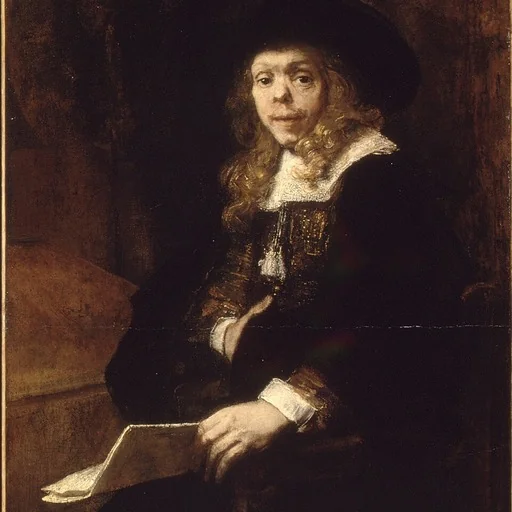
Gerard or Gérard (de) Lairesse (French pronunciation: ; 11 September 1641 – June 1711) was a Dutch Golden Age painter and art theorist.

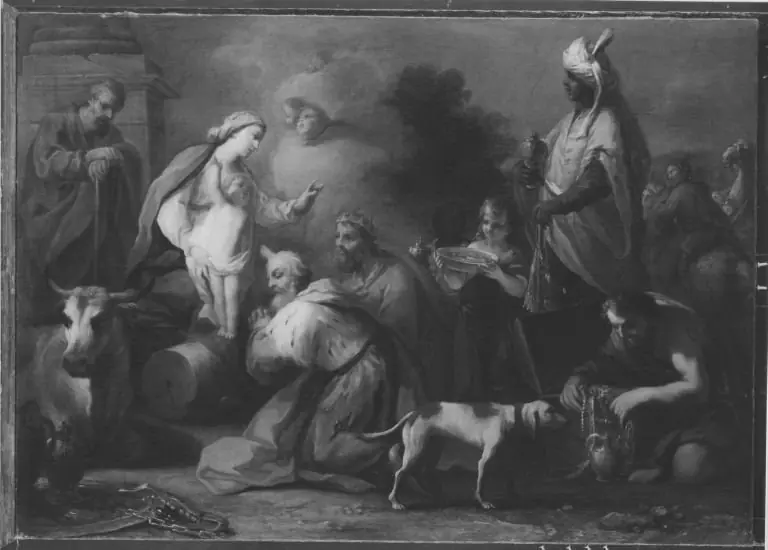 Anbetung der Könige
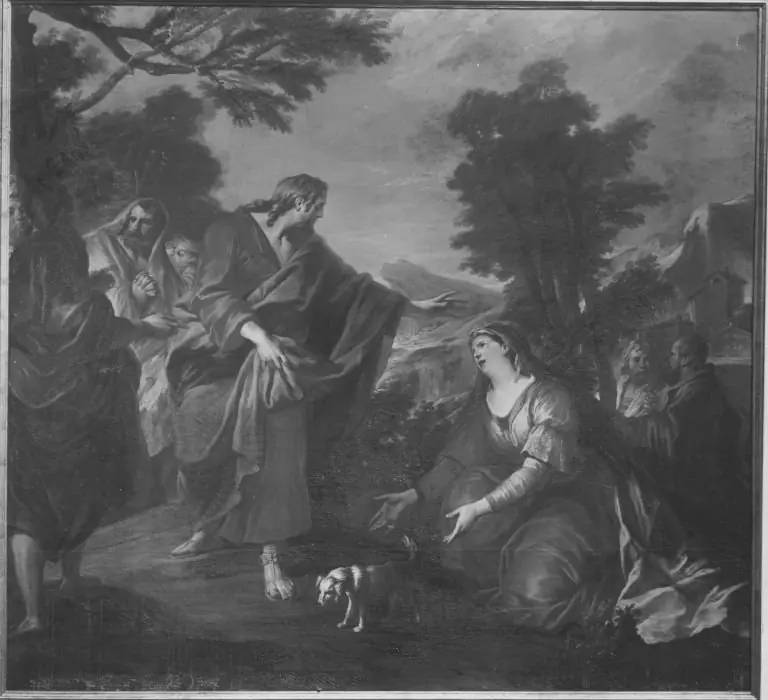 Christus und das kanaanitische Weib
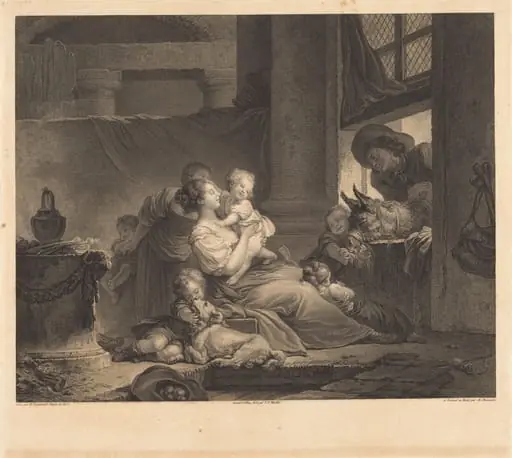 La famille du fermier
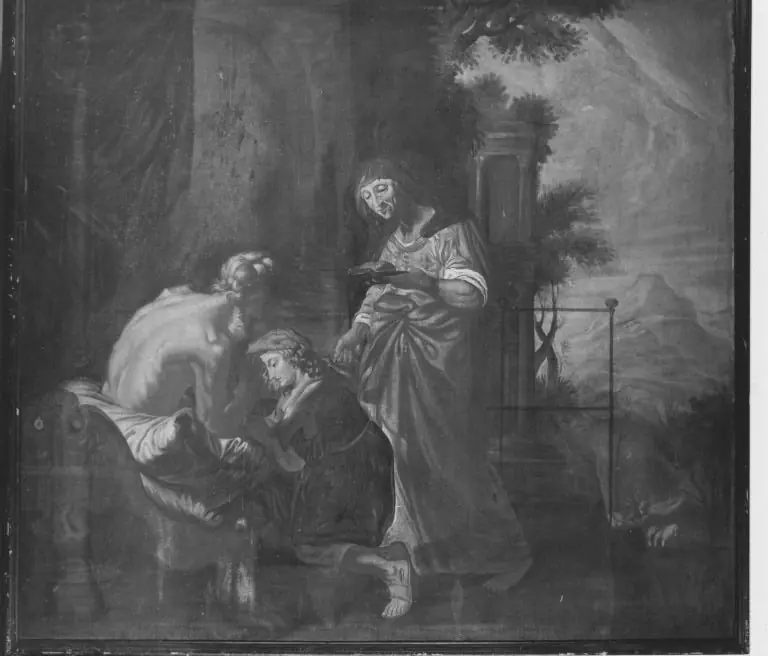 Isaak segnet Jakob (Kopie nach)
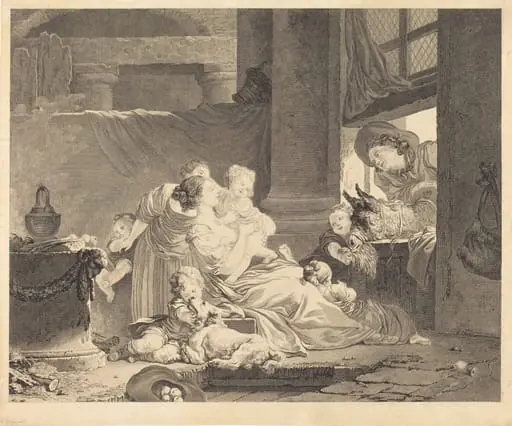 La famille du fermier
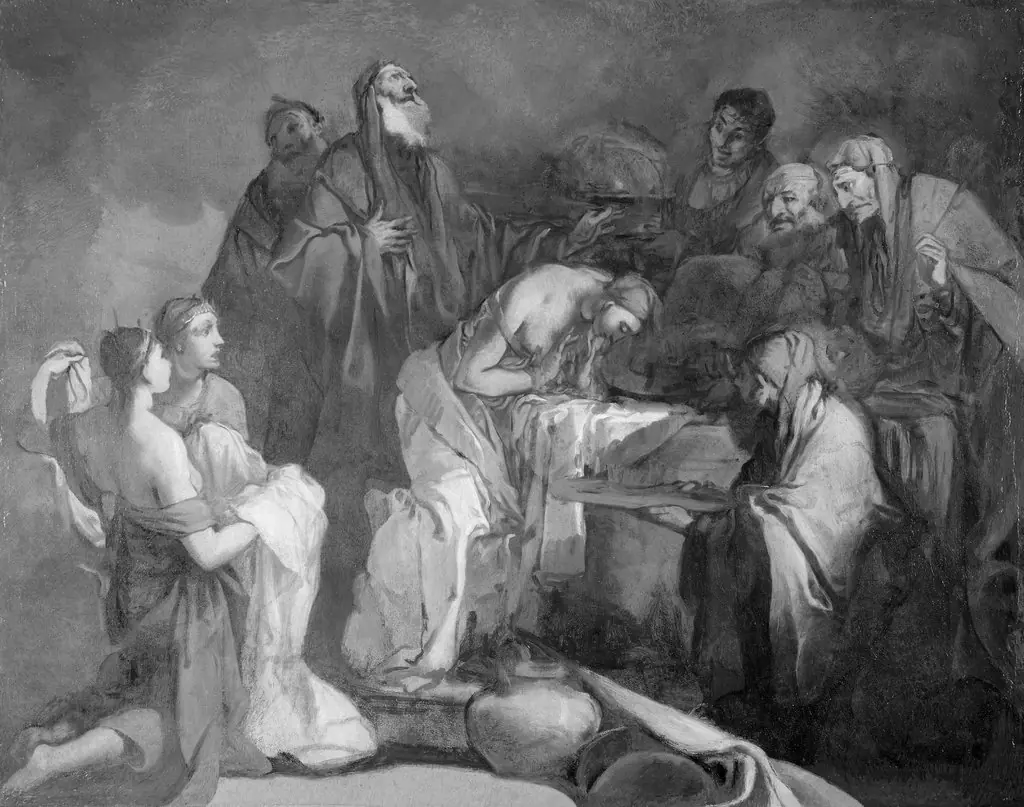 The Sacrifice of Polyxena
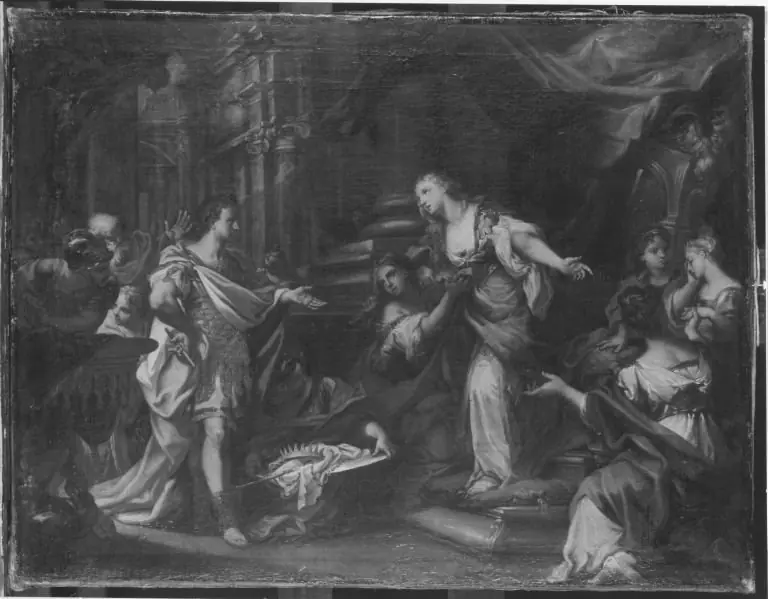 Cleopatra übergibt Augustus Krone uund Szepter
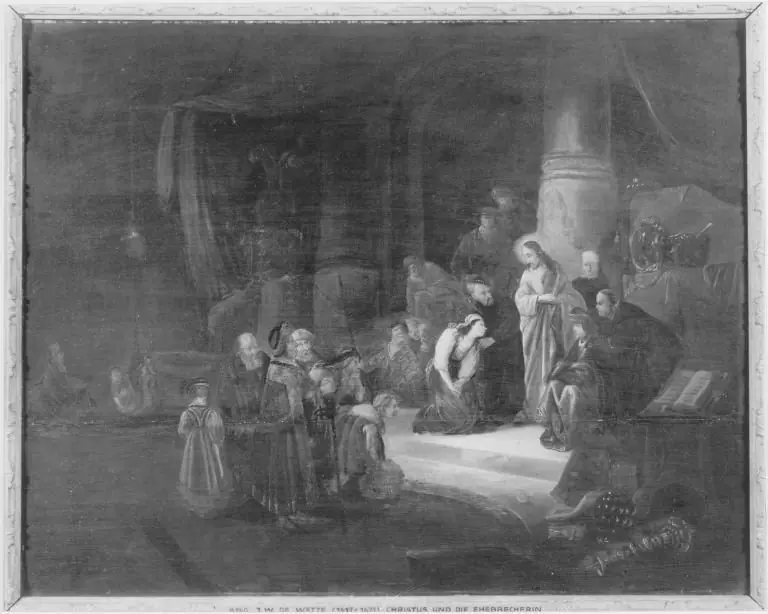 Christ and the woman taken in adultery (John 8:2-11)
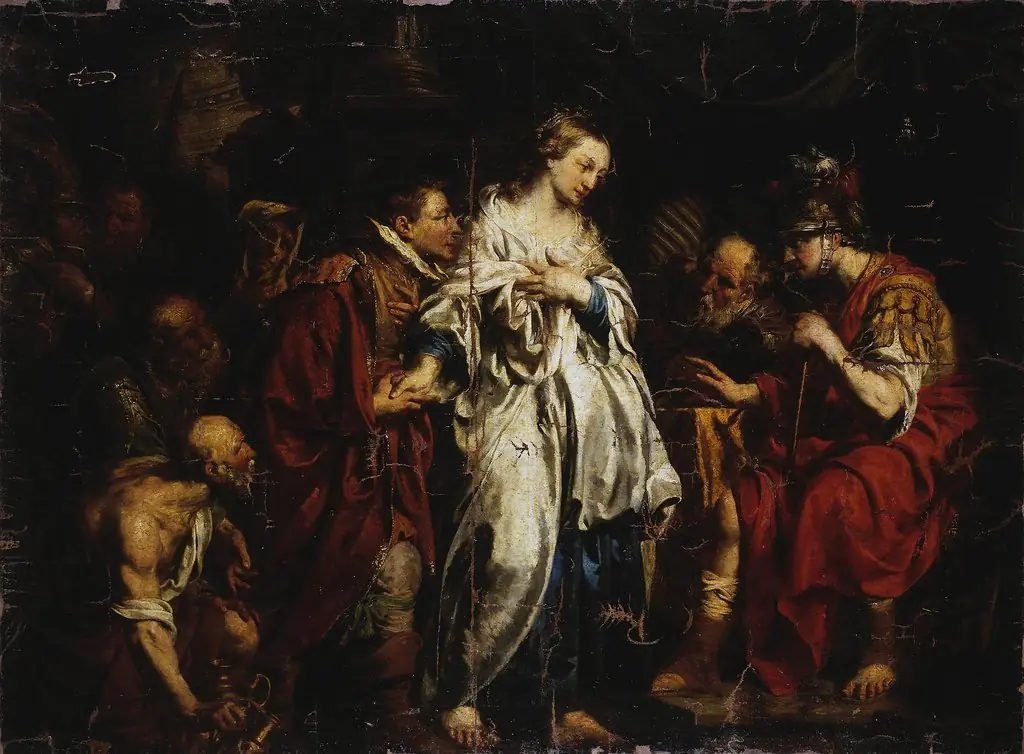 Magnanimity of Scipio Africanus
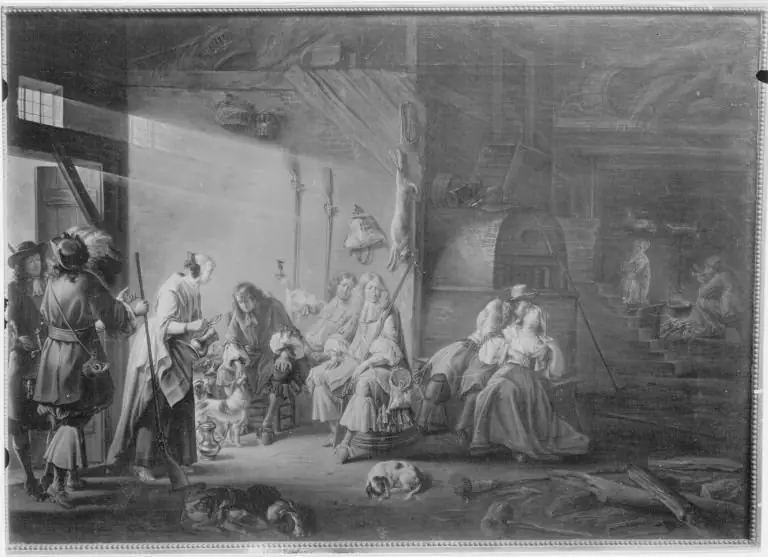 Einkehr nach der Jagd