Artwork
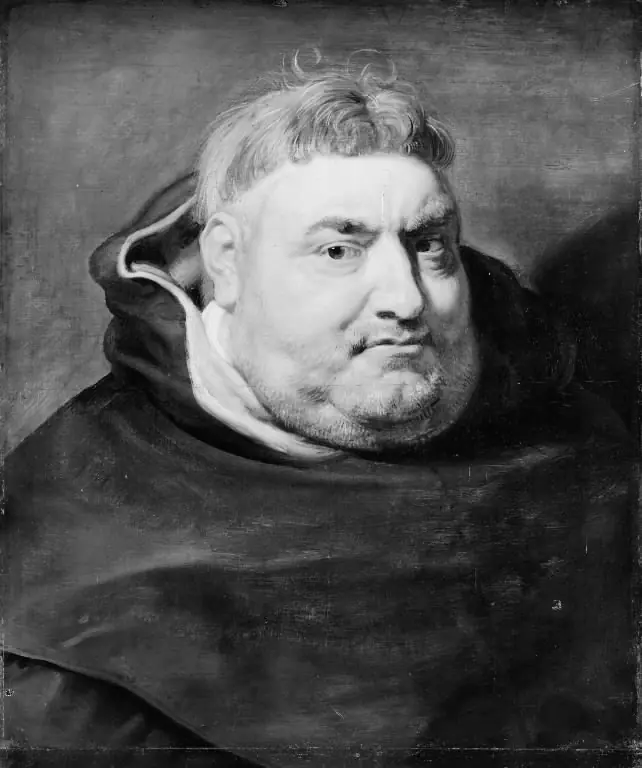
Dominican Friar
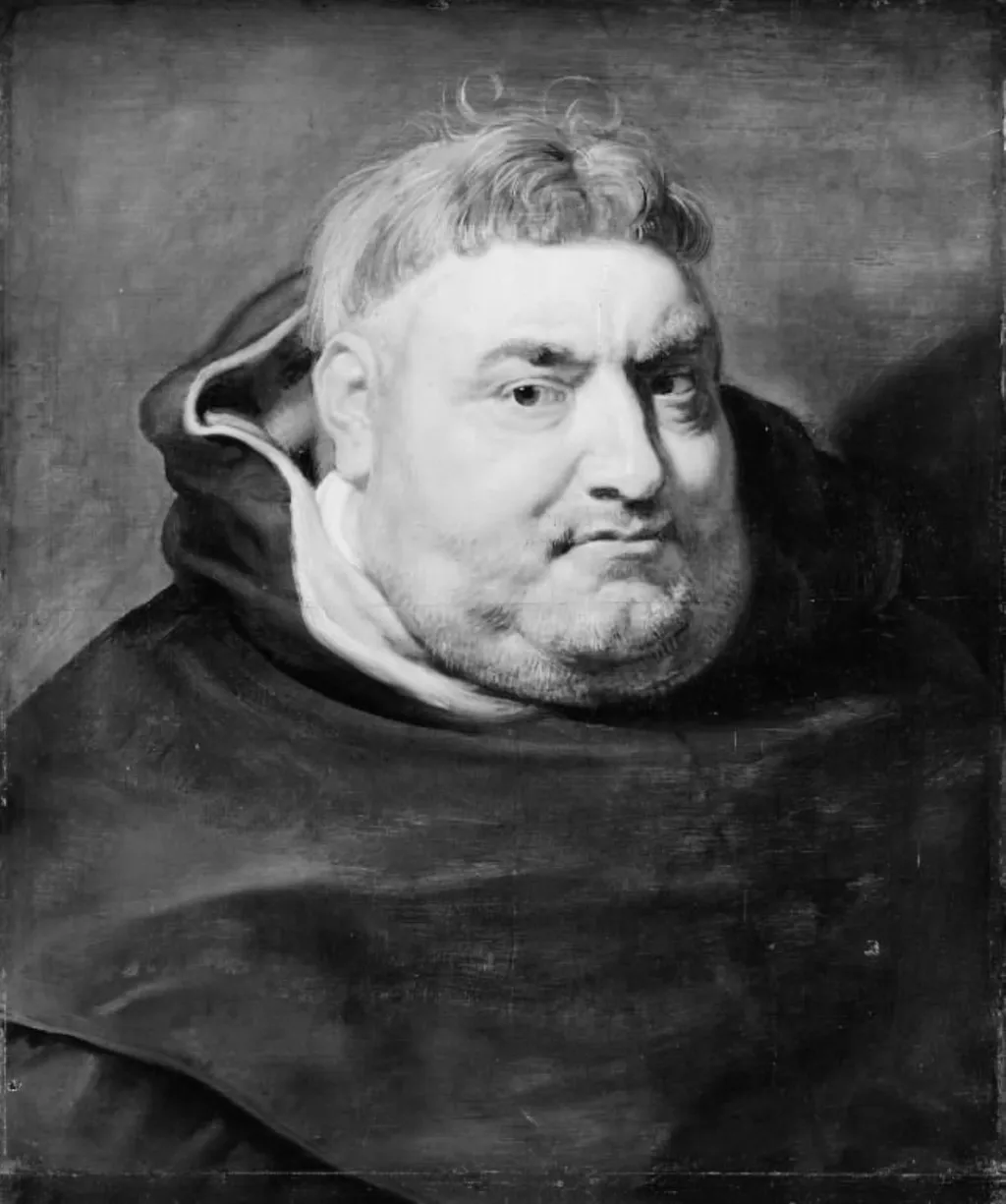
Dominican Friar is a photography by Unknown. It dates from 1678 and is held in the collection of the Statens Museum for Kunst.
About this work
Overview
This portrait, dated around 1678, depicts a Dominican friar in quiet contemplation. Executed in oil on canvas, it belongs to a series of religious figures painted by the artist during his later years. The work is currently held in the collection of the Museum of Ethnography, where it is studied for its formal restraint and psychological presence rather than its devotional function.
Subject & Meaning
The subject is identified as a member of the Dominican Order, recognizable by the distinctive white collar against a dark habit.
The subject is identified as a member of the Dominican Order, recognizable by the distinctive white collar against a dark habit. His solemn gaze and minimal gestures convey introspection rather than ritual activity. The absence of symbolic objects or architectural context shifts focus to the individual’s inner state, reflecting a broader 17th-century interest in personal piety and human dignity within religious life.
Technique & Style
The artist employs chiaroscuro to model the friar’s face and hands, creating a sense of volume against the neutral gray background. Brushwork is controlled and precise, with subtle gradations in tone rather than dramatic lighting effects. The simplicity of composition and muted palette align with the mendicant ideals of humility and austerity, reinforcing the subject’s identity through visual economy.
History & Provenance
The painting entered the Museum of Ethnography’s collection in the early 20th century, likely acquired as part of a broader effort to document religious attire and cultural practices. Its origin prior to that is undocumented, though stylistic analysis suggests it was painted in the artist’s native region, possibly for private devotion or monastic use before entering institutional care.
Context
Produced during the height of Baroque religious portraiture, this work diverges from ornate altarpieces by focusing on the individual rather than the sacred narrative. It reflects a trend among certain artists to portray clergy with psychological realism, influenced by both Counter-Reformation ideals and the rise of secular portraiture in Northern Europe.
Legacy
Though not widely exhibited, the painting remains a reference for studies on religious identity in early modern visual culture. Its restrained aesthetic has been cited in scholarly discussions on how monastic life was visually represented outside of ceremonial contexts, offering insight into the quiet dignity assigned to religious figures in non-public settings.
Artist & collection

 Domestic Scene
 Giacomo and Cardinal Marco, investing Andrea, Abbot of San Zeno, with his Benefice
 The Nymph of Fontainebleau
 Portrait of a Woman
 Madonna and Child with Saints in the Enclosed Garden
 Venus and Minerva
 Family Group of Four on Sofa
 Wall painting from Room H of the Villa of P. Fannius Synistor at Boscoreale
 Portrait of an unknown Alexian friar (?-?)
 A Monk
 A Monk
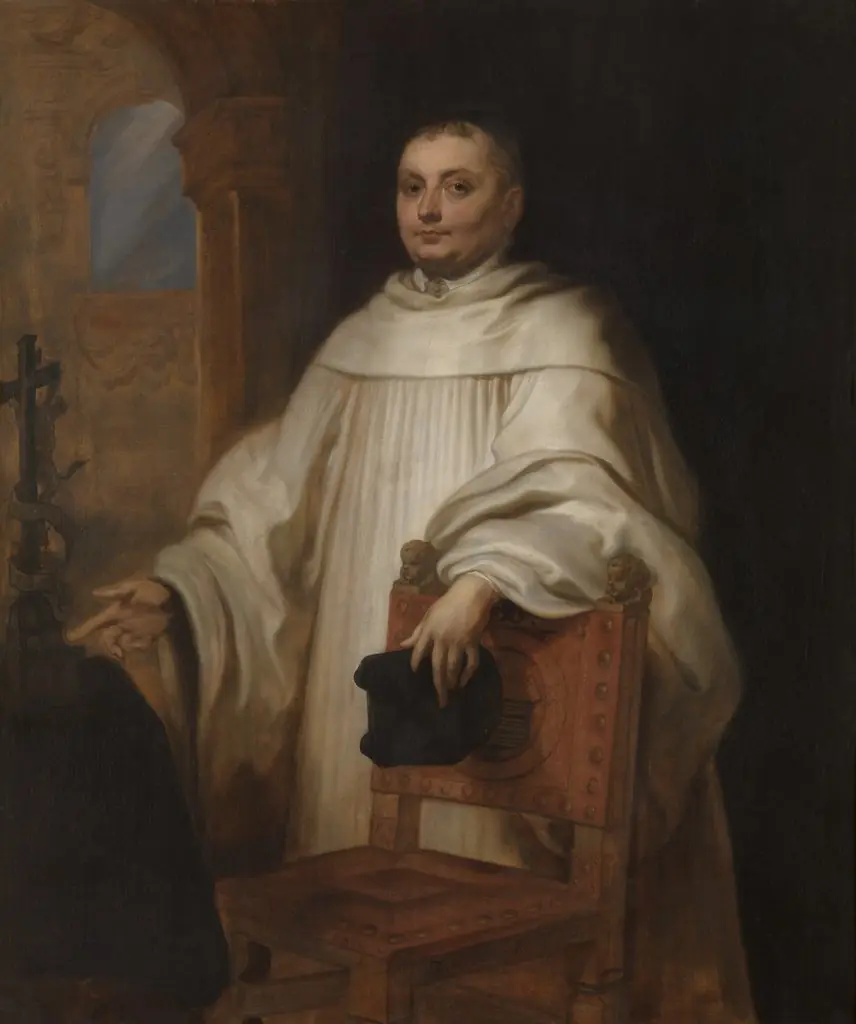 Benedictus van Thulden, prieur de l'abbé de Saint-Bernard
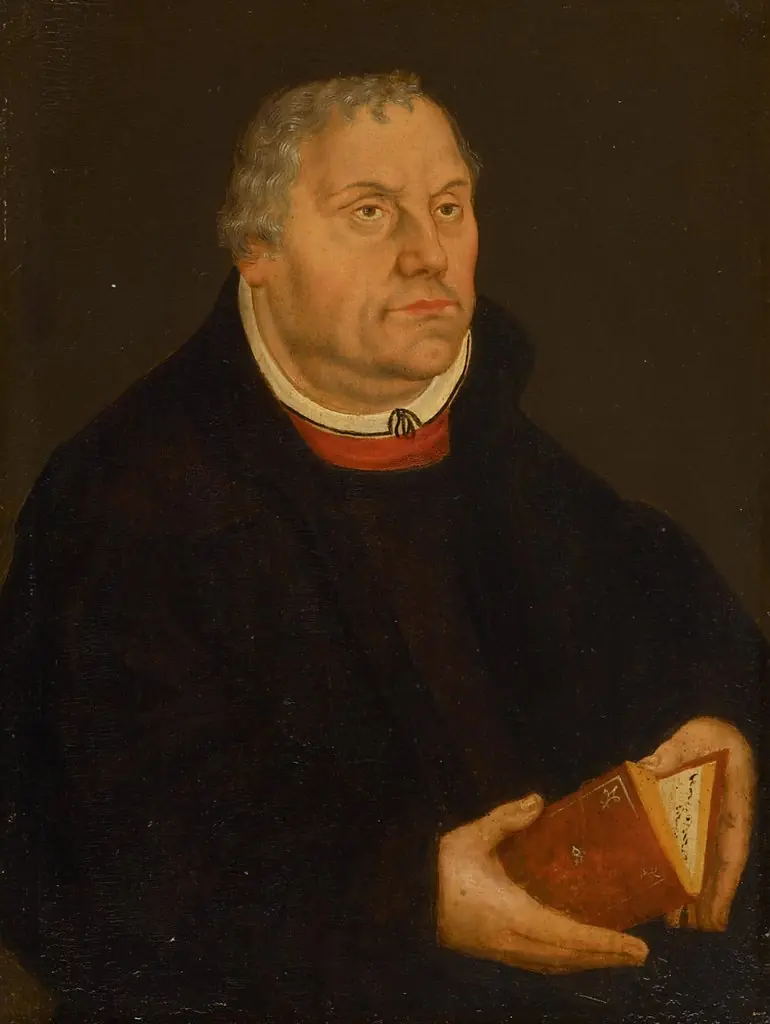 Portrait of Martin Luther (1483-1546)
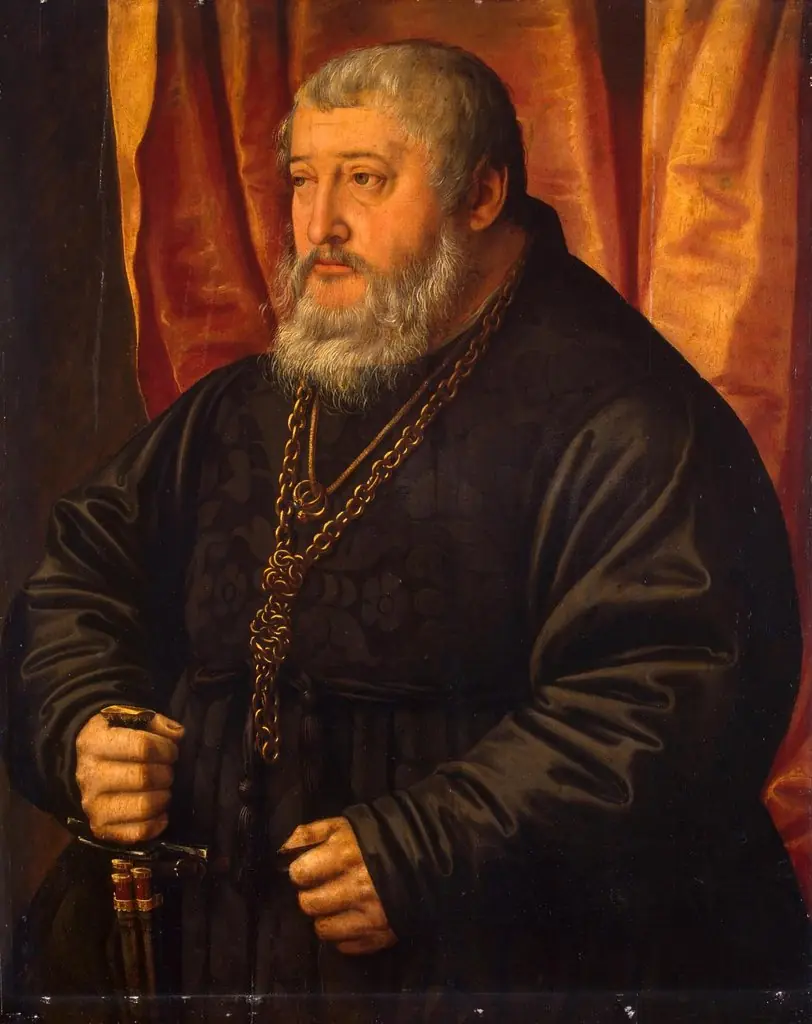 Portrait of Count Palatine Ottheinrich
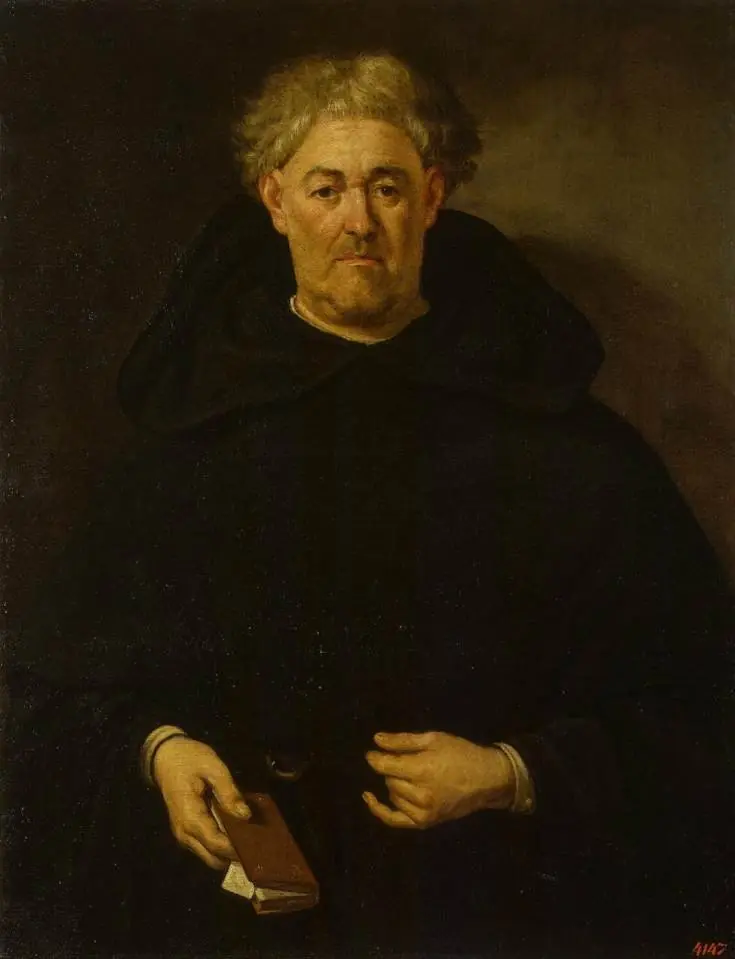 Portrait of a Monk
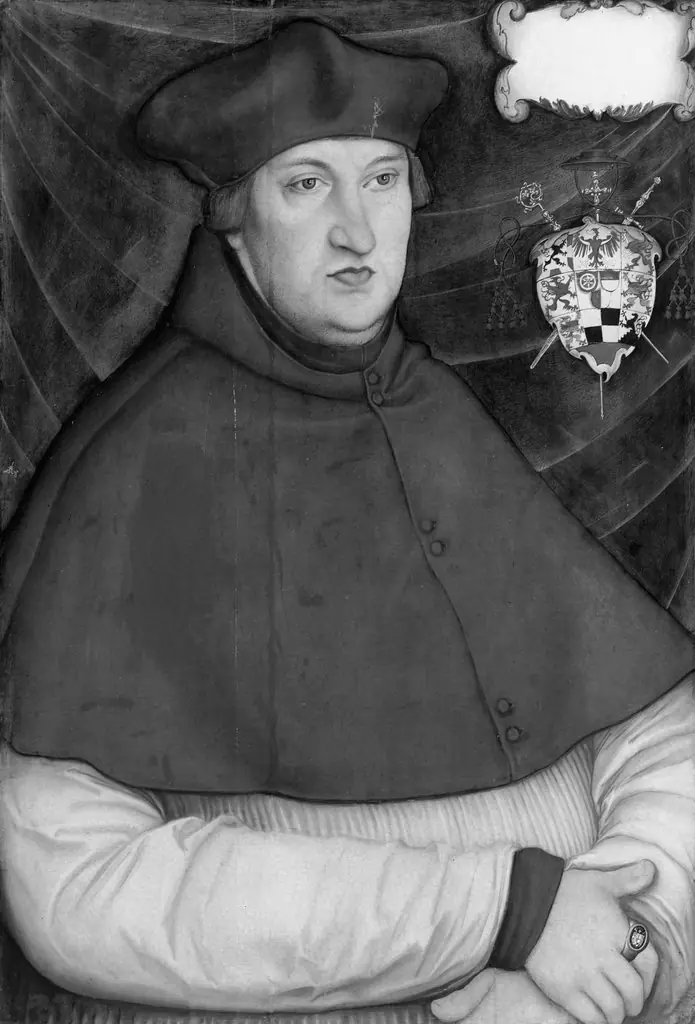 Portrait of Cardinal Albrecht of Brandenburg
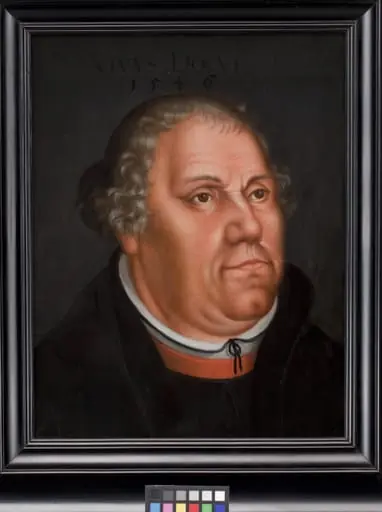 Portrait of Martin Luther (1483-1546)
 Untitled
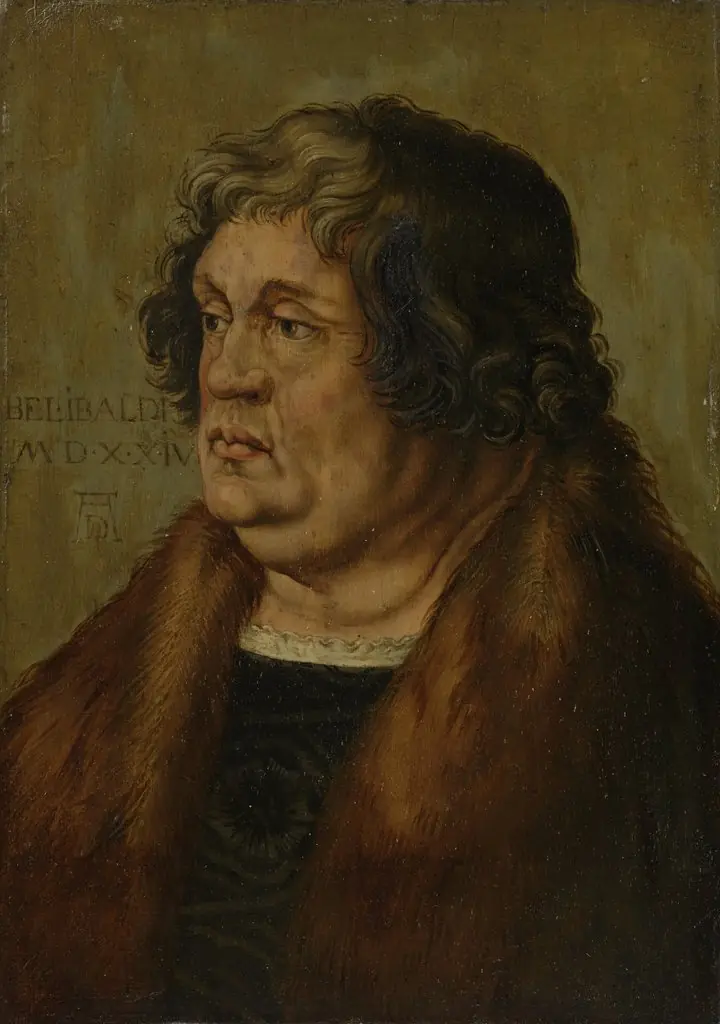 Portrait of Willibald Pirckheimer
 Dominican Friar