Artwork
Portrait of Martin Luther (1483-1546)
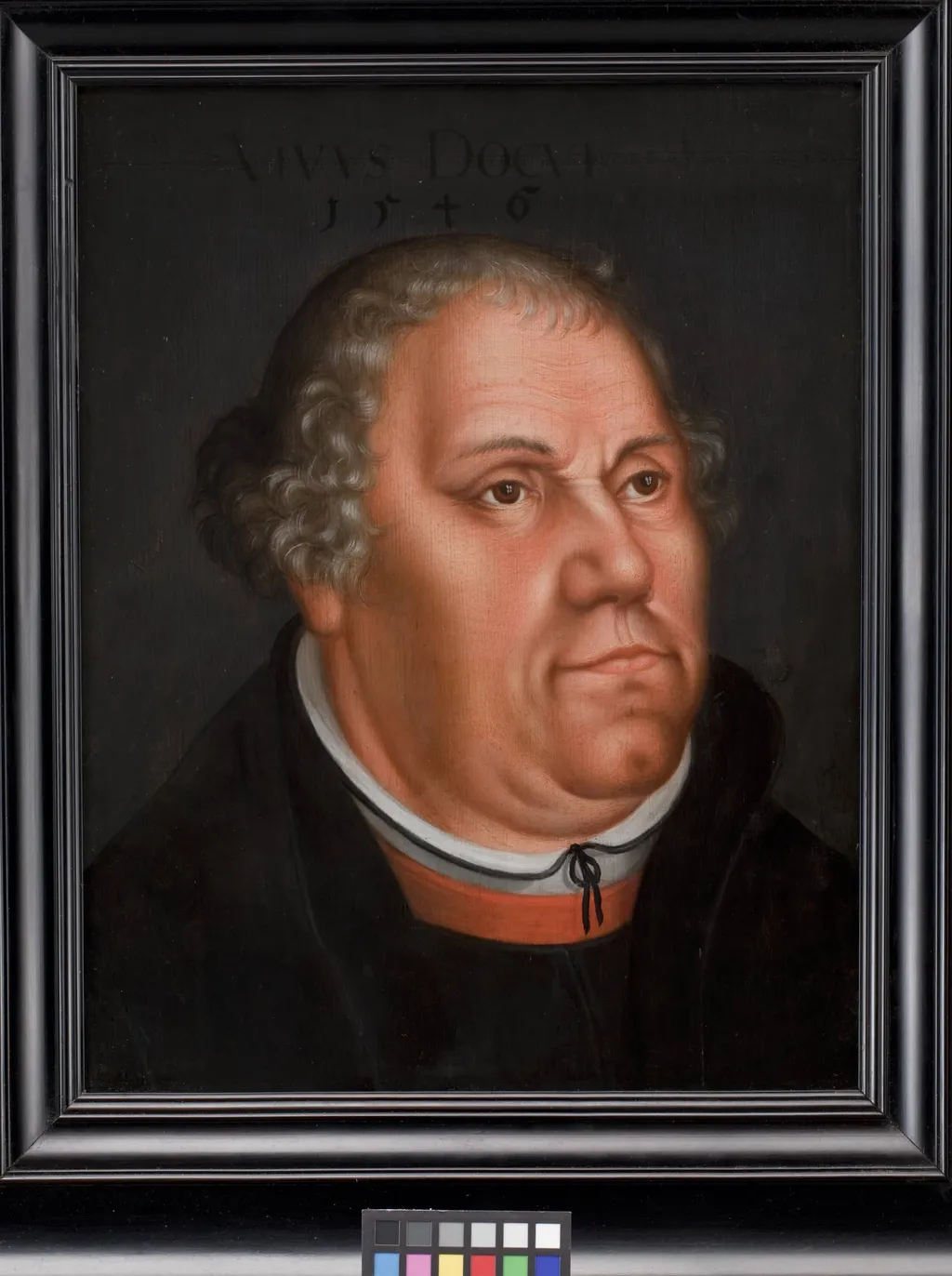
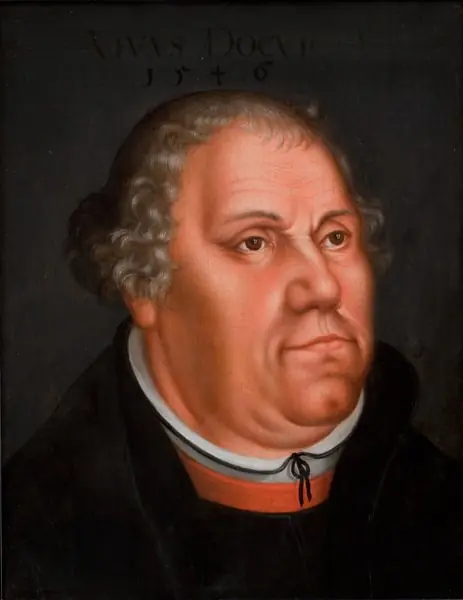
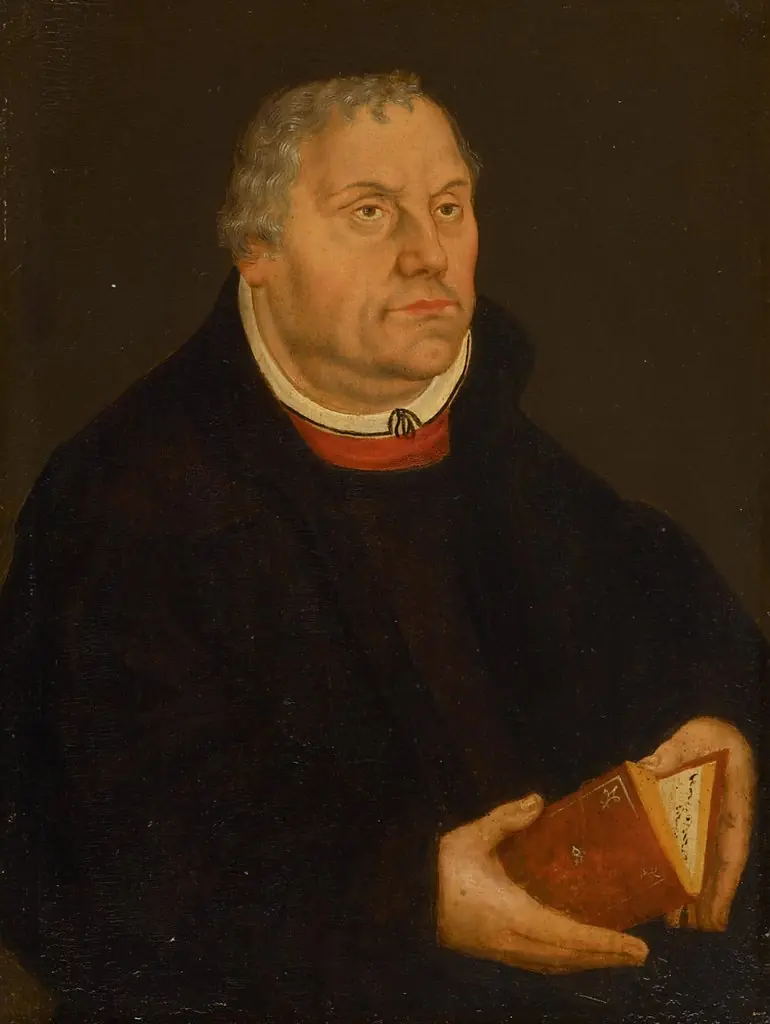
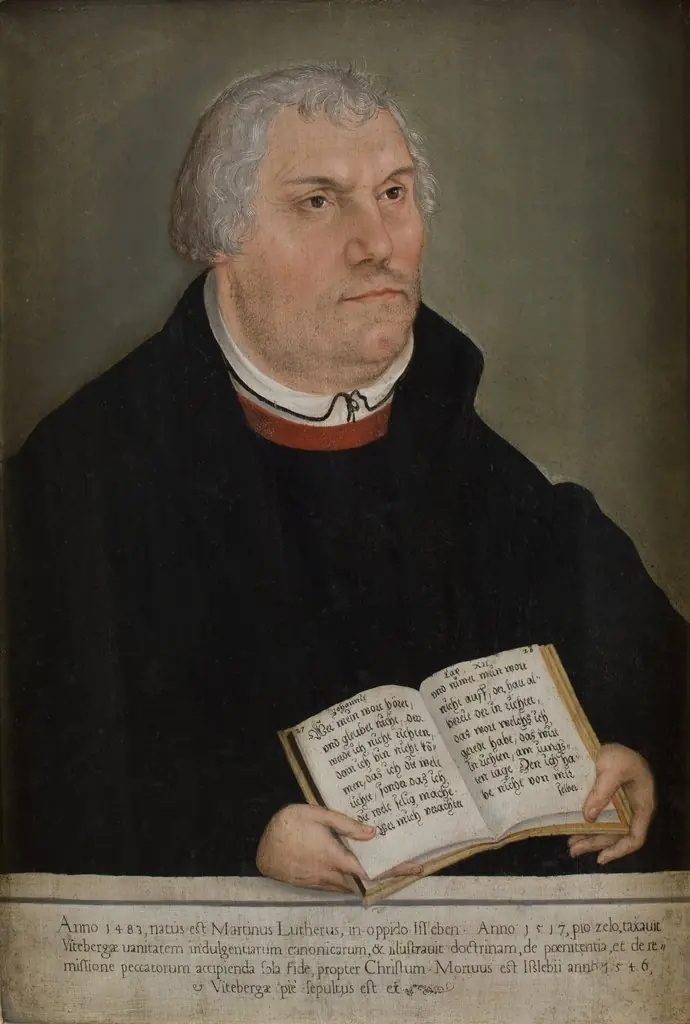
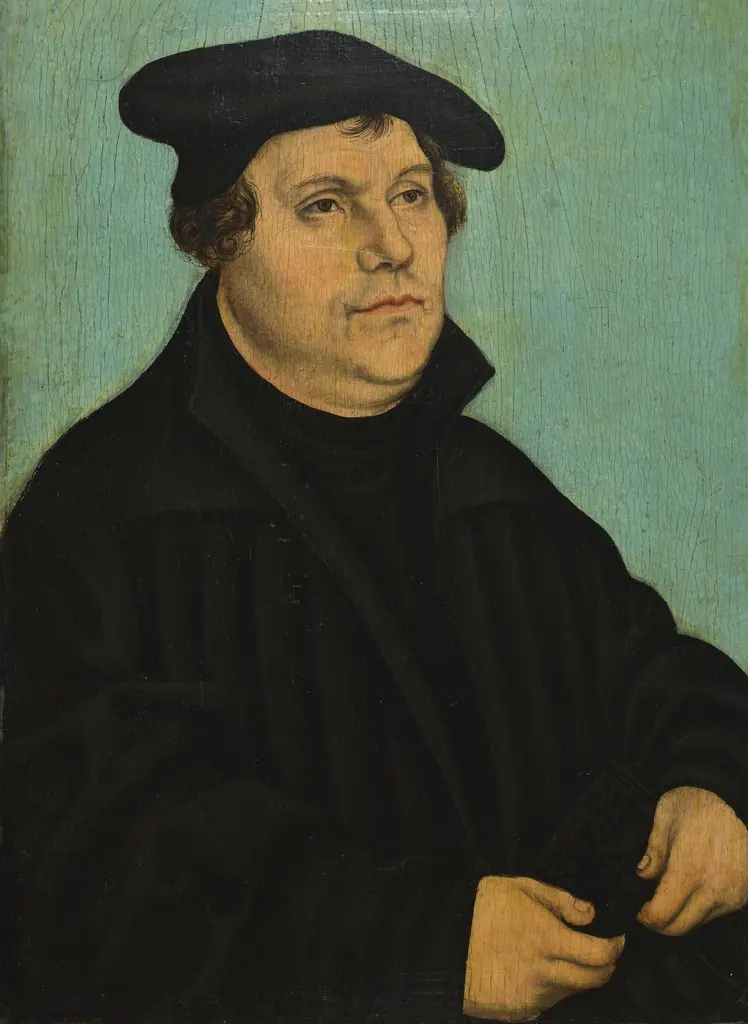
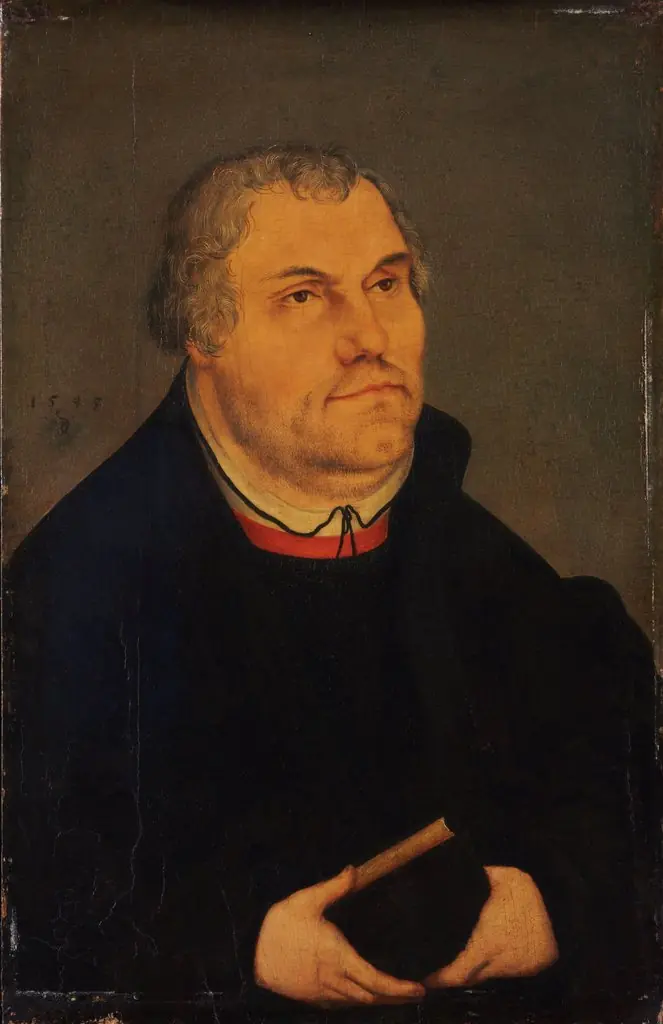
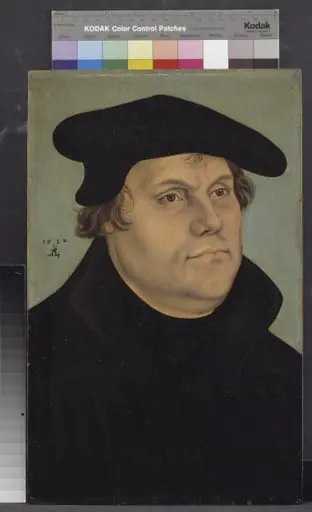
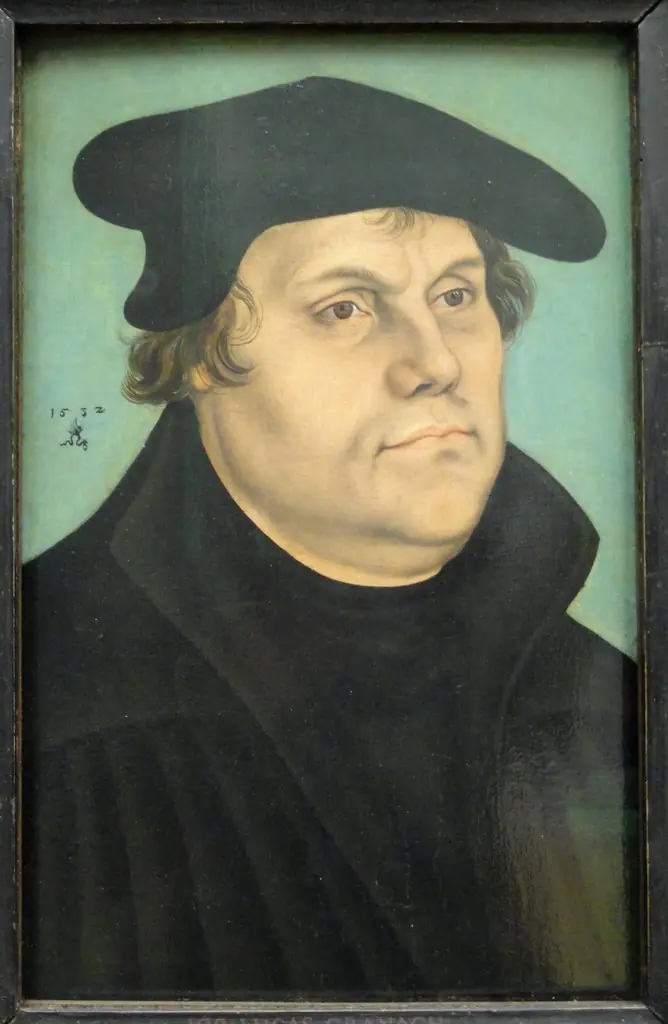
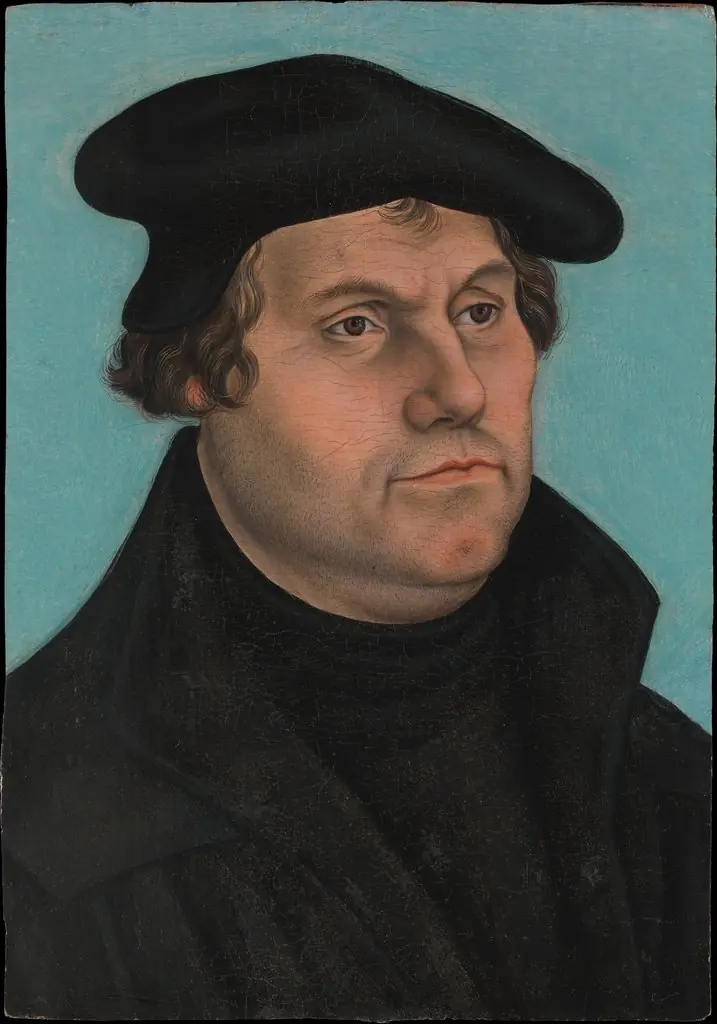
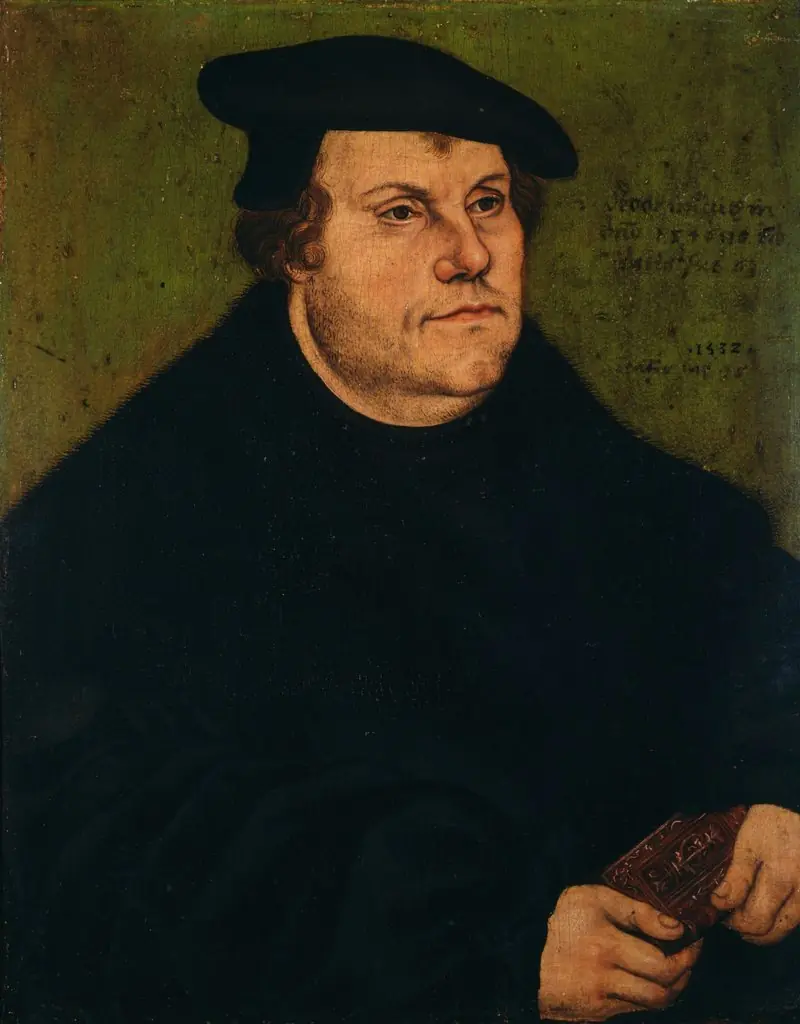
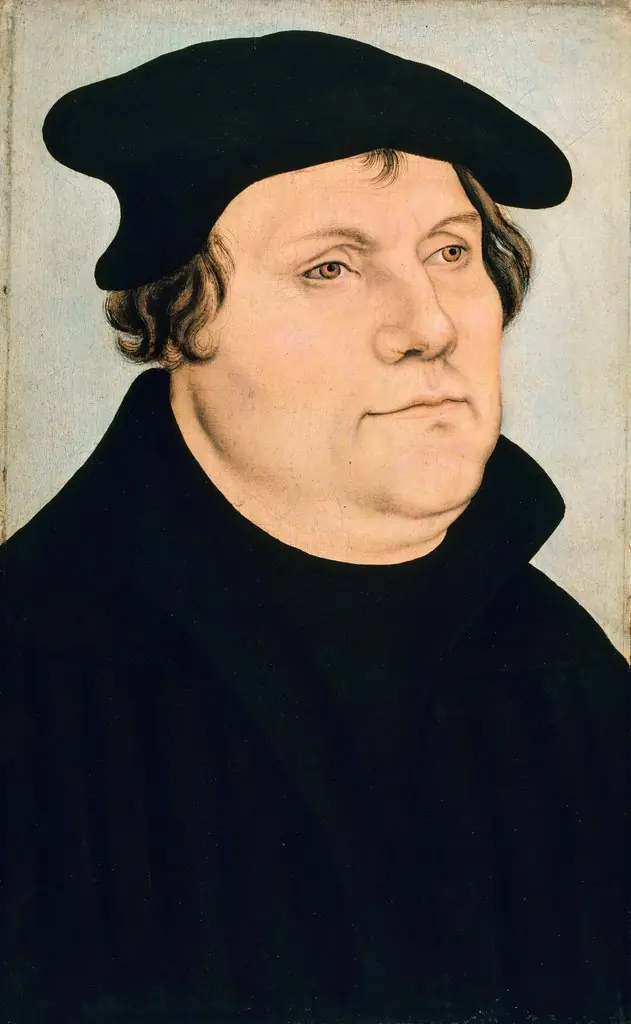
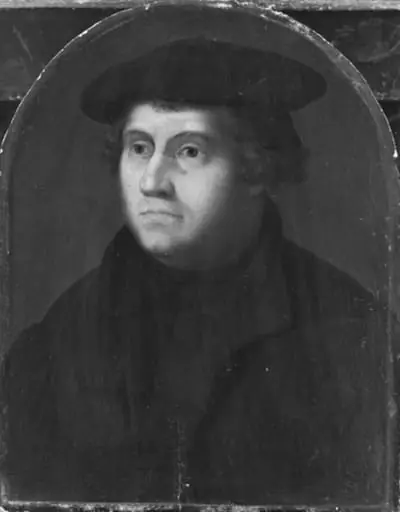
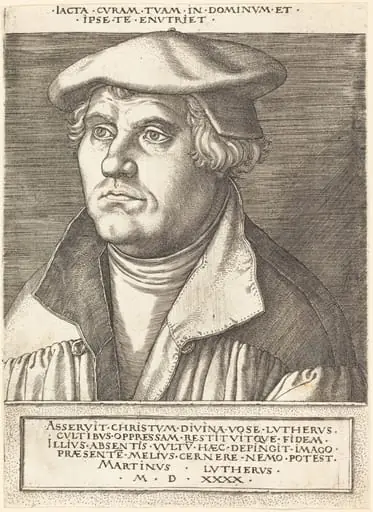
Portrait of Martin Luther (1483-1546) is an unspecified painting by Unknown. It dates from 1550 and is held in the collection of the Statens Museum for Kunst. This portrait depicts Martin Luther, the German theologian and central figure of the Protestant Reformation, rendered around 1550.
About this work
Overview
This portrait depicts Martin Luther, the German theologian and central figure of the Protestant Reformation, rendered around 1550.
This portrait depicts Martin Luther, the German theologian and central figure of the Protestant Reformation, rendered around 1550. Executed in a realistic style, it captures him in mid-life with a composed, introspective demeanor. The work is held in the collection of the Museum of Ethnography, though its origin and artist remain unattributed. The composition emphasizes the subject’s presence through restrained background and focused lighting.
Subject & Meaning
Luther is portrayed without adornment or symbolic elements, reflecting his theological emphasis on humility and the primacy of faith over ritual. His gray curls and furrowed brow suggest age and contemplation, aligning with his public role as a reformer who challenged established religious authority. The direct gaze invites quiet engagement, reinforcing his identity as a thinker rather than a figure of ecclesiastical power.
Technique & Style
The artist employs chiaroscuro to model the face with subtle gradations of light and shadow, enhancing the three-dimensionality of Luther’s features. The contrast between the dark robe and the illuminated skin draws attention to the contours of the nose, cheekbones, and forehead. Brushwork is precise but unobtrusive, avoiding ornamentation in favor of psychological realism, typical of mid-16th-century Northern European portraiture.
History & Provenance
The portrait was likely produced shortly after Luther’s death in 1546, during a period when his image was widely circulated to support the Protestant cause. It entered the Museum of Ethnography’s collection in the late 19th or early 20th century, possibly through academic or missionary networks. Its attribution remains uncertain, as no signature or documented commission survives.
Context
In the decades following Luther’s death, his likeness became a tool for religious identity and education across Protestant regions. Portraits like this one were reproduced in prints and used in homes and schools to reinforce doctrinal loyalty. This version, lacking overt political or religious symbols, reflects a shift toward personal, humanized depictions rather than idealized iconography.
Legacy
Though not the most famous image of Luther, this portrait contributes to the visual record of his later years and the broader tradition of Reformation-era portraiture. Its quiet intensity influenced later depictions of religious figures, favoring psychological depth over ceremonial grandeur. It remains a quiet testament to the cultural weight carried by a single face in a time of religious upheaval.
Artist & collection

 Domestic Scene
 Giacomo and Cardinal Marco, investing Andrea, Abbot of San Zeno, with his Benefice
 The Nymph of Fontainebleau
 Portrait of a Woman
 Madonna and Child with Saints in the Enclosed Garden
 Venus and Minerva
 Family Group of Four on Sofa
 Wall painting from Room H of the Villa of P. Fannius Synistor at Boscoreale