Artwork
A Monk
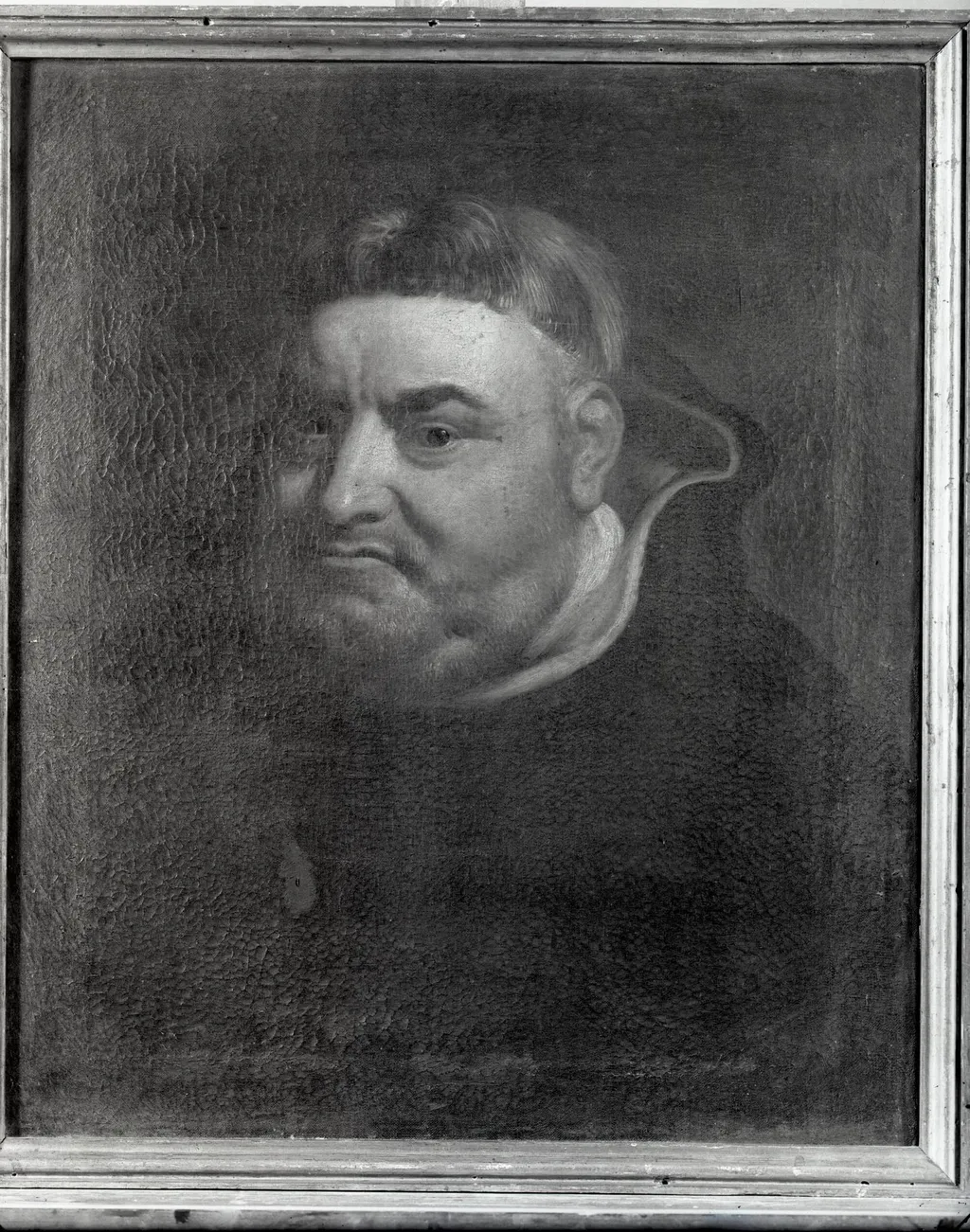
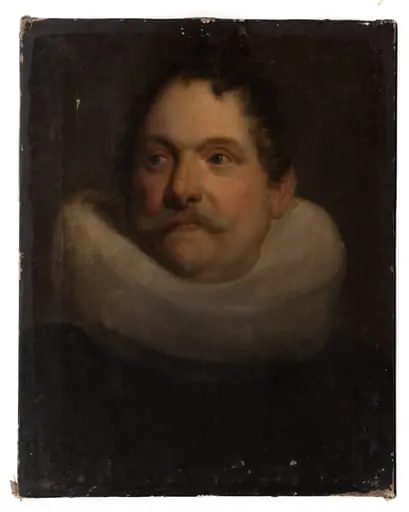
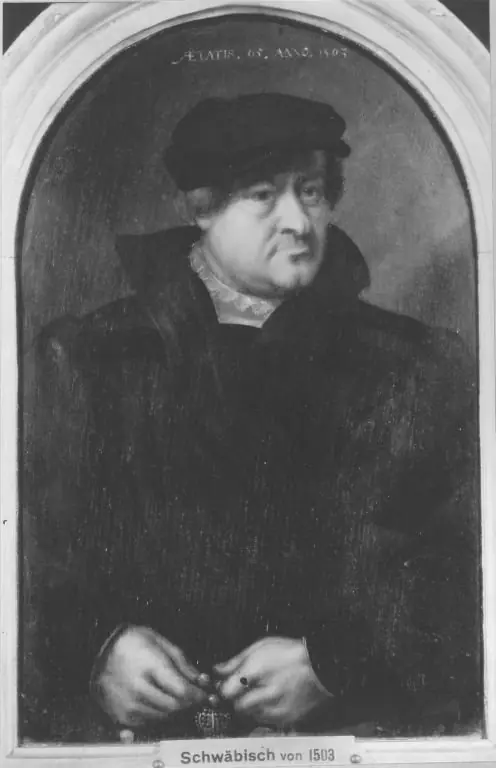
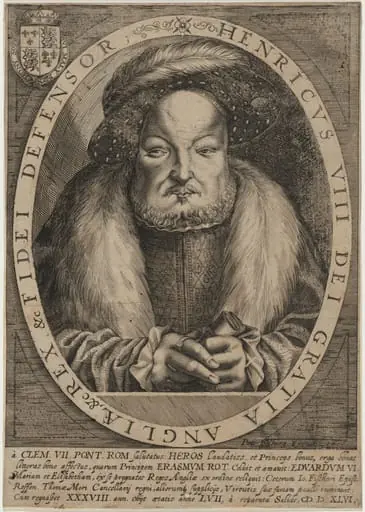
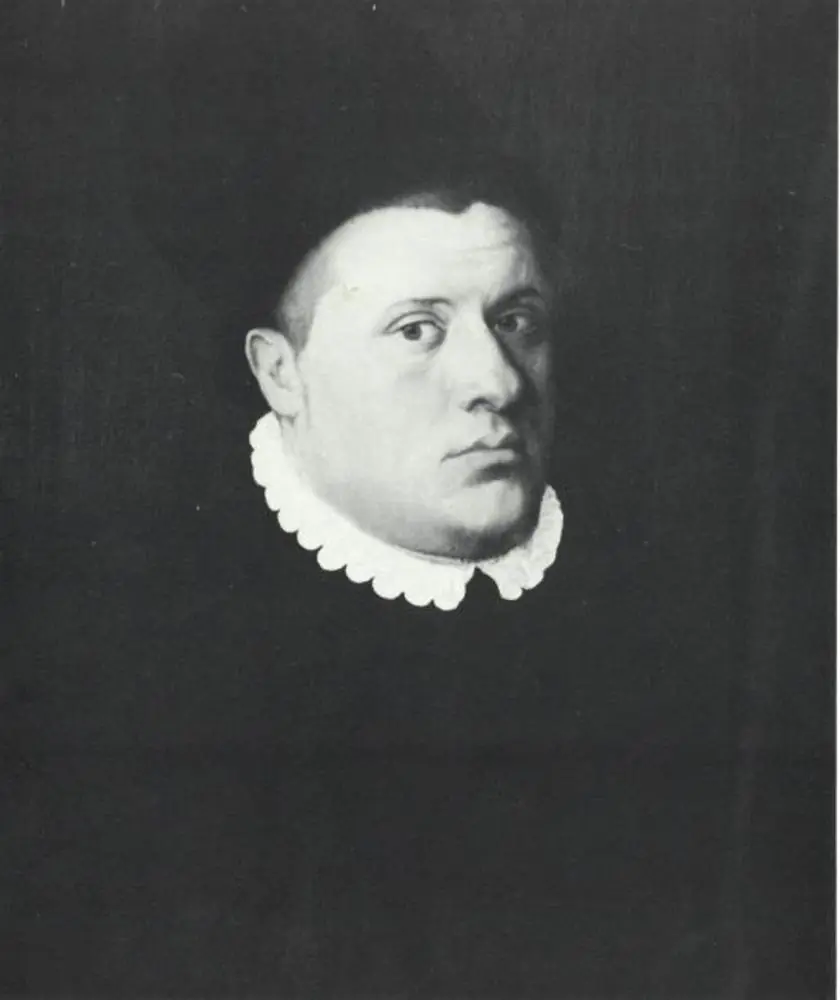
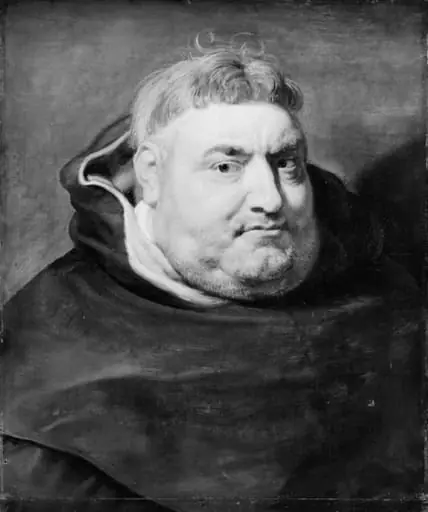
A Monk is a photography by Unknown. It dates from 1750 and is held in the collection of the Statens Museum for Kunst.
About this work
Overview
Its composition emphasizes the subject’s face against a uniformly dark background, with minimal detail beyond the figure.
Created around 1750, this black-and-white portrait depicts a monk, likely captured through early photographic means. The image is held in the collection of the Museum of Ethnography. Its composition emphasizes the subject’s face against a uniformly dark background, with minimal detail beyond the figure. The texture and tonal range suggest the limitations and qualities of 18th-century photographic processes.
Subject & Meaning
The subject is a monastic figure, identified by his attire and solemn demeanor. His gaze is direct yet restrained, conveying introspection rather than narrative. The absence of contextual elements—no objects, architecture, or symbols—focuses attention on his presence as an individual, possibly reflecting a desire to document personal identity within religious life during a time of shifting social structures.
Technique & Style
The image employs strong contrasts between light and shadow, isolating the monk’s face with a spotlight-like effect. This use of chiaroscuro, though more commonly associated with painting, is adapted here through early photographic exposure techniques. The grainy texture and soft edges reflect the limitations of the medium, yet enhance the sense of quiet intimacy and temporal distance.
History & Provenance
The photograph entered the Museum of Ethnography’s collection in the late 19th century, likely acquired during a period of expanding ethnographic documentation. Its origin remains undocumented, but its style aligns with early studio portraiture practices in Europe or colonial outposts. No records of the monk’s identity or the photographer’s name have survived.
Context
Produced during the mid-18th century, this image coincides with the rise of photographic experimentation and growing institutional interest in documenting religious and cultural figures. While photography was still in its infancy, such portraits served as both scientific records and visual artifacts of personal and spiritual identity, often collected for comparative study rather than aesthetic appreciation.
Legacy
Though not widely exhibited, the portrait remains a quiet example of early photographic portraiture in ethnographic contexts. It contributes to the historical record of how religious individuals were visually represented before mass media. Its enduring presence in the museum underscores the value placed on solitary, unadorned human presence in the study of cultural expression.
Artist & collection

 Domestic Scene
 Giacomo and Cardinal Marco, investing Andrea, Abbot of San Zeno, with his Benefice
 The Nymph of Fontainebleau
 Portrait of a Woman
 Madonna and Child with Saints in the Enclosed Garden
 Venus and Minerva
 Family Group of Four on Sofa
 Wall painting from Room H of the Villa of P. Fannius Synistor at Boscoreale
![[Retrato del Papa Inocencio X, por Velázquez], by Unknown](https://artifactworldgallery.com/img/unknown--retrato-del-papa-inocencio-x-por-velazquez--1cef7dc2e8d48f64-w320.webp)