Artwork
Johanna of Austria
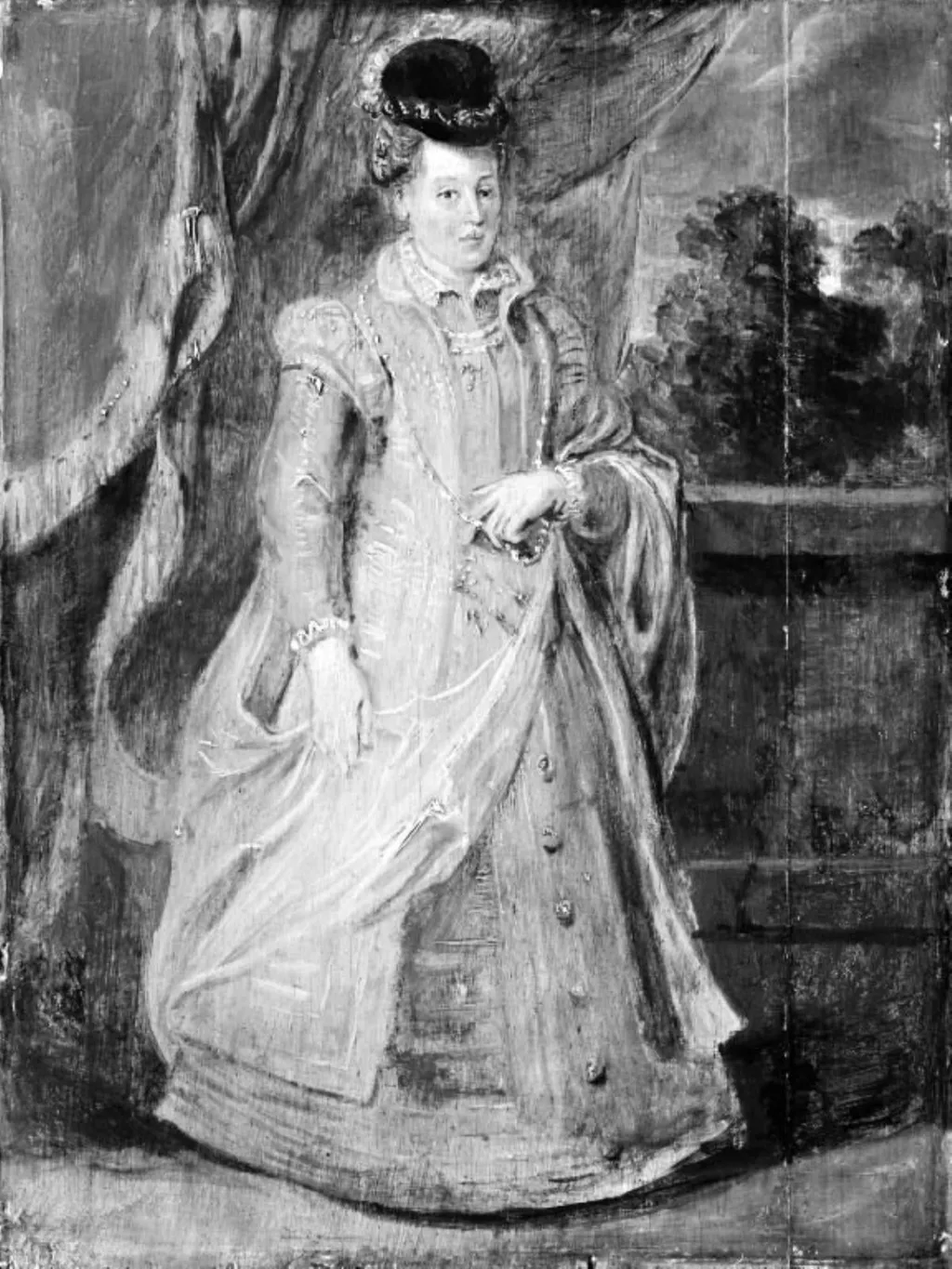
Johanna of Austria is a photography by Unknown. It dates from 1650 and is held in the collection of the Statens Museum for Kunst.
About this work
Overview
The work is currently held by the Museum of Ethnography, though its origins lie in courtly portraiture rather than ethnographic collection.
This portrait depicts Johanna of Austria, a Habsburg noblewoman, painted around 1650. Executed in oil on canvas, it presents her in full formal attire against a dark, undefined background. The work is currently held by the Museum of Ethnography, though its origins lie in courtly portraiture rather than ethnographic collection. The artist remains unidentified, with no definitive attribution to a known painter of the period.
Subject & Meaning
Johanna of Austria, daughter of Holy Roman Emperor Ferdinand I, is portrayed with restrained solemnity, reflecting her status as a royal figure. Her attire and composed demeanor signal aristocratic dignity rather than personal expression. The small object in her hand, indistinct in detail, may have once held symbolic significance—perhaps a reliquary or token of lineage—but its original meaning is now lost to time.
Technique & Style
The painting employs a muted palette and precise brushwork to render fabric textures and the structured silhouette of 17th-century noble dress. Light falls evenly across the figure, minimizing shadow and enhancing the formal stillness. The background is deliberately neutral, focusing attention on the subject’s posture and attire. The style aligns with Spanish and Austrian court portraiture of the mid-1600s, emphasizing decorum over individuality.
History & Provenance
The portrait likely originated in a Habsburg collection, possibly commissioned to commemorate Johanna’s role in dynastic alliances. It entered the Museum of Ethnography’s holdings in the late 19th or early 20th century, likely through a broader acquisition of European aristocratic artifacts. Its transfer to an ethnographic institution suggests a shift in interpretive framing, away from royal iconography toward cultural representation.
Context
Painted during the height of Habsburg influence in Central Europe, this portrait reflects the visual language used to project dynastic authority. Women of the imperial family were often depicted in formal dress to reinforce lineage and political continuity. Similar portraits of Habsburg women from this era survive in Vienna and Madrid, indicating standardized conventions for royal representation across the empire.
Legacy
Though not attributed to a renowned artist, the portrait remains a tangible record of Habsburg female representation in the 17th century. Its presence in an ethnographic museum underscores evolving museum practices that recontextualize aristocratic imagery as cultural artifacts. The work contributes to scholarly understanding of how noble identity was visually constructed and preserved beyond major art centers.
Artist & collection

 Domestic Scene
 Giacomo and Cardinal Marco, investing Andrea, Abbot of San Zeno, with his Benefice
 The Nymph of Fontainebleau
 Portrait of a Woman
 Madonna and Child with Saints in the Enclosed Garden
 Venus and Minerva
 Family Group of Four on Sofa
 Wall painting from Room H of the Villa of P. Fannius Synistor at Boscoreale
 Infantin Maria von Spanien (?)
 Bildnis einer Dame
 Portrait of Sophie Dorothea of Prussia
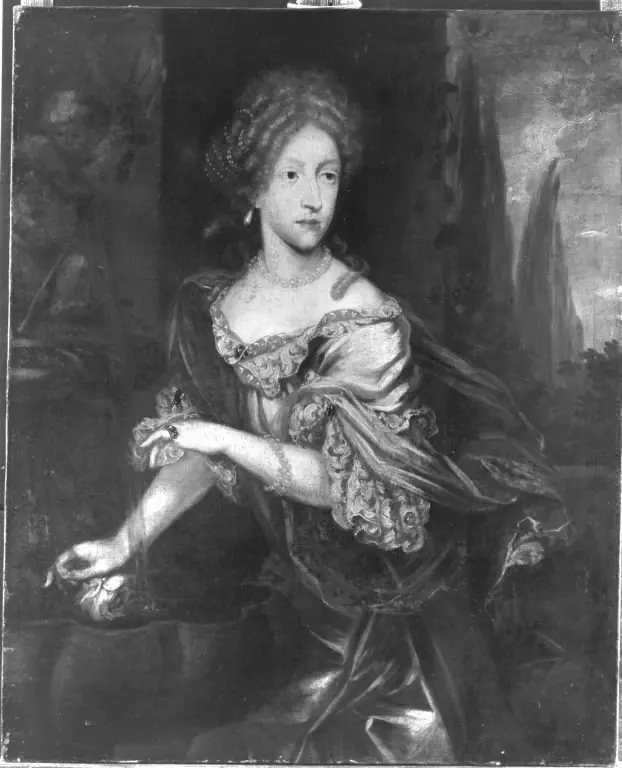 Bildnis Maria Anna
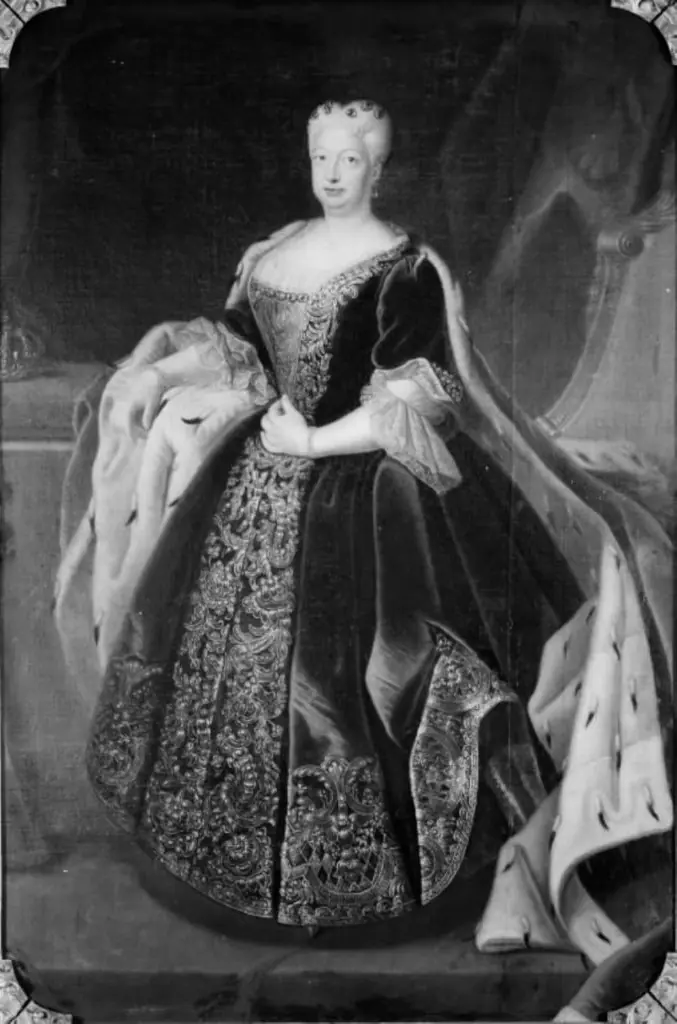 Portrait of Sophie Dorothea of Prussia
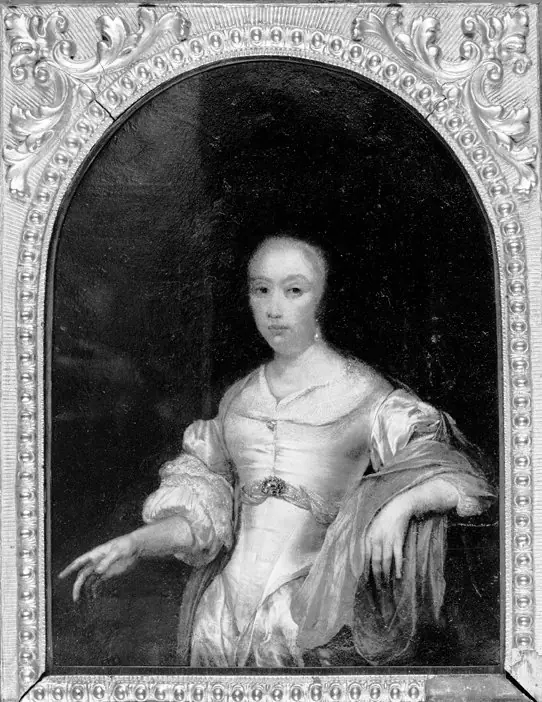 Portrait of a Lady
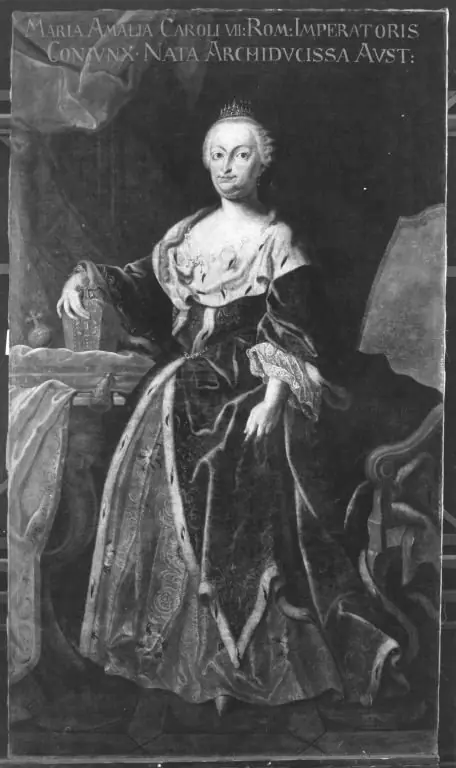 Bildnis der Maria Amalia, Tochter Kaisers Joseph I., Gemahlin Kaiser Karls VII.
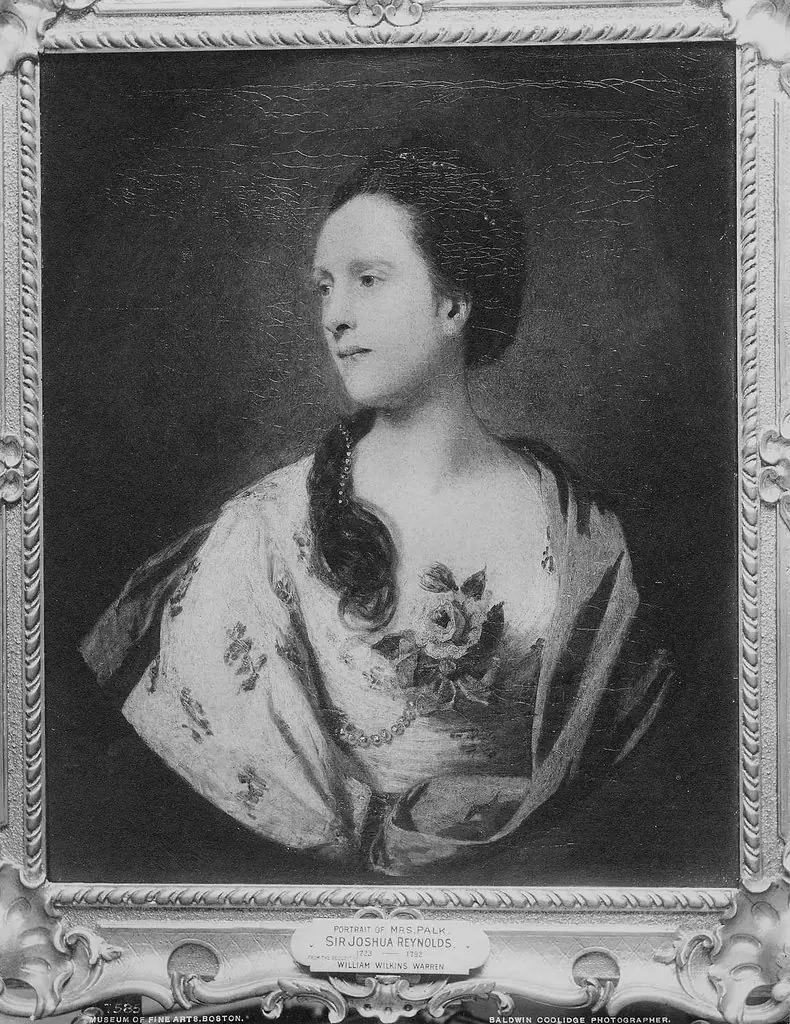 Anne Vansittart, Lady Palk
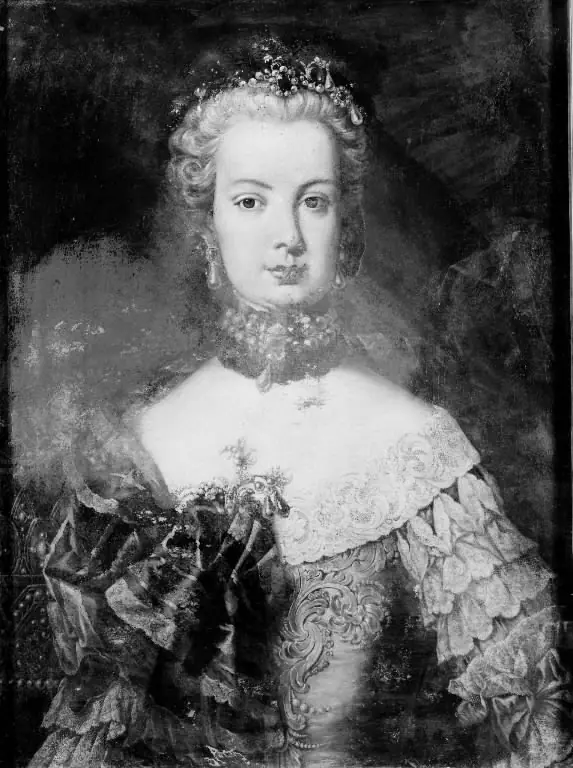 Elisabeth Christine von Braunschweig-Wolfenbüttel
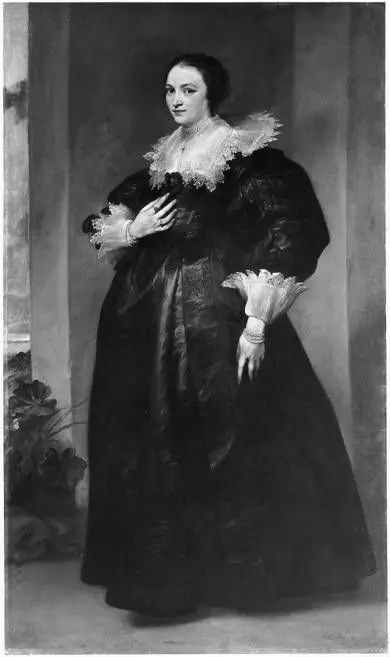 Portrait of a Lady (second wife of Sebastiaen van Leerse)
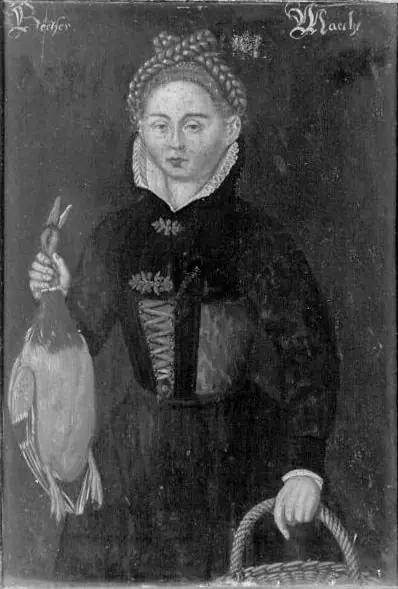 Woman from Beets
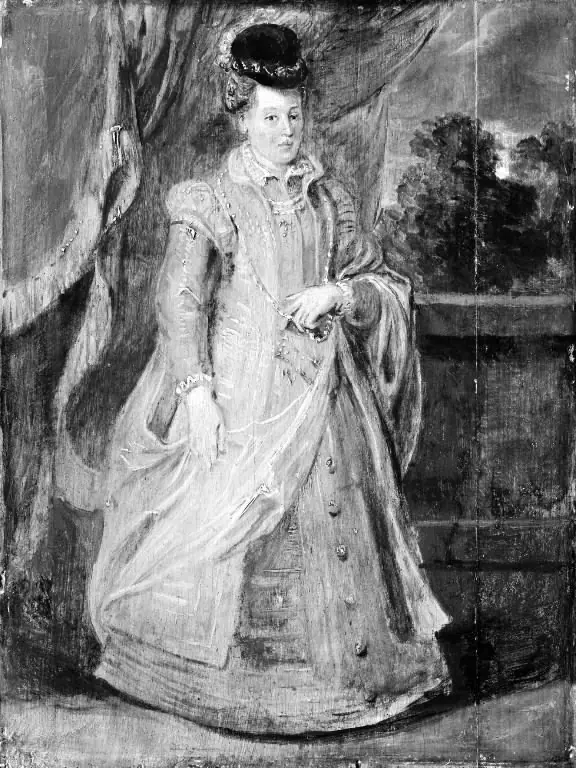 Portrait of Johanna of Austria