Artwork
Elisabeth Christine von Braunschweig-Wolfenbüttel
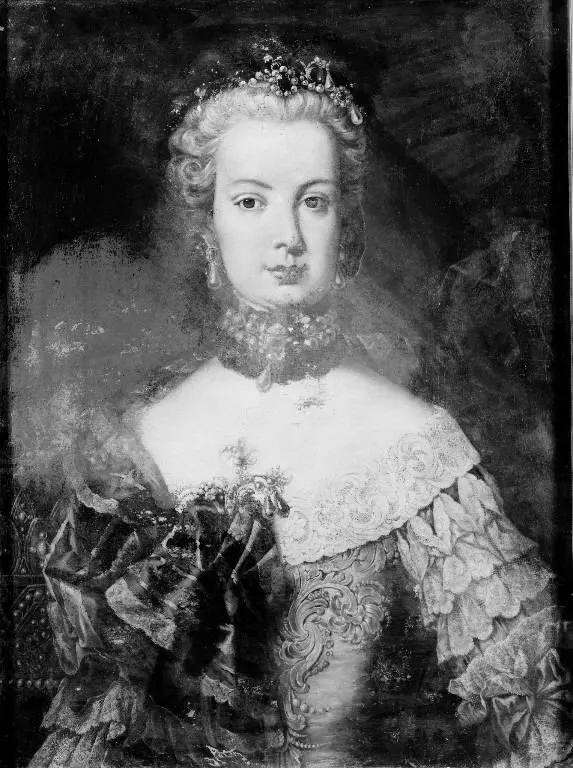
Elisabeth Christine von Braunschweig-Wolfenbüttel is an oil painting by the Rococo painting artist Martin van Meytens. It dates from 1740 and is held in the collection of the Statens Museum for Kunst.
About this work
If you're interested in learning more about this style of portraiture, you might want to look up the artist Martin van Meytens.
This painting is a portrait of a woman, likely from the 18th century. She is dressed in an elaborate gown with lace and jewels, and wears a crown on her head. Her hair is styled in an updo, and she looks directly at the viewer.
The woman's face is painted with soft, gentle features, and her expression is calm and serene. The background of the painting is dark, which helps to highlight the subject's face and clothing. The overall effect is one of elegance and refinement.
If you're interested in learning more about this style of portraiture, you might want to look up the artist Martin van Meytens.
Overview
This 1740 oil portrait presents Elisabeth Christine of Brunswick-Wolfenbüttel, a high‑ranking member of the Austrian imperial family, rendered in the refined manner typical of mid‑eighteenth‑century court painting. The figure occupies a darkened backdrop that concentrates attention on her attire and serene expression, conveying the dignified poise expected of aristocratic sitters.
Subject & Meaning
Elisabeth Christine, born into the ducal house of Brunswick‑Wolfenbüttel, is depicted wearing a richly ornamented gown, lace trim, and a jeweled crown, symbols of her noble status and marital alliance within the Habsburg realm. Her direct gaze and composed demeanor reflect the ideals of virtue and decorum associated with imperial women of the period.
Technique & Style
Executed in oil on canvas, the work employs the Rococo palette of soft, luminous flesh tones against a deep, almost black background. Van Meyts’s brushwork renders delicate fabrics and intricate jewelry with a polished finish, while the subtle modeling of the face creates a gentle, almost ethereal quality characteristic of court portraiture in the 1740s.
History & Provenance
The portrait was painted by Martin van Meyts, a Swedish‑born artist who spent most of his career in Vienna serving the Habsburg court. After remaining in the imperial collection for centuries, the painting entered the Statens Museum for Kunst in Copenhagen, where it is currently displayed as part of the museum’s European holdings.
Context
Van Meyts was a leading portraitist for the Austrian aristocracy, producing images of Empress Maria Theresa, Emperor Francis I, and other members of the imperial family. His approach helped standardize the visual language of court portraiture, emphasizing elegance, controlled emotion, and sumptuous costume to reinforce the social hierarchy of the Rococo era.
Artist & collection
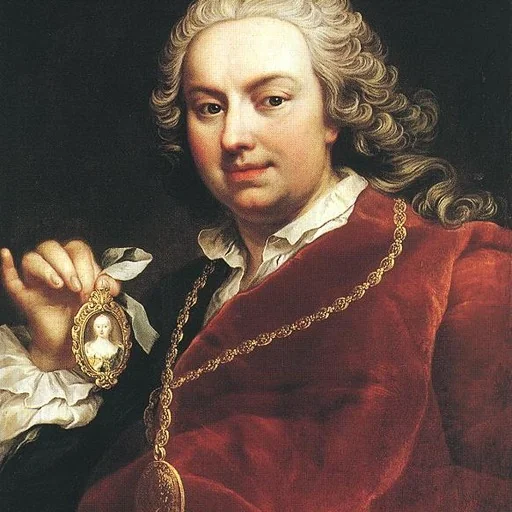
Artist
Martin van Meytens (24 June 1695 – 23 March 1770) was a Swedish-Austrian painter who painted members of the Royal Court of Austria such as Marie Antoinette, Maria Theresa of Austria, Francis I, Holy Roman Emperor, the…

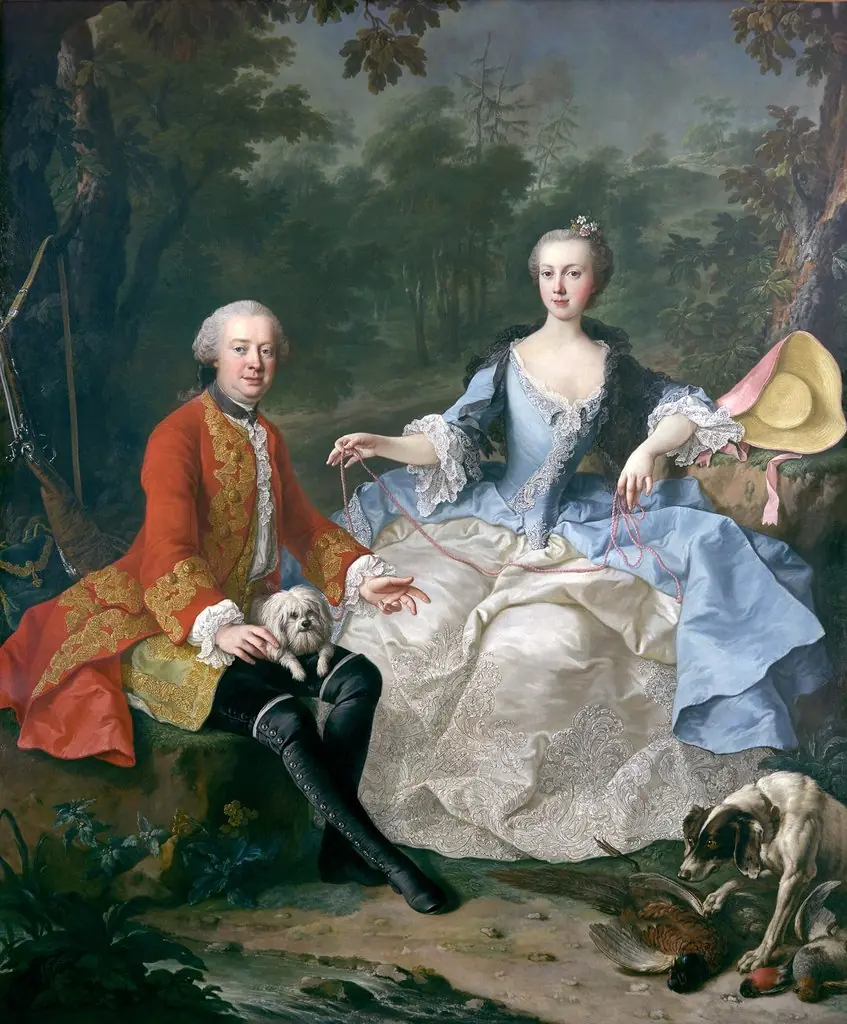 Count Giacomo Durazzo in the Guise of a Huntsman with His Wife
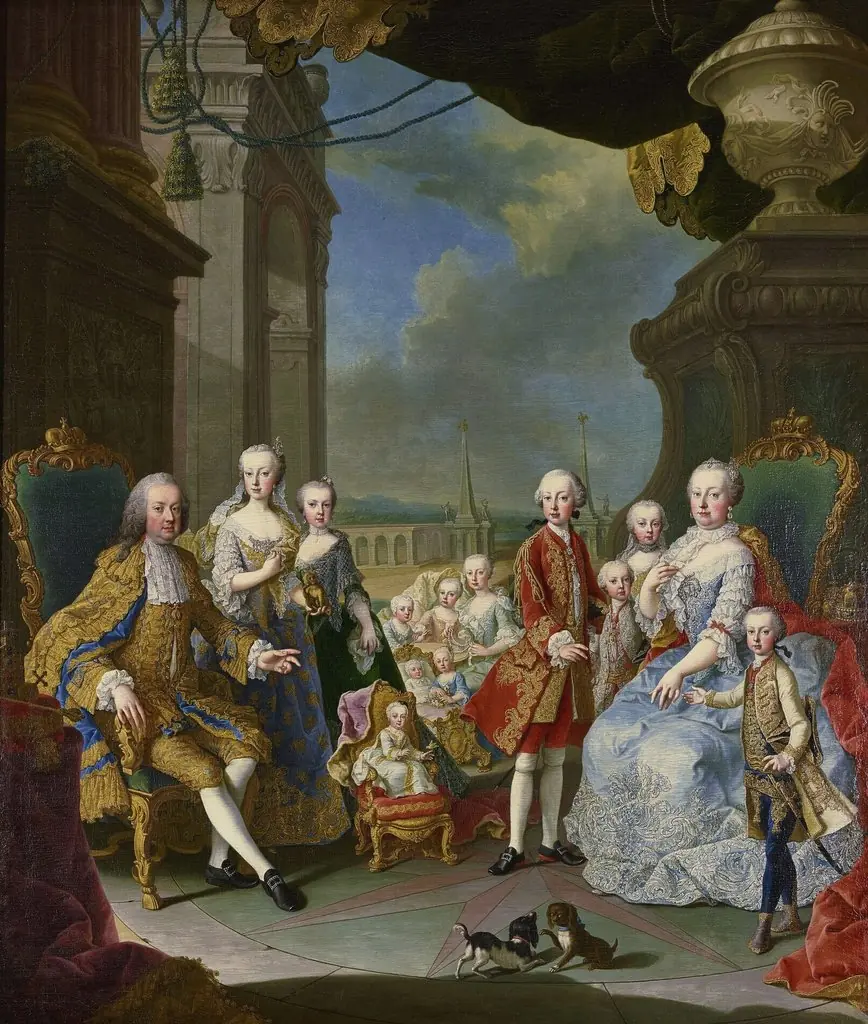 The Imperial family in 1756
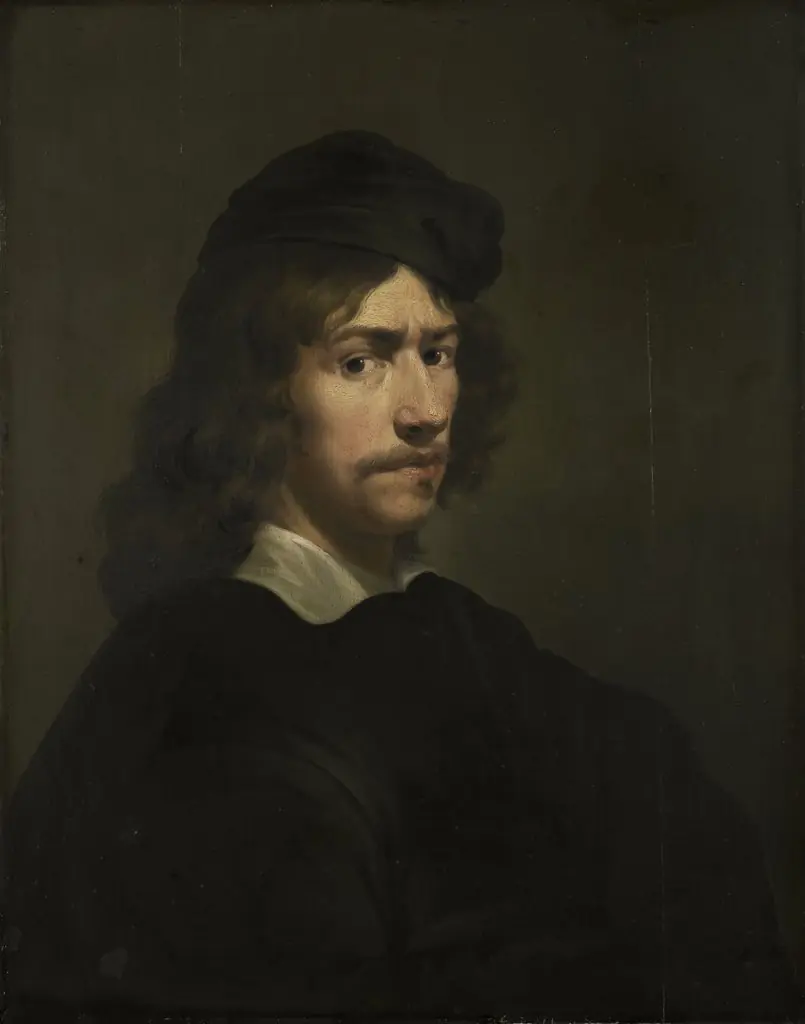 Self portrait
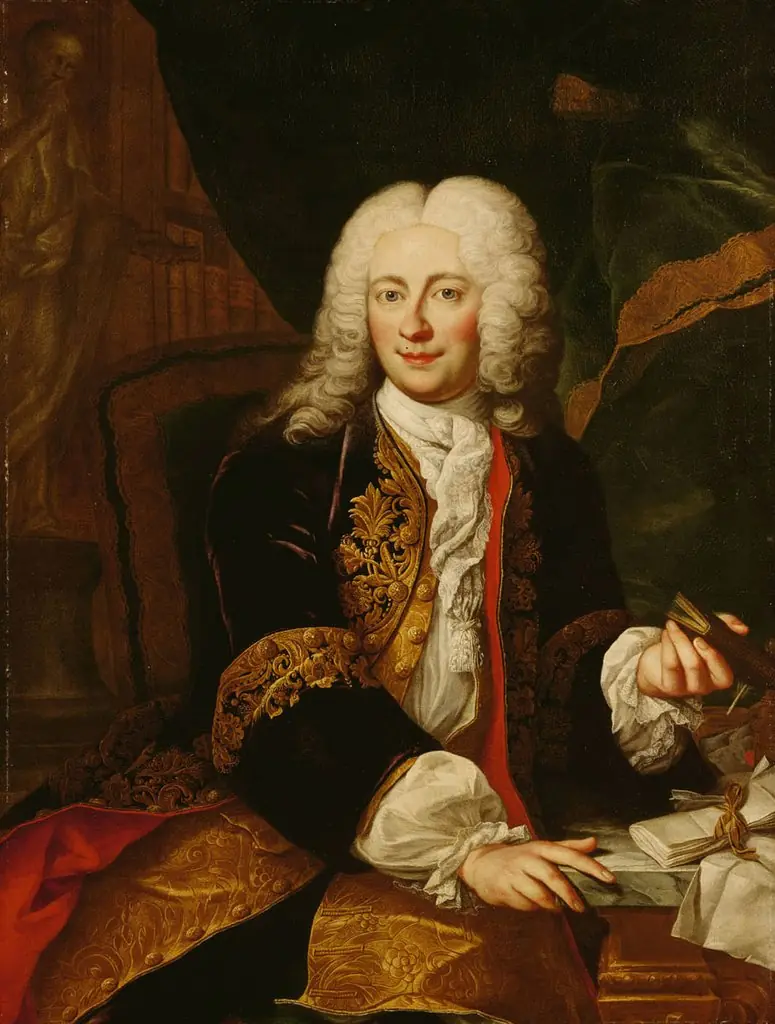 Portrait of Johann Christoph Freiherr von Bartenstein (1689-1767)
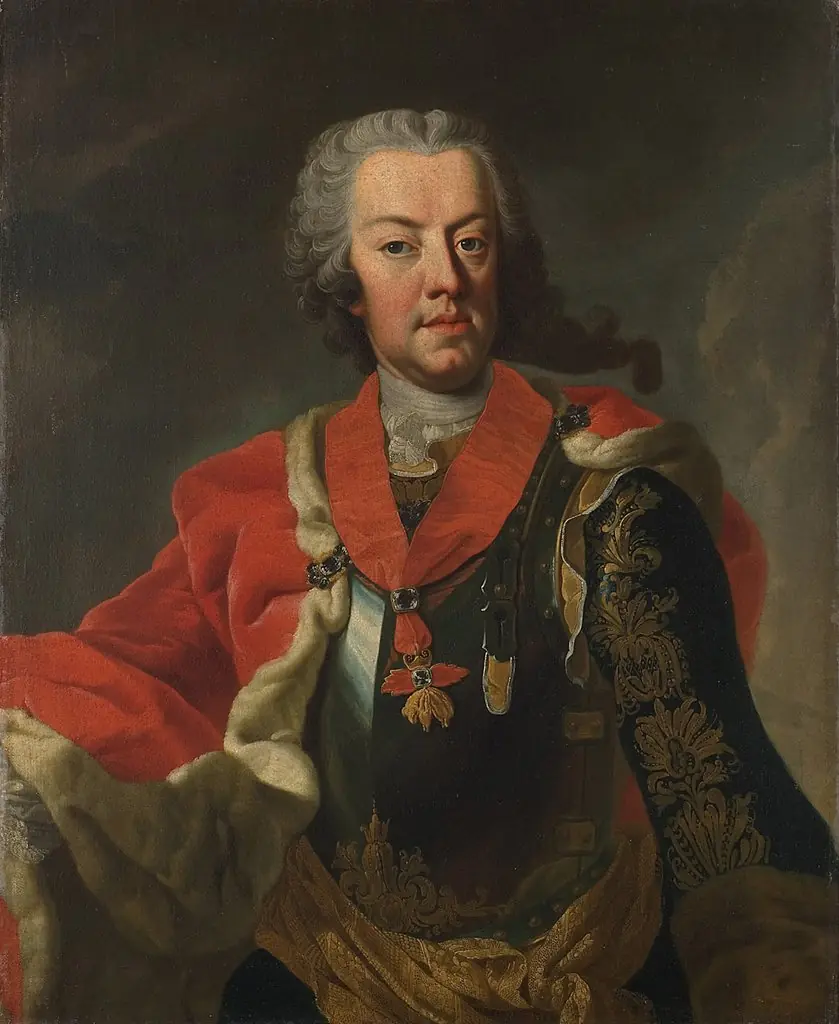 Herzog Karl Alexander von Lothringen (1712-1780), Brustbild
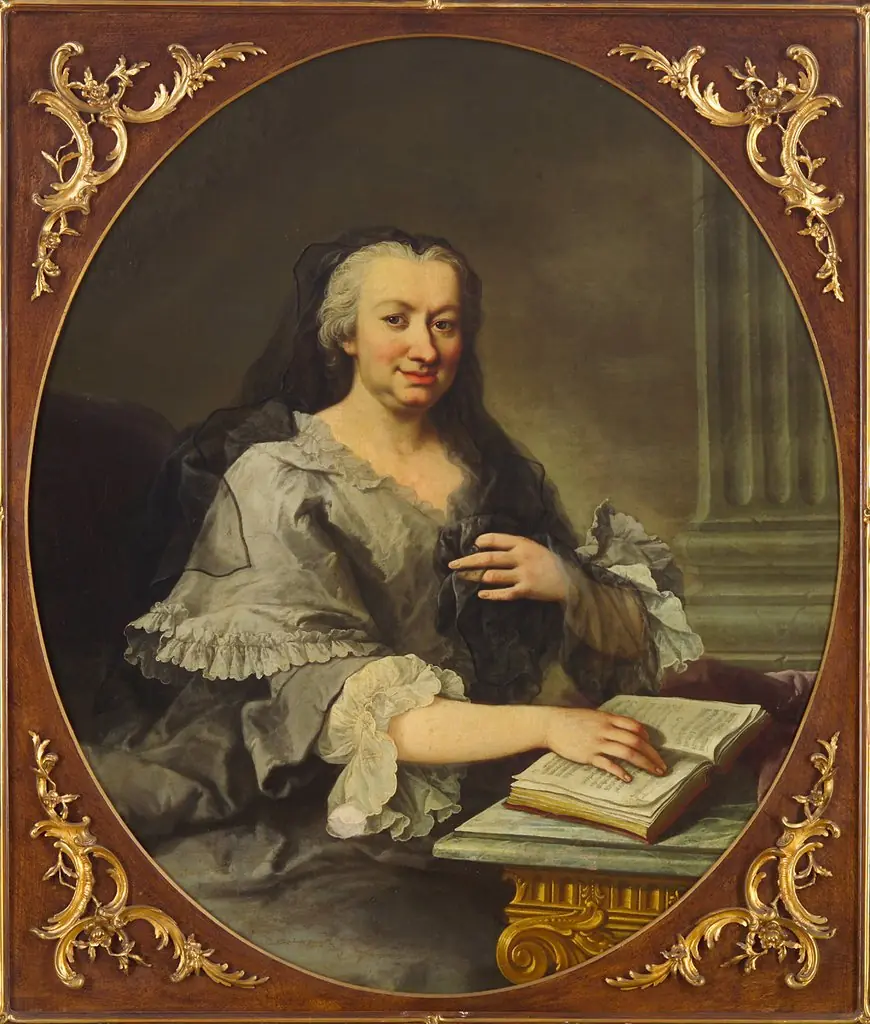 Portrait of Maria Karolina Gräfin Fuchs (1681-1754)
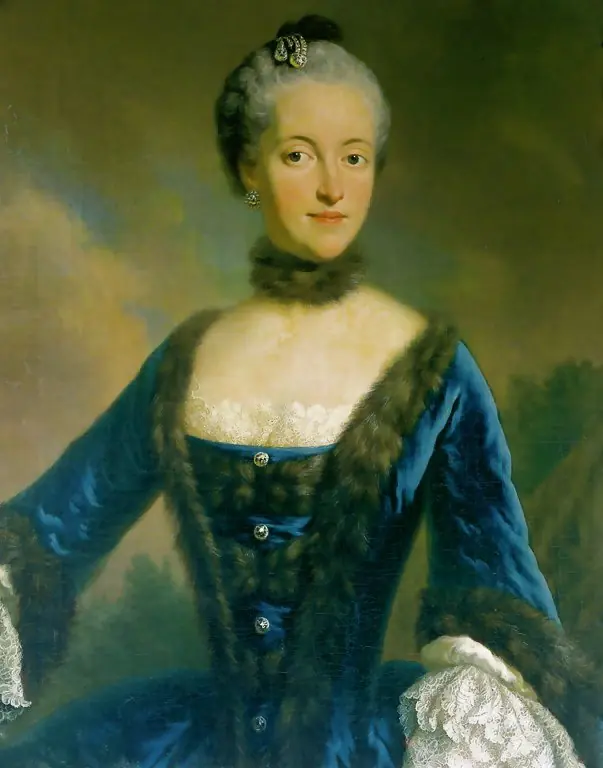 Portrait of Maria Josepha of Bavaria (1739-1767)
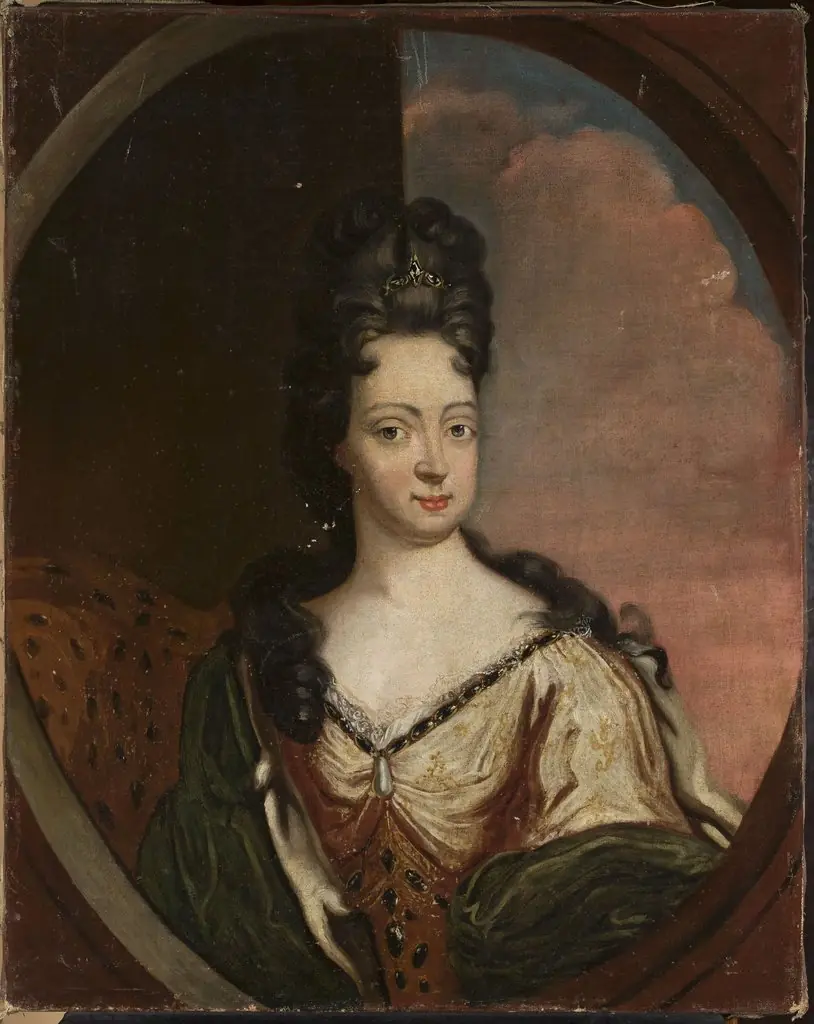 Elisabeth Christine of Brunswick-Wolfenbüttel (1691–1750), wife of emperor Charles VI, against clouds
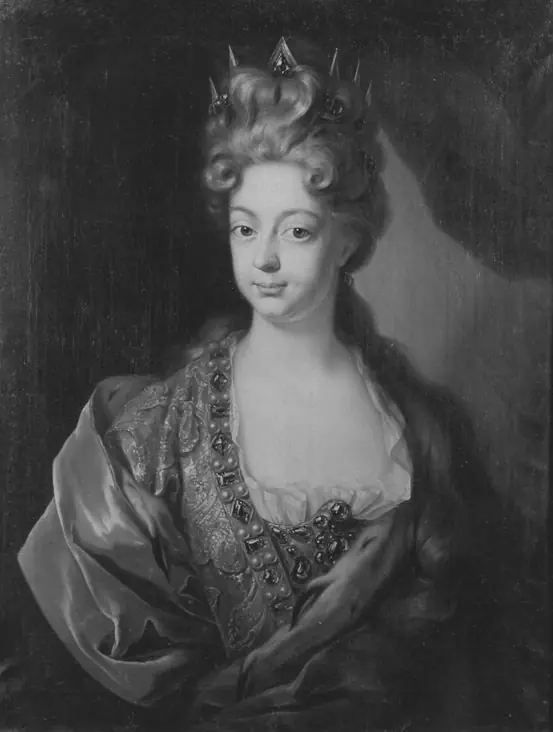 Portrait of Wilhelmine Amalie of Braunschweig-Lüneburg
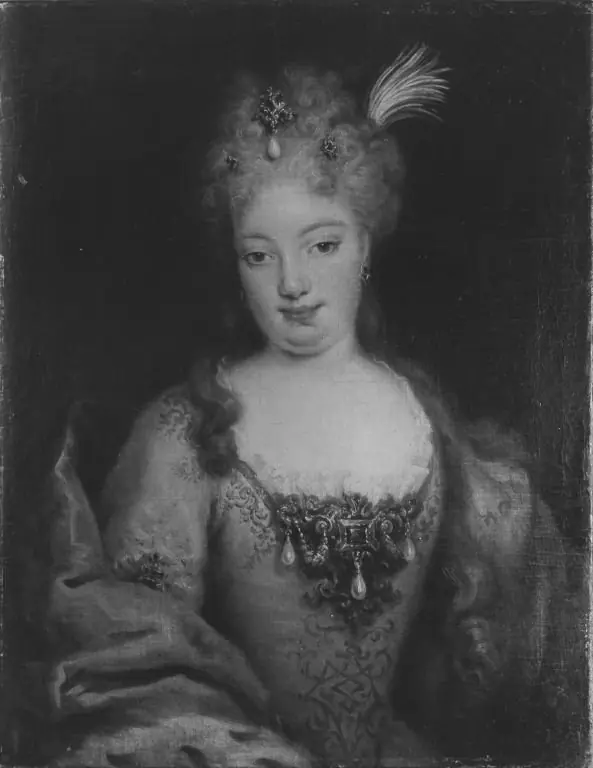 Bildnis einer Fürstin
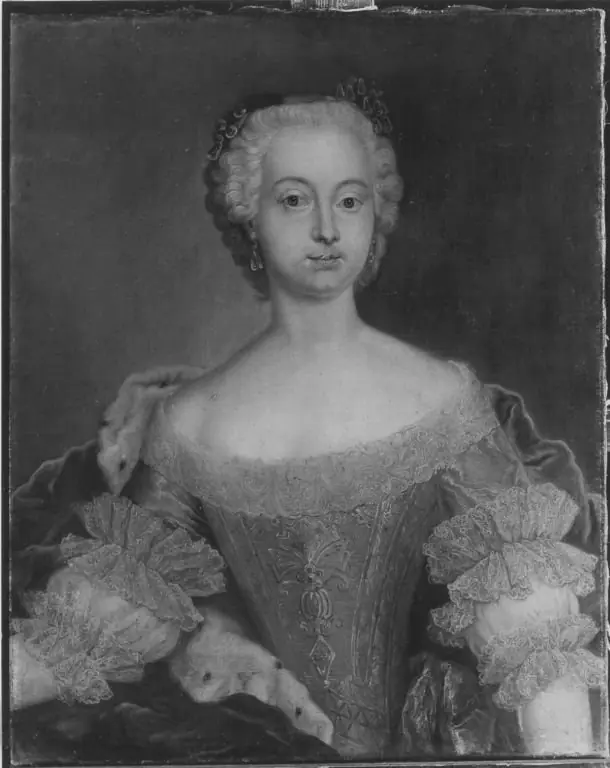 Bildnis einer Fürstin
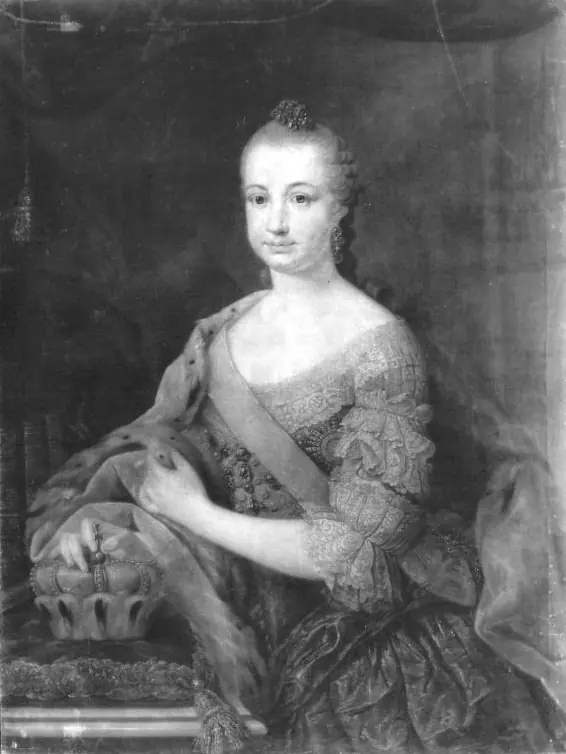 Elisabeth Maria Aloysia Auguste Gemahlin Karl Theodors
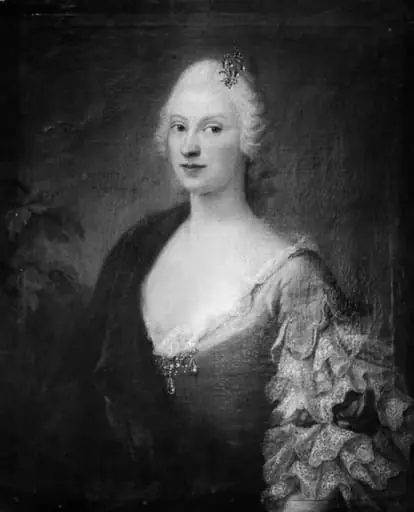 Portræt af fru Adelgunde Elisabeth Amalia von Scholten
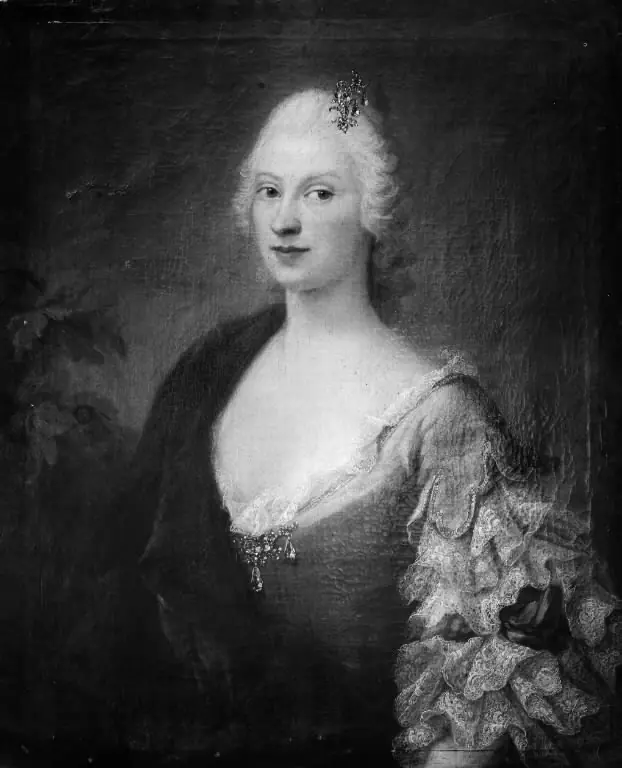 Portræt af fru Adelgunde Elisabeth Amalia von Scholten
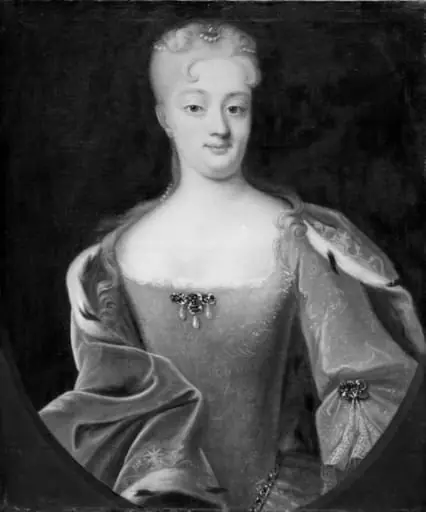 Dronning Sophie Magdalene
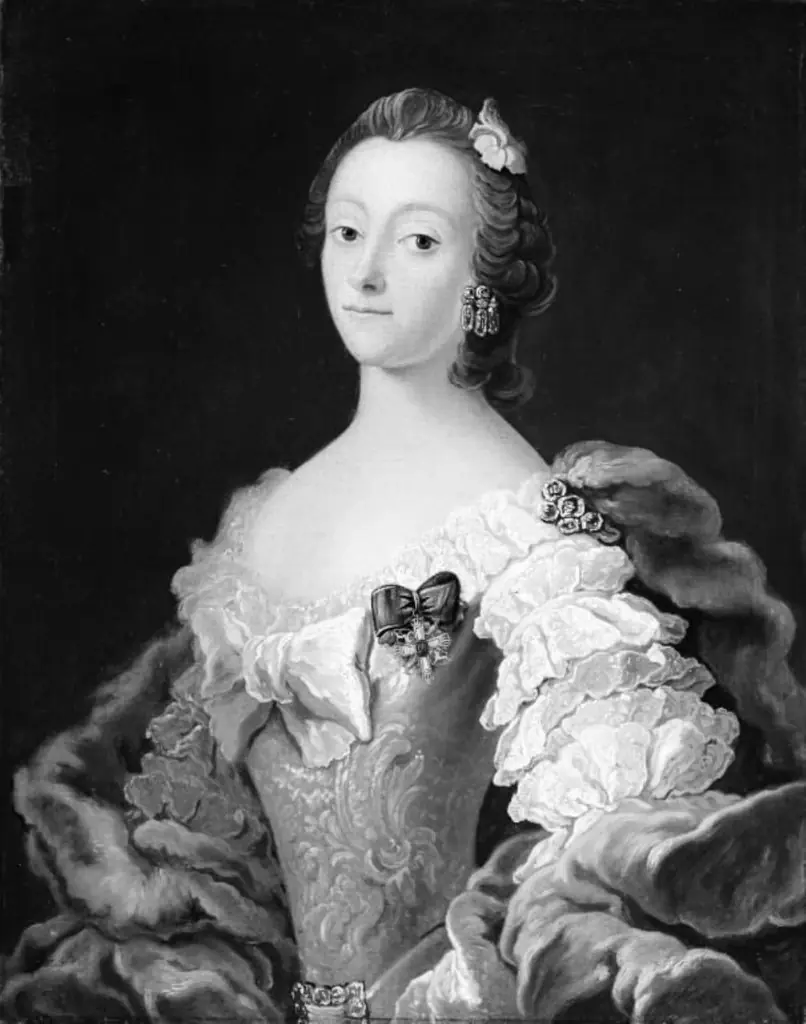 Anna Cathrine Hauch, født von der Maase
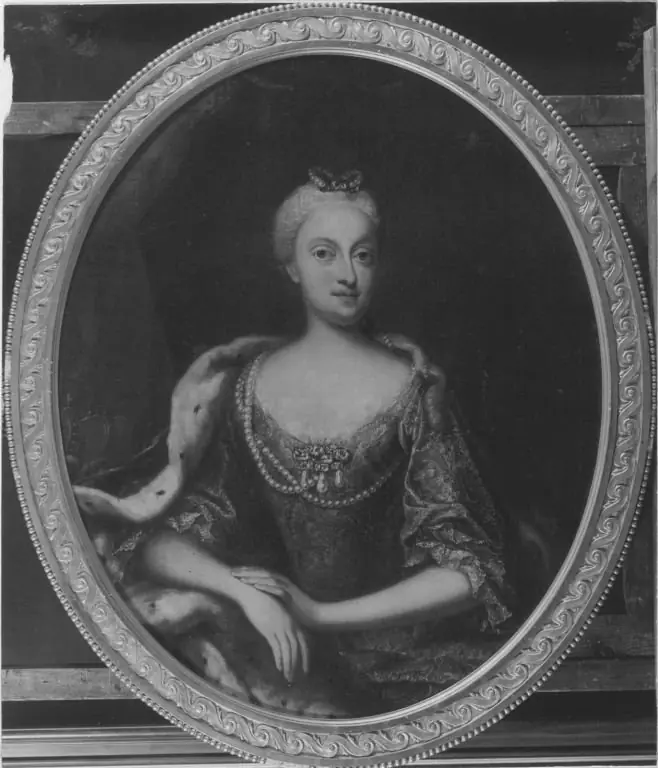 Kaiserin Maria Amalia, Gemahlin Kaiser Karls VII.
 Anna Cathrine Hauch, født von der Maase