Artwork
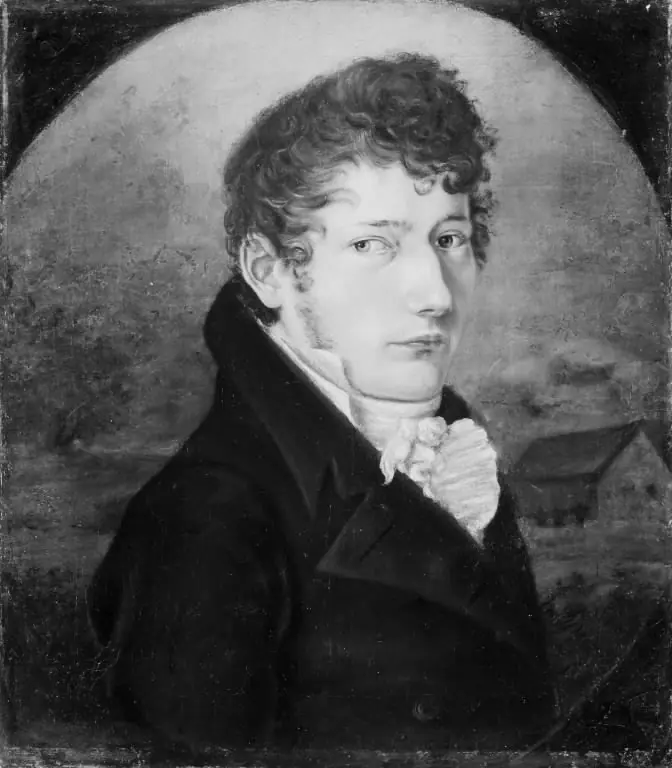
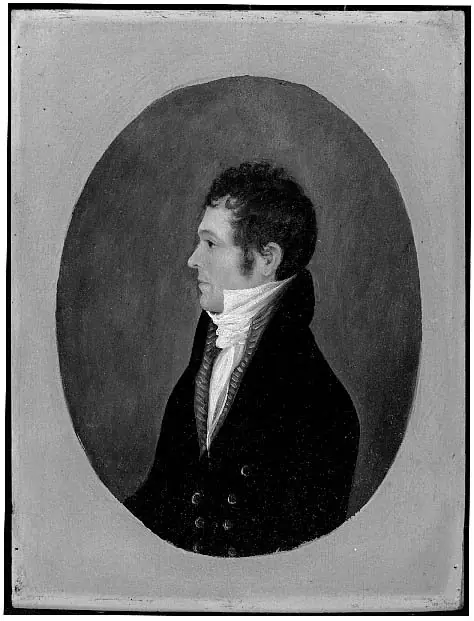
Portrait of a Young Man
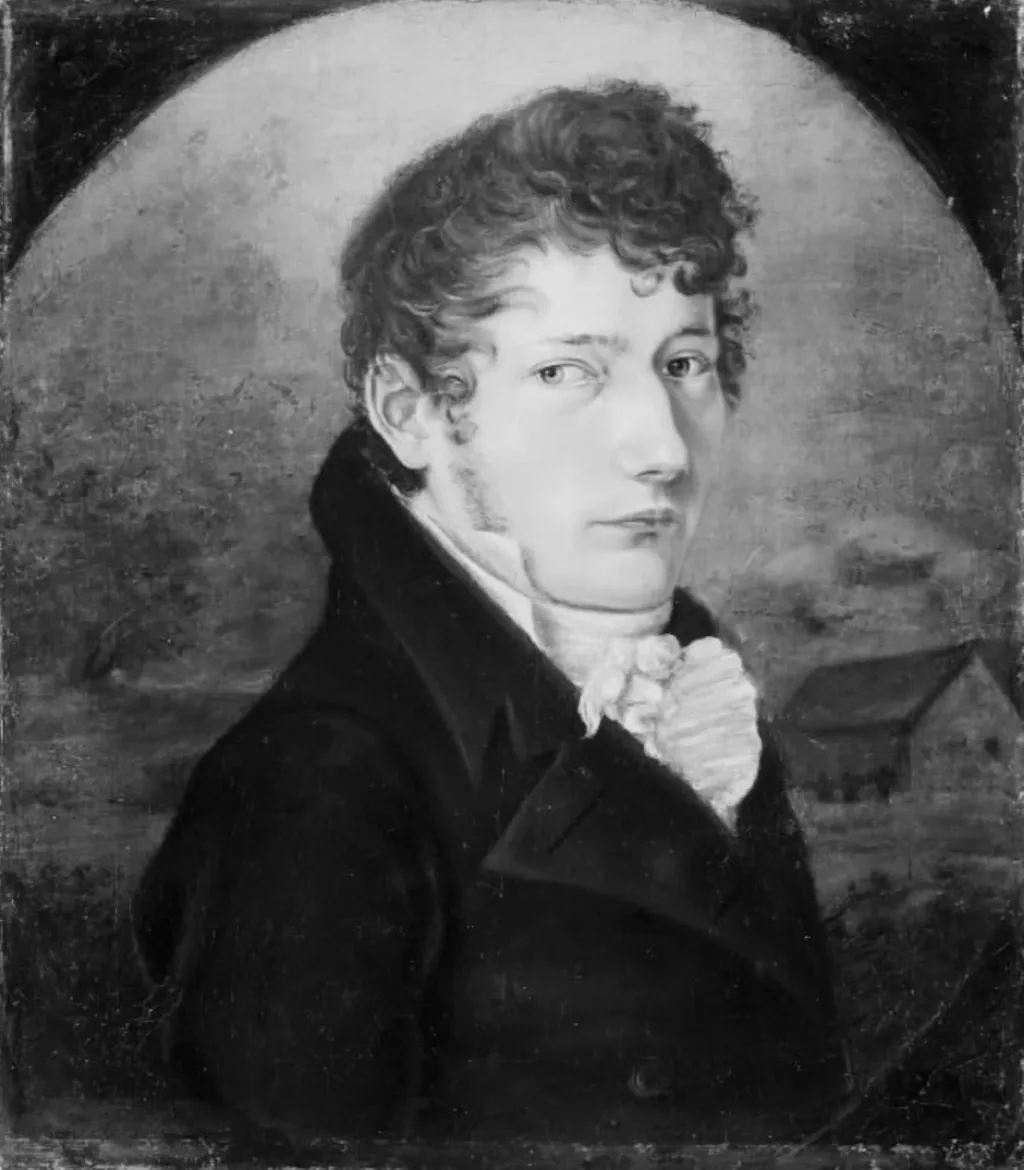
Portrait of a Young Man is an unspecified painting by Unknown. It dates from 1750 and is held in the collection of the Statens Museum for Kunst.
About this work
Overview
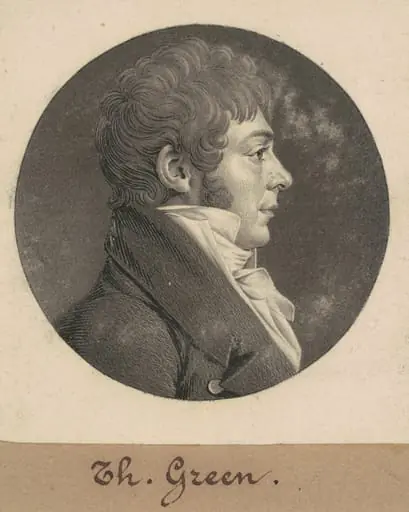
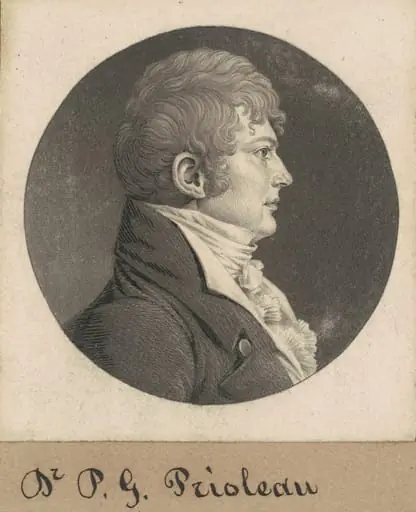
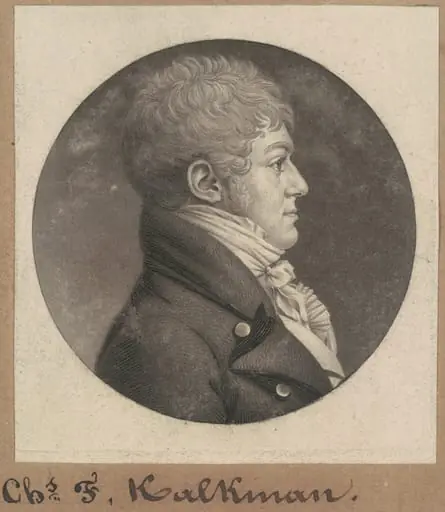
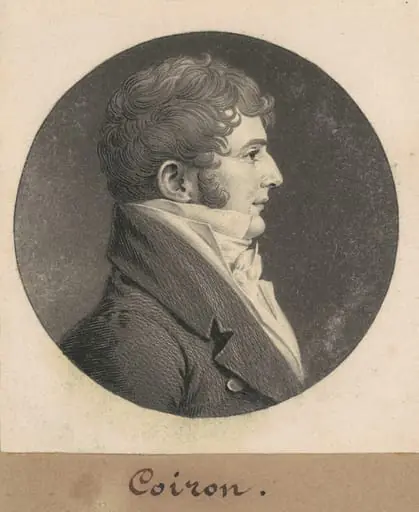
Created around the middle of the eighteenth century, this monochrome portrait presents a young male sitter rendered in a restrained, formal manner.
Created around the middle of the eighteenth century, this monochrome portrait presents a young male sitter rendered in a restrained, formal manner. The work is part of the collection of the Museum of Ethnography, where it is displayed as an example of portraiture from the period. Its composition centers on the figure, with a plain dark backdrop that eliminates distraction and draws attention to the subject’s features.
Subject & Meaning
The sitter appears to be a young man of modest standing, his expression solemn and introspective. Dark, wavy hair frames a face illuminated by a subtle light source, while a high‑collared coat and neatly tied white cravat suggest a concern for contemporary fashion and decorum. The lack of overt symbols leaves his identity ambiguous, inviting viewers to consider the universal qualities of youth and poise.
Technique & Style
The artist employs a careful modulation of light and shadow to model the facial planes, a method known as chiaroscuro. Soft gradations create a sense of depth, making the visage appear three‑dimensional against the flat background. The limited palette of black and white emphasizes tonal contrast rather than color, aligning the work with the broader eighteenth‑century interest in chiaroscuro as a means of dramatic effect.
History & Provenance
Attributed to the artist identified as 1905_person, the portrait dates to circa 1750, though the creator’s full name remains uncertain. It entered the Museum of Ethnography’s holdings through a donation in the early twentieth century, where it has been catalogued as a representative example of period portraiture. Documentation of its ownership prior to acquisition is sparse, reflecting common gaps in the provenance of many works from this era.
Context
During the mid‑1700s, portraiture served both personal commemoration and social assertion, often depicting sitters in contemporary dress to signal status. The use of chiaroscuro in this work connects it to a tradition dating back to Baroque masters, while the restrained composition reflects the Enlightenment’s preference for clarity and rational presentation. The portrait thus embodies both artistic technique and the cultural values of its time.
Artist & collection

 Domestic Scene
 Giacomo and Cardinal Marco, investing Andrea, Abbot of San Zeno, with his Benefice
 The Nymph of Fontainebleau
 Portrait of a Woman
 Madonna and Child with Saints in the Enclosed Garden
 Venus and Minerva
 Family Group of Four on Sofa
 Wall painting from Room H of the Villa of P. Fannius Synistor at Boscoreale