Artwork
John F. Delaplaine
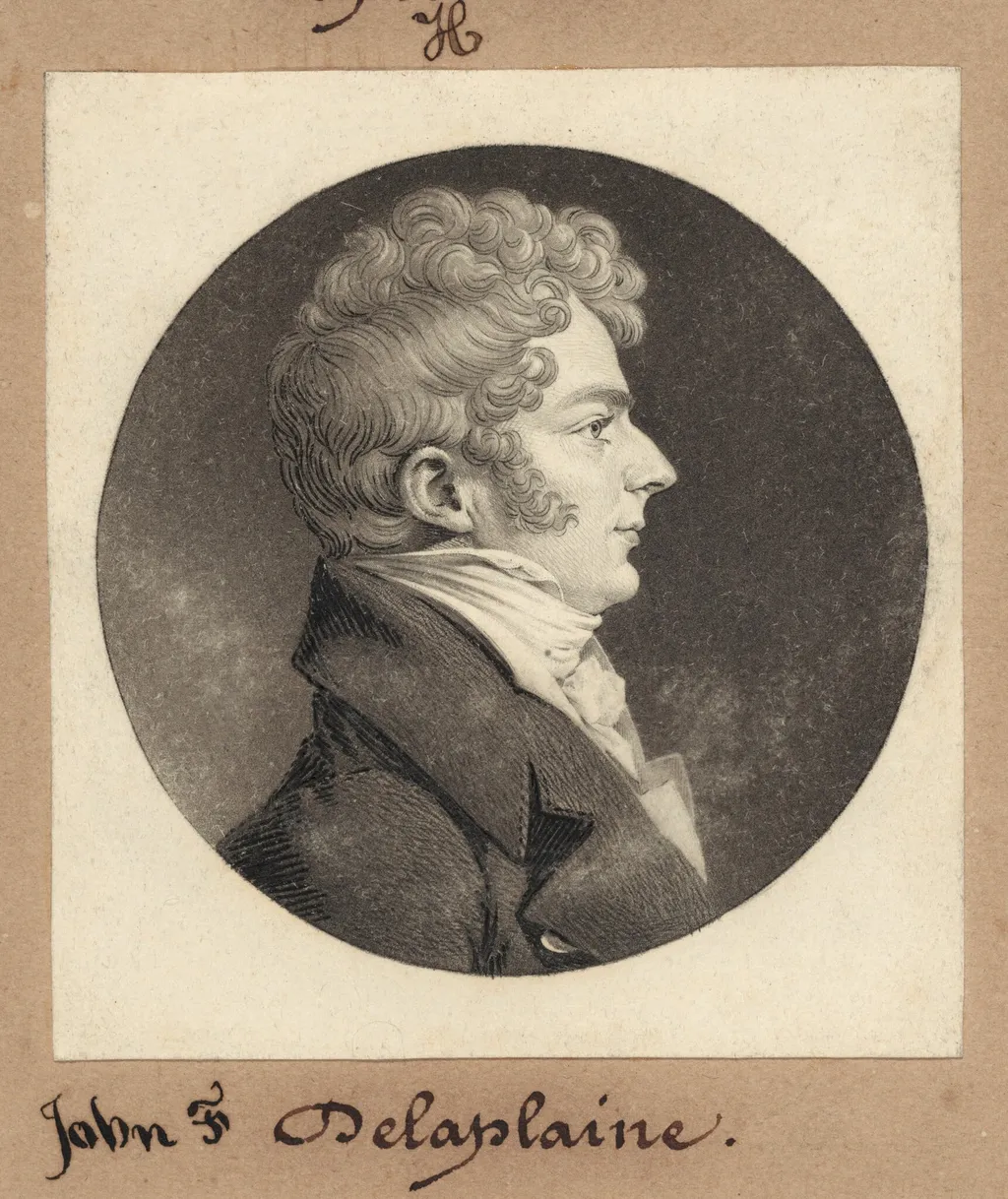
John F. Delaplaine is an ink print by the Romanticist artist Charles Balthazar Julien Févret de Saint-Mémin. It dates from 1810 and is held in the collection of the National Gallery of Art. Created in 1810, this print portrays John F.
About this work
Overview
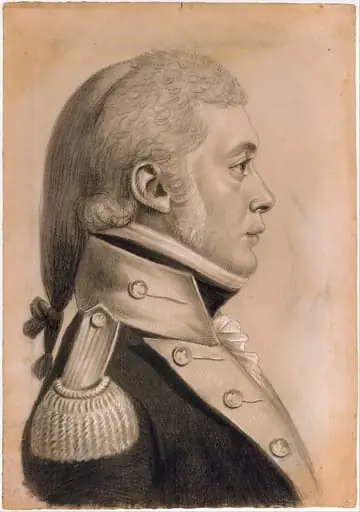
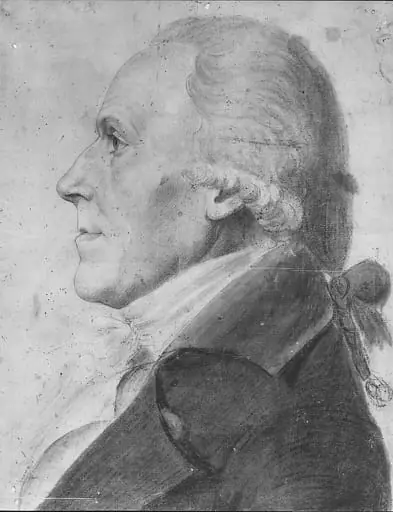
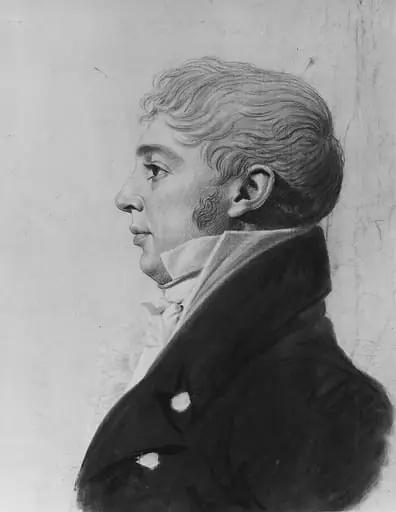
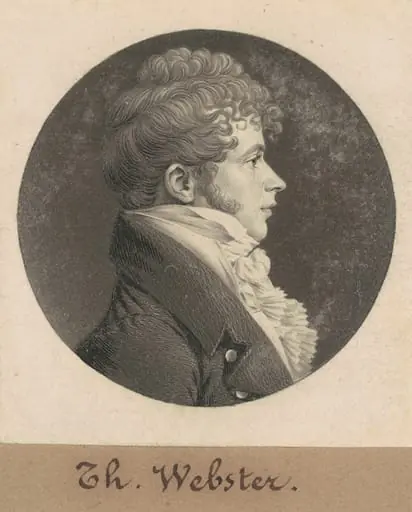
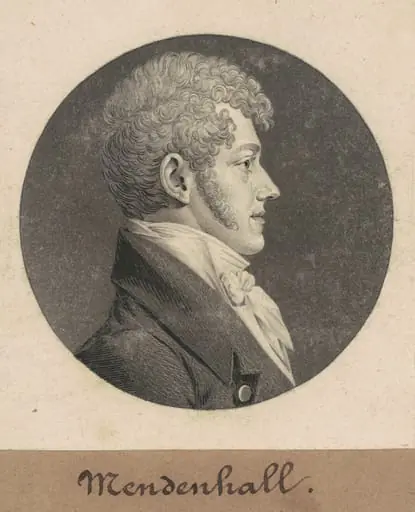
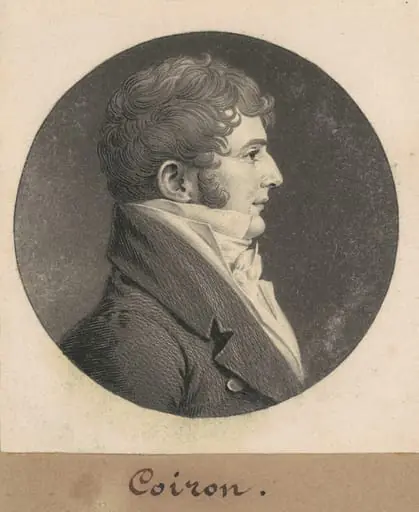
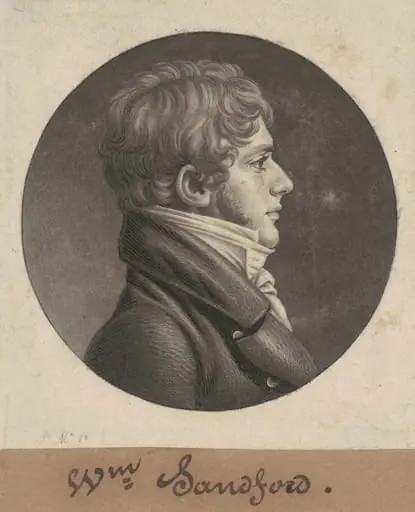
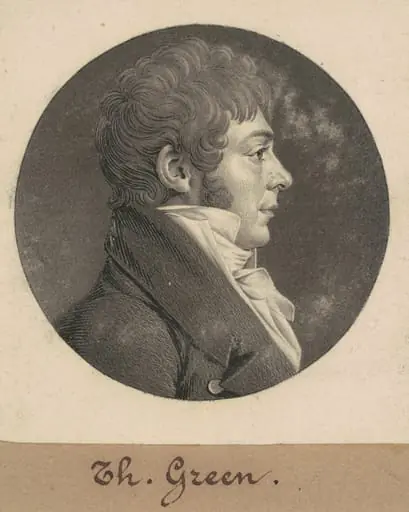
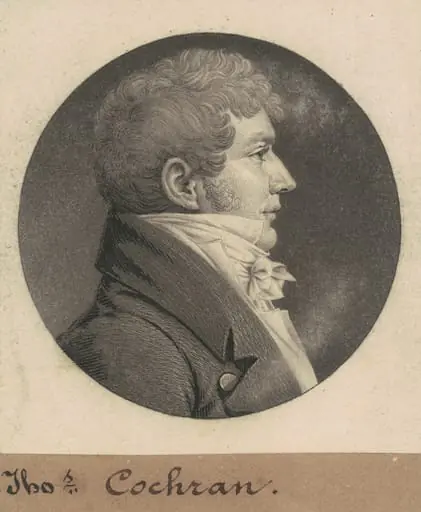
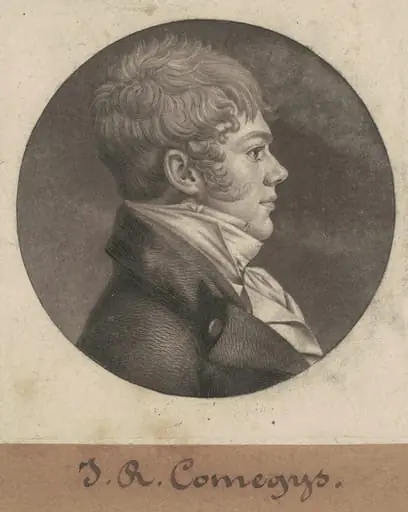
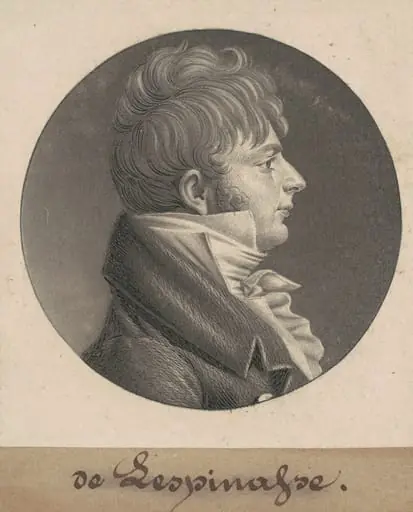
Created in 1810, this print portrays John F. Delaplaine from the shoulders upward. Executed by Charles B. J. Févret de Saint‑Mémin, the work combines mezzotint and engraving on wove paper, later mounted to a brown‑toned sheet. The portrait is held by the National Gallery of Art and presents the sitter in a dark coat over a white shirt against an unadorned background.
Subject & Meaning
The image focuses on Delaplaine’s upper body, emphasizing his calm, serious expression. The plain backdrop eliminates distractions, directing attention to the sitter’s features and attire, suggesting a formal, dignified representation typical of early‑19th‑century portraiture.
Technique & Style
Saint‑Mémin employed mezzotint’s capacity for subtle gradations, using a rocked metal plate to generate velvety shadows that model the face. Engraving lines complement the tonal areas, sharpening details in the coat and shirt. The interplay of deep blacks and soft mid‑tones creates a three‑dimensional effect within the limited palette of black ink.
History & Provenance
The print entered the National Gallery of Art’s collection, though its acquisition path is not detailed in the source. Its 1810 date places it among Saint‑Mémin’s early American portrait prints, produced during his brief stay in the United States after fleeing the French Revolution.
Context
Saint‑Mémin, a French émigré, introduced mezzotint to American portraiture, offering a technique that could render the nuanced lighting favored by contemporary painters. This portrait of Delaplaine reflects the transatlantic exchange of artistic practices in the post‑Napoleonic era, illustrating how European print methods were adapted for American subjects.
Artist & collection

Artist
Charles Balthazar Julien Févret de Saint-Mémin
Charles Balthazar Julien Févret de Saint-Mémin (French pronunciation: ; 1770–1852) was a French portrait painter and museum director.