Artwork
Charles F. Kalkman
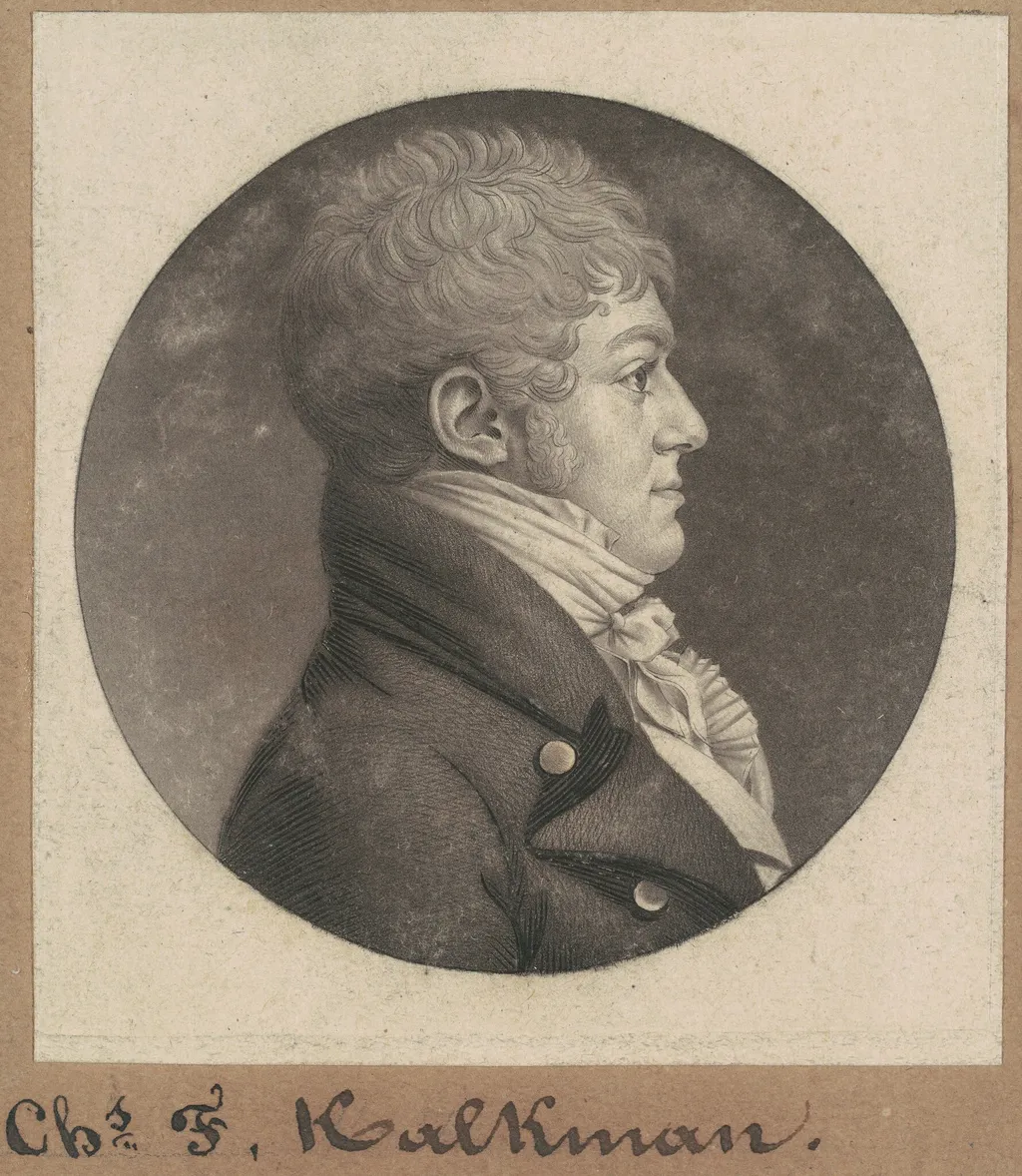
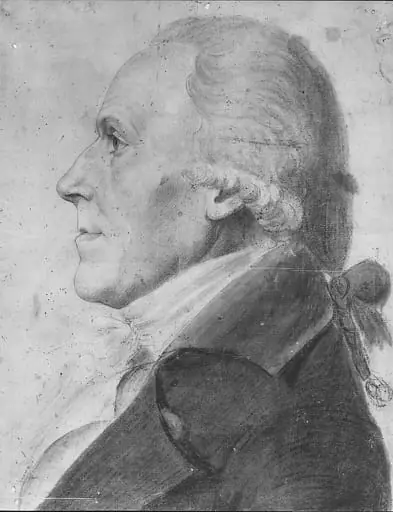
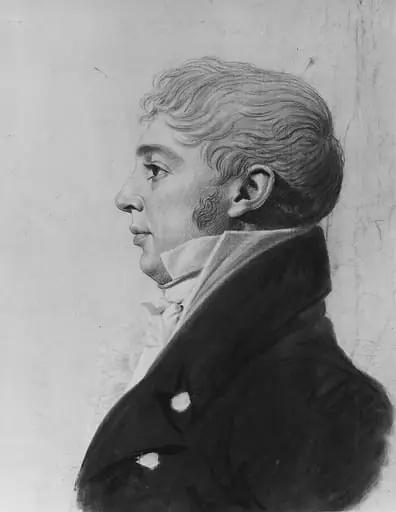
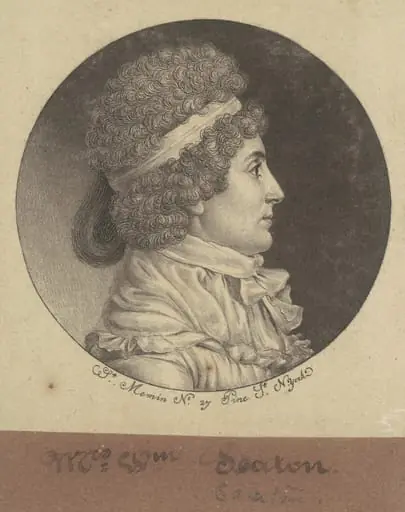
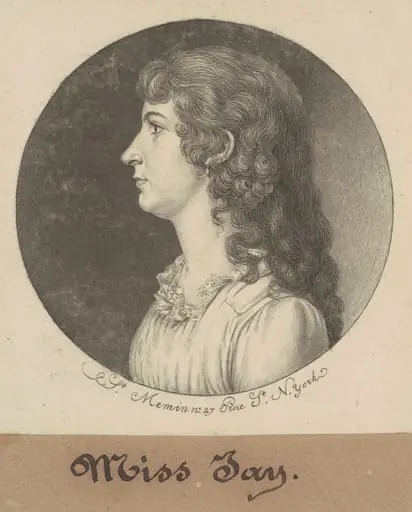
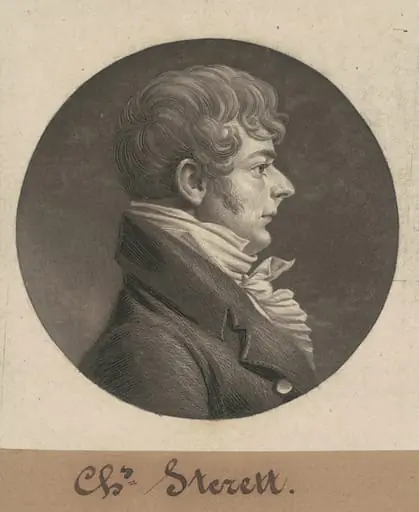
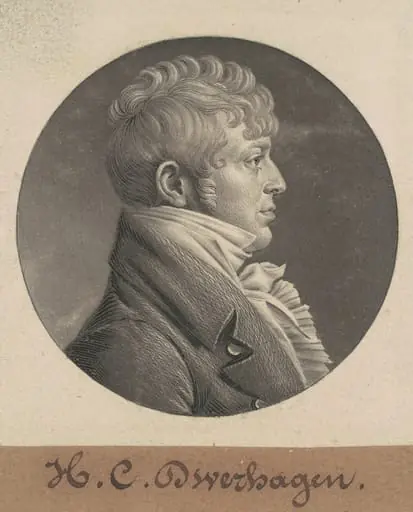
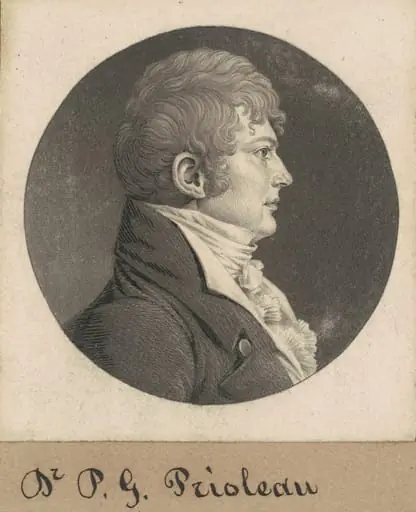
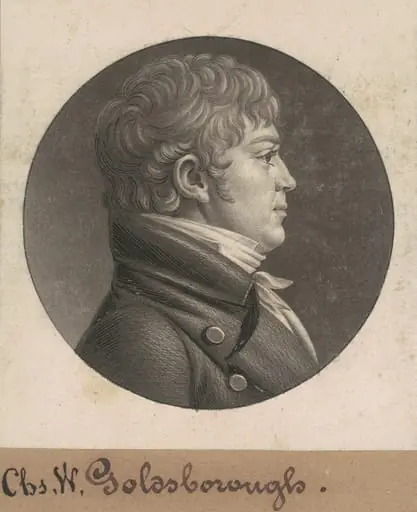
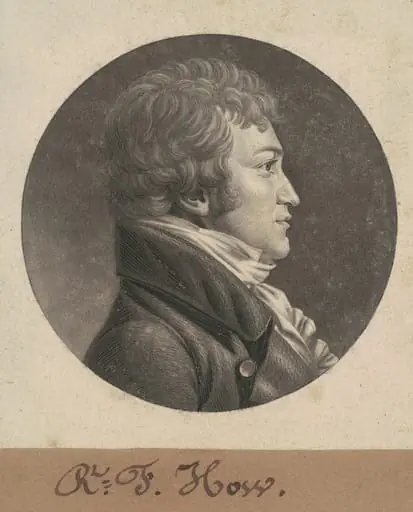
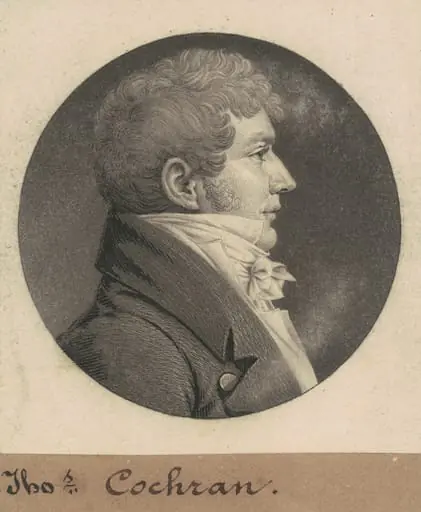
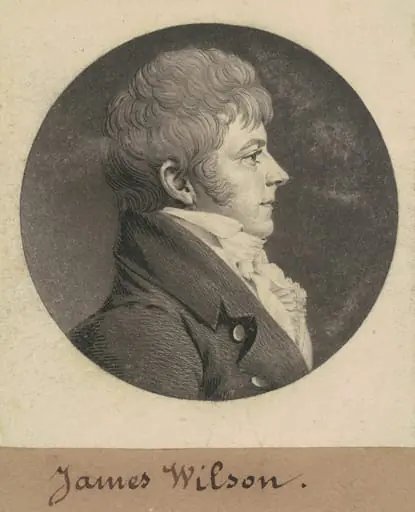
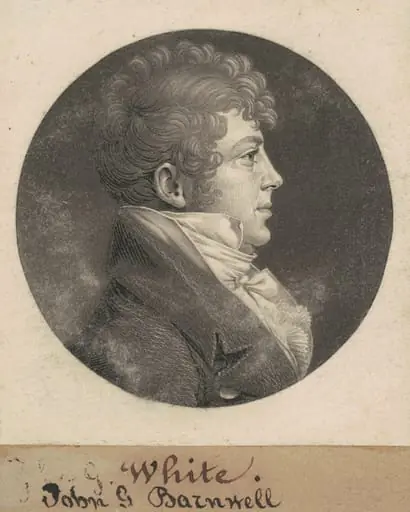
Charles F. Kalkman is an ink print by the Romanticist artist Charles Balthazar Julien Févret de Saint-Mémin. It dates from 1803 and is held in the collection of the National Gallery of Art. This small portrait, created in 1803, depicts Charles F.
About this work
You can learn more about this style of portrait by looking at the work of artist: Saint-Mémin, Charles B.
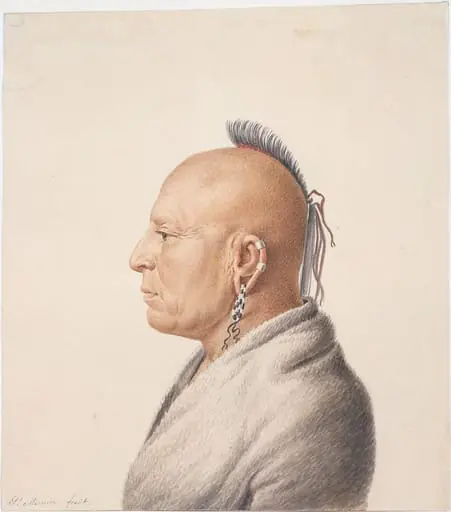
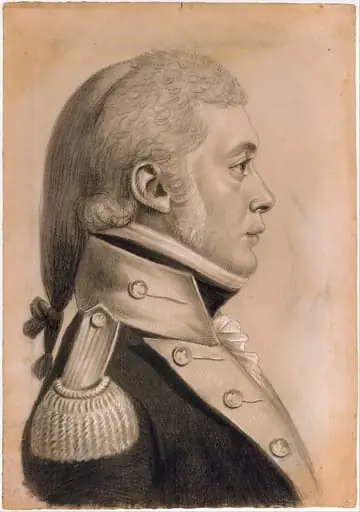
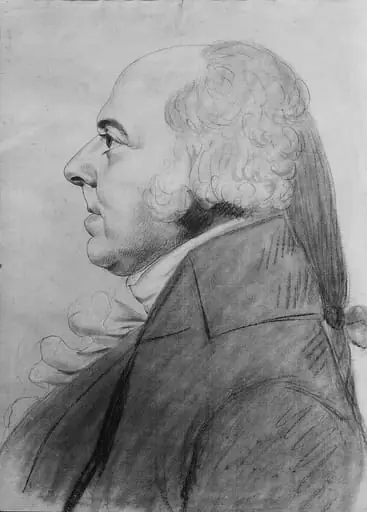
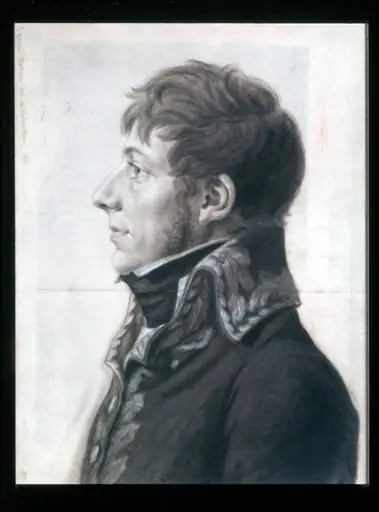
This portrait shows a man in a side profile.
He is wearing a suit and has a serious expression.
The artist used a lot of detail to make the portrait look realistic.
The portrait is small, measuring only 5.72 × 5.56 cm.
It was made in 1803, which makes it a significant piece from the early 19th century.
The artist's use of detail and shading helps to create a sense of depth.
You can learn more about this style of portrait by looking at the work of artist: Saint-Mémin, Charles B. J. Févret de.
Overview
This small portrait, created in 1803, depicts Charles F. Kalkman in side profile. Executed in mezzotint and engraving on wove paper, it is mounted on a brown wove support. Measuring just over five and a half centimeters in both dimensions, the work exemplifies the precision and intimacy characteristic of early 19th-century American portrait prints. Its scale and technique reflect a tradition of refined, small-format likenesses favored for personal and archival use.
Subject & Meaning
Charles F. Kalkman, a figure of modest historical record, is rendered with solemn composure. His formal attire and neutral gaze suggest a professional or civic identity, typical of portraiture intended to convey dignity rather than emotion. The absence of contextual elements focuses attention solely on the individual, aligning with the era’s preference for restrained, character-driven representation in private collections.
Technique & Style
The portrait employs mezzotint for rich tonal gradations and engraving for crisp linear detail, particularly in the texture of the coat and hair. The artist, Charles B. J. Févret de Saint-Mémin, leveraged these methods to achieve a lifelike modeling of form within a compact space. The subtle interplay of light and shadow enhances the three-dimensionality of the face, demonstrating mastery of a labor-intensive process suited to fine portraiture.
History & Provenance
Created in 1803, the print originates from a period when Saint-Mémin was active in the United States, producing portraits of prominent citizens. While specific ownership history is not documented, such works were often commissioned by families or institutions seeking durable, reproducible likenesses. Its survival in good condition suggests careful preservation, likely within private or academic collections focused on early American graphic arts.
Context
In the early 1800s, mezzotint portraiture was a respected medium for capturing individual likenesses before photography. Saint-Mémin, a French émigré, helped establish this technique in America, producing hundreds of similar profiles. This work fits within a broader cultural practice of documenting civic figures through small, finely detailed prints, serving both personal commemoration and nascent national identity formation.
Legacy
The portrait stands as one of many examples of Saint-Mémin’s influential output in American printmaking. Though Kalkman himself is not widely remembered, the work contributes to a visual archive of early American elites and professionals. It remains a reference for understanding the technical capabilities and aesthetic priorities of portrait engraving in the pre-photographic era.
Artist & collection

Artist
Charles Balthazar Julien Févret de Saint-Mémin
Charles Balthazar Julien Févret de Saint-Mémin (French pronunciation: ; 1770–1852) was a French portrait painter and museum director.