Artwork
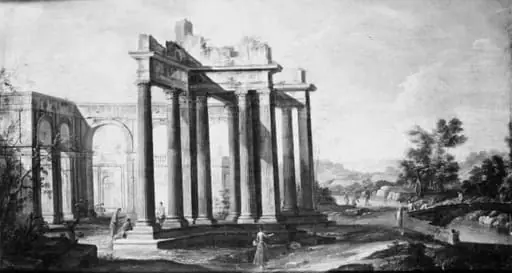
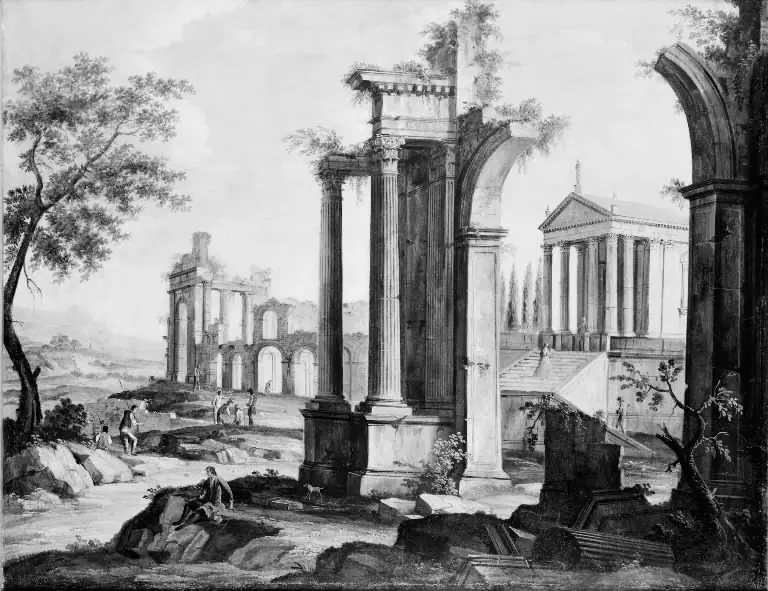
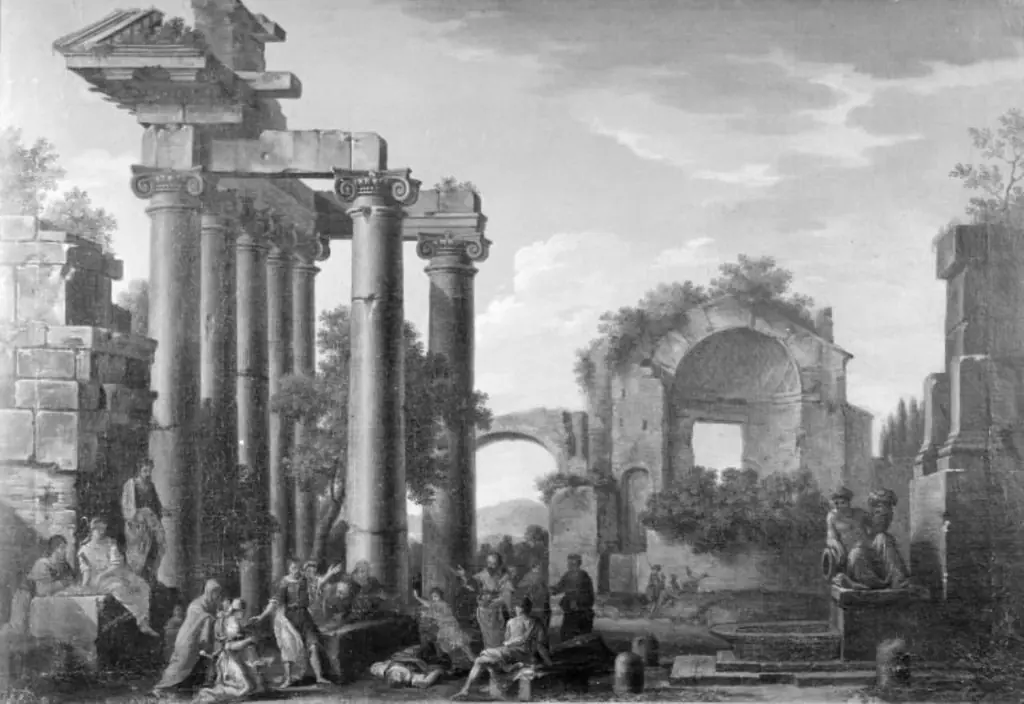
Colonade in Ruins
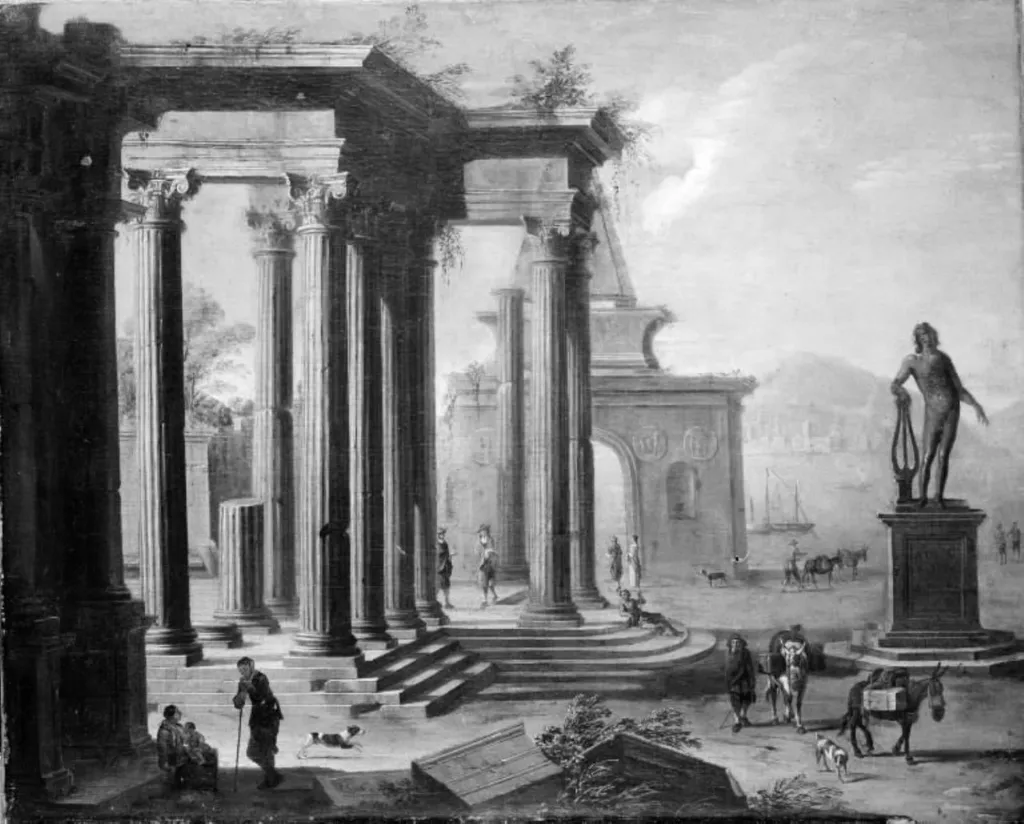
Colonade in Ruins is a photography by Unknown. It dates from 1650 and is held in the collection of the Statens Museum for Kunst.
About this work
Overview
The work is attributed to an artist active in the early to mid-17th century and is currently held in the collection of the Museum of Ethnography.
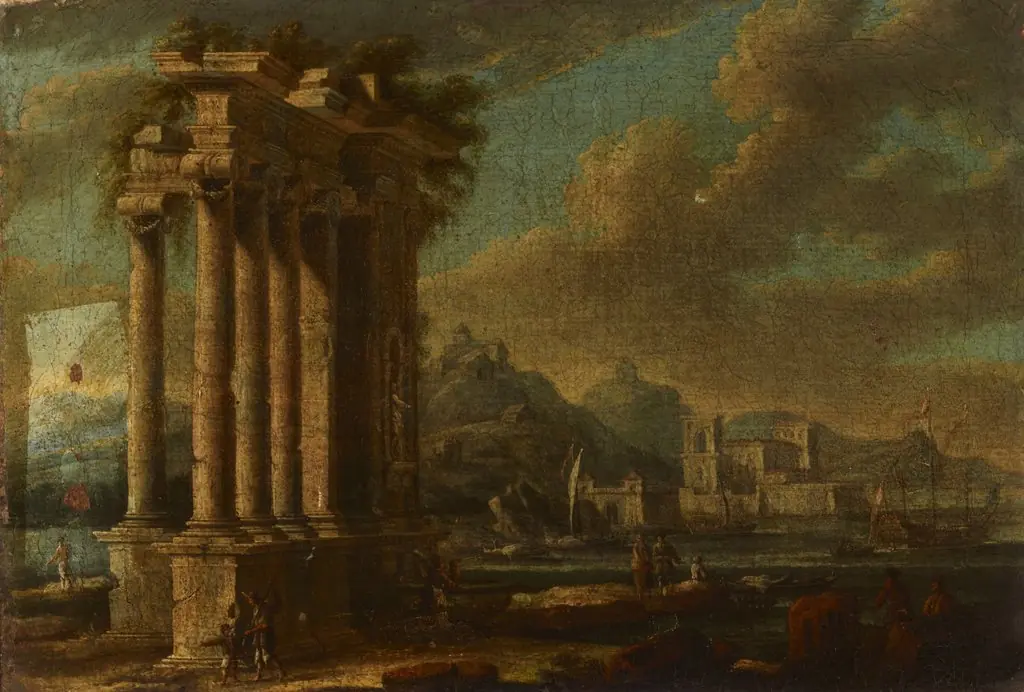
Created around 1650, Colonade in Ruins is a painted depiction of an ancient architectural structure in a state of disrepair. The work is attributed to an artist active in the early to mid-17th century and is currently held in the collection of the Museum of Ethnography. It presents a contemplative view of classical ruins, blending observed reality with imagined antiquity, typical of period interest in the passage of time and the remnants of past civilizations.
Subject & Meaning
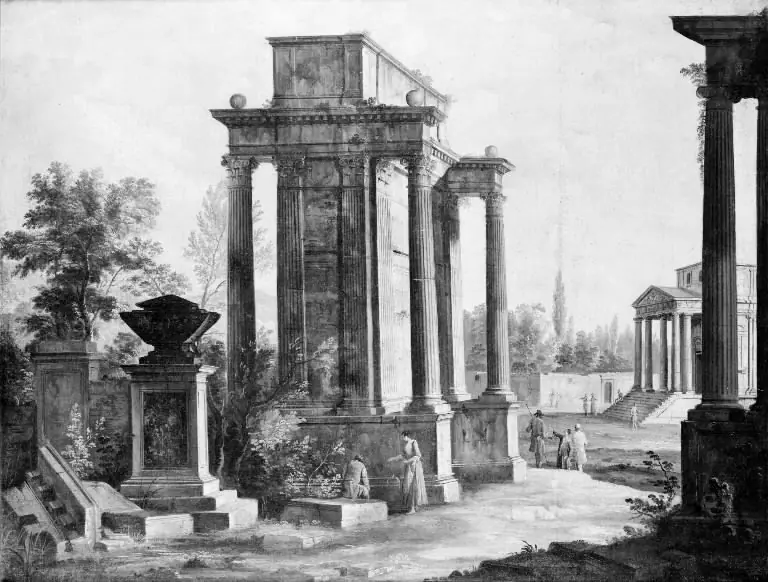
The scene centers on a decaying colonnade, its slender columns adorned with ornate capitals, surrounded by vegetation reclaiming the stone. Figures in the foreground engage in mundane activities, contrasting with the silent grandeur of the ruins. A solitary statue on a pedestal in the distance suggests lost cultural memory. The composition invites reflection on impermanence, the quiet erosion of power, and the persistence of daily life amid historical decay.
Technique & Style
The artist employs chiaroscuro to model forms and create spatial depth, with strong contrasts between light and shadow enhancing the texture of weathered stone and foliage. The architectural details are rendered with precision, reflecting familiarity with classical forms, while the brushwork remains restrained. The style aligns with Northern European traditions of topographical painting, merging documentary observation with a poetic sense of melancholy.
History & Provenance
The painting entered the Museum of Ethnography’s collection in the late 19th century, likely acquired during a period of expanded ethnographic and antiquarian collecting. Its origins prior to that are undocumented, though its subject matter suggests it may have been produced in the Netherlands or Flanders, where such ruin scenes were popular among collectors interested in classical antiquity and moral allegory.
Context
In mid-17th-century Europe, depictions of ancient ruins flourished as symbols of the transience of human achievement. Artists drew inspiration from Roman remains and literary traditions, often embedding moral or philosophical themes. Colonade in Ruins reflects this trend, aligning with works by contemporaries who used architecture not merely as setting but as a vessel for contemplating time, empire, and human humility.
Legacy
The painting contributes to a broader visual language of ruin that influenced later landscape and historical painting. While not widely exhibited, its quiet composition and restrained emotion offer insight into how 17th-century viewers perceived antiquity—not as heroic relic, but as a quiet, overgrown testament to change. It remains a subtle example of how art mediated cultural memory in an era of rediscovery and reflection.
Artist & collection

 Domestic Scene
 Giacomo and Cardinal Marco, investing Andrea, Abbot of San Zeno, with his Benefice
 The Nymph of Fontainebleau
 Portrait of a Woman
 Madonna and Child with Saints in the Enclosed Garden
 Venus and Minerva
 Family Group of Four on Sofa
 Wall painting from Room H of the Villa of P. Fannius Synistor at Boscoreale