Artwork
Two Witches Fighting
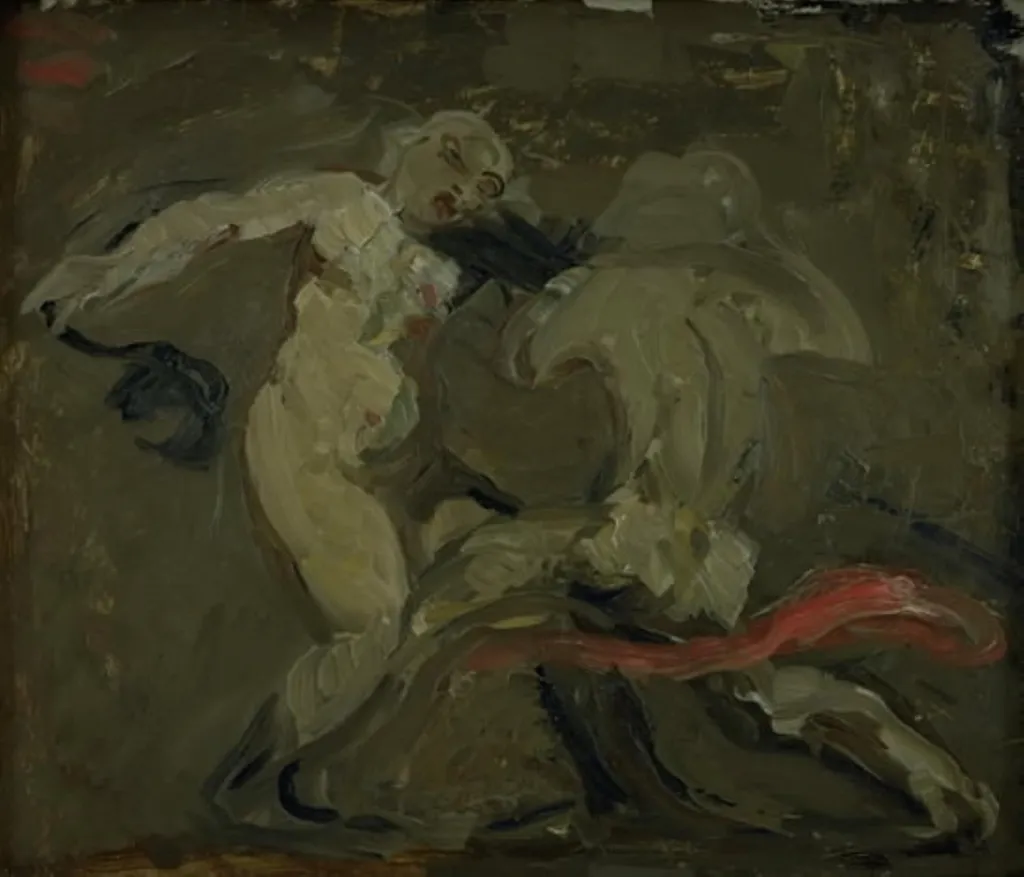
Two Witches Fighting is a photography by Unknown. It dates from 1901 and is held in the collection of the Statens Museum for Kunst.
About this work
Overview
Created around 1901, 'Two Witches Fighting' is a painted image attributed to 194_person. It resides in the collection of the Museum of Ethnography. The composition depicts two indistinct figures in violent motion, rendered with a coarse, tactile surface. The lack of clear detail and the dominance of shadow suggest an emphasis on emotional intensity over literal representation.
Subject & Meaning
The figures, interpreted as witches, are locked in a struggle that evokes ritual or supernatural conflict. Their identities are obscured, reinforcing ambiguity and mystery. The red cloth may symbolize blood, power, or danger, contrasting with the muted tones of the other figure’s robe. The scene resists clear narrative, inviting interpretation rooted in folklore or psychological tension.
Technique & Style
The artist applied paint thickly, creating a heavily textured surface characteristic of impasto. Brushstrokes are visible and forceful, contributing to a sense of raw energy. Color is used sparingly but strategically—the red cloth stands out against a dark, neutral background. The blurred forms and lack of defined edges enhance the painting’s primal, almost chaotic atmosphere.
History & Provenance
The work was likely produced in the early 20th century and entered the Museum of Ethnography’s collection shortly thereafter. Its origins remain undocumented beyond the artist’s name and date. No exhibition history or prior ownership records are publicly available, suggesting it was acquired directly from the artist or an early collector with ties to ethnographic interests.
Context
Created during a period when European artists increasingly turned to myth, folklore, and the subconscious, the painting aligns with broader Symbolist and Expressionist tendencies. Its focus on the occult and emotional intensity reflects contemporary fascination with the unseen forces shaping human experience, though it diverges from academic norms through its rough execution.
Legacy
Though not widely reproduced or studied, the work remains a notable example of early modernist experimentation with emotional expression through texture and abstraction. Its presence in an ethnographic museum underscores its perceived connection to cultural beliefs beyond Western realism. It continues to provoke discussion on how art conveys mythic themes without literal clarity.
Artist & collection

 Domestic Scene
 Giacomo and Cardinal Marco, investing Andrea, Abbot of San Zeno, with his Benefice
 The Nymph of Fontainebleau
 Portrait of a Woman
 Madonna and Child with Saints in the Enclosed Garden
 Venus and Minerva
 Family Group of Four on Sofa
 Wall painting from Room H of the Villa of P. Fannius Synistor at Boscoreale
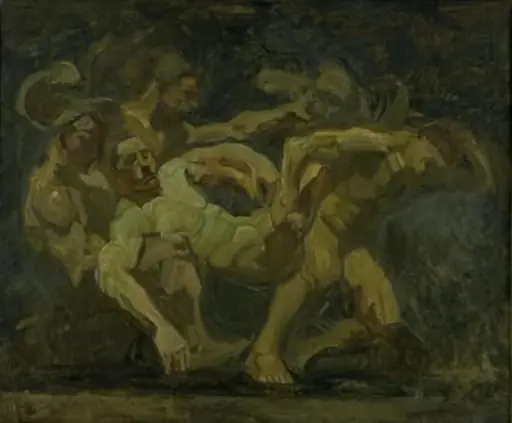 The Fight for the Corpse of Patroclus
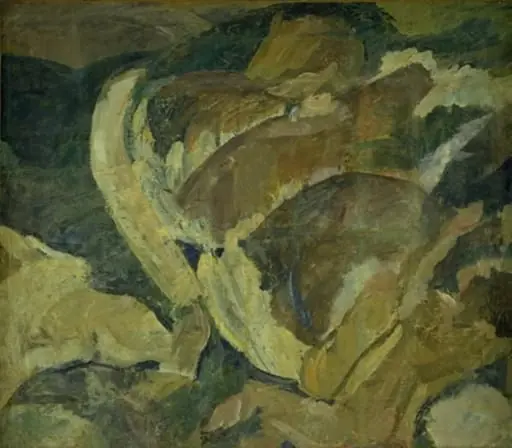 Nereids and Tritions
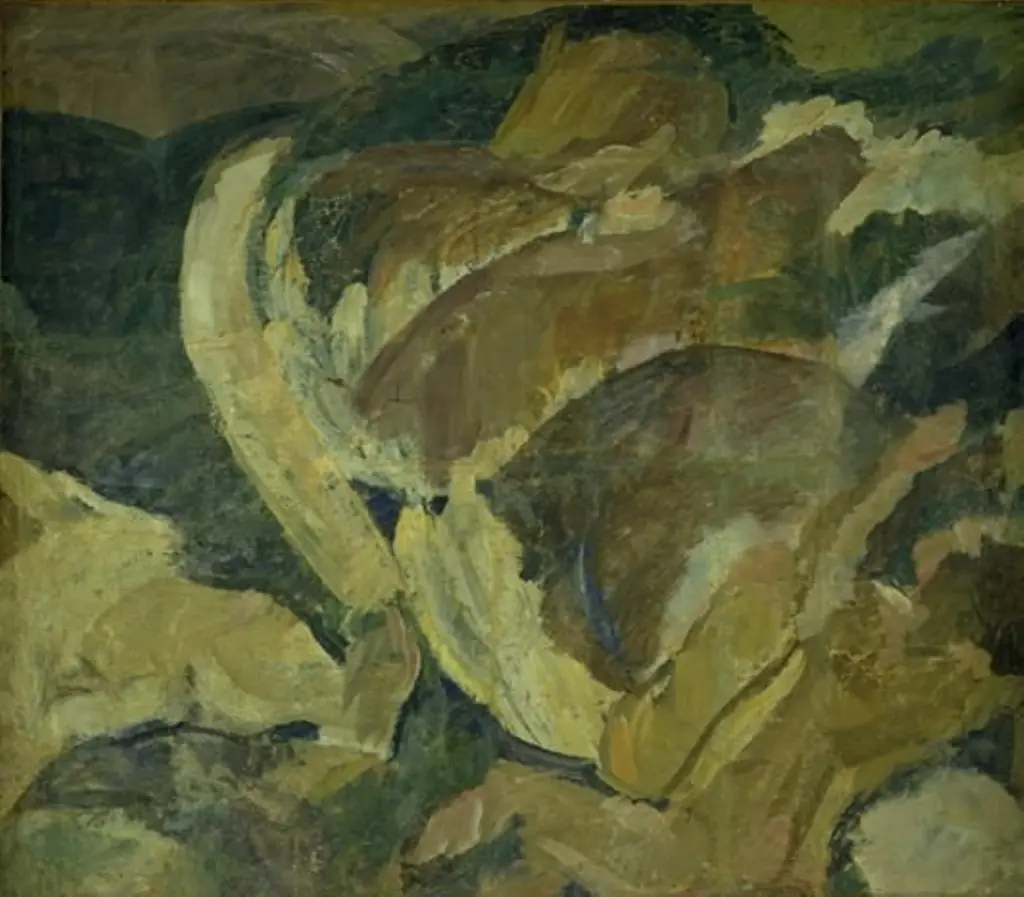 Nereids and Tritions
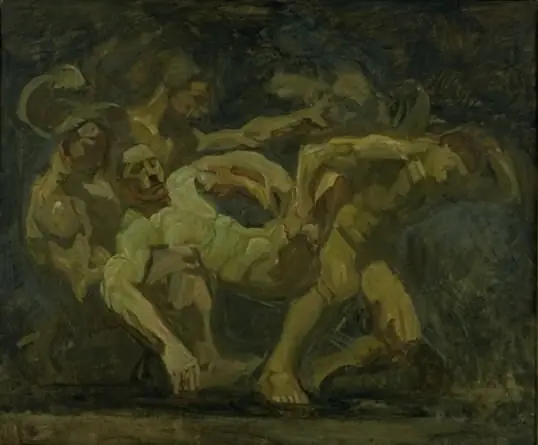 The Fight for the Corpse of Patroclus
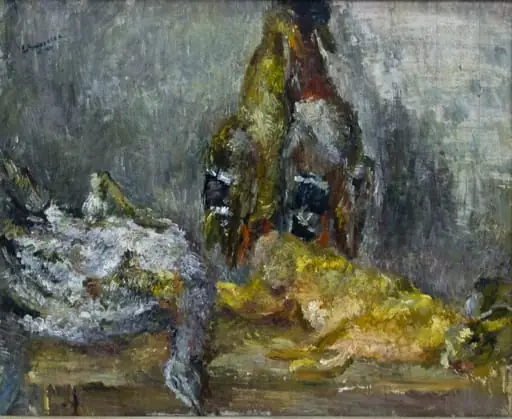 Vânat (Natură moartă)
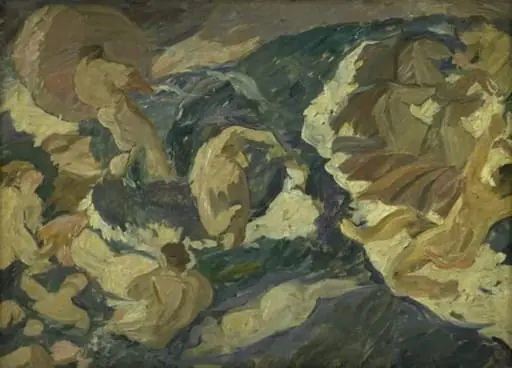 Poseidon Rushing over the Sea Surrounded by Nereids and Tritons
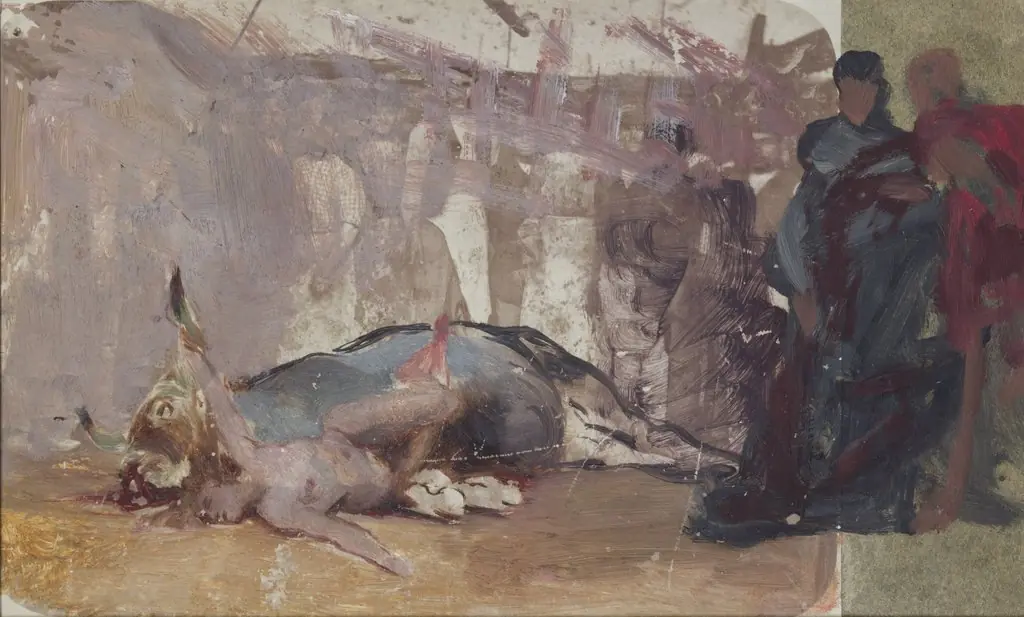 Study to the Painting "Christian Dirce"
 Josef and Potifar's Wife
 Untitled
 Poseidon Rushing over the Sea Surrounded by Nereids and Tritons