Artwork
Apollo and Marsyas
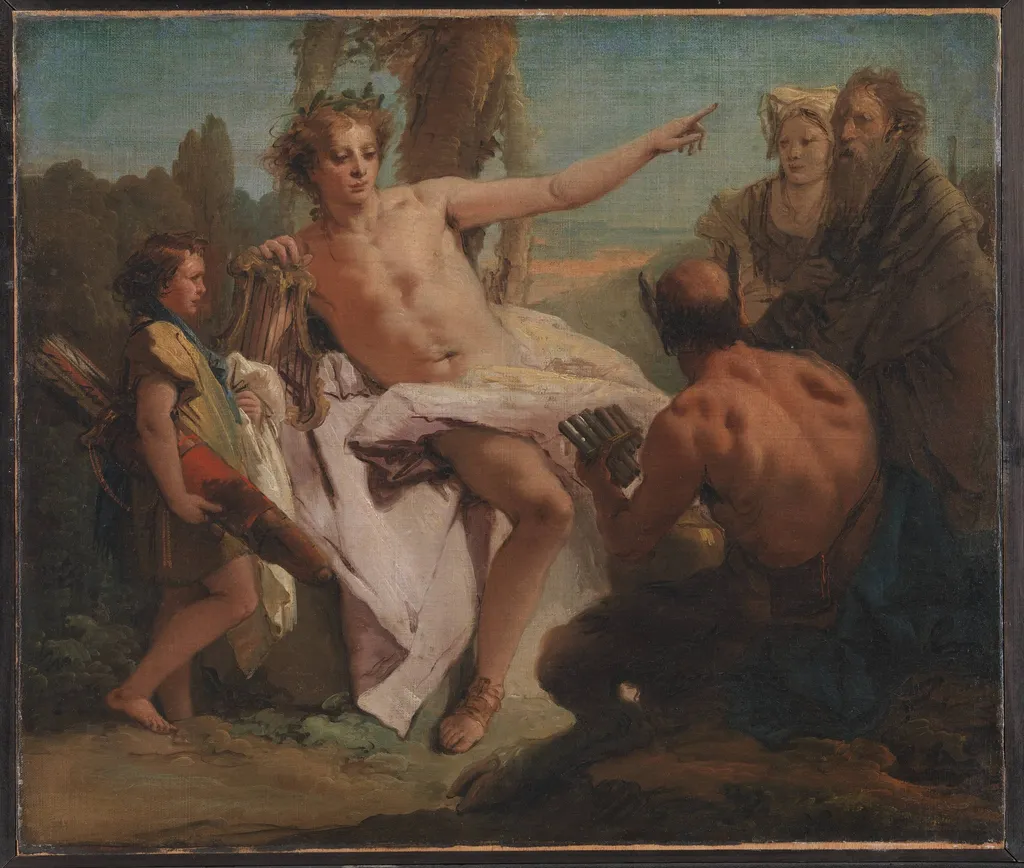
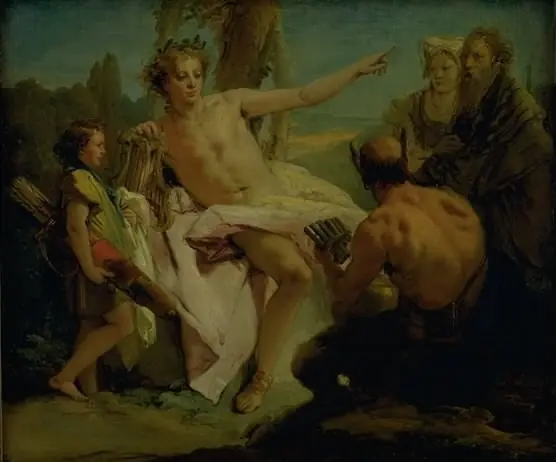
Apollo and Marsyas is a photography by the Romanticist artist Unknown. It dates from 1757 and is held in the collection of the Statens Museum for Kunst. Painted in 1757, this work depicts a moment from Greek myth involving Apollo and the satyr Marsyas.
About this work
Overview
The brushwork is fluid, with an emphasis on atmospheric tone rather than precise detail, suggesting a mood of divine intervention.
Painted in 1757, this work depicts a moment from Greek myth involving Apollo and the satyr Marsyas. Executed in oil on canvas, it is part of the collection at the Museum of Ethnography. The composition centers on a luminous figure playing a lyre, surrounded by five other figures in varied states of reaction. The brushwork is fluid, with an emphasis on atmospheric tone rather than precise detail, suggesting a mood of divine intervention.
Subject & Meaning
The scene illustrates Apollo’s victory over Marsyas in a musical contest, a tale from Ovid’s Metamorphoses. Apollo, identified by the laurel wreath and celestial posture, represents order and divine art. Marsyas, the defeated satyr, is implied through the reactions of the surrounding figures. The upward-pointing figure and the boy with arrows may signify divine judgment or the presence of Jupiter and Artemis, reinforcing the myth’s moral dimension: hubris punished by the gods.
Technique & Style
The artist employs chiaroscuro to model forms with soft, diffused light, creating a sense of weightlessness around the central figure. Brushstrokes are loose and expressive, particularly in the drapery and background, which dissolve into a hazy sky. The figures are rendered with minimal anatomical detail, favoring emotional expression over realism. This approach aligns with emerging 18th-century tendencies toward lyrical interpretation over classical precision.
History & Provenance
The painting was completed in 1757 and entered the Museum of Ethnography’s collection in the late 19th century. Its origins prior to that are undocumented, though stylistic elements suggest it may have been commissioned by a private collector interested in classical themes. No records of exhibition or ownership before 1880 survive, and it has remained in the museum’s care since acquisition.
Context
Created during the Enlightenment, the painting reflects a continued fascination with Greco-Roman mythology among European artists, even as academic norms shifted toward neoclassicism. While contemporaries like Raphael Mengs pursued idealized forms, this work embraces a more intimate, emotional interpretation. Its placement in an ethnographic museum, rather than a fine arts institution, hints at its perceived role as a cultural artifact rather than a high-art statement.
Legacy
Though not widely reproduced or studied in mainstream art history, the painting offers insight into regional interpretations of classical myth in the mid-18th century. Its atmospheric style and ambiguous narrative distinguish it from more didactic treatments of the same subject. It remains a quiet example of how mythological themes were adapted beyond academic circles, resonating with collectors drawn to emotional resonance over formal rigor.
Artist & collection

 Domestic Scene
 Giacomo and Cardinal Marco, investing Andrea, Abbot of San Zeno, with his Benefice
 The Nymph of Fontainebleau
 Portrait of a Woman
 Madonna and Child with Saints in the Enclosed Garden
 Venus and Minerva
 Family Group of Four on Sofa
 Wall painting from Room H of the Villa of P. Fannius Synistor at Boscoreale
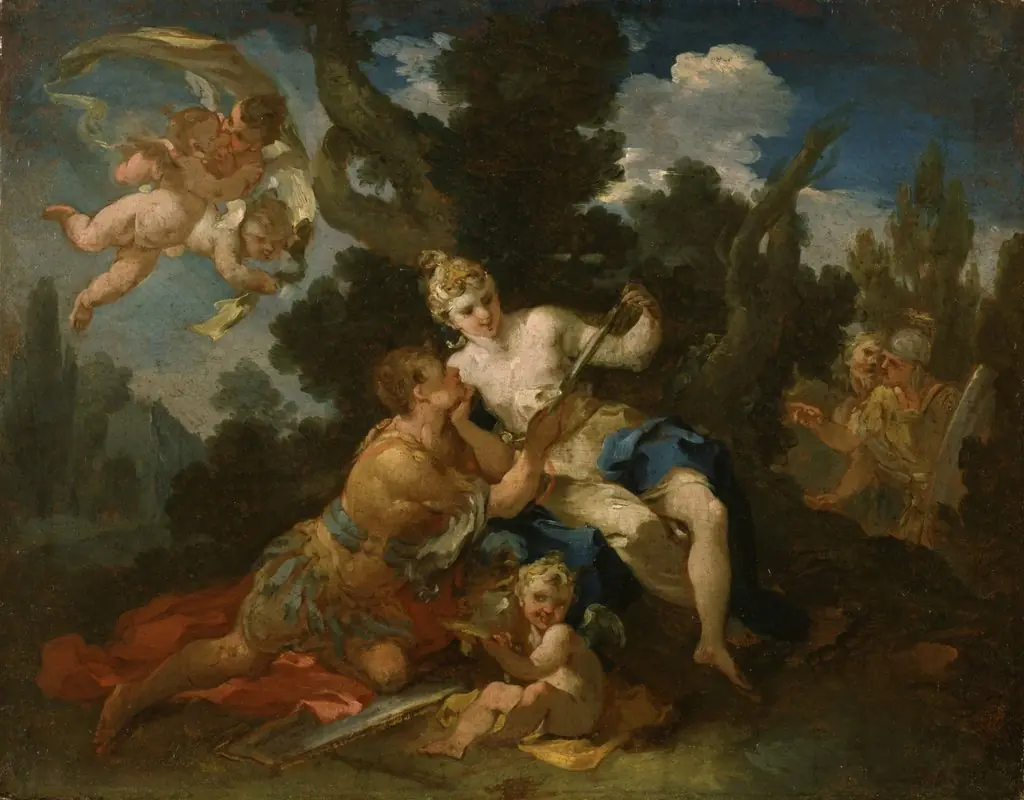 Rinaldo and Armida
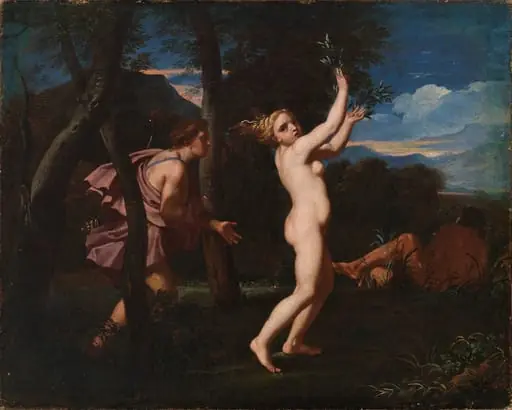 Apollo ja Dafne
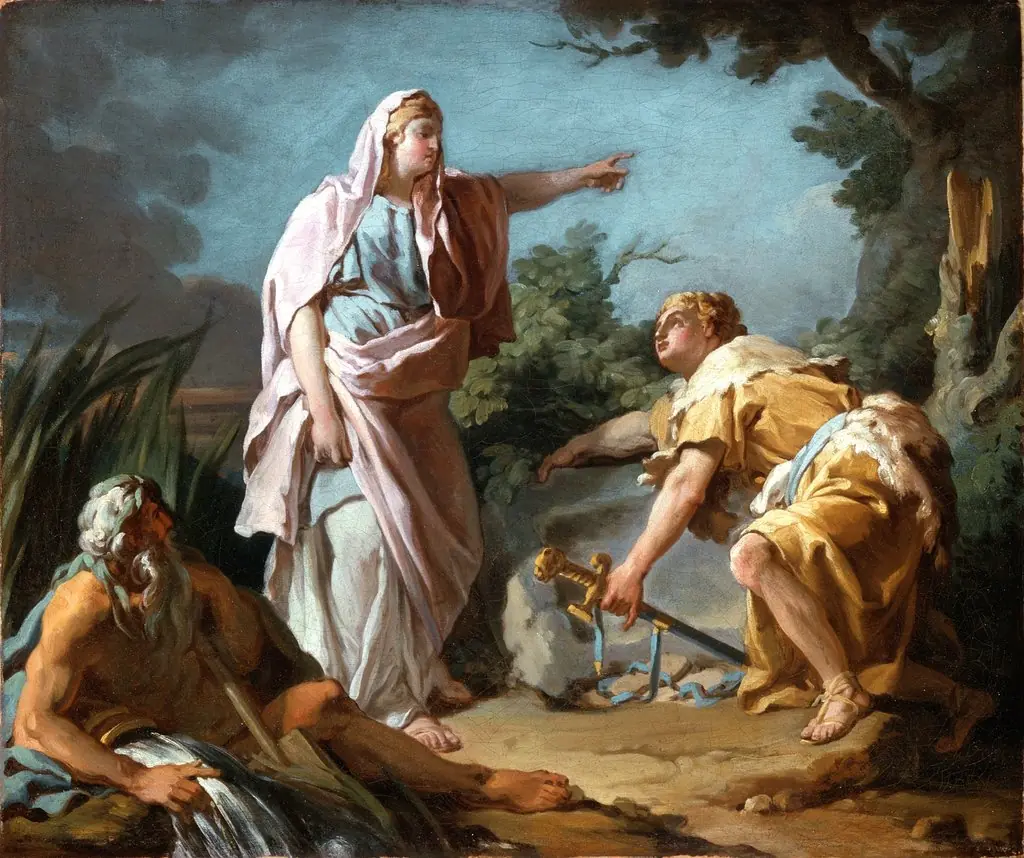 Aethra Showing her Son Theseus the Place Where his Father had Hidden his Arms
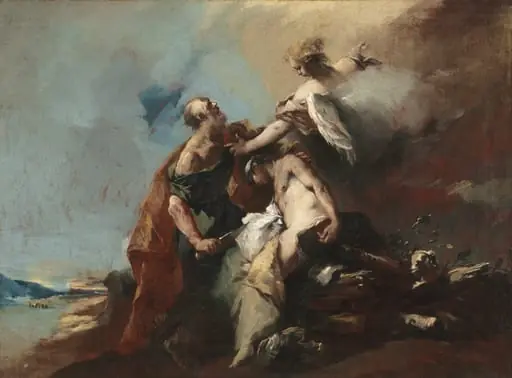 The Sacrifice of Isaac
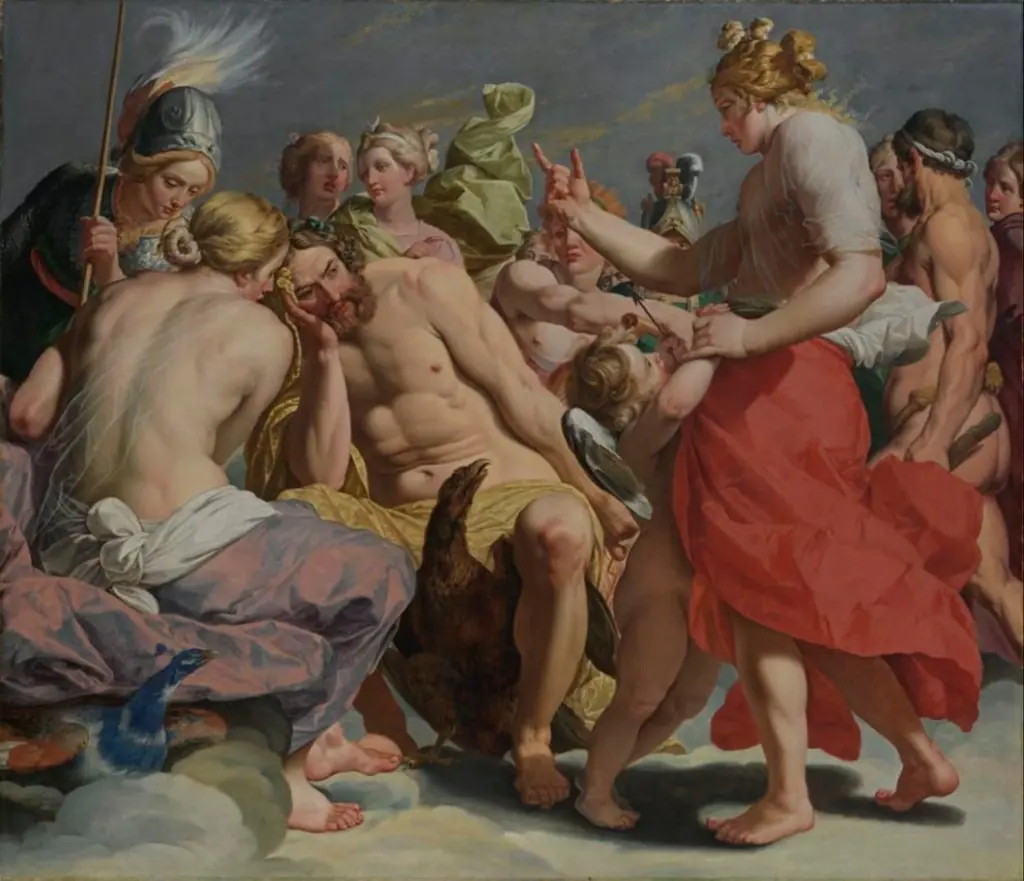 Mount Olympus
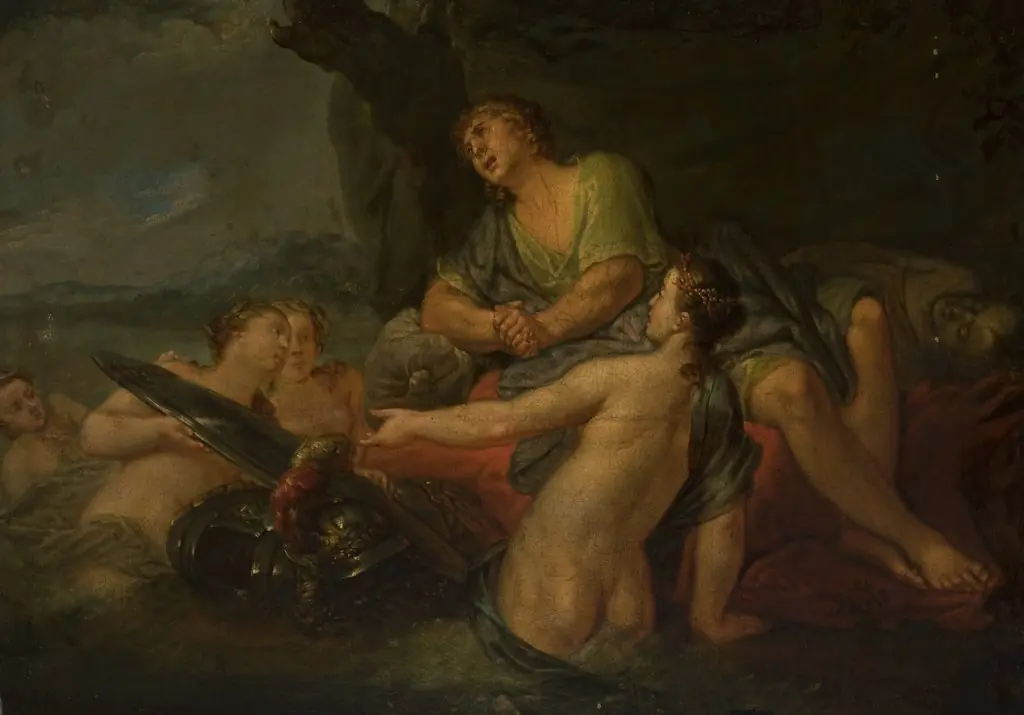 Mythological Scene
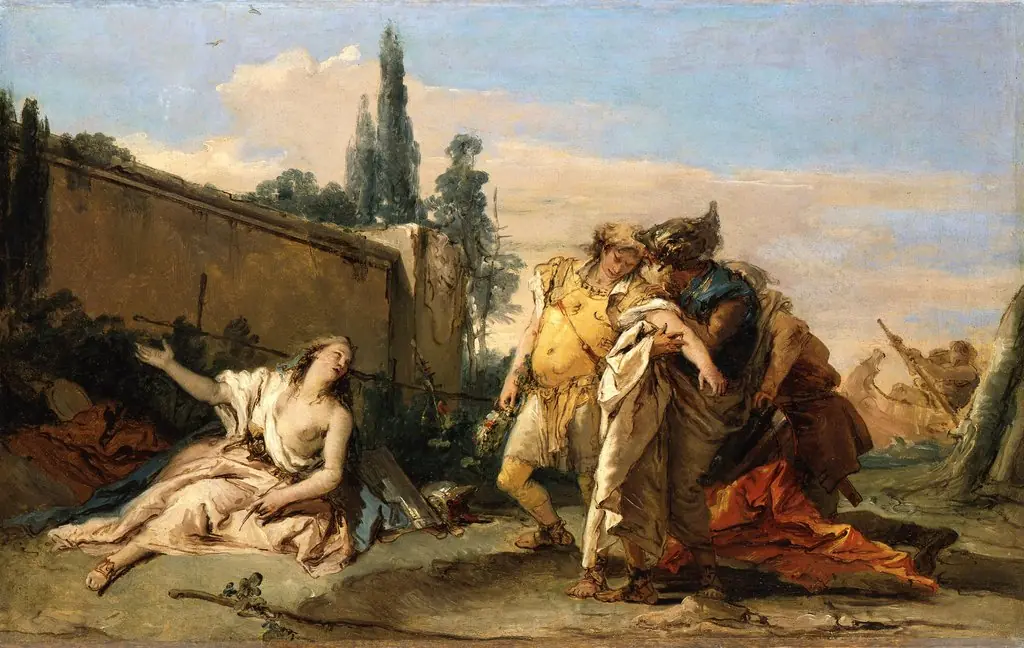 Rinaldos farewell from Armida
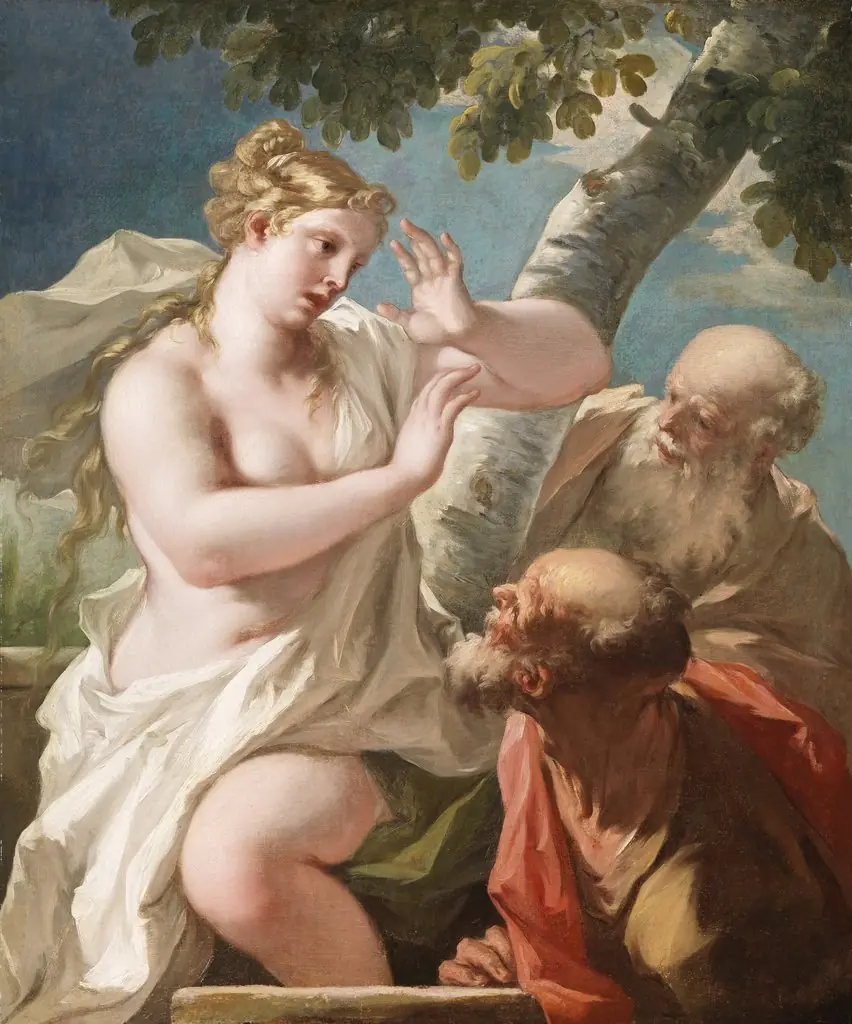 Susannah and the Elders
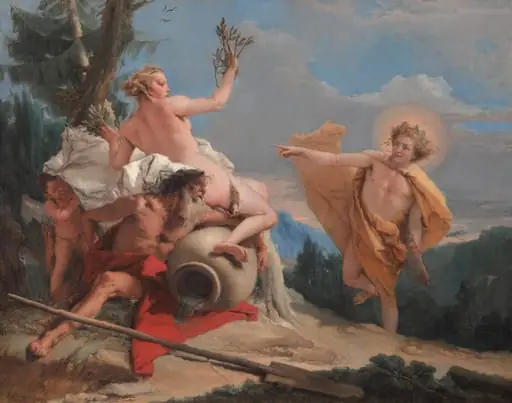 Apollo Pursuing Daphne
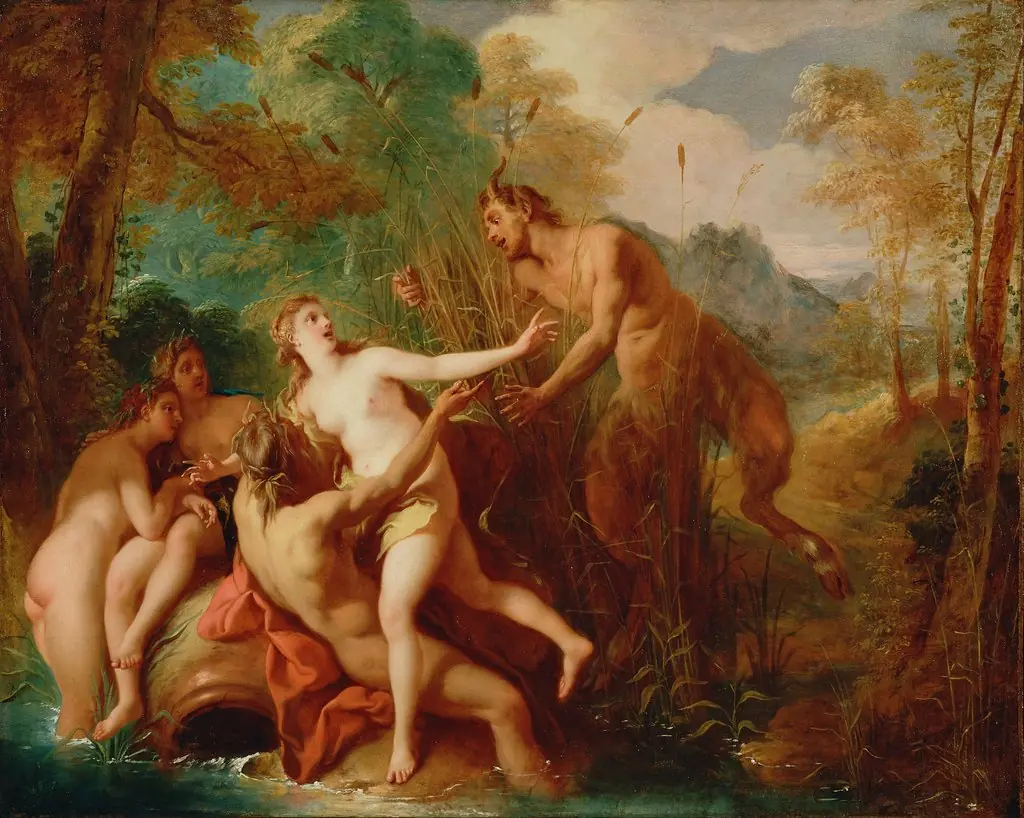 Pan and Syrinx
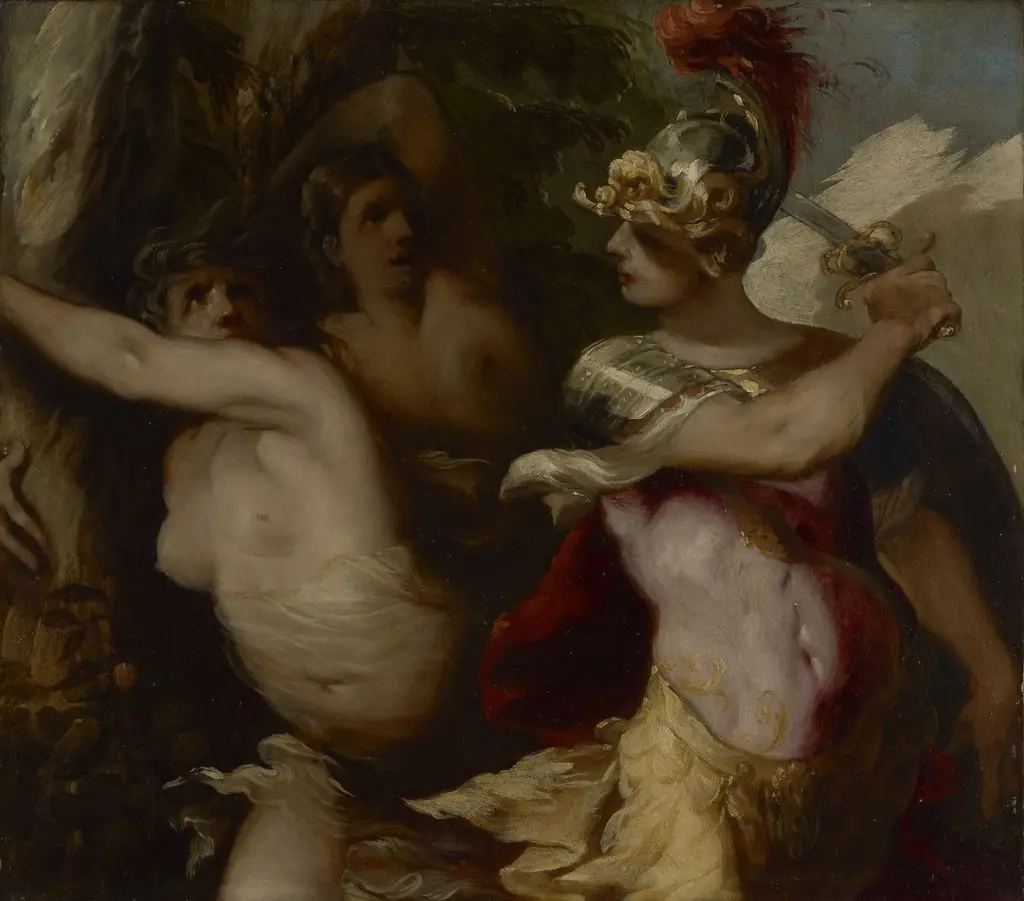 Rinaldo's Conquest of the Enchanted Forest
 Apollo and Marsyas