Artwork
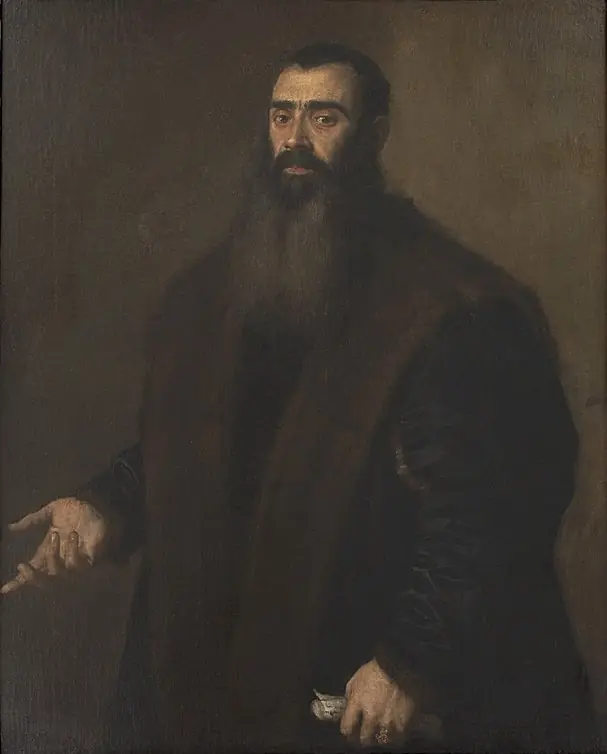
Portrait of the Nuremburg Merchant and Collector Willibald Imhoff the Elder (1519-1580)
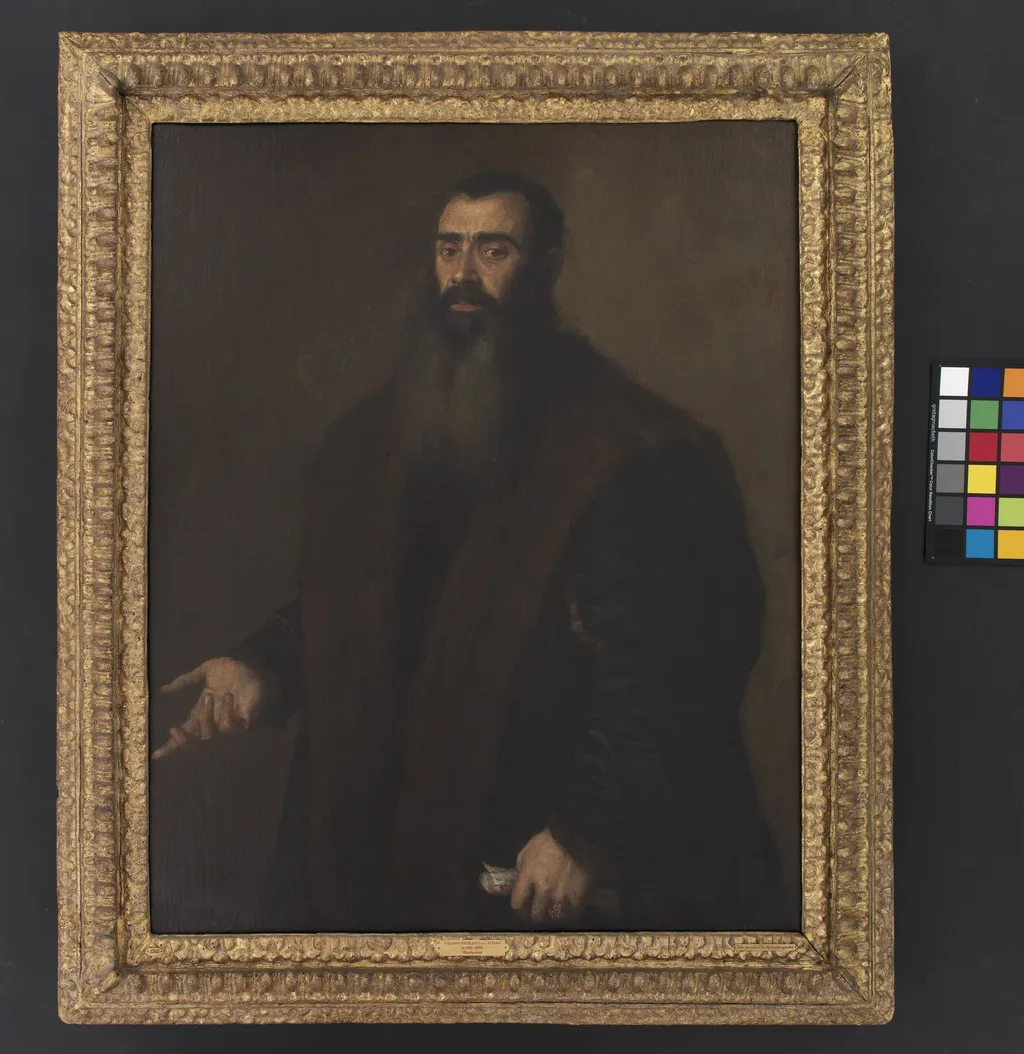
Portrait of the Nuremburg Merchant and Collector Willibald Imhoff the Elder (1519-1580) is an unspecified painting by Unknown. It dates from 1550 and is held in the collection of the Statens Museum for Kunst. This portrait, dated around 1550, depicts Willibald Imhoff the Elder, a prominent Nuremberg merchant and collector.
About this work
Overview
This portrait, dated around 1550, depicts Willibald Imhoff the Elder, a prominent Nuremberg merchant and collector.
This portrait, dated around 1550, depicts Willibald Imhoff the Elder, a prominent Nuremberg merchant and collector. Executed in oil on panel, it presents a life-sized figure against a dark, undefined background. The composition emphasizes the sitter’s presence through focused lighting and precise rendering of texture, reflecting the conventions of German Renaissance portraiture. The work is currently held in the collection of the Museum of Ethnography.
Subject & Meaning
Willibald Imhoff the Elder, a member of Nuremberg’s merchant elite, is portrayed with solemn dignity. His beard, dark robe, and the sword at his side suggest status, civic responsibility, and perhaps martial readiness. The direct gaze and restrained gesture convey authority and introspection, aligning with the values of the Protestant burgher class. The absence of overt symbols of wealth points to an emphasis on character over display.
Technique & Style
The artist employs chiaroscuro to model the face and hands with subtle gradations of light, enhancing three-dimensionality. Fine brushwork captures the texture of fabric, the sheen of metal on the sword, and the individual hairs of the beard. The dark background isolates the figure, heightening psychological intensity. The style is naturalistic, avoiding idealization in favor of precise observation, characteristic of mid-16th-century Northern European portraiture.
History & Provenance
The portrait was likely commissioned during Imhoff’s lifetime, possibly for private display in his Nuremberg home. It entered the Museum of Ethnography’s collection in the late 19th or early 20th century, though its earlier ownership history remains partially undocumented. Its presence in an ethnographic institution reflects later shifts in how such portraits were categorized, rather than their original intent.
Context
In mid-16th-century Nuremberg, wealthy merchants like Imhoff played vital roles in civic life and cultural patronage. Portraits of this type served to affirm social standing amid religious and political upheaval. Unlike Italian Renaissance portraits, German works often favored restrained expression and material realism, reflecting Protestant values that discouraged ostentation while valuing individual integrity.
Legacy
The portrait stands as a representative example of burgher portraiture from the German Reformation era. While not widely exhibited, it contributes to scholarly understanding of how non-noble elites used visual culture to assert identity. Its preservation in an ethnographic museum underscores evolving institutional approaches to historical portraiture, beyond traditional art-historical frameworks.
Artist & collection

 Domestic Scene
 Giacomo and Cardinal Marco, investing Andrea, Abbot of San Zeno, with his Benefice
 The Nymph of Fontainebleau
 Portrait of a Woman
 Madonna and Child with Saints in the Enclosed Garden
 Venus and Minerva
 Family Group of Four on Sofa
 Wall painting from Room H of the Villa of P. Fannius Synistor at Boscoreale
 Lorenzo Soranzo
 Portrait of a Bearded Man
 Bildnis eines bärtigen Mannes
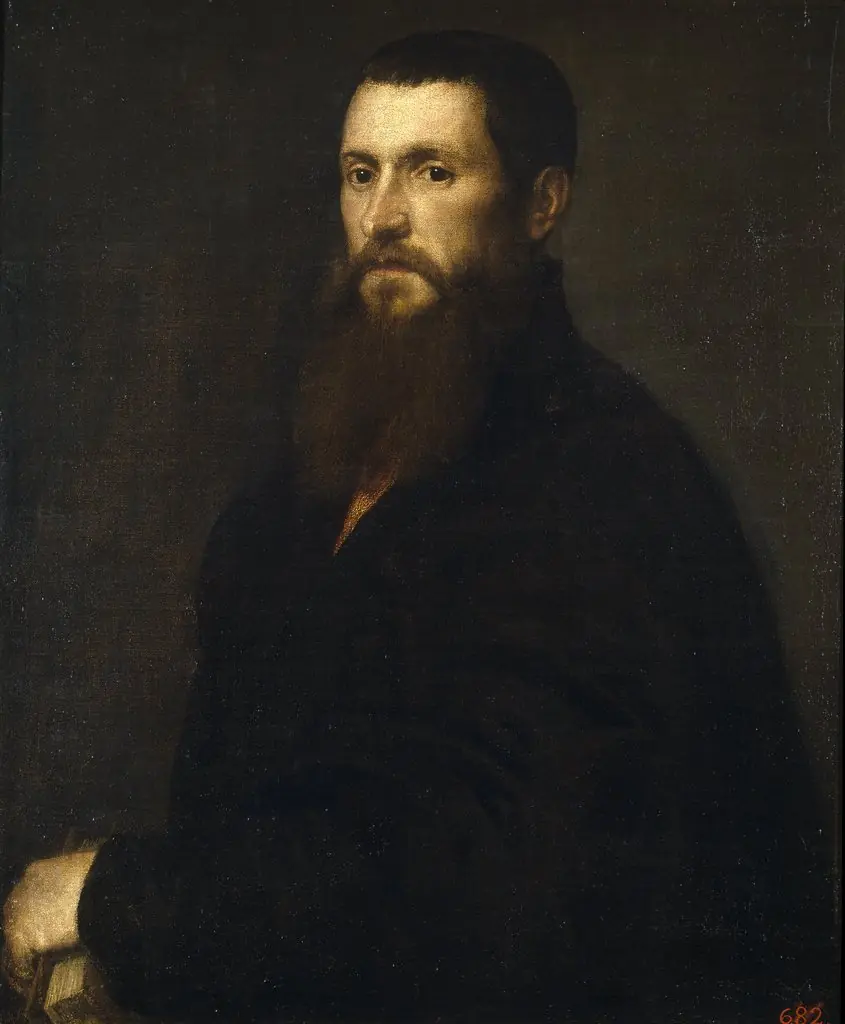 Daniele Barbaro, Patriarch of Aquileia
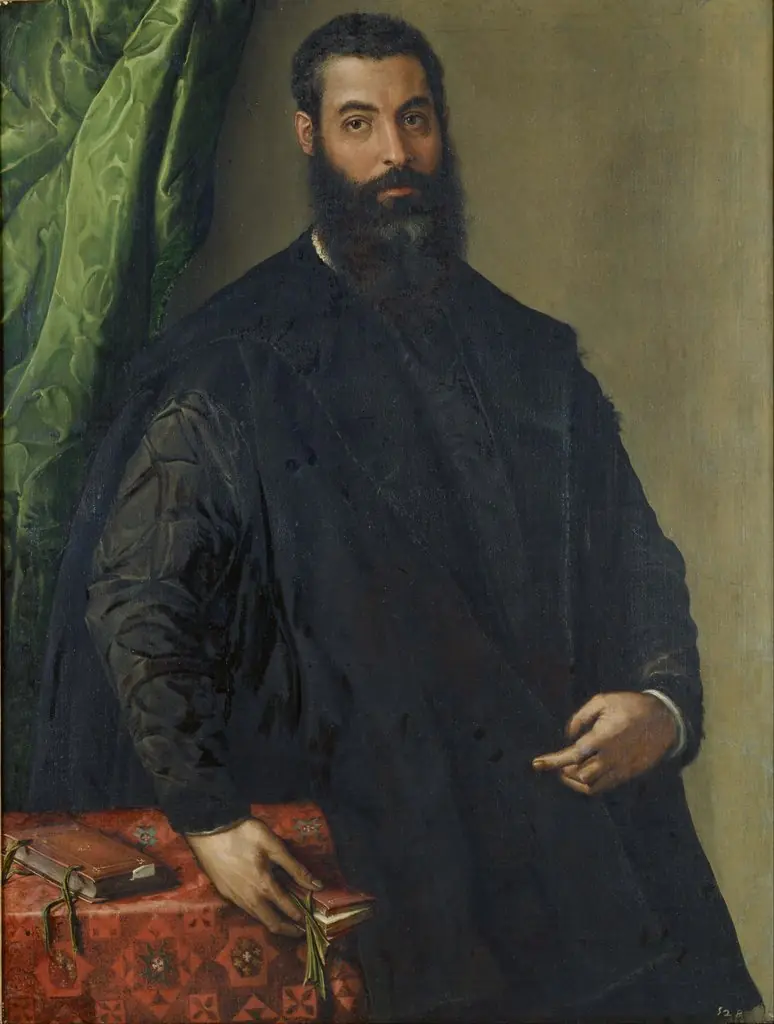 Portrait of a Man
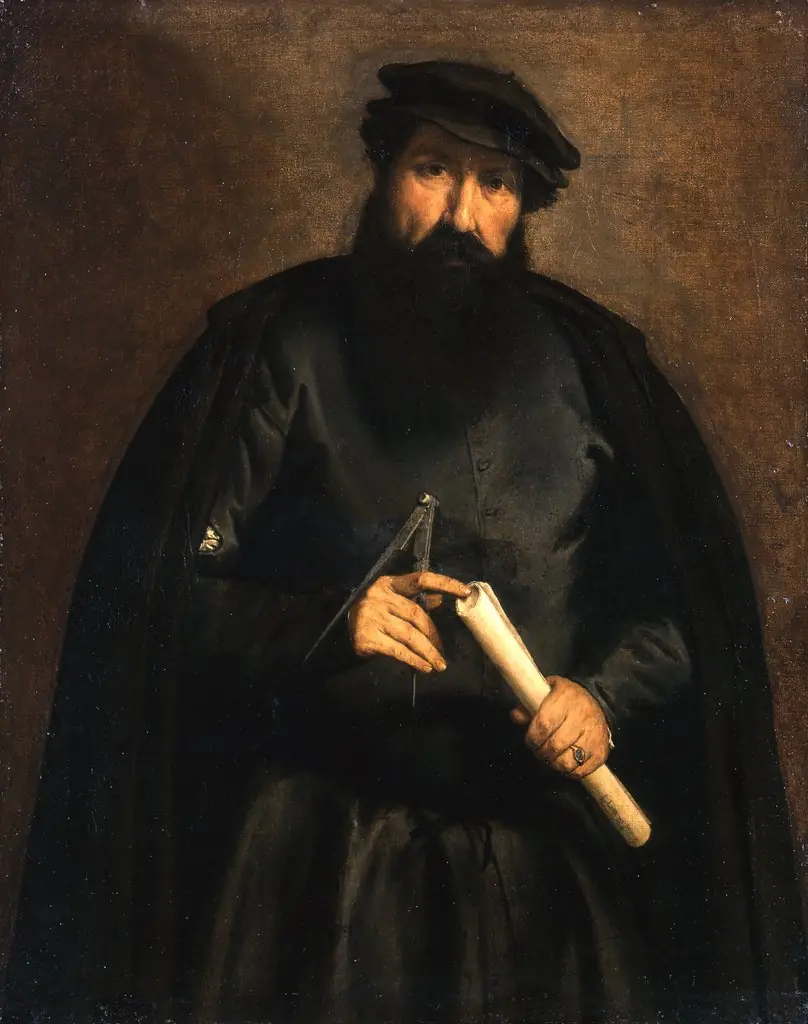 Portrait of an man with circle and paper roll
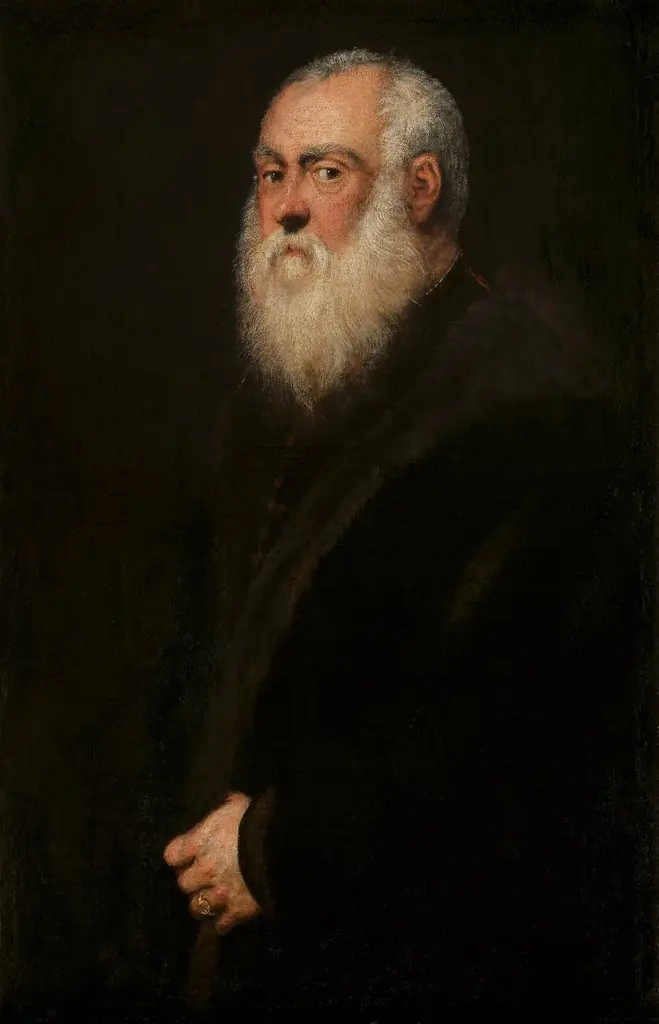 Portrait of a White-Bearded Man
 Portrait of a Gentleman
 Portrait of a Man
 Portrait of an admiral
 Man Holding a Flute
 Portrait of Willibald Imhoff