Artwork
An Old Man at his Desk
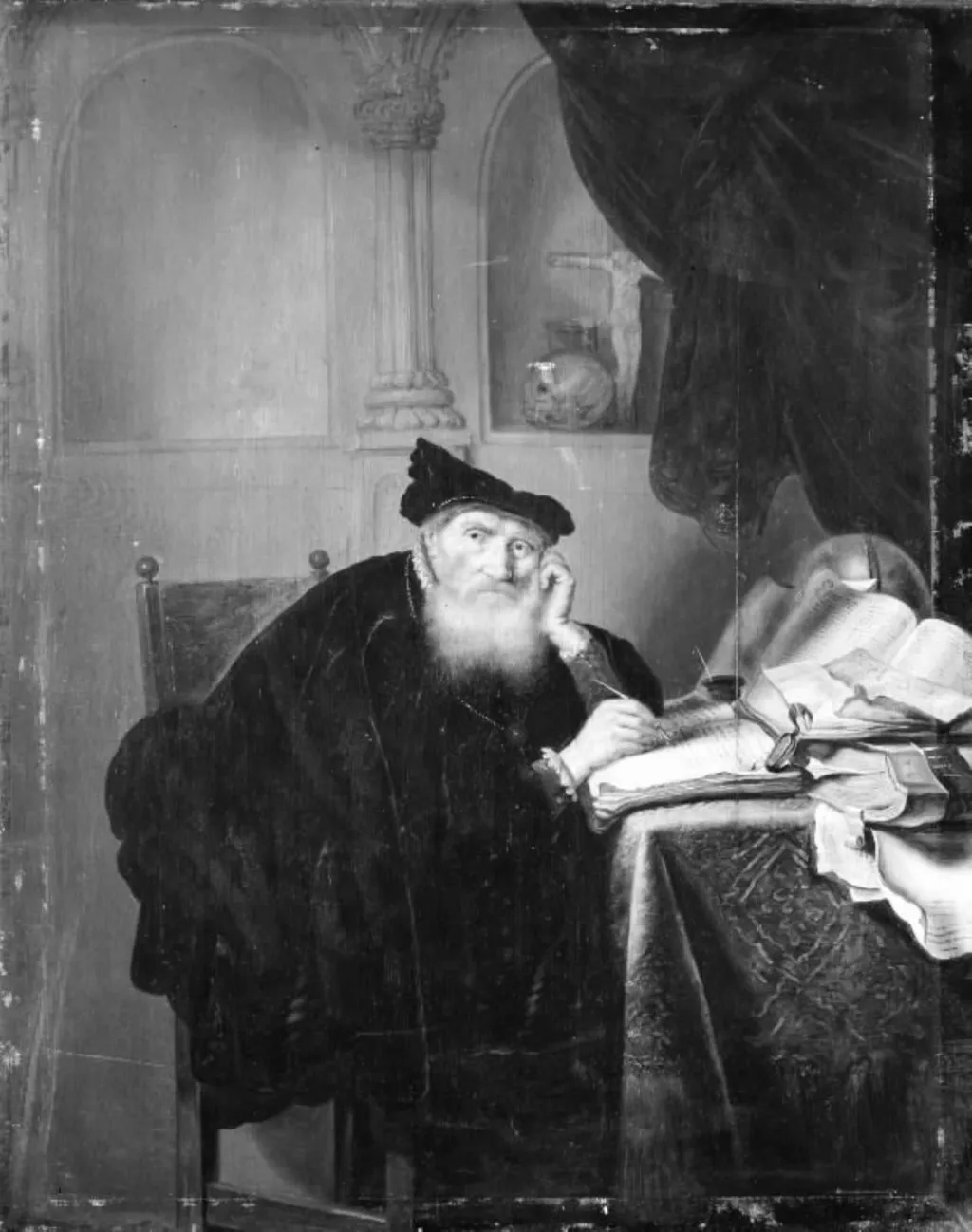
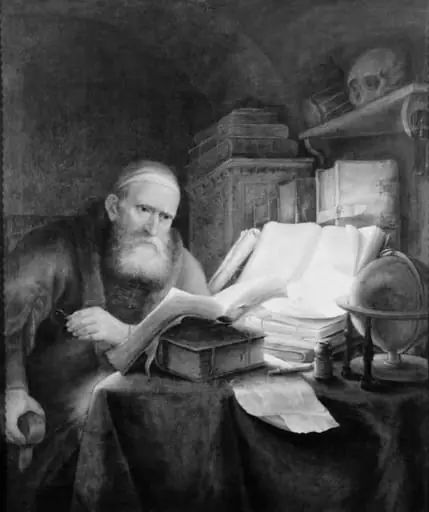
An Old Man at his Desk is a photography by Unknown. It dates from 1650 and is held in the collection of the Statens Museum for Kunst. Created around 1650, this work is a painted portrait later documented as a black-and-white photograph.
About this work
Overview
Created around 1650, this work is a painted portrait later documented as a black-and-white photograph.
Created around 1650, this work is a painted portrait later documented as a black-and-white photograph. It depicts an elderly man seated at a cluttered desk, engaged in quiet labor. The image is held in the collection of the Museum of Ethnography, where it is preserved as a record of domestic intellectual life in the mid-seventeenth century. The photograph captures the original painting’s tonal contrasts and compositional stillness.
Subject & Meaning
The figure is an aging scholar, identified by his long white beard, dark robe, and scholarly surroundings. He holds a quill mid-motion, suggesting pause rather than action—perhaps in contemplation or fatigue. The skull on the bookshelf and the heavy stack of papers imply themes of mortality and the weight of knowledge. The scene conveys introspection, not grandeur, framing intellectual pursuit as a solitary, enduring practice.
Technique & Style
The original painting employs chiaroscuro to model form through sharp contrasts of light and shadow. A strong beam enters from the left, illuminating the man’s face and hands while deepening the recesses of the room. The texture of fabric, paper, and wood is rendered with restrained detail, avoiding ornamentation. The composition is tightly focused, directing attention to the figure’s stillness amid organized chaos.
History & Provenance
The painting’s early ownership is undocumented, but it entered the Museum of Ethnography’s collection in the late nineteenth century. Its transition from a private portrait to an ethnographic artifact suggests a shift in how such images were interpreted—no longer as individual likenesses, but as representations of cultural habits. The photograph preserving it was likely made for cataloging or scholarly study.
Context
In mid-seventeenth-century Europe, depictions of scholars at work were common among Dutch and Flemish artists, reflecting growing societal value placed on literacy and private study. Unlike religious or aristocratic subjects, these portraits celebrated quiet diligence. The inclusion of a skull aligns with memento mori traditions, common in Northern European art of the period, reinforcing the transience of life amid intellectual labor.
Legacy
Though not widely exhibited, the work contributes to understanding how intellectual life was visually encoded in early modern domestic spaces. Its preservation as a photograph underscores changing museum practices, where images of art became tools for documentation rather than aesthetic display. The painting remains a quiet testament to the dignity of routine scholarly existence.
Artist & collection

 Domestic Scene
 Giacomo and Cardinal Marco, investing Andrea, Abbot of San Zeno, with his Benefice
 The Nymph of Fontainebleau
 Portrait of a Woman
 Madonna and Child with Saints in the Enclosed Garden
 Venus and Minerva
 Family Group of Four on Sofa
 Wall painting from Room H of the Villa of P. Fannius Synistor at Boscoreale
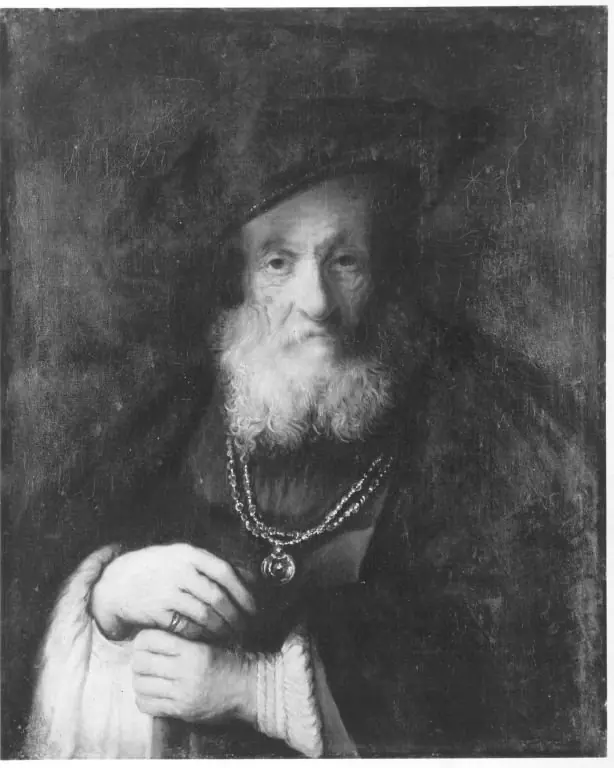 Bildnis eines alten Mannes (Kopie nach)
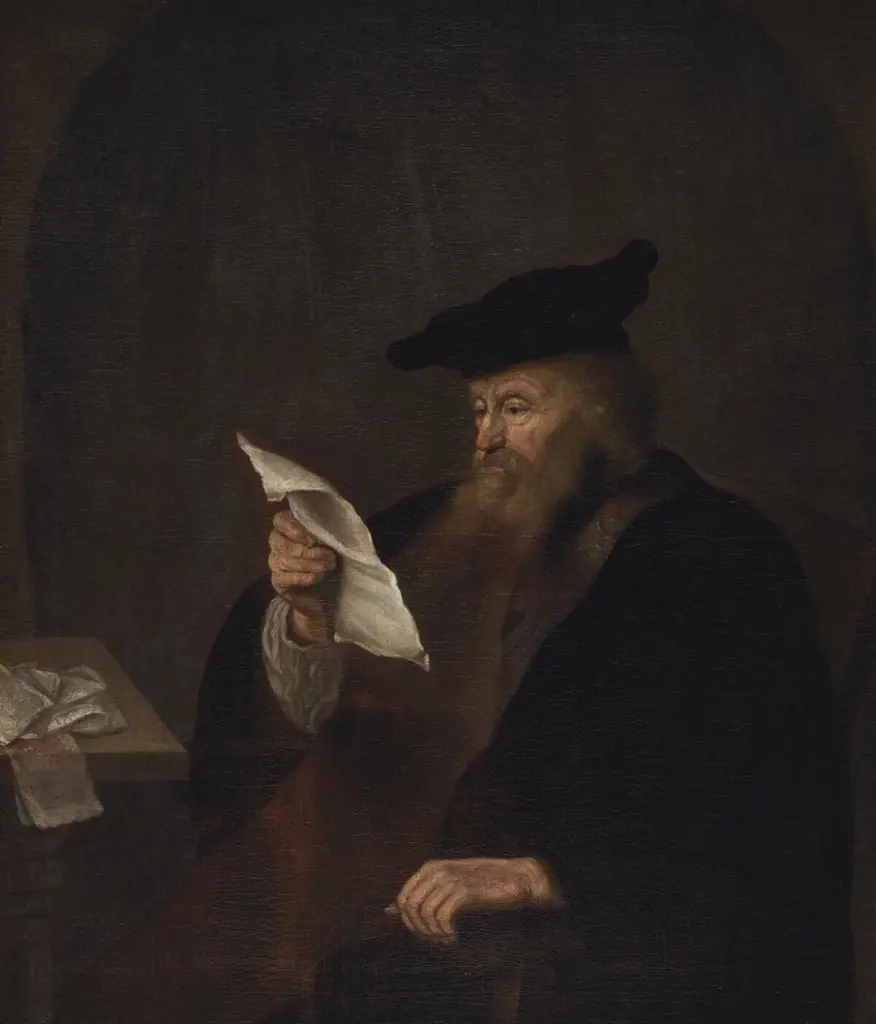 Scholar reading in study
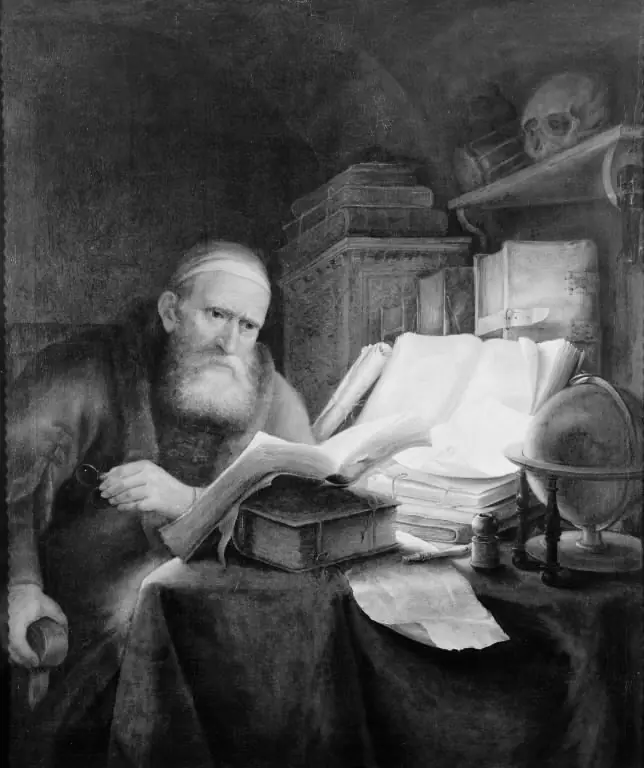 A Scholar
 A Scholar
 Portrait of a Man, Possibly Jean de Langeac (died 1541), Bishop of Limoges
 Kurfürst Ludwig V. der Friedfertige, Pfalzgraf bei Rhein
 Old Man with Beard, Fur Cap, and Velvet Cloak
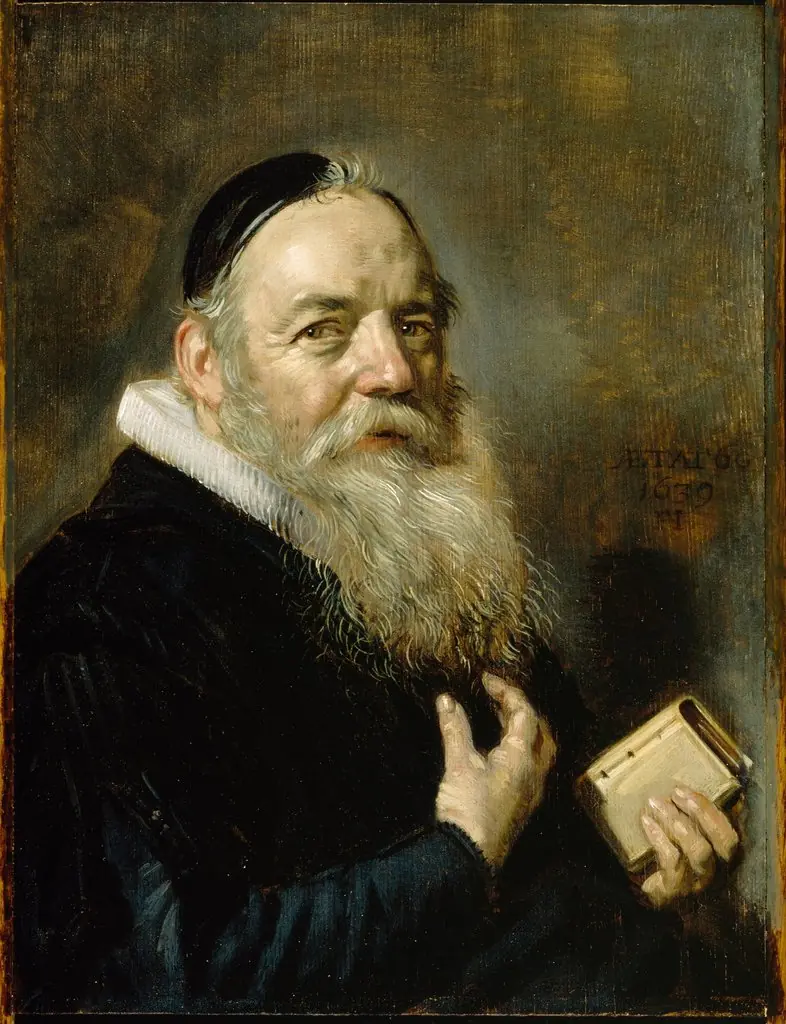 Portrait of Hendrik Swalmius
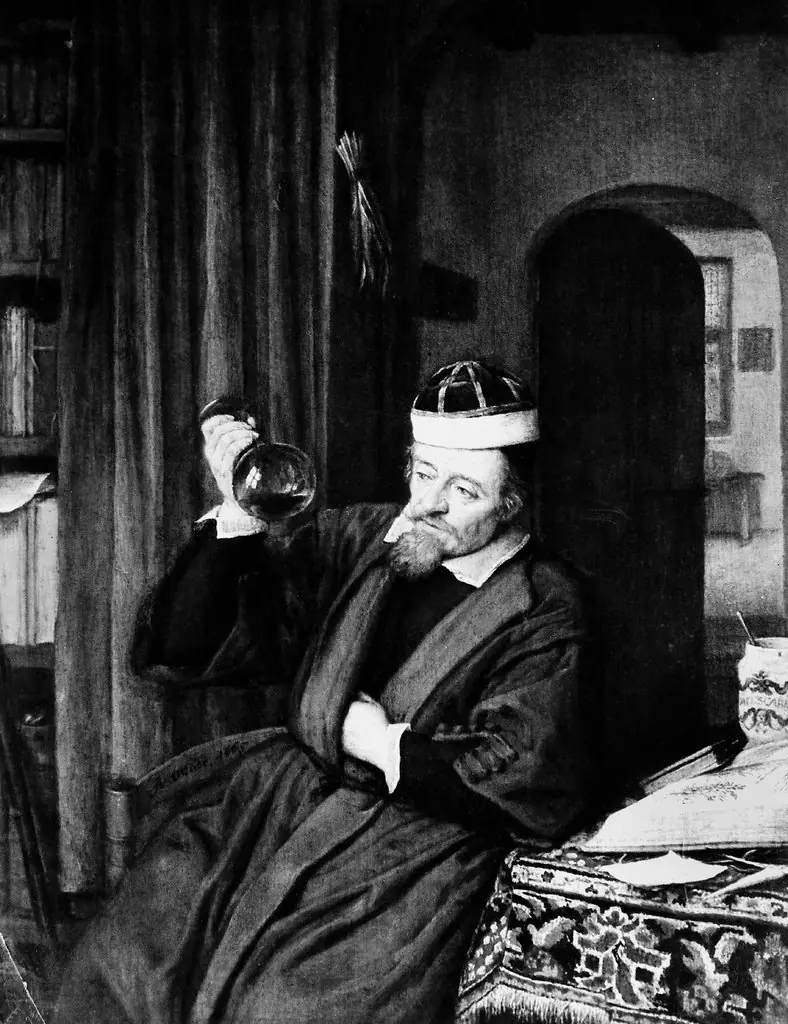 Physician examining his own urine and feeling his heart-beat
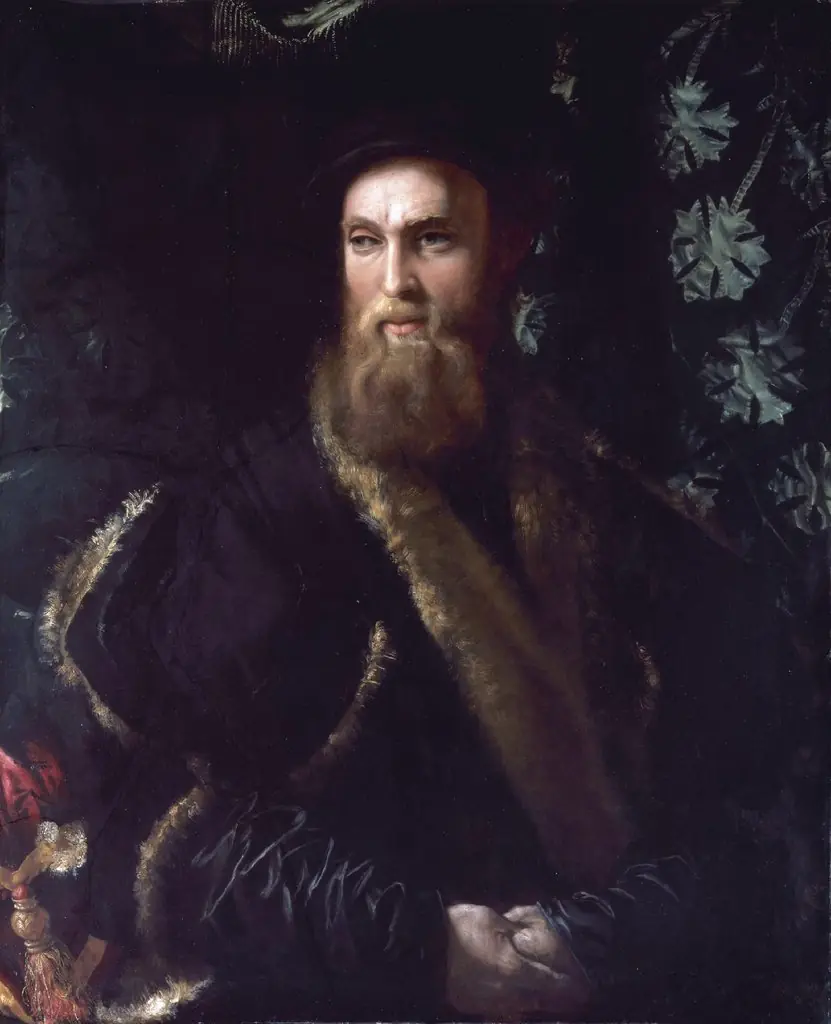 portrait of Bindo Altoviti