Artwork
Mountain Scenery with a River and a Bridge
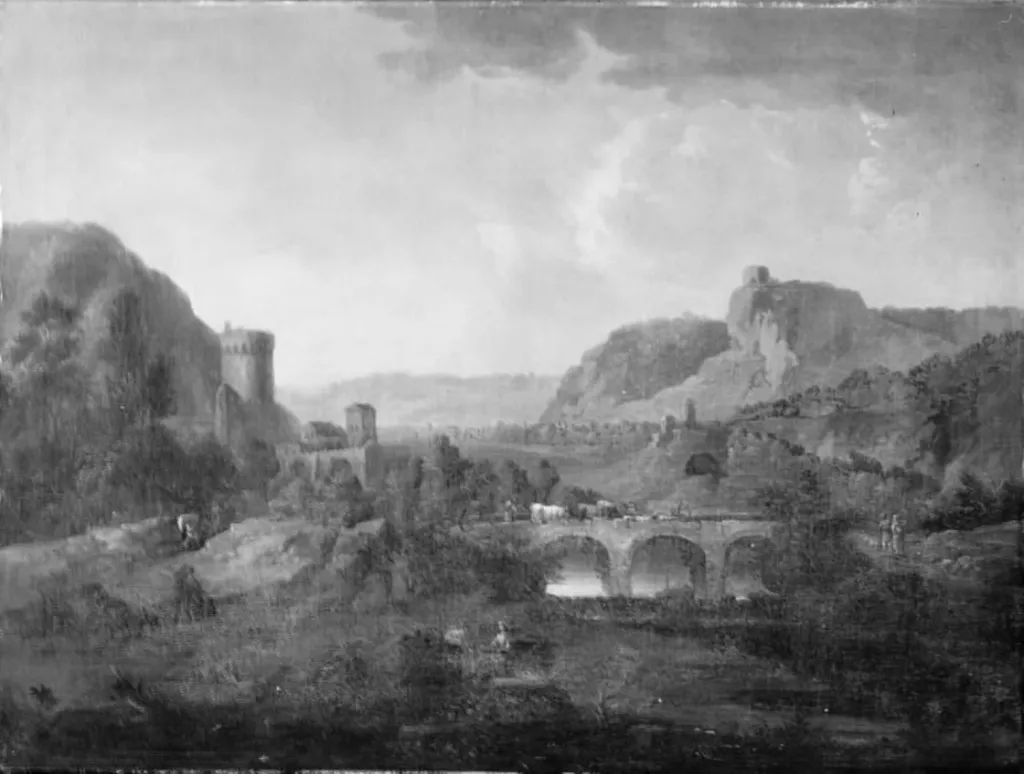
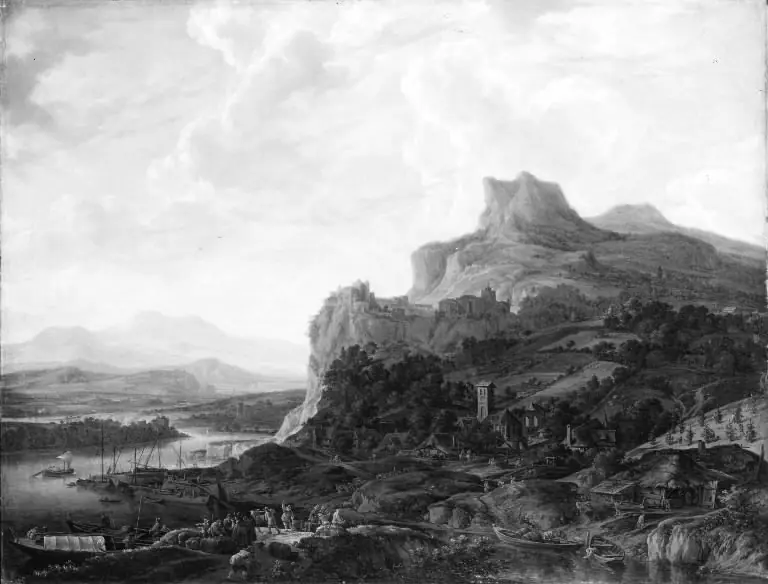
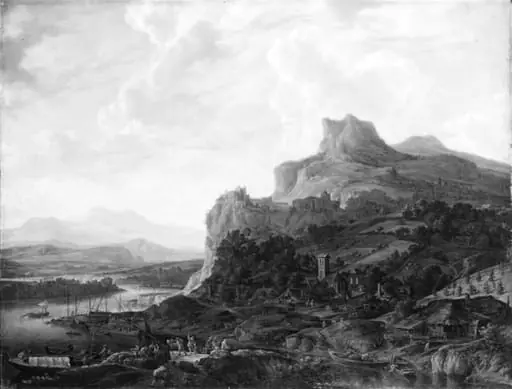
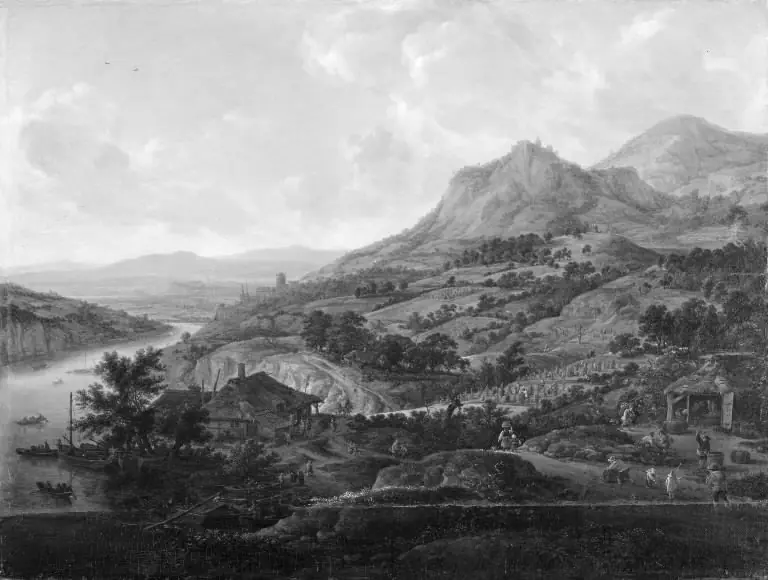
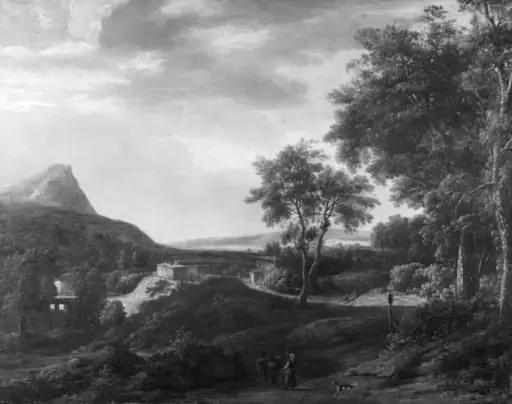
Mountain Scenery with a River and a Bridge is a photography by the Baroque artist Unknown. It dates from 1735 and is held in the collection of the Statens Museum for Kunst. Painted in 1735, this landscape depicts a rugged mountain valley with a winding river and a narrow stone bridge.
About this work
Overview
It is part of the collection at the Museum of Ethnography, where it is preserved as an example of 18th-century European landscape representation.
Painted in 1735, this landscape depicts a rugged mountain valley with a winding river and a narrow stone bridge. The scene is populated by minimal human and animal figures, emphasizing the scale of nature. It is part of the collection at the Museum of Ethnography, where it is preserved as an example of 18th-century European landscape representation. The work reflects a quiet, contemplative mood rather than dramatic narrative.
Subject & Meaning
The composition centers on the relationship between human presence and the natural environment. A modest bridge and scattered figures suggest quiet travel or pastoral life, while the distant castle implies a layered history of settlement. Sheep on the slopes reinforce themes of rural economy and harmony with terrain. The absence of overt action invites reflection on solitude and the passage of time within an enduring landscape.
Technique & Style
The artist employs chiaroscuro to define the rocky forms, using deep shadows to contrast with softer, lighter tones in the sky and hills. This modeling creates a sense of volume and spatial depth. Brushwork is restrained, favoring muted greens and grays to unify the atmosphere. The clouded sky and subtle gradations in tone align with Baroque conventions, though the overall tone remains subdued rather than theatrical.
History & Provenance
The painting was completed in 1735 and entered the Museum of Ethnography’s collection through documented acquisition. Its early ownership is not fully recorded, but its stylistic features suggest it originated in a Central European artistic milieu. It has remained in institutional care since the late 19th century, with no evidence of significant alteration or restoration.
Context
Created during the later Baroque period, the work reflects a regional shift toward quieter, topographical landscapes, moving away from grandiose religious or mythological themes. While contemporaries in Italy and the Netherlands emphasized drama, this piece aligns with northern European traditions that valued observation of natural detail and atmospheric harmony. It may have served as a private commission or study rather than public display.
Legacy
The painting contributes to the understanding of how landscape was perceived in early 18th-century Central Europe—not as idealized scenery, but as a lived, textured environment. Its preservation in an ethnographic museum underscores its value as a cultural artifact, offering insight into contemporary attitudes toward nature, travel, and settlement. It remains a quiet reference point in studies of regional Baroque landscape practice.
Artist & collection

 Domestic Scene
 Giacomo and Cardinal Marco, investing Andrea, Abbot of San Zeno, with his Benefice
 The Nymph of Fontainebleau
 Portrait of a Woman
 Madonna and Child with Saints in the Enclosed Garden
 Venus and Minerva
 Family Group of Four on Sofa
 Wall painting from Room H of the Villa of P. Fannius Synistor at Boscoreale