Artwork
Portrait of Martin Luther
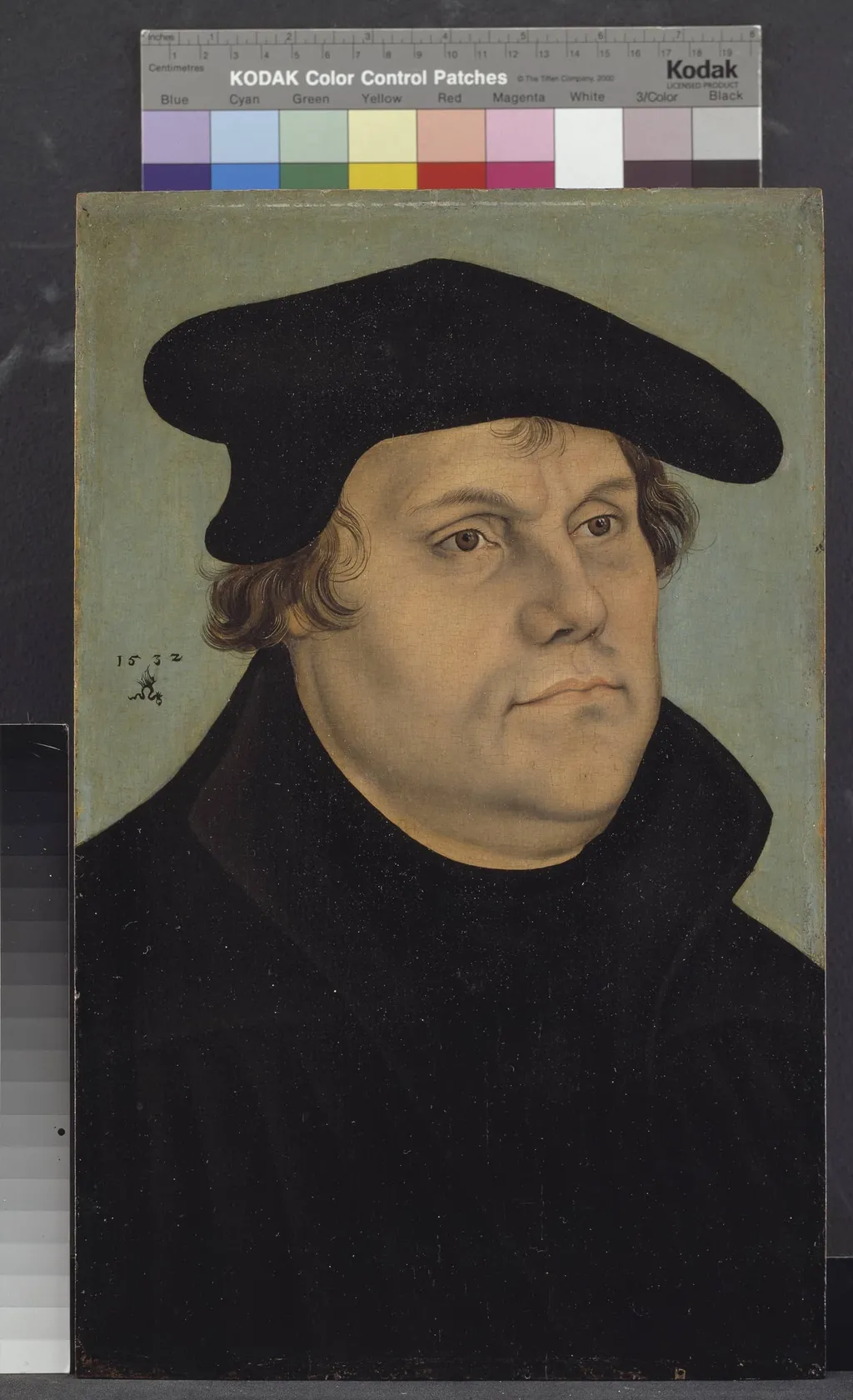
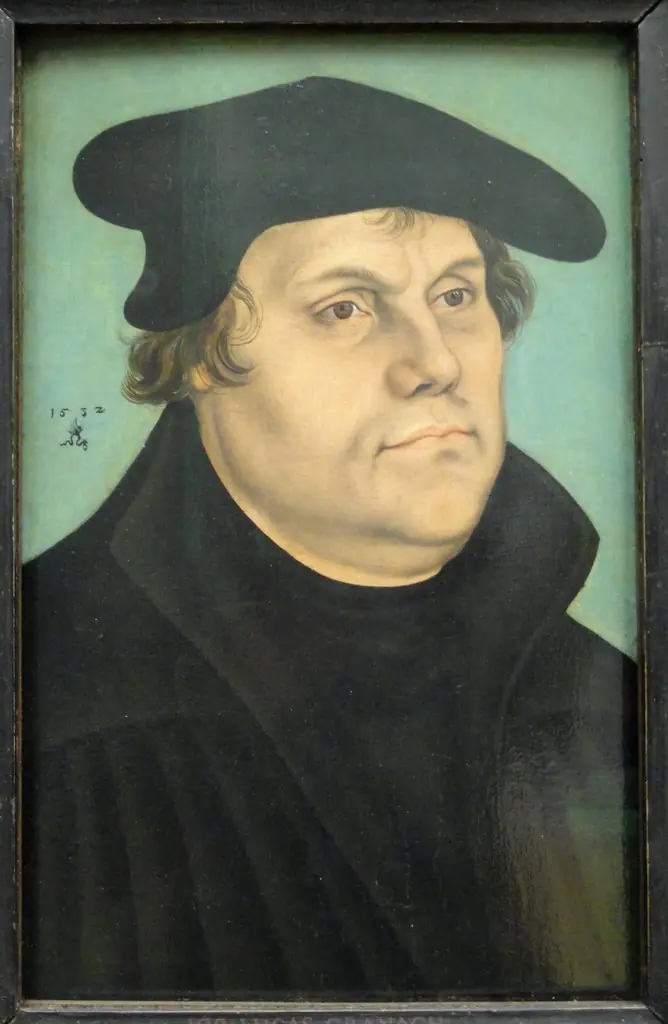
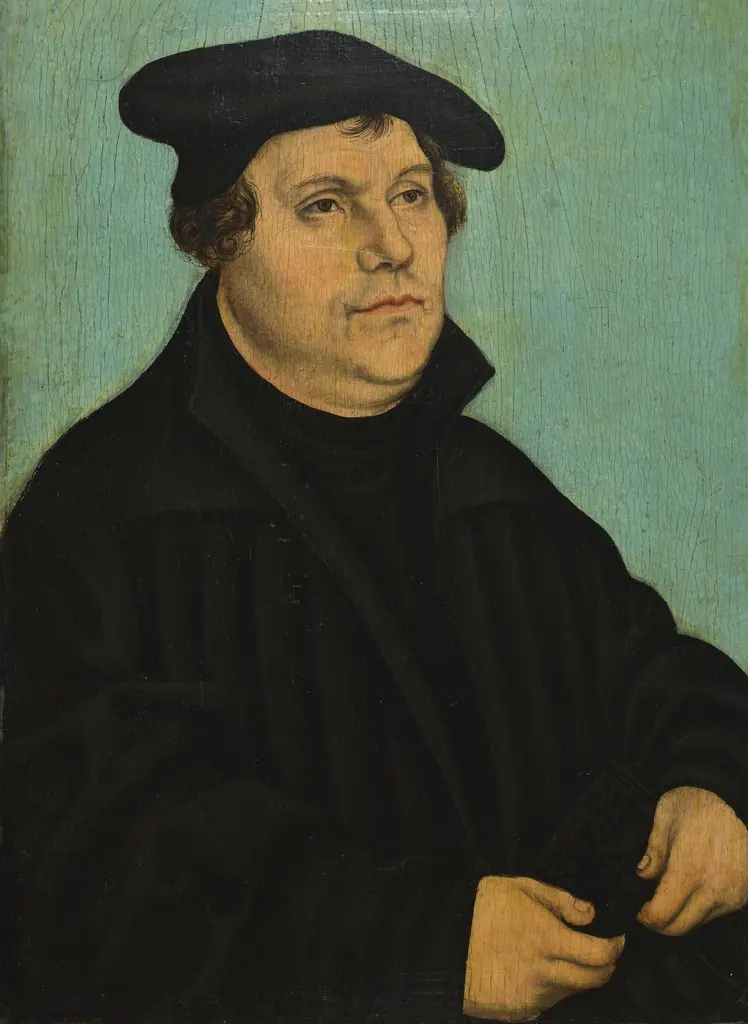
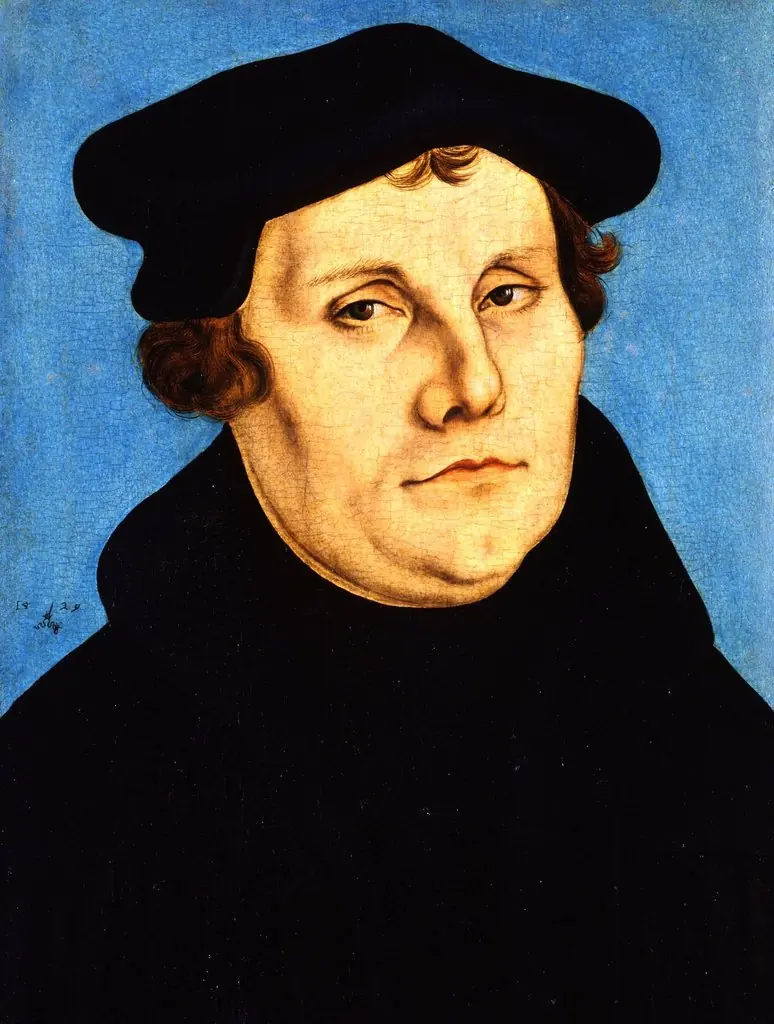
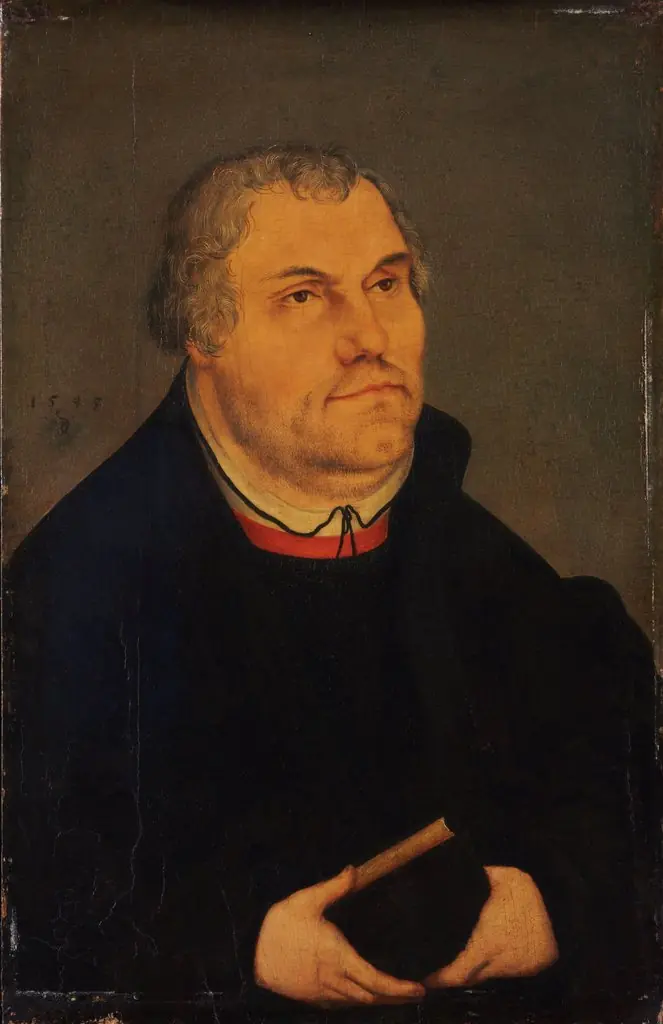
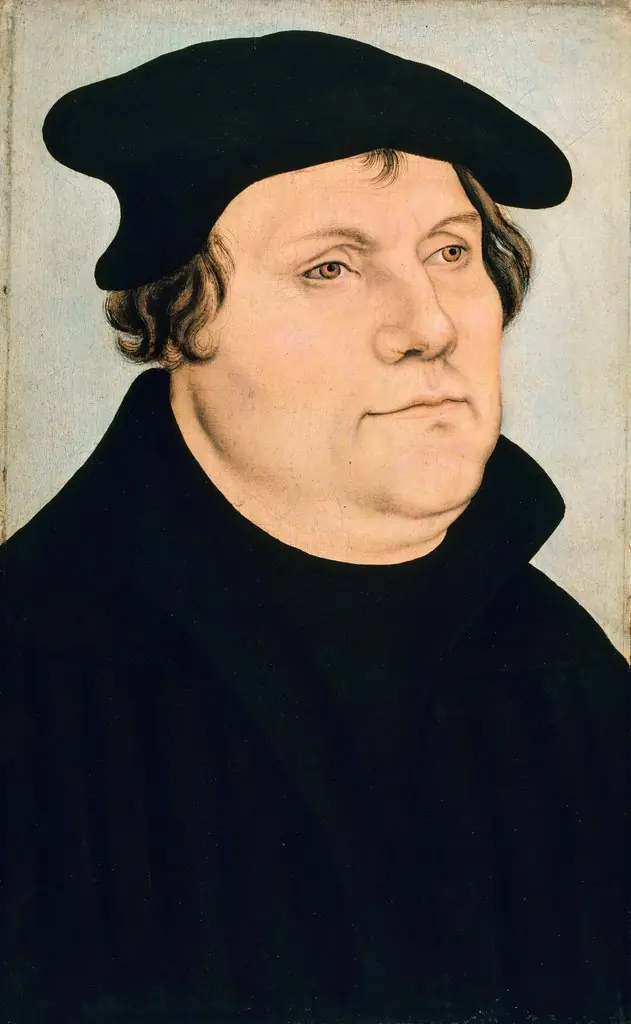
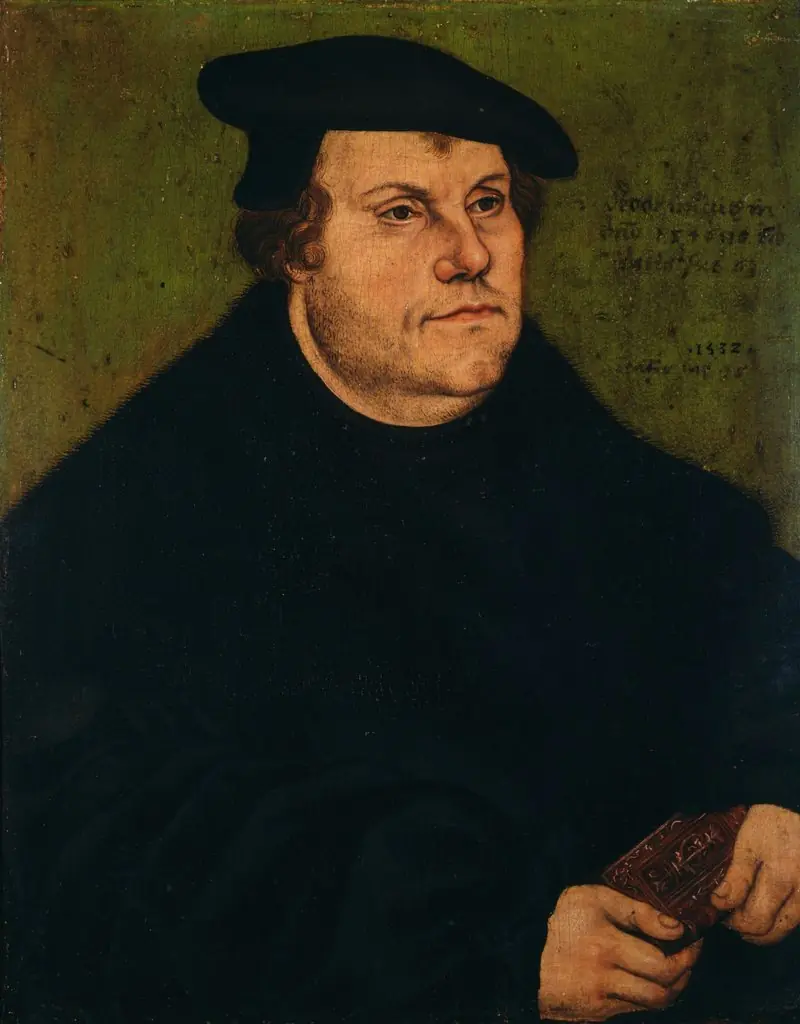
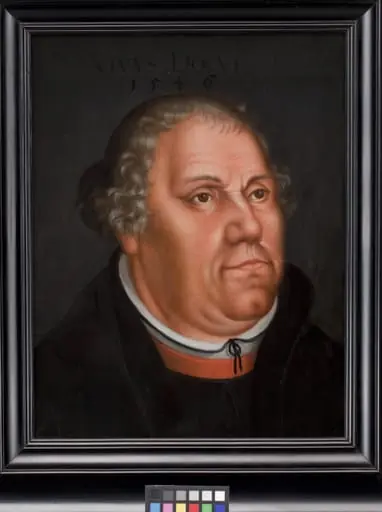
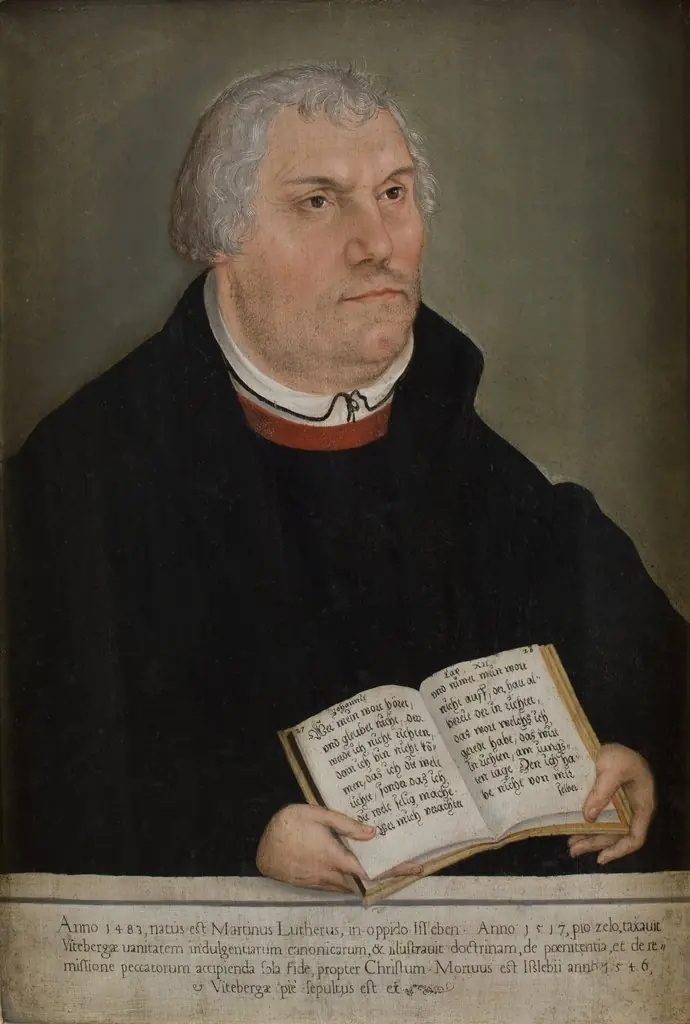
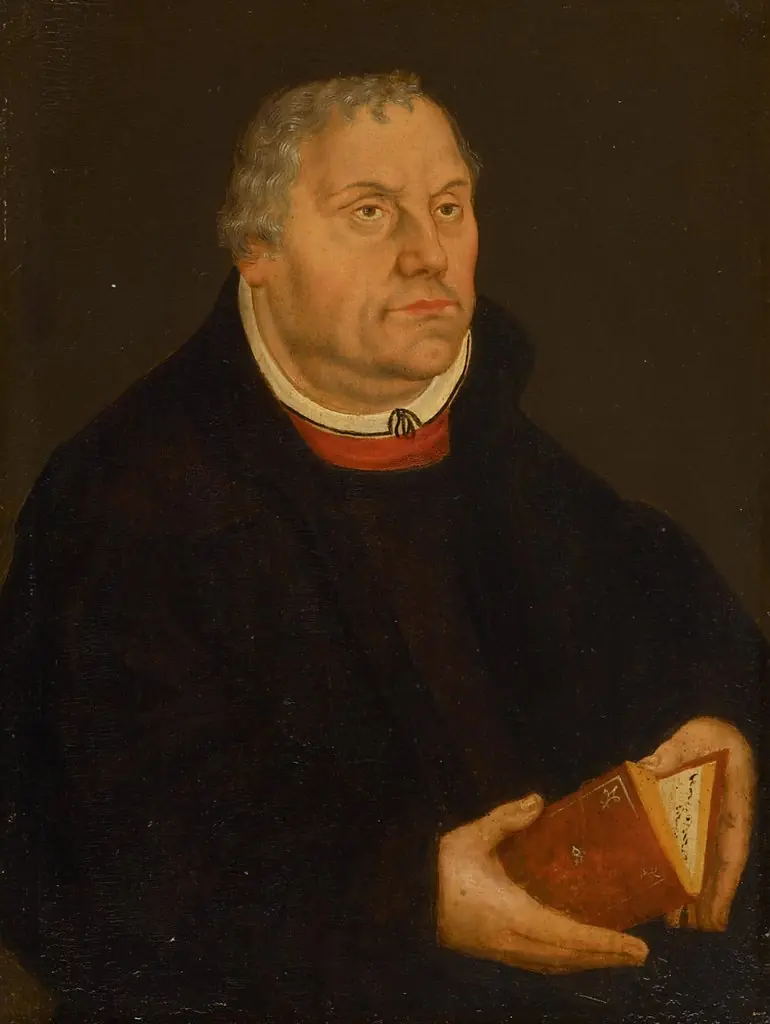
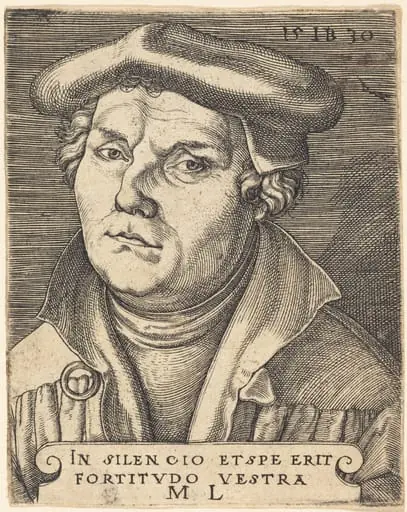
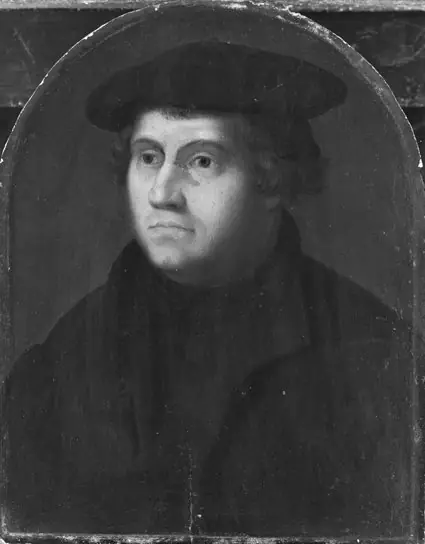
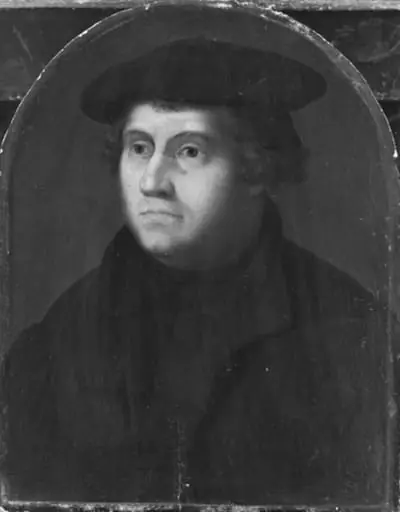
Portrait of Martin Luther is an unspecified painting by the Early Baroque Italian artist Unknown. It dates from 1532 and is held in the collection of the Statens Museum for Kunst. The work is a portrait executed in 1532 that depicts a man with a rounded face, short curly hair, and a solemn expression.
About this work
The background is plain, focusing all attention on his serious expression and the way light hits his face.
This is a close-up portrait of a man with a round face and short curly hair. He’s wearing a wide-brimmed black hat and a dark collar. The background is plain, focusing all attention on his serious expression and the way light hits his face.
The painting was made in 1532, showing a person who looks confident but not smiling. The artist used subtle shading to give the face depth.
Look up chiaroscuro to see how this lighting trick works in other paintings.
Overview
The work is a portrait executed in 1532 that depicts a man with a rounded face, short curly hair, and a solemn expression. He is dressed in a wide-brimmed black hat and a dark collar against an unadorned background, which concentrates the viewer’s focus on his visage. The image is part of the collection of the Museum of Ethnography.
Subject & Meaning
The sitter is identified as Martin Luther, the German reformer whose theological challenges reshaped European Christianity. The portrait conveys a sense of confidence and resolve, reflecting Luther’s public role as a leader of religious debate, while the lack of smile suggests a contemplative seriousness appropriate to his intellectual pursuits.
Technique & Style
The artist employed subtle gradations of light and shadow to model the facial features, a method akin to chiaroscuro that creates a three‑dimensional effect on a flat surface. The restrained palette of dark clothing and a plain backdrop emphasizes the nuanced shading on the face, giving it depth and a lifelike presence.
History & Provenance
Created in the early sixteenth century, the portrait entered the Museum of Ethnography’s holdings at an unspecified date. Its attribution to an anonymous creator, listed only as "1599_person," reflects the limited documentary evidence surrounding its origin, yet the work has remained a documented example of Luther’s visual representation since its early acquisition.
Artist & collection

 Domestic Scene
 Giacomo and Cardinal Marco, investing Andrea, Abbot of San Zeno, with his Benefice
 The Nymph of Fontainebleau
 Portrait of a Woman
 Madonna and Child with Saints in the Enclosed Garden
 Venus and Minerva
 Family Group of Four on Sofa
 Wall painting from Room H of the Villa of P. Fannius Synistor at Boscoreale