Artwork
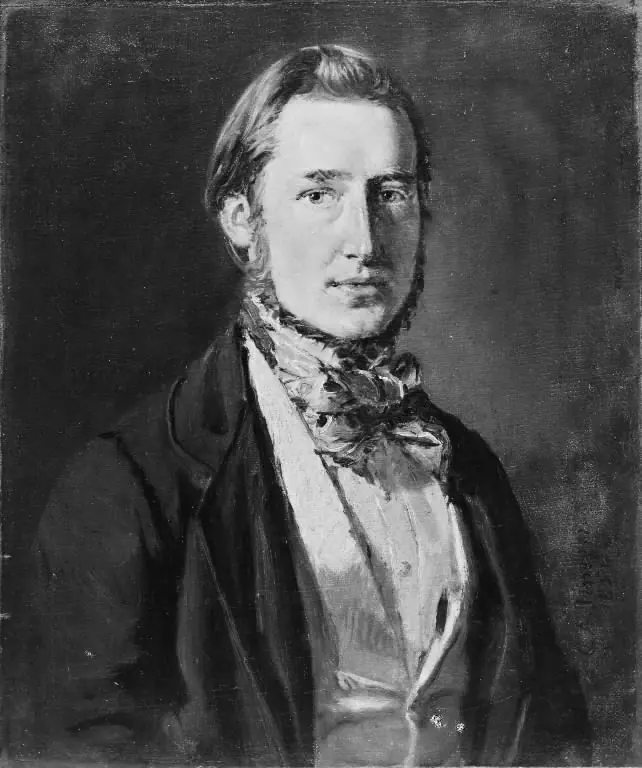
Boy Jensen, skibsbygger i Danzig, kunstnerens søn
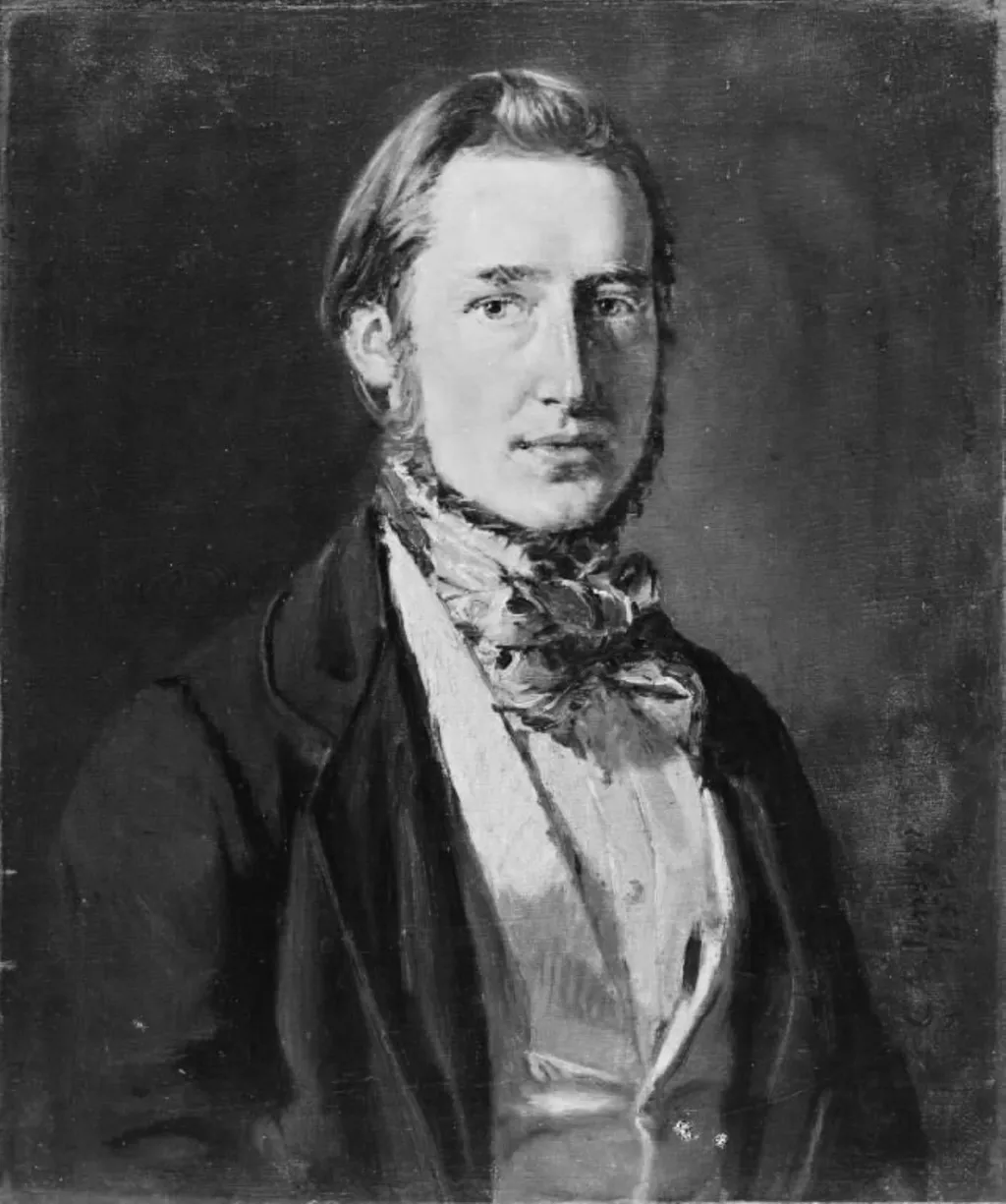
Boy Jensen, skibsbygger i Danzig, kunstnerens søn is a photography by the Impressionist artist Unknown. It dates from 1850 and is held in the collection of the Statens Museum for Kunst. This early photographic portrait, dated 1850, depicts Boy Jensen, the son of the artist 231_person, as a shipbuilder in Danzig.
About this work
Overview
Executed in black and white, the image reflects the technical limitations and formal conventions of mid-19th-century photography.
This early photographic portrait, dated 1850, depicts Boy Jensen, the son of the artist 231_person, as a shipbuilder in Danzig. Executed in black and white, the image reflects the technical limitations and formal conventions of mid-19th-century photography. It is held in the collection of the Museum of Ethnography, where it serves as a record of individual identity within a specific cultural and occupational context.
Subject & Meaning
Boy Jensen is portrayed in formal attire—a high-collared suit with a cravat—suggesting dignity and social standing. His direct gaze and composed posture convey solemnity, typical of early photographic portraiture, which often sought to project respectability. As a shipbuilder and the artist’s son, his identity bridges personal lineage and professional labor, offering insight into the artisan class in Danzig during the period.
Technique & Style
The image employs natural, even lighting to emphasize texture in the fabric of his suit and the fine detail of his combed-back hair. The plain background eliminates distraction, focusing attention on the subject’s facial features and attire. Though often mistaken for a painting, the work is a photographic print, demonstrating the medium’s emerging role in capturing likeness with precision before the advent of widespread color photography.
History & Provenance
Created in 1850, the photograph was likely made in Danzig, then part of Prussia, and later entered the collection of the Museum of Ethnography. Its preservation suggests it was valued not merely as a family memento but as a document of regional craftsmanship and social structure. The artist’s familial connection may have influenced its retention within institutional archives.
Context
In the 1850s, photography was still a novel medium, often used for portraiture among the middle and professional classes. Shipbuilding was a vital trade in Baltic port cities like Danzig, and such images helped formalize the public image of skilled laborers. This portrait reflects the intersection of emerging technology and the desire to visually affirm social roles during a time of industrial transition.
Legacy
As one of the earliest photographic records of a Baltic shipbuilder, the image contributes to the historical documentation of occupational identity in Northern Europe. It stands as a quiet testament to the personal and professional lives captured by early photographers, offering scholars a tangible link to the material culture and self-presentation of the mid-19th century.
Artist & collection

 Domestic Scene
 Giacomo and Cardinal Marco, investing Andrea, Abbot of San Zeno, with his Benefice
 The Nymph of Fontainebleau
 Portrait of a Woman
 Madonna and Child with Saints in the Enclosed Garden
 Venus and Minerva
 Family Group of Four on Sofa
 Wall painting from Room H of the Villa of P. Fannius Synistor at Boscoreale
 Peter Hiort Lorenzen, slesvigsk stænderdeputeret, kunstnerens svoger
 Peter Hiort Lorenzen, slesvigsk stænderdeputeret, kunstnerens svoger
 Powell MacRae
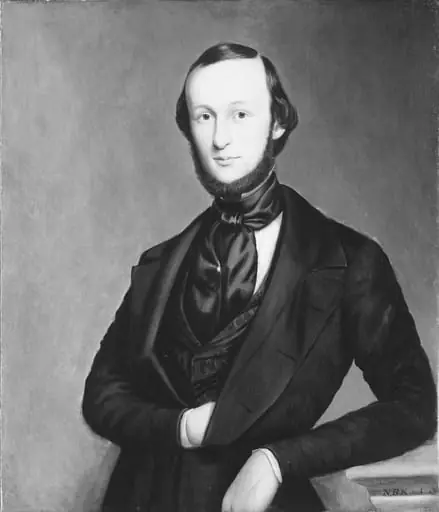 Charles Henry Augustus Carter
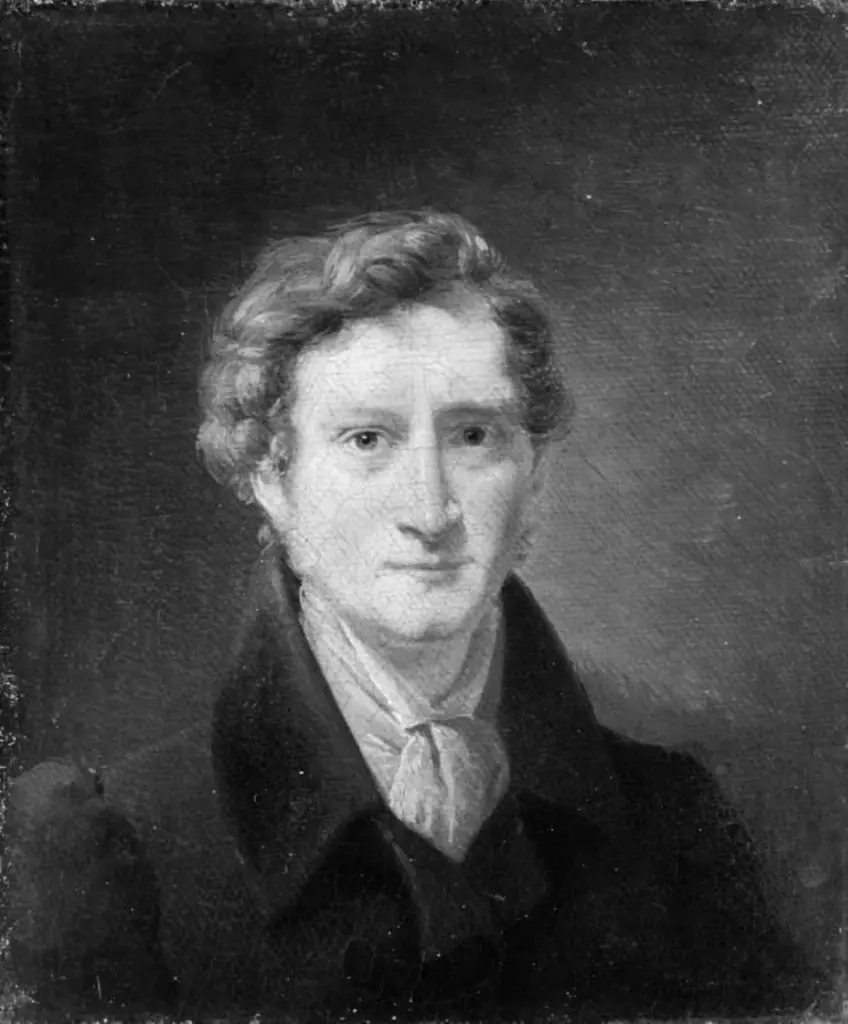 Self-portrait
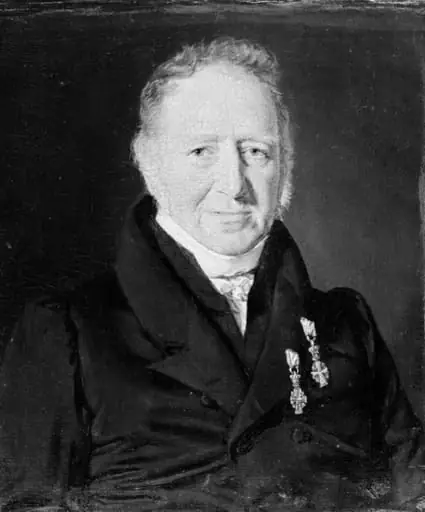 Lieutenant Colonel Johan Philip Weilbach, Maker of Sails, Flags and Compasses
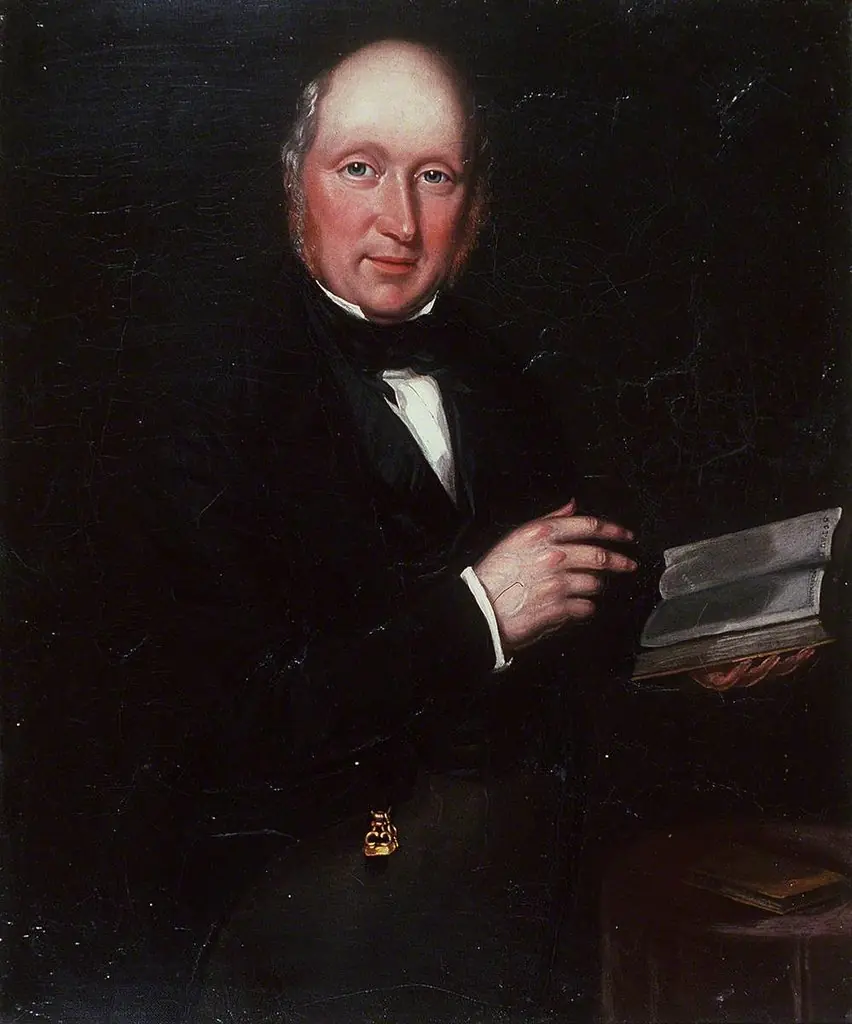 Griffith Evans
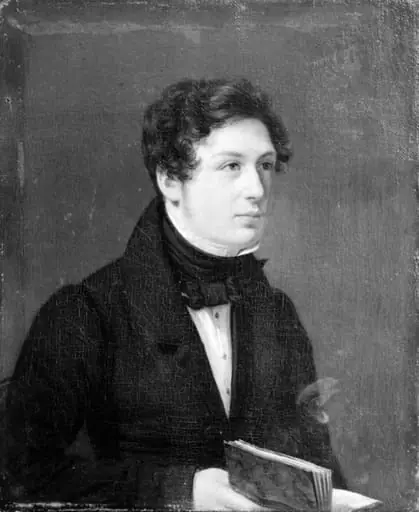 Jacob Nansen
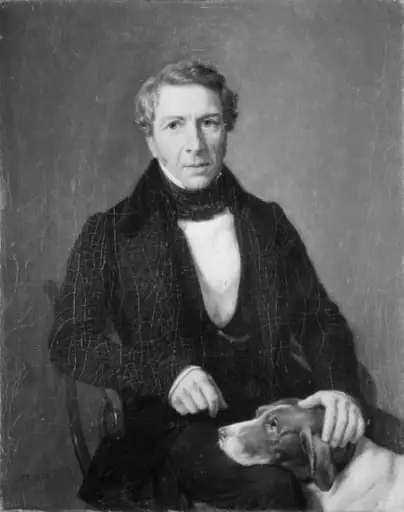 Konferensråd H.L. Frølich
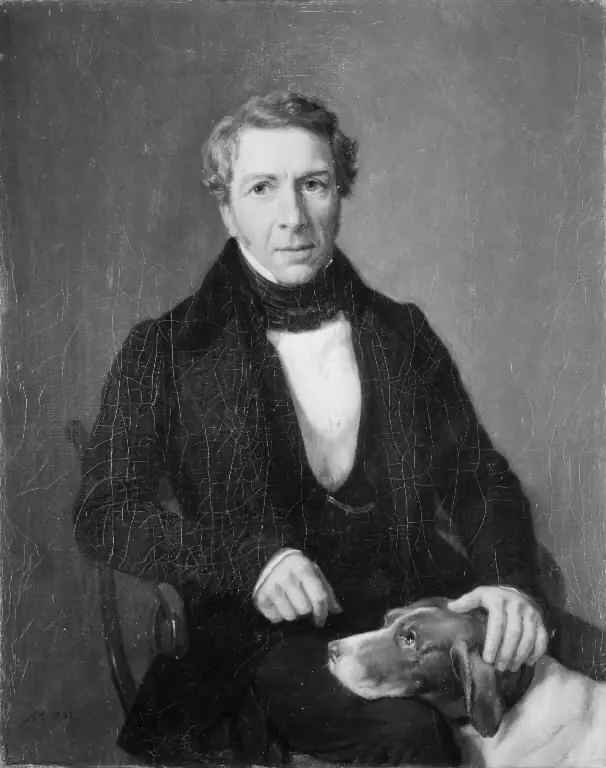 Konferensråd H.L. Frølich
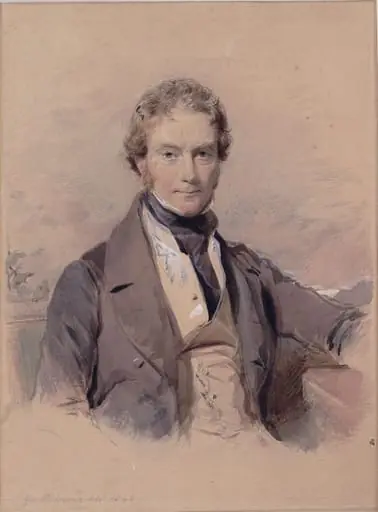 James, Lord Ruthven
 Boy Jensen, skibsbygger i Danzig, kunstnerens søn