Artwork
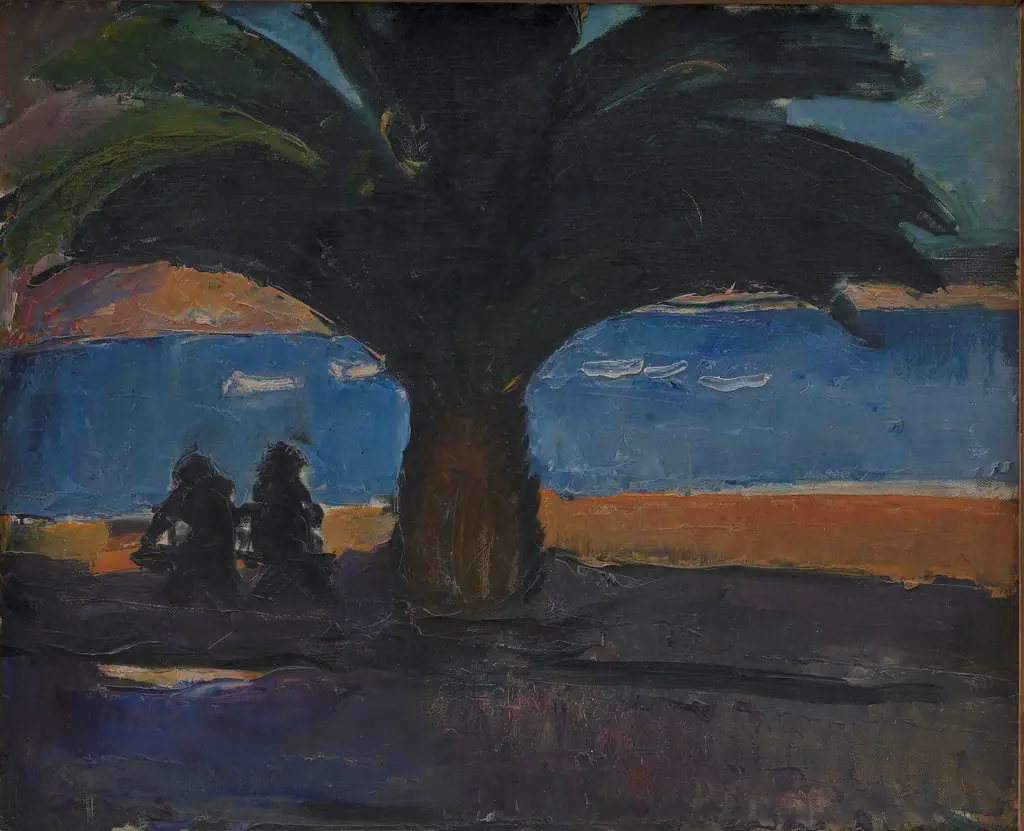
The Quay, Bandol
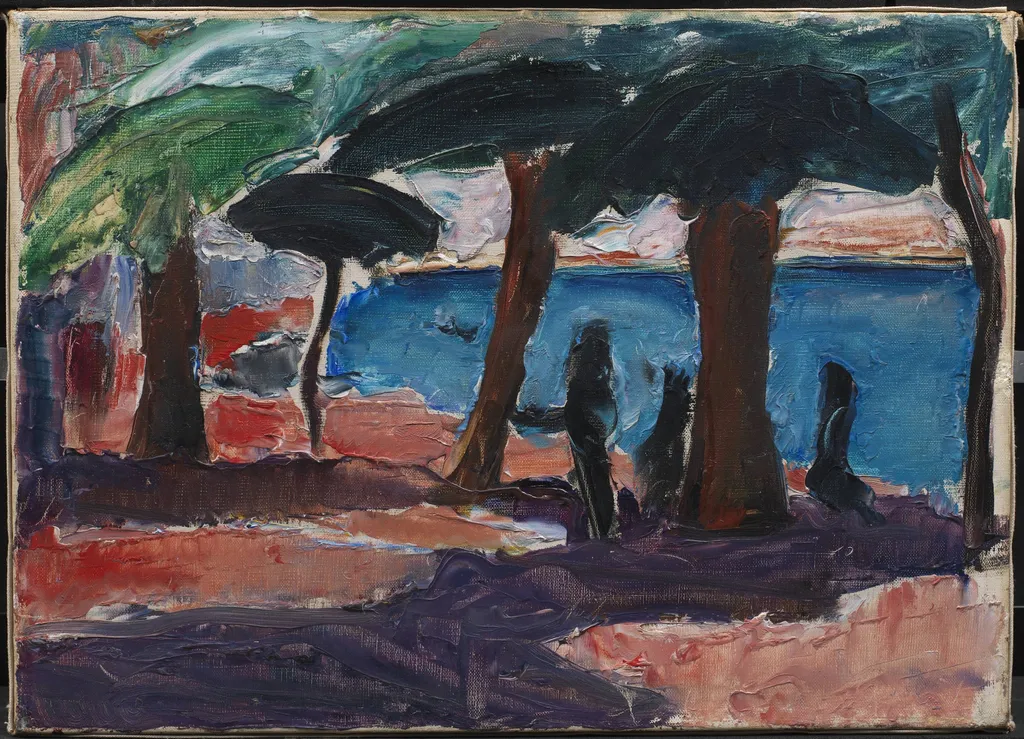
The Quay, Bandol is a photography by Unknown. It dates from 1915 and is held in the collection of the Statens Museum for Kunst.
About this work
Overview
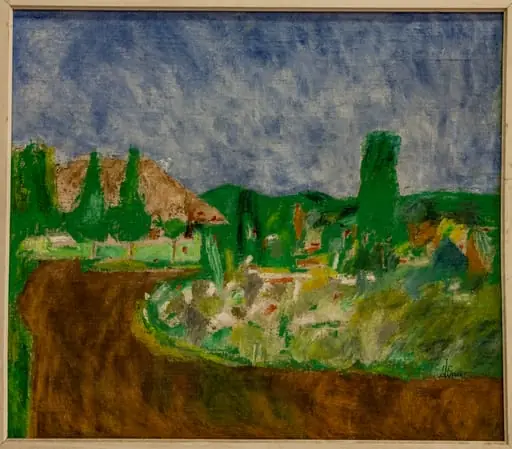
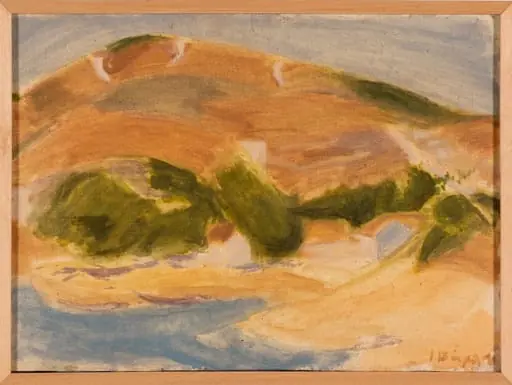
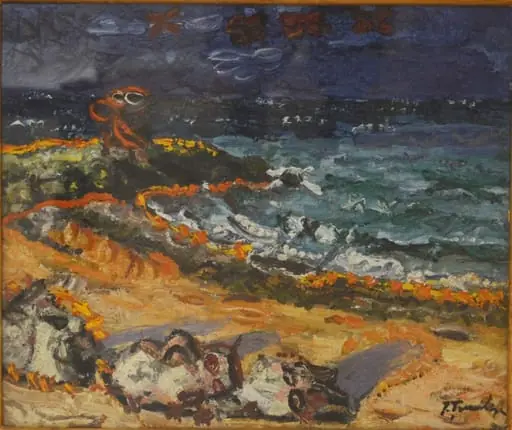
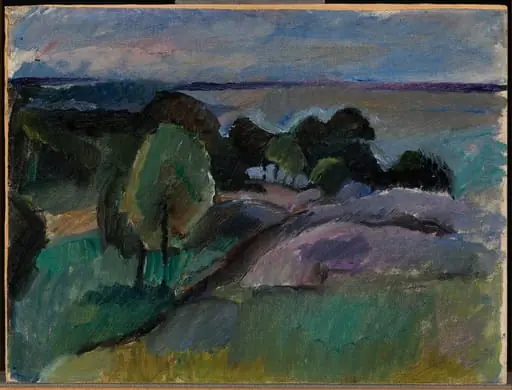
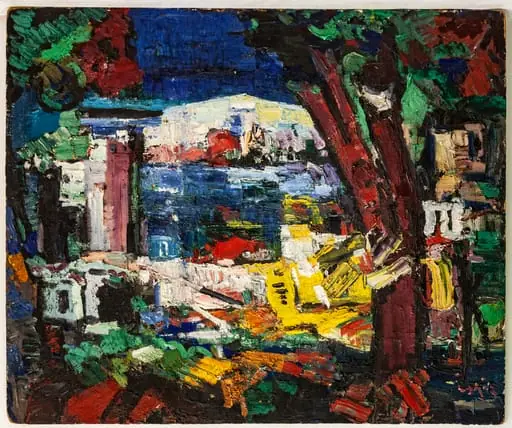
Painted in 1915, The Quay, Bandol is a landscape work by 237_person, capturing a quiet coastal dock in the French port town of Bandol. Executed in oil on canvas, the piece is part of the Museum of Ethnography’s collection. Its subdued tonality and composed layout reflect a contemplative engagement with place, avoiding dramatic narrative in favor of atmospheric stillness.
Subject & Meaning
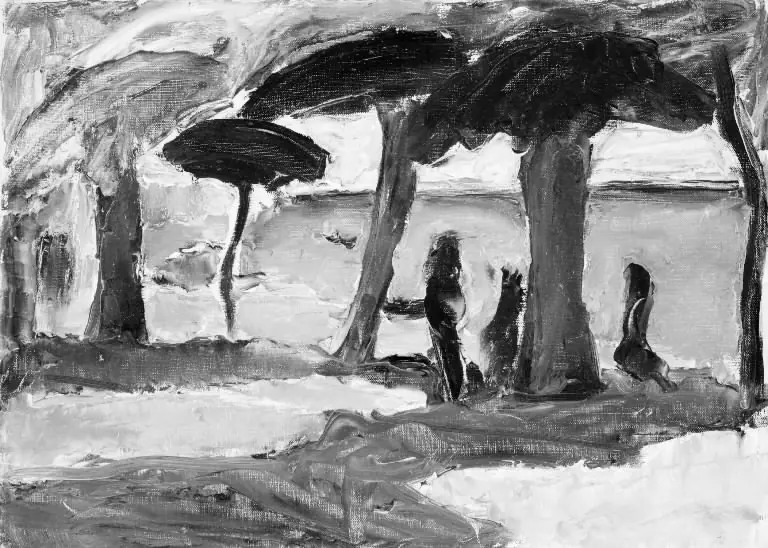
The scene centers on a modest quay, with calm water receding into the distance and a solitary figure standing near the edge.
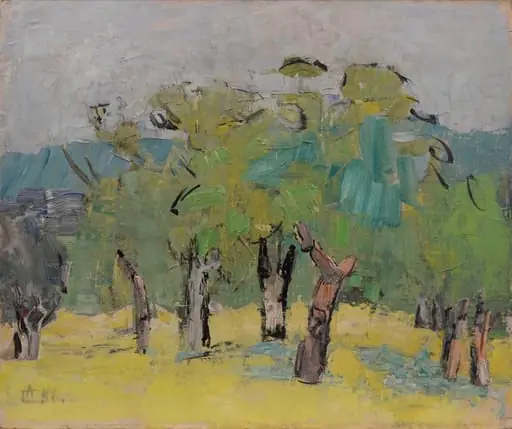
The scene centers on a modest quay, with calm water receding into the distance and a solitary figure standing near the edge. Trees frame the foreground, their forms softened by distance and light. The absence of activity or human interaction suggests a moment of pause, inviting reflection rather than storytelling. The figure, indistinct and unremarkable, becomes an anchor for the viewer’s own stillness.
Technique & Style
Brushwork is deliberate and textured, with broad strokes building the surface of water, foliage, and stone. Colors are restrained—blues, greens, and muted earth tones dominate—creating harmony without contrast. The composition directs attention horizontally along the waterline, emphasizing spatial depth through layered planes rather than linear perspective. The technique prioritizes mood over detail.
History & Provenance
The painting entered the Museum of Ethnography’s holdings after being acquired in the early 20th century, though specific details of its early ownership remain undocumented. Its placement in an ethnographic institution, rather than a fine arts collection, suggests an early interest in regional life and vernacular landscapes as cultural artifacts, though the artist’s intent is not explicitly tied to ethnographic study.
Context
Created during a period when many European artists were turning from urban subjects to coastal and rural scenes, The Quay, Bandol aligns with broader trends of quiet realism. Bandol, a modest fishing port, offered a retreat from industrialization. The work reflects a regional sensitivity common among artists seeking solace in natural rhythms, though it lacks the overt symbolism or avant-garde experimentation of contemporaries.
Legacy
The Quay, Bandol remains a quiet example of early 20th-century landscape painting, valued for its emotional restraint and technical clarity. While not widely exhibited or studied, it contributes to understanding how lesser-known artists engaged with place and atmosphere during a time of artistic upheaval. Its presence in an ethnographic museum underscores shifting definitions of cultural value in the early 1900s.
Artist & collection

 Domestic Scene
 Giacomo and Cardinal Marco, investing Andrea, Abbot of San Zeno, with his Benefice
 The Nymph of Fontainebleau
 Portrait of a Woman
 Madonna and Child with Saints in the Enclosed Garden
 Venus and Minerva
 Family Group of Four on Sofa
 Wall painting from Room H of the Villa of P. Fannius Synistor at Boscoreale