Artwork
The Court Jeweller Christopher Fabritius and his Wife Gundel, née Berntz
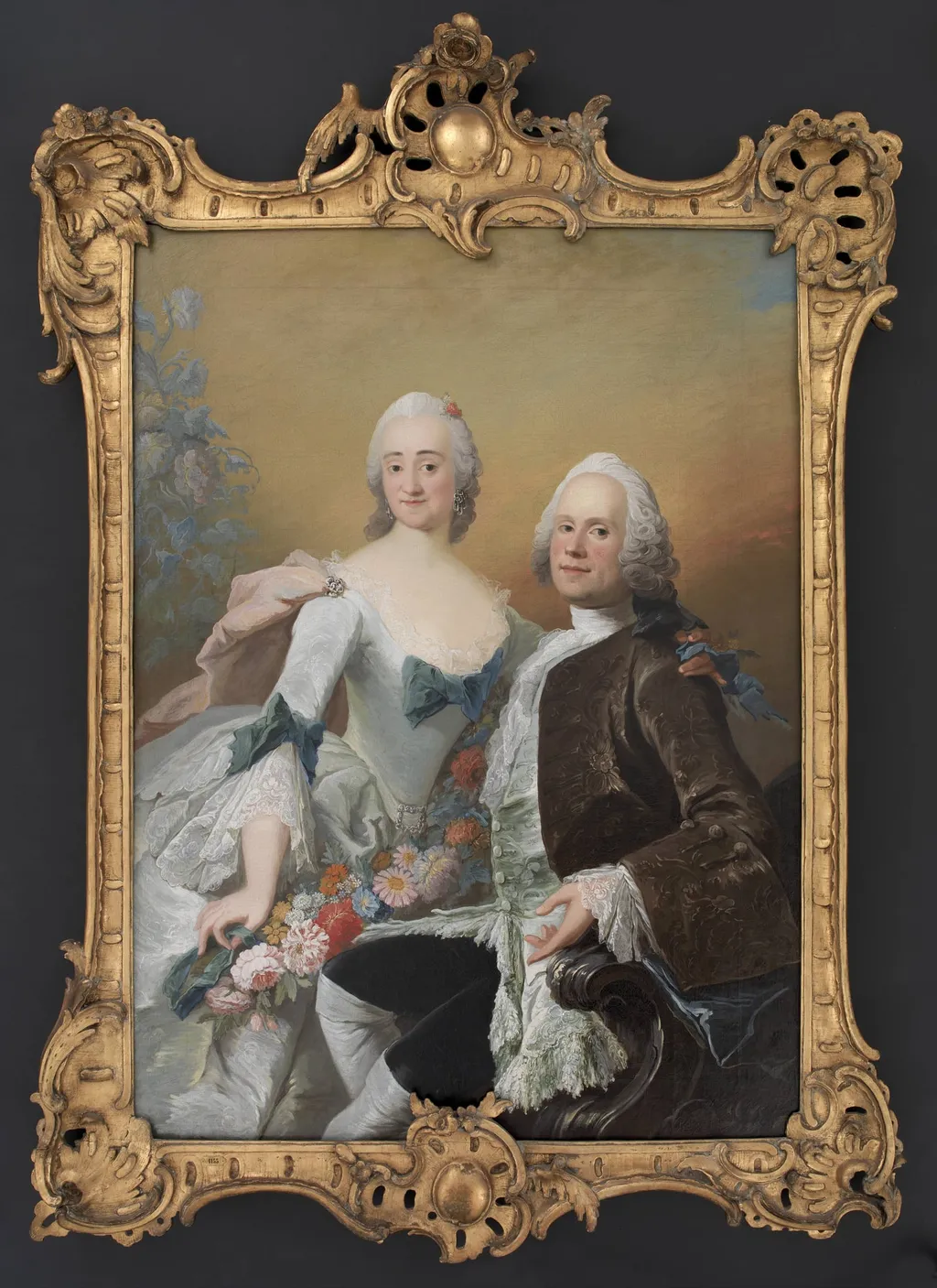
The Court Jeweller Christopher Fabritius and his Wife Gundel, née Berntz is a photography by the Romanticist artist Unknown. It dates from 1752 and is held in the collection of the Statens Museum for Kunst. Painted in 1752, this portrait depicts Christopher Fabritius, court jeweler to the Danish royal family, and his wife Gundel, born Berntz.
About this work
Overview
It is currently held in the collection of the Museum of Ethnography, where it serves as a record of elite domestic life in mid-18th-century Denmark.
Painted in 1752, this portrait depicts Christopher Fabritius, court jeweler to the Danish royal family, and his wife Gundel, born Berntz. The work is attributed to an artist associated with the Danish court, though the painter’s full identity remains unconfirmed. It is currently held in the collection of the Museum of Ethnography, where it serves as a record of elite domestic life in mid-18th-century Denmark.
Subject & Meaning
The couple is portrayed in a composed, intimate setting, suggesting status and domestic harmony. Fabritius’s formal attire and silver hair convey authority and age, while his wife’s delicate dress, floral bouquet, and soft cap reflect refined femininity. Their side-by-side positioning implies partnership, and the inclusion of a potted plant may symbolize growth or domestic virtue, common in bourgeois portraiture of the period.
Technique & Style
The artist employs fine brushwork to render the textures of lace, fur, and silk with precision. Soft, diffused lighting enhances the luminosity of the sitters’ faces, creating a gentle contrast against the darker background. This use of chiaroscuro draws focus to their expressions and attire without dramatic intensity, aligning with the restrained elegance characteristic of Nordic portraiture in the mid-1700s.
History & Provenance
Commissioned during Fabritius’s tenure as court jeweler, the painting likely served as a personal and social statement of the family’s standing. It remained within the family or Danish aristocratic circles before entering the Museum of Ethnography’s collection. Its preservation reflects an early interest in documenting the material culture of Denmark’s professional elite beyond royalty.
Context
In mid-18th-century Denmark, portraiture among the merchant and courtly classes increasingly emphasized personal identity and domestic life. Fabritius’s position as a jeweler to the crown placed him in a unique social niche—wealthy but not noble. This portrait reflects the rising visual culture of the burgher class, blending aristocratic conventions with bourgeois values of refinement and family.
Legacy
The portrait endures as a quiet testament to the visibility of non-noble elites in Danish visual history. Its meticulous detail and subdued tone distinguish it from more flamboyant royal portraits, offering insight into the aesthetics and social aspirations of court-connected professionals. It remains a key example of how personal identity was visually constructed outside the monarchy.
Artist & collection

 Domestic Scene
 Giacomo and Cardinal Marco, investing Andrea, Abbot of San Zeno, with his Benefice
 The Nymph of Fontainebleau
 Portrait of a Woman
 Madonna and Child with Saints in the Enclosed Garden
 Venus and Minerva
 Family Group of Four on Sofa
 Wall painting from Room H of the Villa of P. Fannius Synistor at Boscoreale
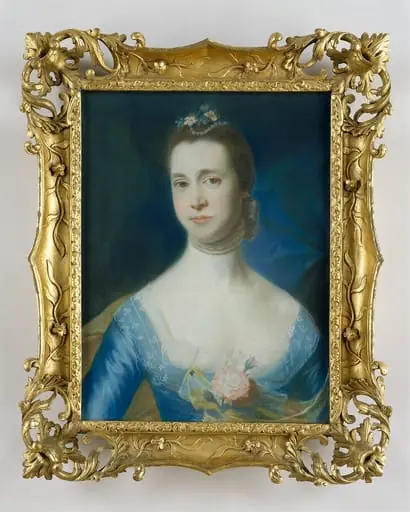 Mrs. Edward Green (Mary Storer)
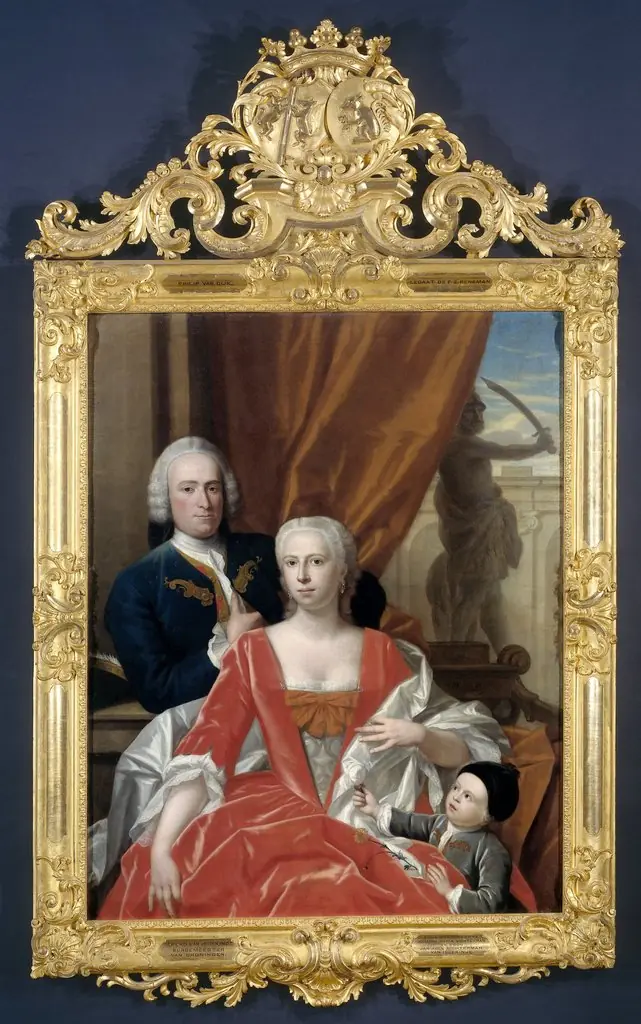 Berend van Iddekinge with his Wife and their Son
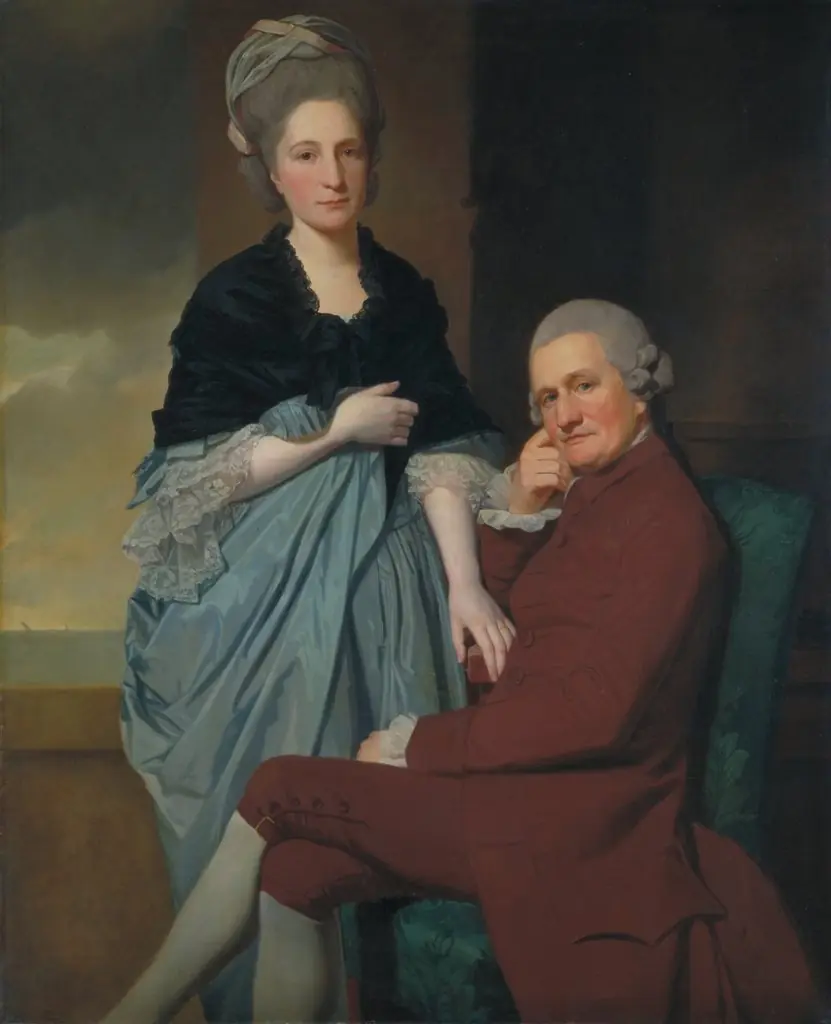 Mr and Mrs William Lindow
 Hannah Loring
 Mrs. Joseph Blaney (Abigail Browne)
 Mr. and Mrs. Thomas Russell
 A Couple Making Music
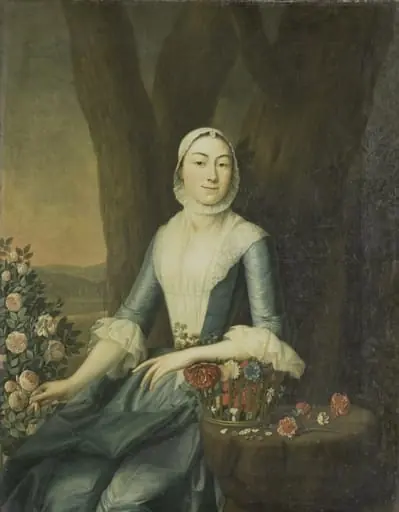 Portrait of Magdalena van Citters, Wife of Adriaen Isaac Hurgronje
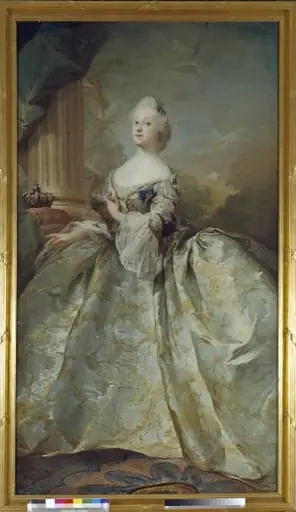 Portræt af Louise, Frederik V's første dronning
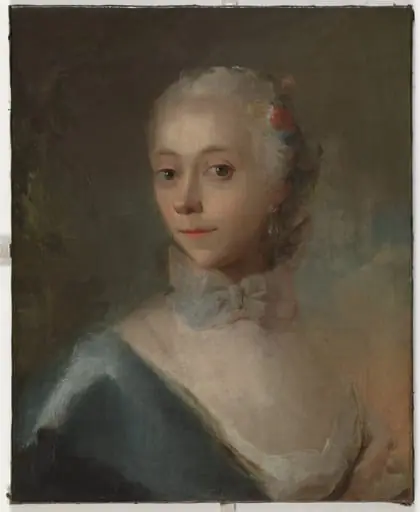 Dameportræt