Artwork
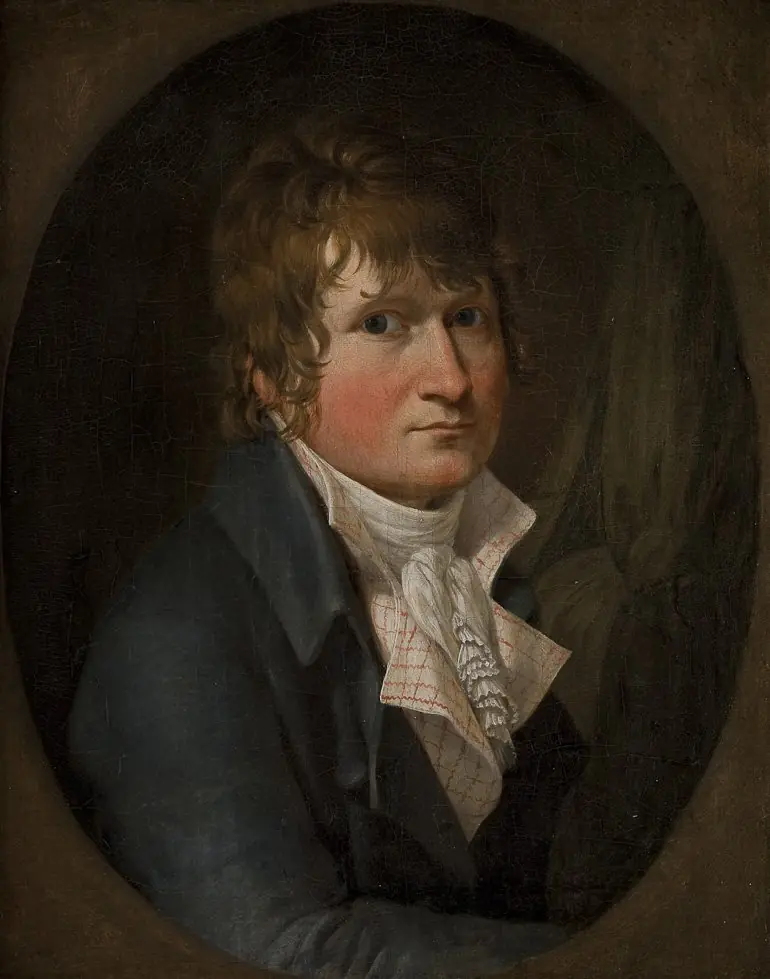
Self-Portrait
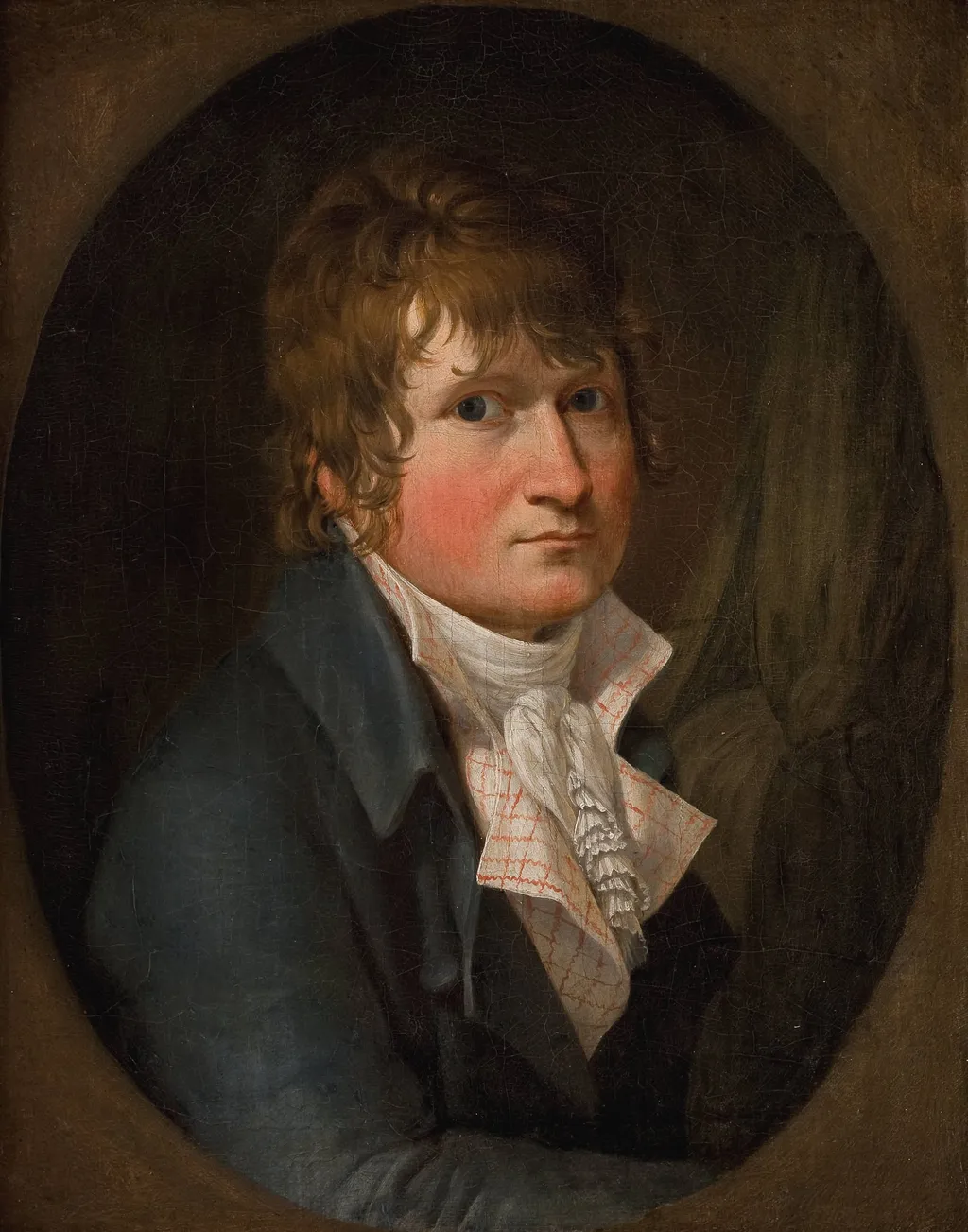
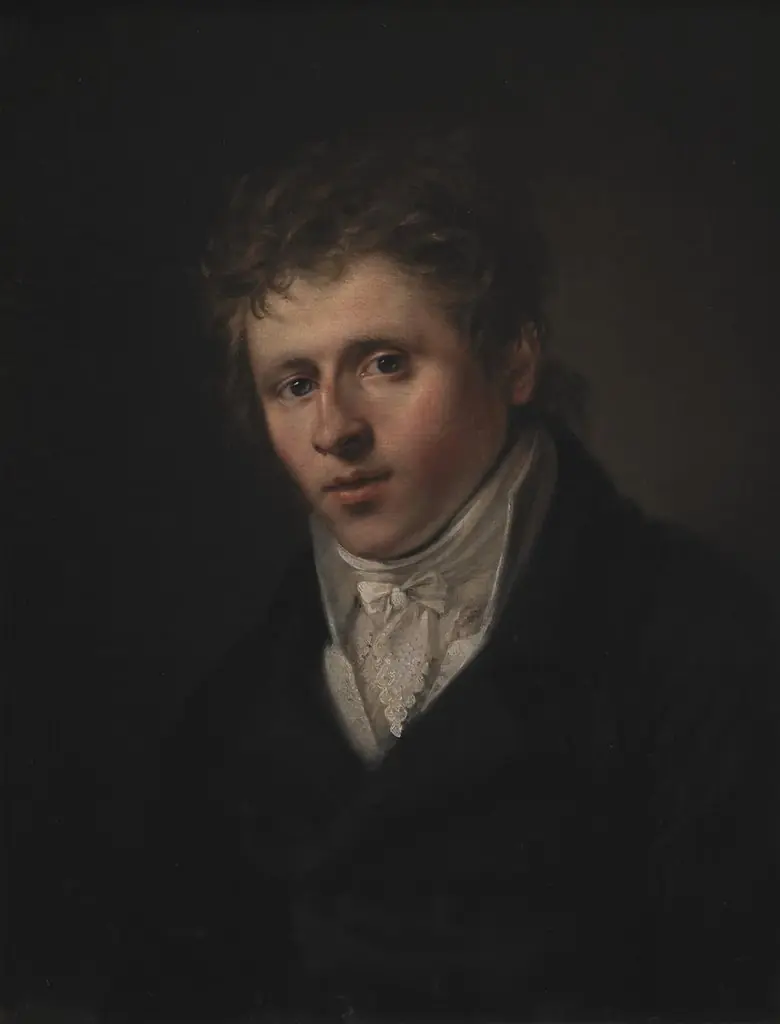
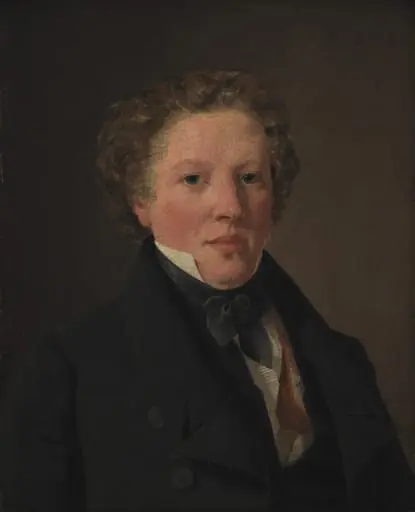
Self-Portrait is an unspecified painting by Unknown artist. It is held in the collection of the Statens Museum for Kunst. This portrait is attributed to Xun Xu, a scholar-official of the late Three Kingdoms and early Jin period.
About this work
Overview
Though traditionally dated to the 1850s, this timeline conflicts with his historical lifespan, suggesting a misattribution or later reproduction.
This portrait is attributed to Xun Xu, a scholar-official of the late Three Kingdoms and early Jin period. Though traditionally dated to the 1850s, this timeline conflicts with his historical lifespan, suggesting a misattribution or later reproduction. The work is held in the Museum of Ethnography and presents a solitary male figure rendered with focused attention on facial expression and attire, against a dark, unadorned background.
Subject & Meaning
The subject, identified as Xun Xu, appears in formal attire with a white cravat, suggesting his status as a court official. The calm, serious expression and slight head tilt convey introspection rather than grandeur. The absence of symbolic objects or context implies an emphasis on personal identity, possibly intended as a private reflection rather than a public statement of authority.
Technique & Style
The painting employs directional lighting to model the face, casting the cheeks and forehead in highlight while leaving the lower face and neck in shadow. This suggests awareness of chiaroscuro effects, though the brushwork on the cravat is looser and less refined, hinting at experimental or hurried execution. The plain background isolates the figure, directing focus to subtle facial nuances and texture contrasts.
History & Provenance
The portrait's attribution to Xun Xu is historically problematic, as he lived in the 3rd century CE, not the 19th century. It may be a later imitation, a misdated copy, or a modern fabrication. Its presence in the Museum of Ethnography implies it was collected as an example of East Asian portraiture, though its origins remain uncertain and likely reflect 19th-century reinterpretations of earlier traditions.
Context
In early Chinese portraiture, personal likenesses were rare outside of ancestral veneration or court records. This image’s emphasis on individual expression diverges from typical conventions, raising questions about its cultural context. If not a genuine 3rd-century work, it may reflect 19th-century Western-influenced aesthetics or romanticized reconstructions of historical figures.
Legacy
The portrait’s enduring presence in a museum setting underscores its role as a point of curiosity rather than a canonical artwork. It invites discussion about the intersection of historical accuracy and artistic representation, particularly when cultural identities are reimagined across centuries. Its technical inconsistencies and chronological anomalies make it a case study in attribution and reception.
Artist & collection
Artist
Xun Xu (c. 221 – 289), courtesy name Gongzeng, was a Chinese musician, painter, politician, and writer who lived during the late Three Kingdoms period and early Jin dynasty of China. Born in the influential Xun family,…

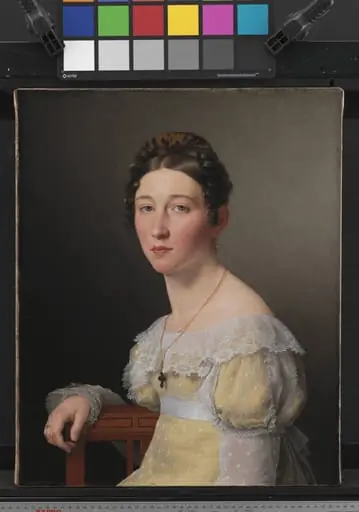 Portrait of Emilie Henriette Massmann, Betrothed of Frederik Wilhelm Caspar von Benzon
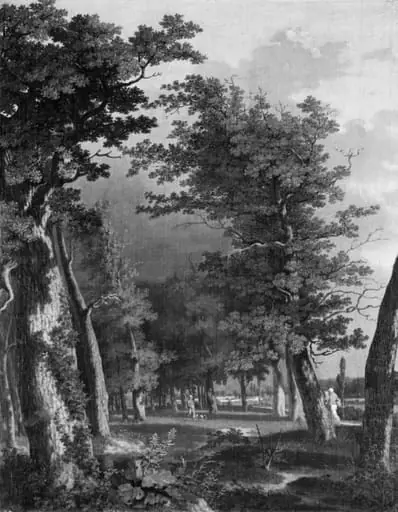 Landscape with Trees near Paris
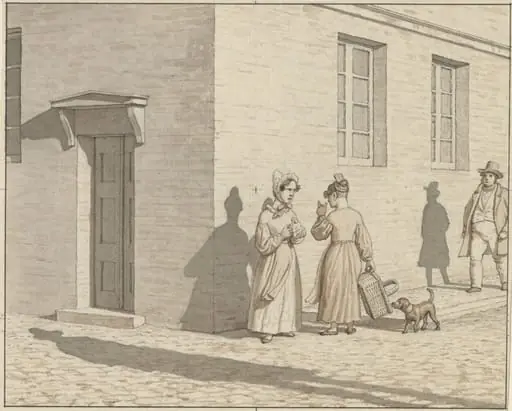 Linear Perspective as Applied in Painting - Plate VII, 1 - A Street Corner Encounter
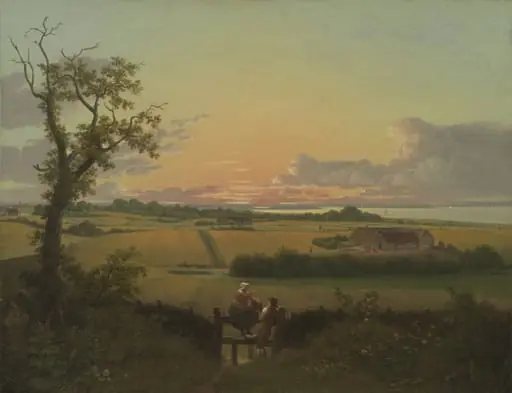 Landscape with a Stile. The Isle of Møn
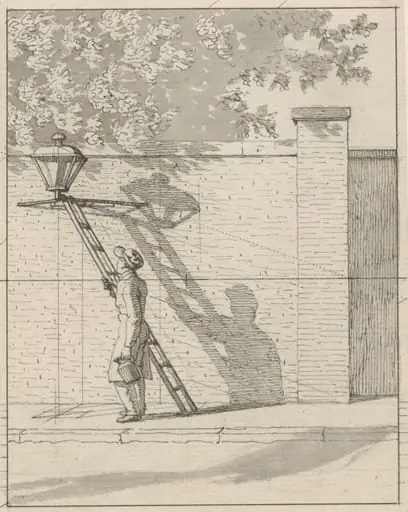 Linear Perspctive as Applied in Painting - Plate VI. The Street Lamp on the Garden Wall, Daylight
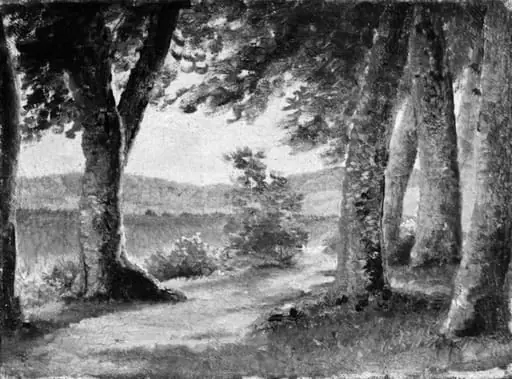 Study of a Wood
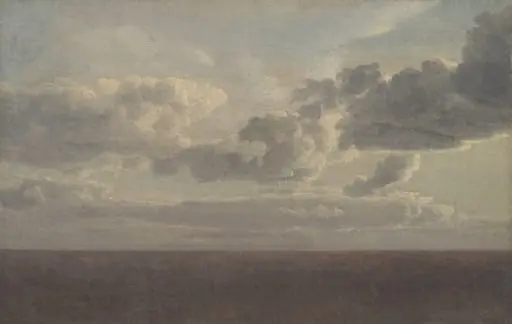 Study of Clouds over the Sea
 The Three Maries at the Tomb of Christ. Study
 Self-Portrait
 Portret van een man
 Self Portrait
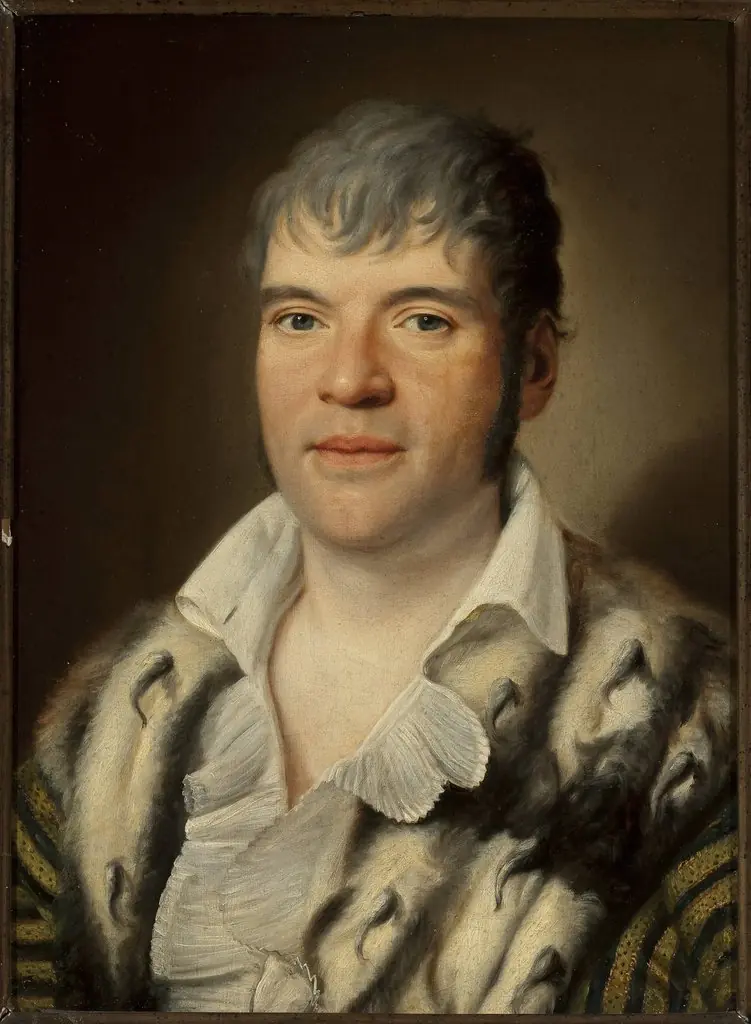 Portrait of Antoni Lesznowski (1769–1820)
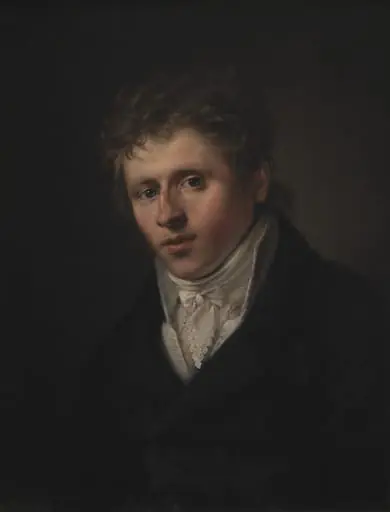 Portrait of the painter Johan Christian Dahl
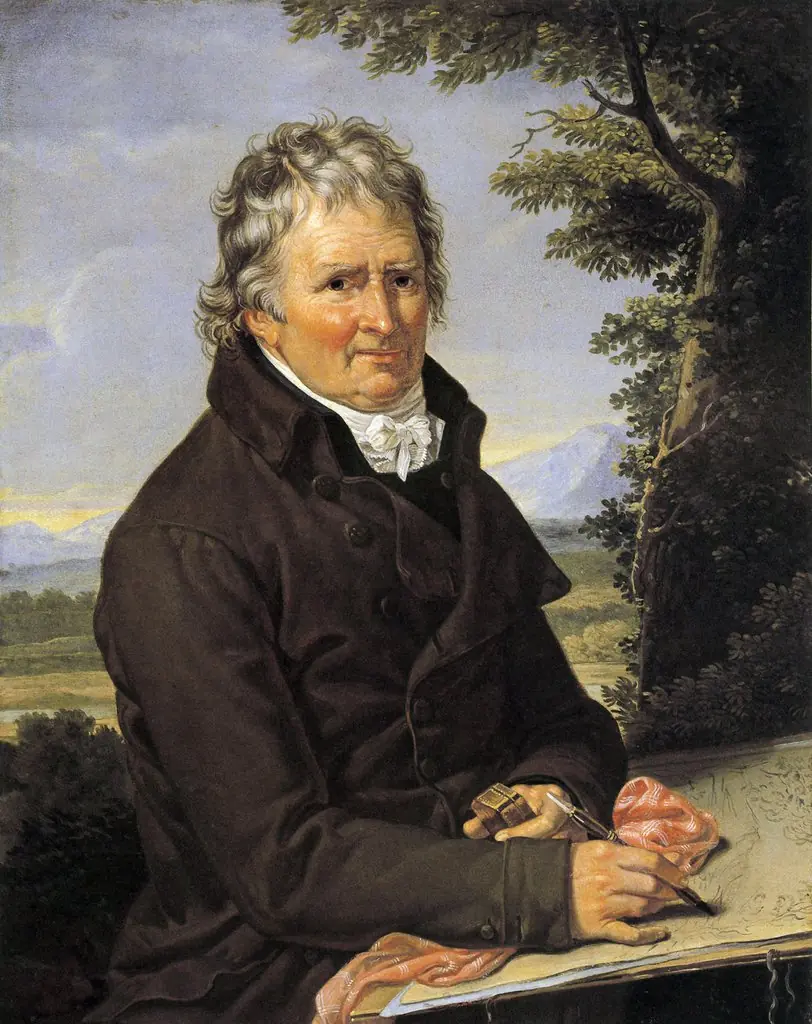 Der Maler Jacob Philipp Hackert
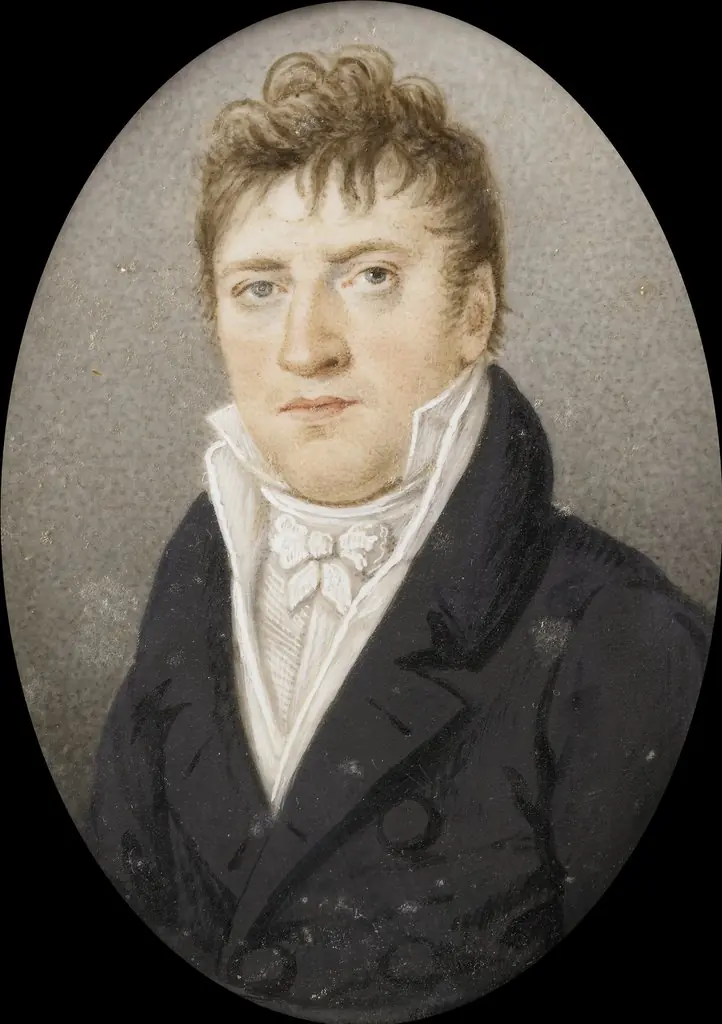 Portrait of Georg Albrecht Diederichs (1751-1816)
 Gervais, Jr.
 Portrait of the Artist's Father
 Portrait of J.C. Dahl
 Portrait of Antoni Ostrowski
 The Actor Christoffer Hvid