Artwork
Descent from the Cross
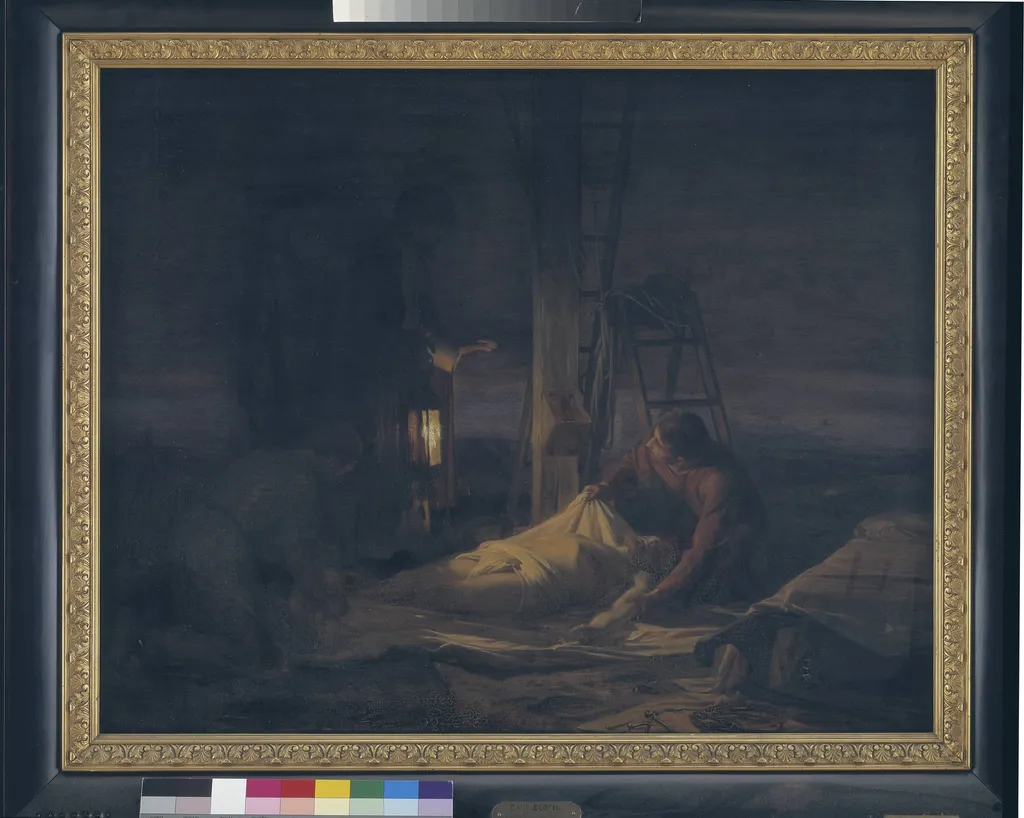
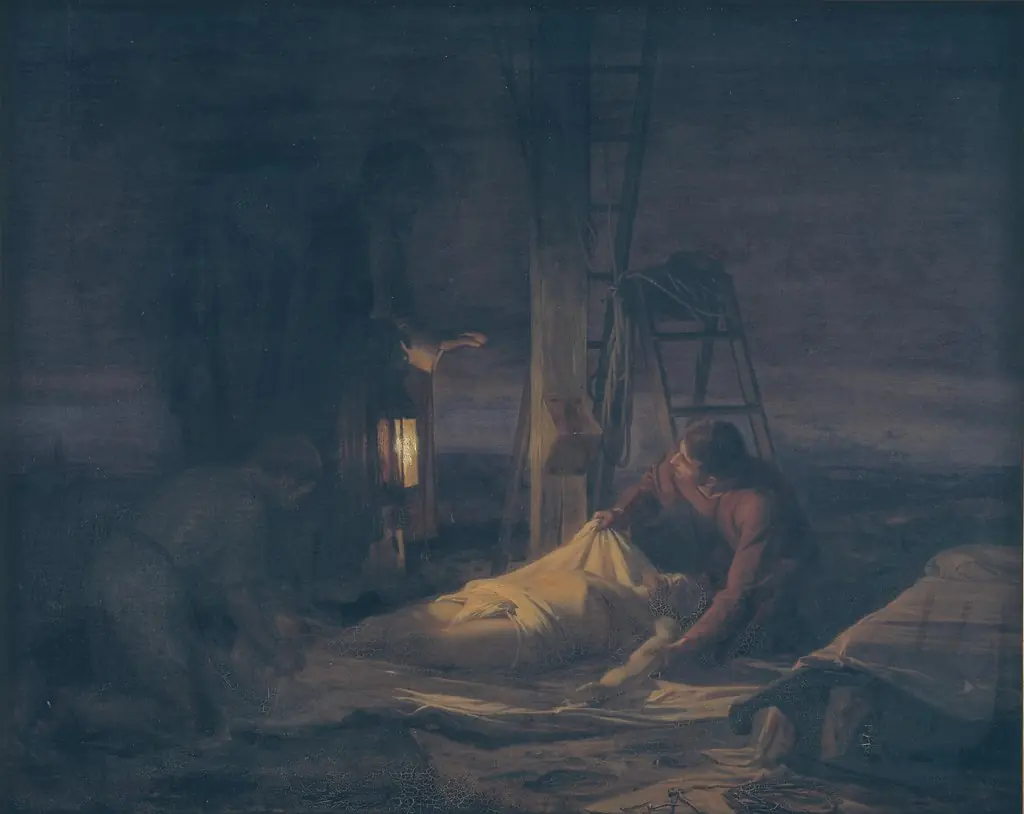
Descent from the Cross is a photography by the Impressionist artist Unknown. It dates from 1886 and is held in the collection of the Statens Museum for Kunst. Painted in 1886 by 258_person, this work depicts a quiet, reverent moment following a death.
About this work
Overview
The painting resides in the Museum of Ethnography, where it is contextualized within broader cultural expressions of mourning.
Painted in 1886 by 258_person, this work depicts a quiet, reverent moment following a death. The scene is set in a dim, enclosed space, with figures gathered around a body wrapped in white fabric. The composition emphasizes stillness and grief, avoiding dramatic gestures in favor of subdued, intimate postures. The painting resides in the Museum of Ethnography, where it is contextualized within broader cultural expressions of mourning.
Subject & Meaning
The central figure, covered in a plain white cloth, suggests a deceased person surrounded by mourners dressed in dark garments. The kneeling and standing figures convey quiet reverence rather than overt lamentation. The absence of overt religious symbols shifts focus to universal themes of loss and communal sorrow, grounding the scene in human experience rather than doctrinal narrative.
Technique & Style
The artist employs chiaroscuro to model forms and direct attention toward the central body. Light enters from the left, softly illuminating the cloth and faces while leaving the background in deep shadow. Brushwork is restrained, with muted tones and minimal detail, reinforcing the somber mood. The lack of ornamental elements enhances the painting’s emotional austerity and focus on presence.
History & Provenance
Created in 1886, the painting entered the collection of the Museum of Ethnography shortly after its completion. Its acquisition reflects an interest in non-traditional religious imagery and everyday expressions of grief. There is no record of public exhibition prior to its institutional acquisition, suggesting it was not widely circulated in its early years.
Context
In late 19th-century Europe, depictions of death often leaned toward theatricality or spiritual symbolism. This work diverges by focusing on quiet, unadorned mourning, aligning with emerging realist and ethnographic interests in ordinary rituals. Its placement in an ethnographic museum signals a shift toward viewing such scenes as cultural practices rather than theological statements.
Legacy
Though not widely reproduced or studied in mainstream art history, the painting contributes to a quieter lineage of 19th-century works that prioritize emotional restraint over spectacle. It remains a reference point in the museum’s collection for its understated treatment of death, offering a counterpoint to more dramatic religious narratives of the period.
Artist & collection

 Domestic Scene
 Giacomo and Cardinal Marco, investing Andrea, Abbot of San Zeno, with his Benefice
 The Nymph of Fontainebleau
 Portrait of a Woman
 Madonna and Child with Saints in the Enclosed Garden
 Venus and Minerva
 Family Group of Four on Sofa
 Wall painting from Room H of the Villa of P. Fannius Synistor at Boscoreale
 The Daughter of Jairius
 The Entombment
 The Adoration of the Shepherds: a Night Piece
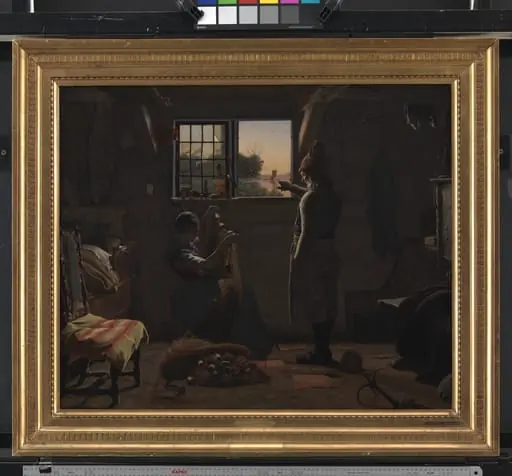 En fisker viser sin datter en bortsejlende båd
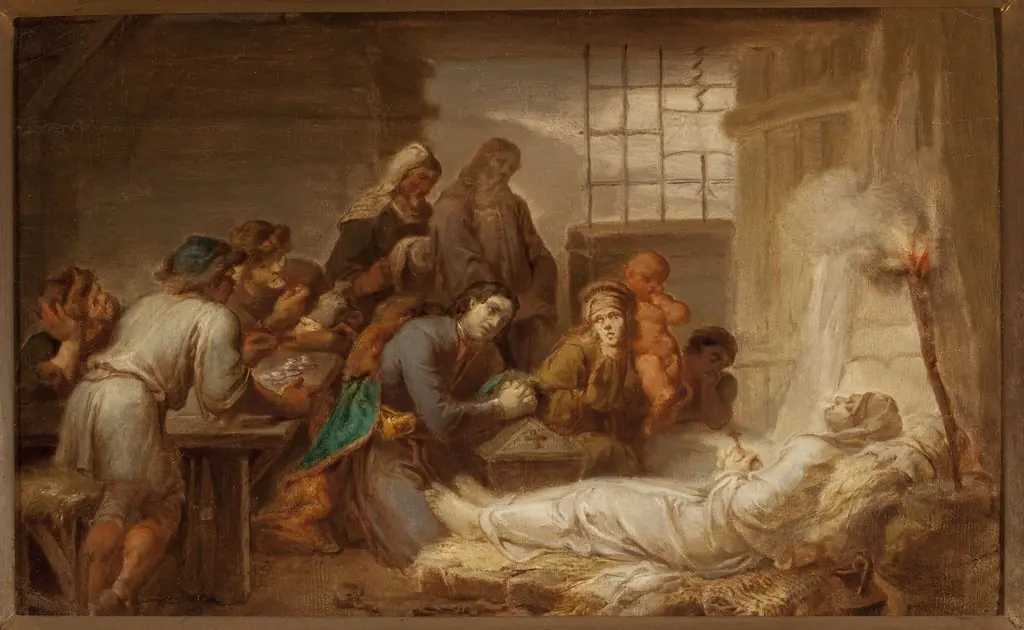 Death in exile
 To tiggerbørn i et bondekøkken
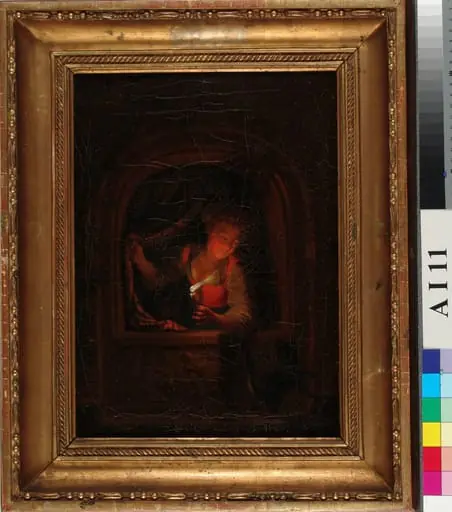 Nuori nainen ja kynttilä, kopio Gerrit Doun mukaan
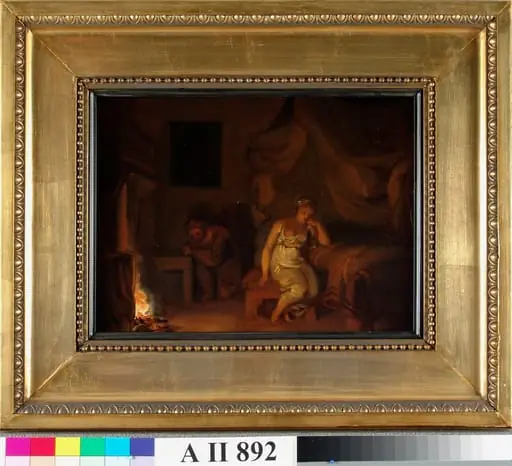 Tobias rukoilee häähuoneessa
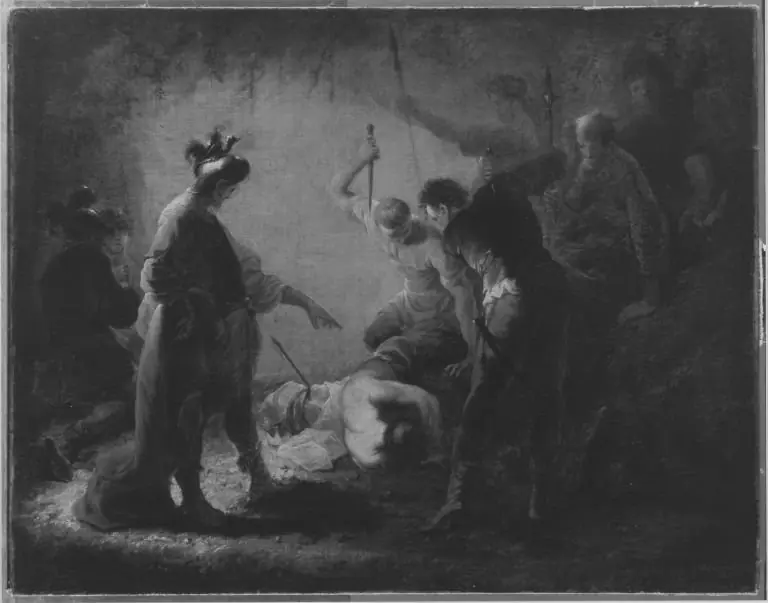 Die Ermordung des hl. Severus
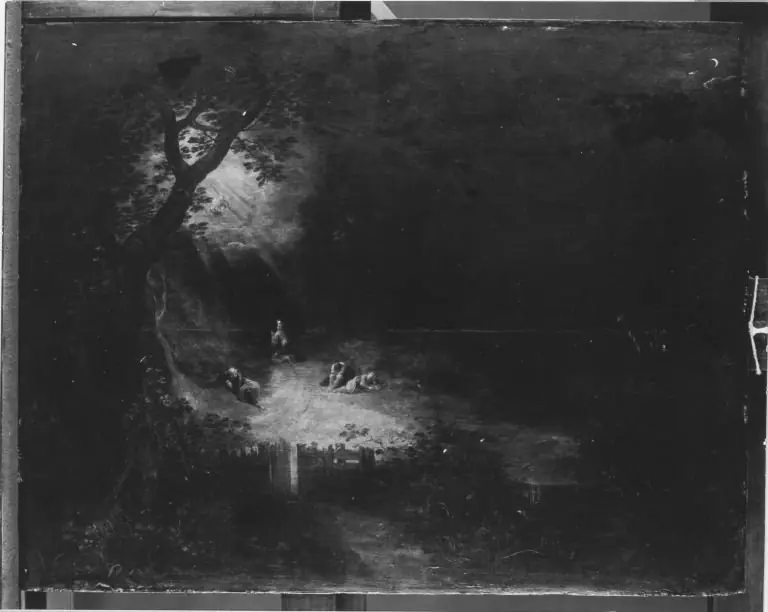 Christus am Ölberg
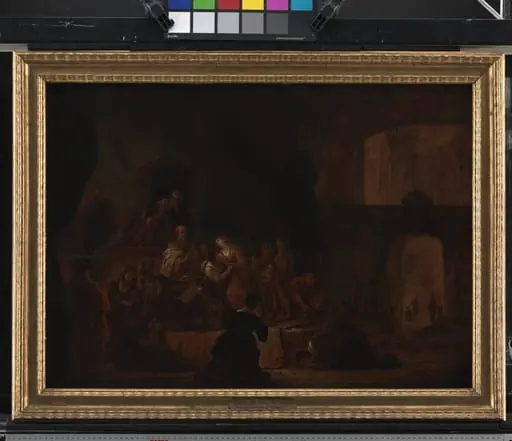 Jephta's Daughter Being Led to the Altar
 Descent from the Cross