Artwork
Death in exile
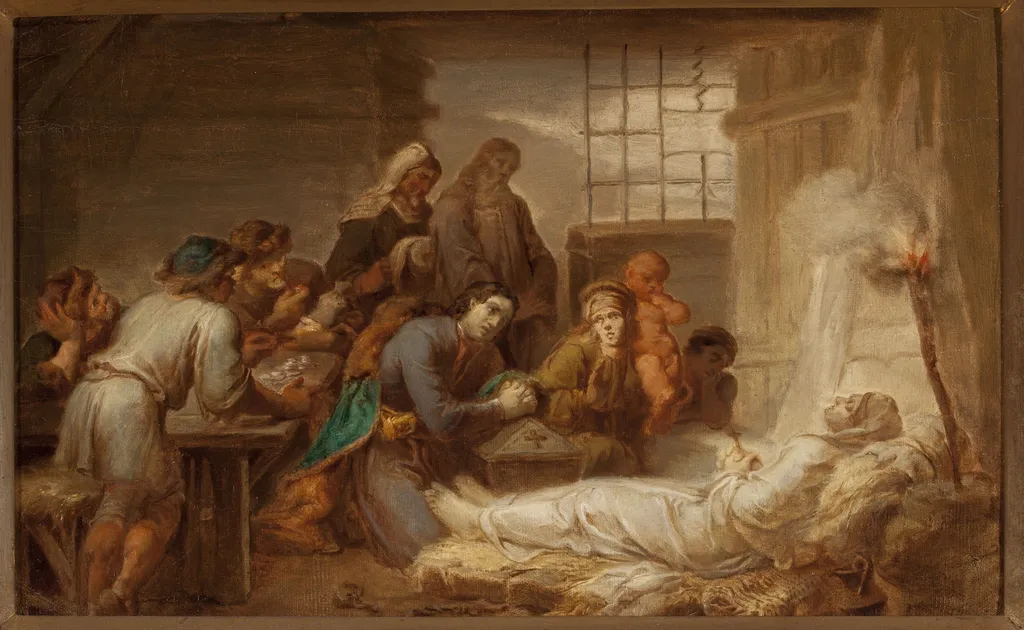
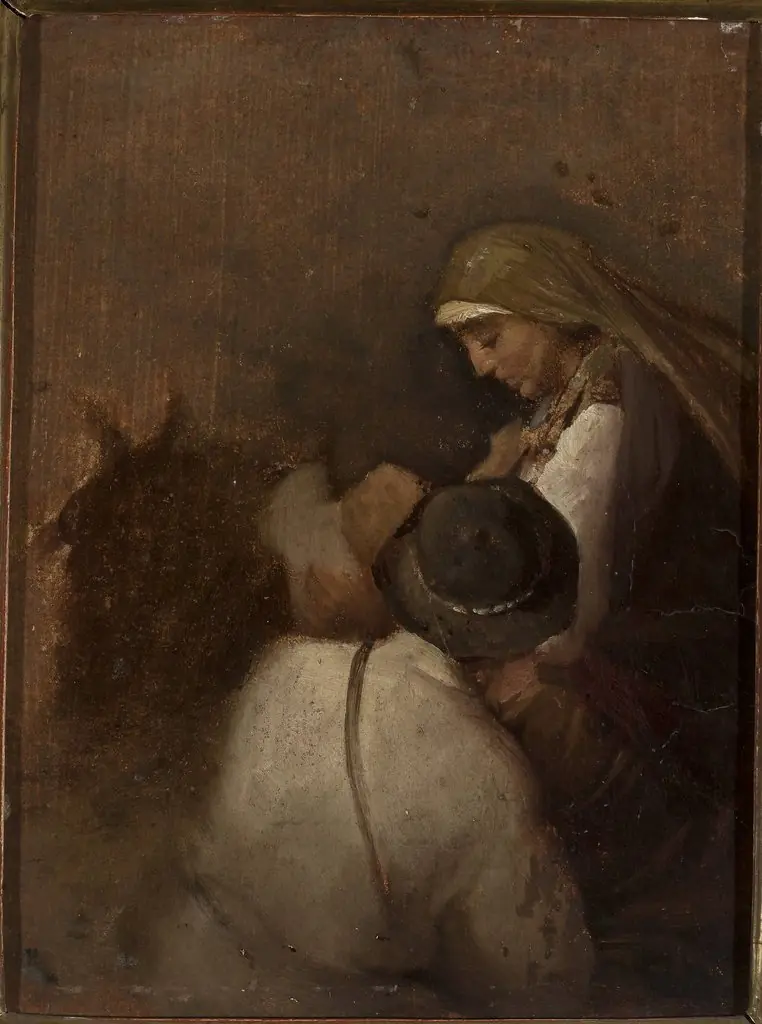
Death in exile is an unspecified painting by the Realist artist Aleksander Kotsis. It dates from 1864 and is held in the collection of the National Museum in Warsaw.
About this work
Overview
Painted in 1864 by Polish artist Aleksander Kotsis, *Death in Exile* is a small-scale oil painting that captures a quiet moment of grief.
Painted in 1864 by Polish artist Aleksander Kotsis, *Death in Exile* is a small-scale oil painting that captures a quiet moment of grief. Though Kotsis was known for landscapes and genre scenes, this work turns inward, focusing on intimate human sorrow. It resides in the National Museum in Warsaw and reflects the artist’s engagement with Realism, emphasizing unembellished emotional truth over idealized narrative.
Subject & Meaning
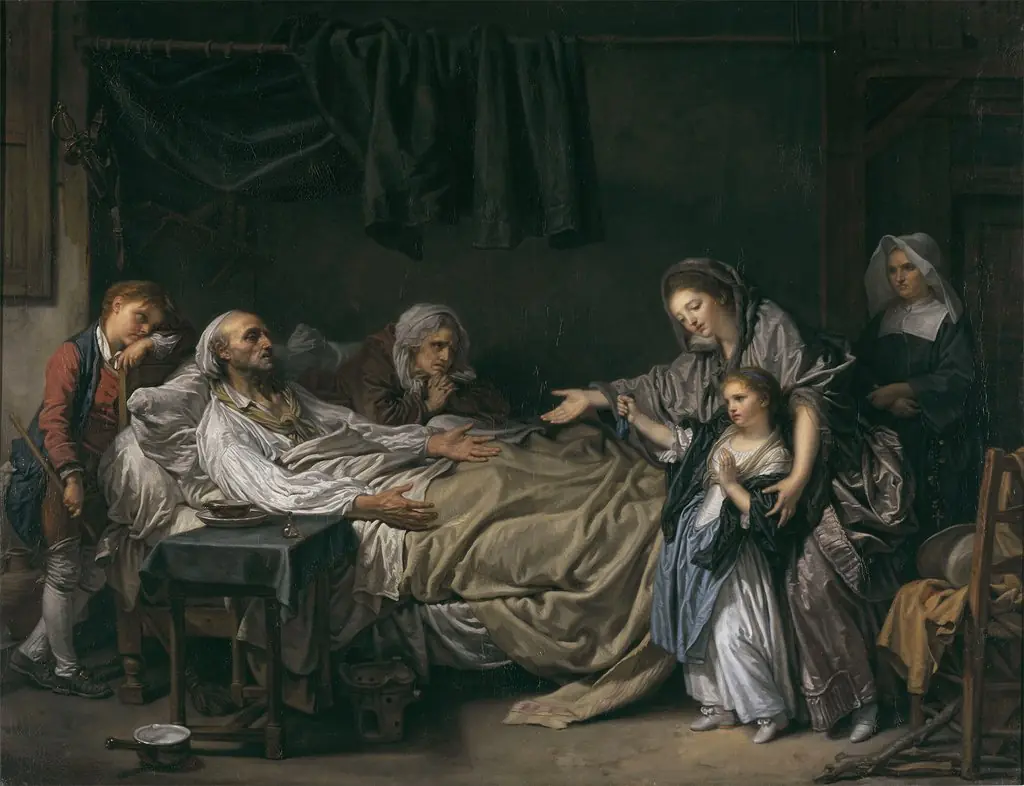
The painting depicts a group of mourners gathered around a body wrapped in white linen, lying on a simple bed. A single candle casts flickering light across the dim room, while a sliver of daylight enters through a distant window. The figures, rendered without theatricality, express grief through posture and silence—some bowed in sorrow, others gazing upward, perhaps in prayer or resignation. The scene suggests isolation and loss, evoking the experience of exile without literal reference to place.
Technique & Style
Kotsis employs chiaroscuro to heighten the emotional weight of the scene, contrasting the candle’s warm glow against the deep shadows of the interior. Brushwork is restrained, favoring subtle tonal transitions over detail. The composition is tightly framed, drawing attention to the stillness of the dead and the quiet movement of the living. His approach aligns with Realist principles, avoiding sentimentality in favor of observed dignity.
History & Provenance
Created during a period of political upheaval in partitioned Poland, the painting was likely made in the years following the failed January Uprising. Kotsis, born in Kraków, spent much of his career in Warsaw and Vienna, where he witnessed the displacement of many compatriots. *Death in Exile* entered the National Museum’s collection in the late 19th century and has remained there since, preserved as a testament to personal and national mourning.
Context
In mid-19th-century Poland, art often carried undertones of national identity amid foreign occupation. While many artists depicted heroic resistance, Kotsis turned to private grief as a form of quiet resistance. The absence of political symbols in *Death in Exile* underscores its universality—loss becomes a shared human condition, not merely a patriotic allegory.
Legacy
Though not widely exhibited outside Poland, the painting is recognized for its restrained emotional power and technical maturity. It stands as a rare example of Kotsis’s focus on interior, domestic tragedy, distinguishing him from contemporaries who favored public or historical themes. Its endurance in the National Museum’s collection reflects its value as a document of intimate, unvarnished humanity.
Artist & collection
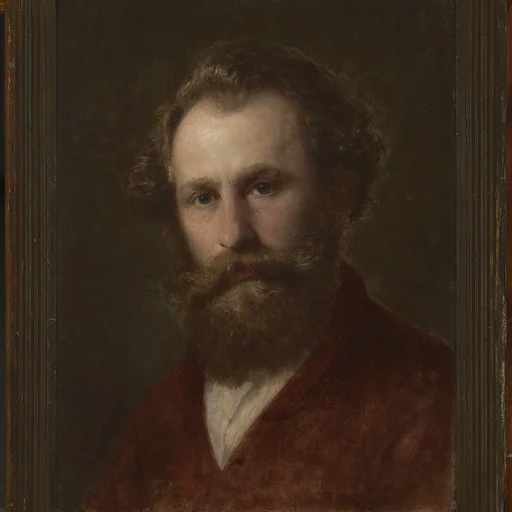
Artist
Aleksander Kotsis (30 May 1836 – 7 August 1877) was a Polish painter. He created landscapes, portraits, and genre scenes in a combination Romantic and Realistic style. Most of his paintings are small. He was born and died in Kraków.