Artwork
Sleeping Nymph
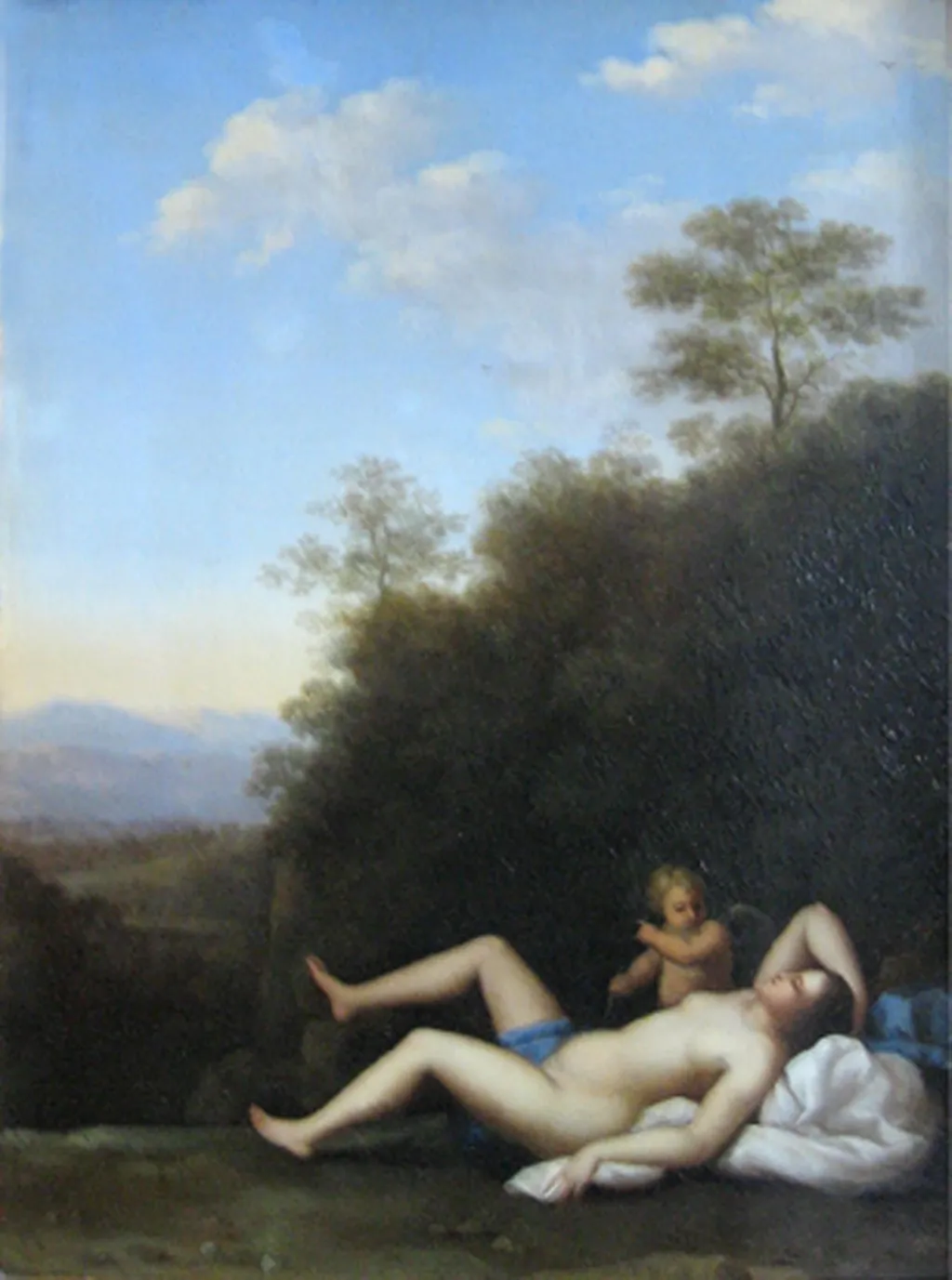
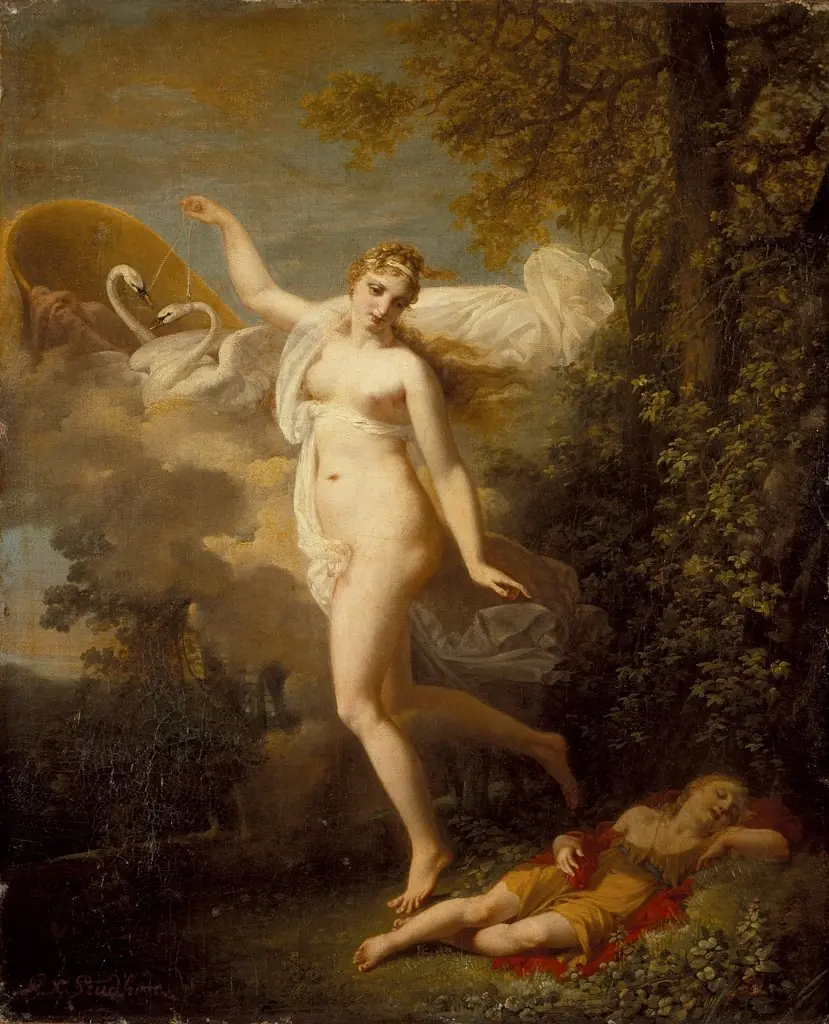
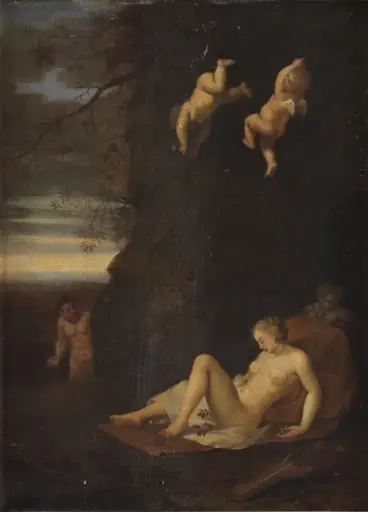
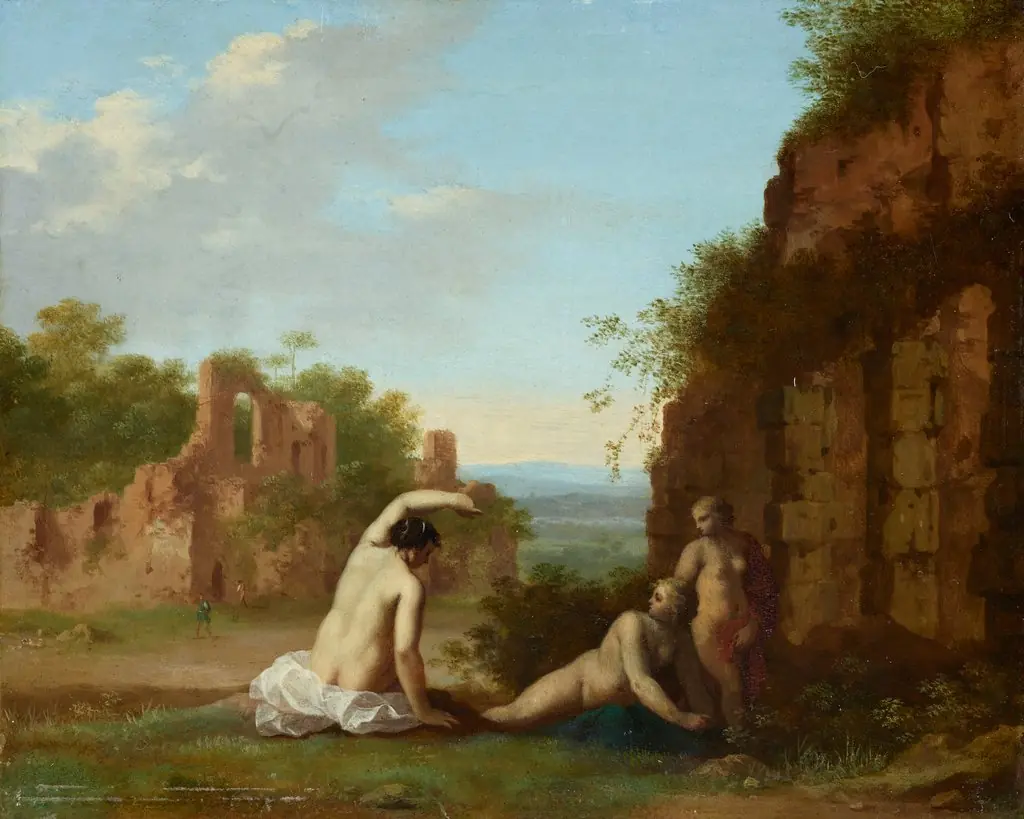
Sleeping Nymph is a photography by Unknown. It dates from 1662 and is held in the collection of the Statens Museum for Kunst. Created around 1662, this image depicts a tranquil outdoor scene featuring two figures resting on a grassy slope.
About this work
Overview
The composition captures a quiet, unguarded moment, with natural light and soft atmospheric depth enhancing its stillness.
Created around 1662, this image depicts a tranquil outdoor scene featuring two figures resting on a grassy slope. It is part of the collection at the Museum of Ethnography. The composition captures a quiet, unguarded moment, with natural light and soft atmospheric depth enhancing its stillness. Though labeled as a photograph, its style suggests a painted or drawn representation from the mid-seventeenth century.
Subject & Meaning
A reclining adult, dressed minimally, lies in deep repose beside a seated child in a plain white garment. The child’s gaze toward the viewer introduces a subtle sense of awareness or invitation. The pairing suggests intimacy and care, possibly evoking themes of rest, innocence, or domestic harmony. The natural setting reinforces a connection between human stillness and the quiet rhythms of the landscape.
Technique & Style
The image employs gentle chiaroscuro to model forms and define space, with soft shadows beneath trees and a warm glow across the grass. The background dissolves into muted blues and greens, creating atmospheric perspective. Lines are unobtrusive, favoring tonal transitions over sharp outlines, which contributes to the scene’s calm, meditative quality and suggests an influence from early landscape traditions.
History & Provenance
The work is attributed to an artist identified only as 2587_person, with no further biographical details available. It entered the Museum of Ethnography’s collection through undocumented means, likely as part of a broader acquisition of visual materials related to daily life in early modern Europe. Its origin as a painted or drawn image, rather than a photograph, aligns with pre-photographic visual culture of the period.
Context
In the mid-17th century, depictions of rest and rural leisure were increasingly common in European art, reflecting broader cultural interest in nature and private moments. This image aligns with pastoral traditions but avoids idealization, presenting a modest, unadorned scene. Its ethnographic placement suggests it was collected as a record of ordinary life rather than as high art.
Legacy
Though not widely reproduced or studied, the image remains a quiet example of how everyday stillness was rendered in pre-photographic visual culture. Its preservation in an ethnographic museum underscores its value as a document of domestic and natural interaction. It invites reflection on how simplicity and solitude were perceived and recorded in earlier centuries.
Artist & collection

 Domestic Scene
 Giacomo and Cardinal Marco, investing Andrea, Abbot of San Zeno, with his Benefice
 The Nymph of Fontainebleau
 Portrait of a Woman
 Madonna and Child with Saints in the Enclosed Garden
 Venus and Minerva
 Family Group of Four on Sofa
 Wall painting from Room H of the Villa of P. Fannius Synistor at Boscoreale