Artwork
The Vision of the Prophet Ezekiel
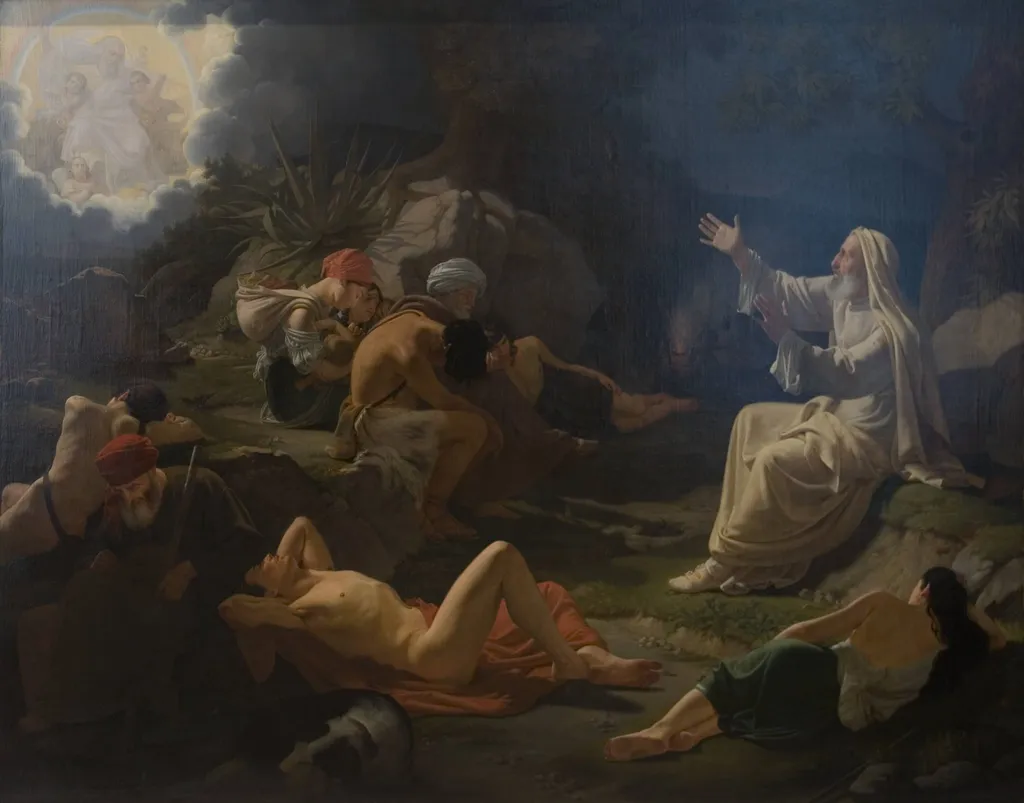
The Vision of the Prophet Ezekiel is a photography by the Romanticist artist Unknown. It dates from 1830 and is held in the collection of the Statens Museum for Kunst.
About this work
Overview
Painted in 1830 by 259_person, this work depicts a moment from the biblical Book of Ezekiel, illustrating the prophet’s encounter with divine revelation.
Painted in 1830 by 259_person, this work depicts a moment from the biblical Book of Ezekiel, illustrating the prophet’s encounter with divine revelation. The painting is part of the Museum of Ethnography’s collection, where it is preserved as an example of 19th-century religious narrative art. Its composition and emotional intensity align with broader Romantic tendencies of the era, emphasizing awe and spiritual upheaval.
Subject & Meaning
The central figure, identified as Ezekiel, is shown receiving a vision amid a group of onlookers reacting with fear and bewilderment. His raised hands suggest both command and reception, capturing the moment of divine communication. The surrounding figures embody human vulnerability in the face of the supernatural. The dark, turbulent sky reinforces the theme of cosmic disruption, reflecting the prophet’s warning of judgment and transformation.
Technique & Style
The artist employs dramatic contrasts of light and shadow to heighten emotional tension. The white robe of Ezekiel stands out against the murky, swirling background of smoke and clouds, drawing focus to his form. Brushwork is loose and expressive, particularly in the rendering of the crowd and atmosphere, conveying movement and psychological unease. These choices reflect Romanticism’s preference for emotional resonance over classical restraint.
History & Provenance
Created in 1830, the painting entered the Museum of Ethnography’s holdings shortly after its completion. Its acquisition likely reflected contemporary interest in biblical themes as vehicles for exploring human experience under extreme conditions. While little is documented about its early exhibitions, its preservation in an ethnographic context suggests an interest in its cultural representation of religious awe.
Context
In the early 19th century, European artists frequently turned to biblical subjects to express existential and spiritual crises amid political and industrial upheaval. Ezekiel’s vision, with its themes of divine judgment and renewal, resonated with audiences grappling with uncertainty. This work aligns with a broader trend of using sacred narratives to convey psychological depth and moral gravity.
Legacy
Though not widely reproduced or critically celebrated in mainstream art history, the painting remains a significant example of how Romantic sensibilities were applied to religious iconography. Its presence in an ethnographic museum underscores its role as a cultural artifact reflecting 19th-century attitudes toward faith, emotion, and the sublime.
Artist & collection

 Domestic Scene
 Giacomo and Cardinal Marco, investing Andrea, Abbot of San Zeno, with his Benefice
 The Nymph of Fontainebleau
 Portrait of a Woman
 Madonna and Child with Saints in the Enclosed Garden
 Venus and Minerva
 Family Group of Four on Sofa
 Wall painting from Room H of the Villa of P. Fannius Synistor at Boscoreale
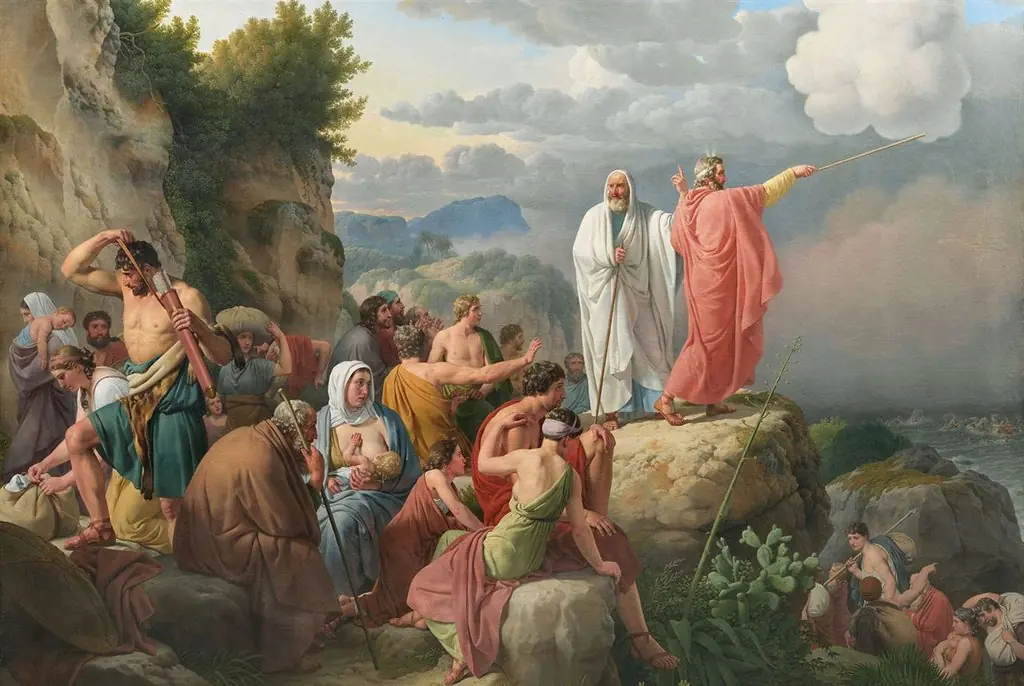 The Israelites Resting after the Crossing of the Red Sea
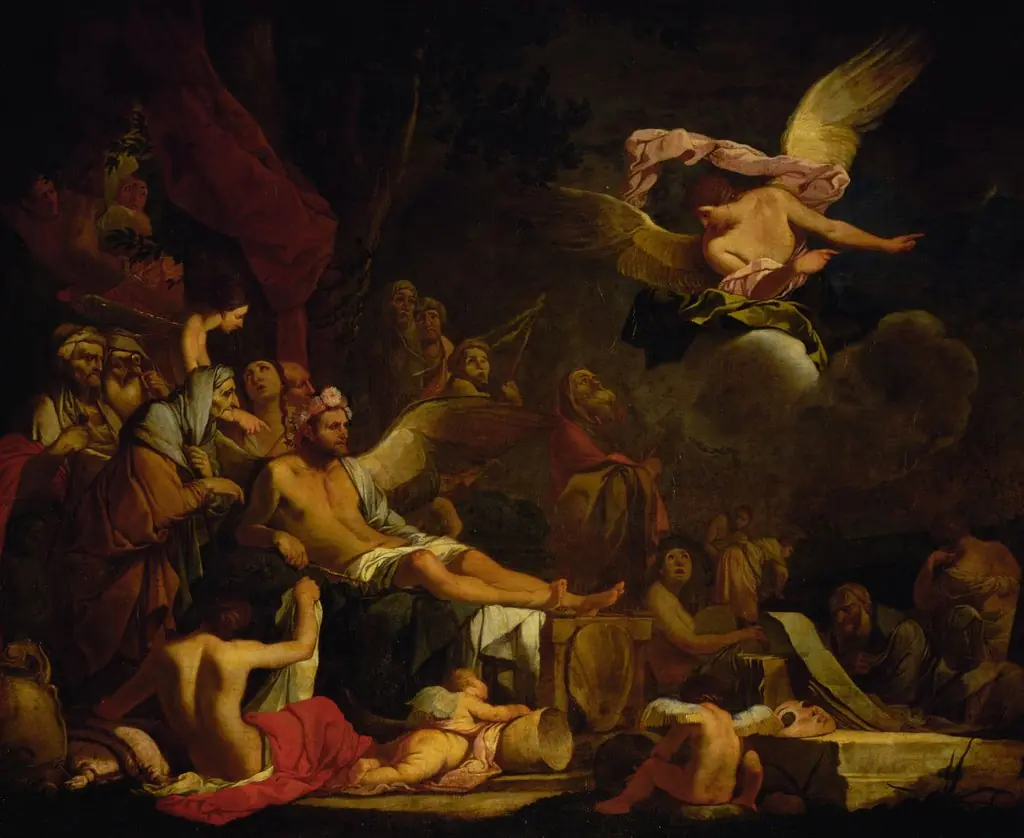 Iris als Botschafterin im Reich des Hypnos
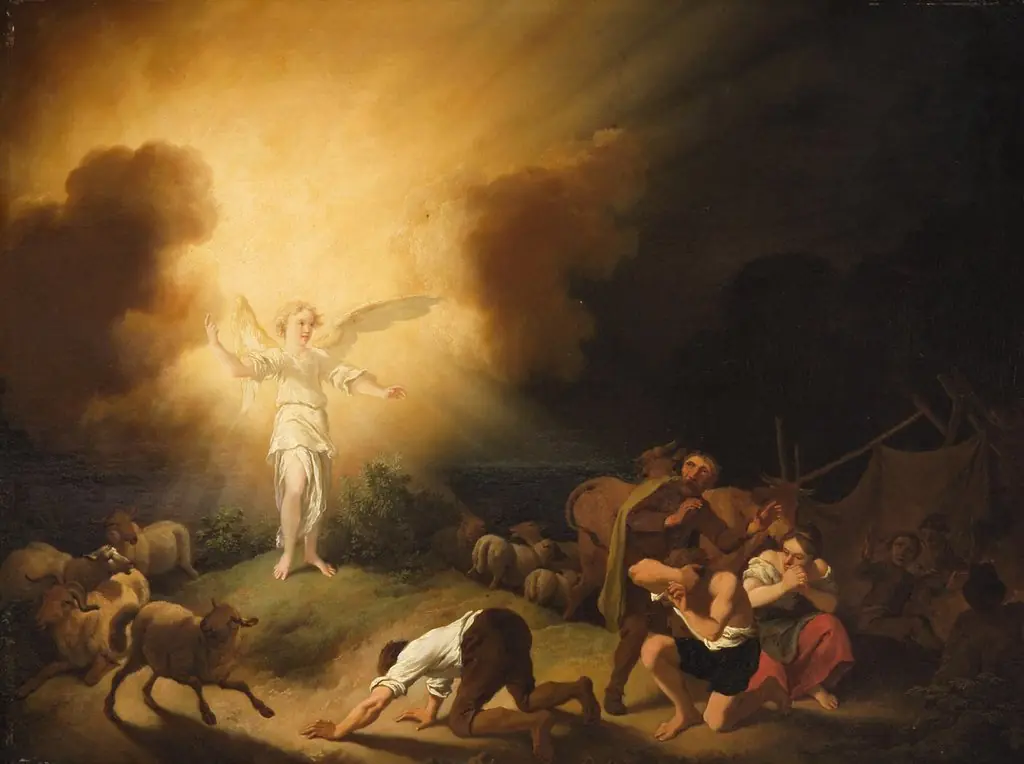 Verkündigung an die Hirten
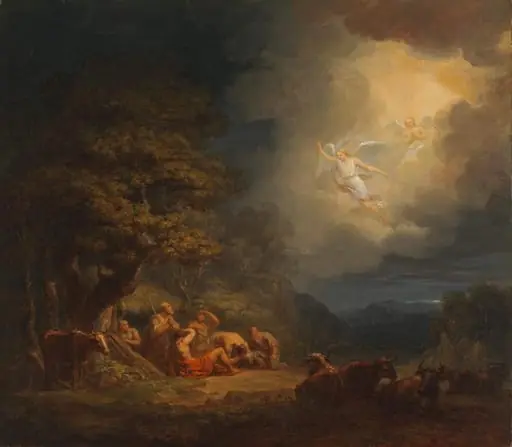 Enkelten ilmestys paimenille
 Christ Receiving the Children
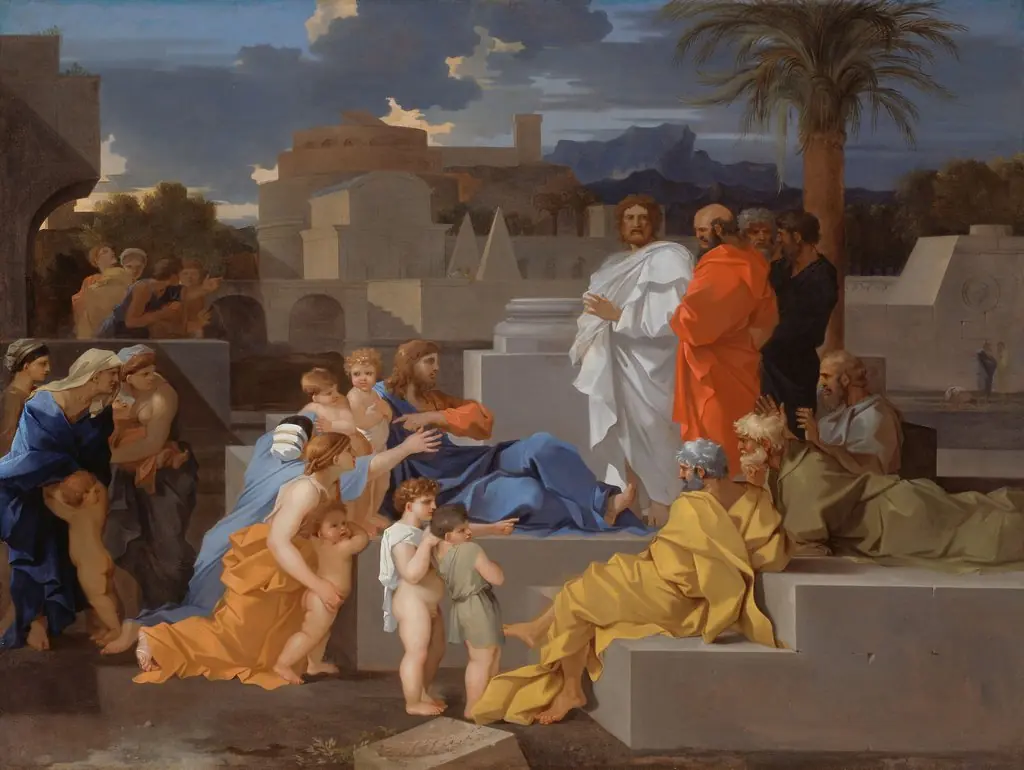 Christ Receiving the Children
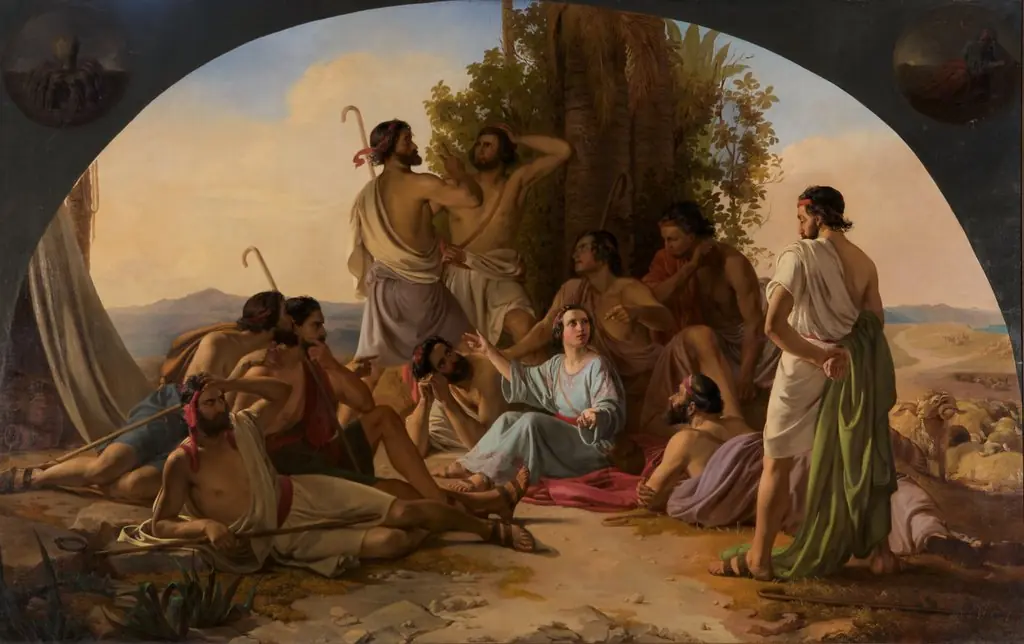 Joseph tells his dream
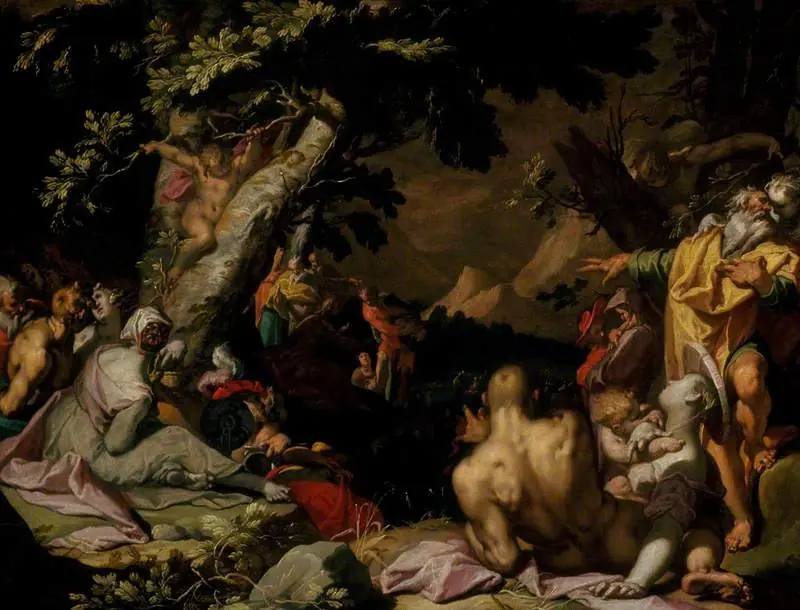 Miracle of the loaves (Jesus feeds the five thousand)
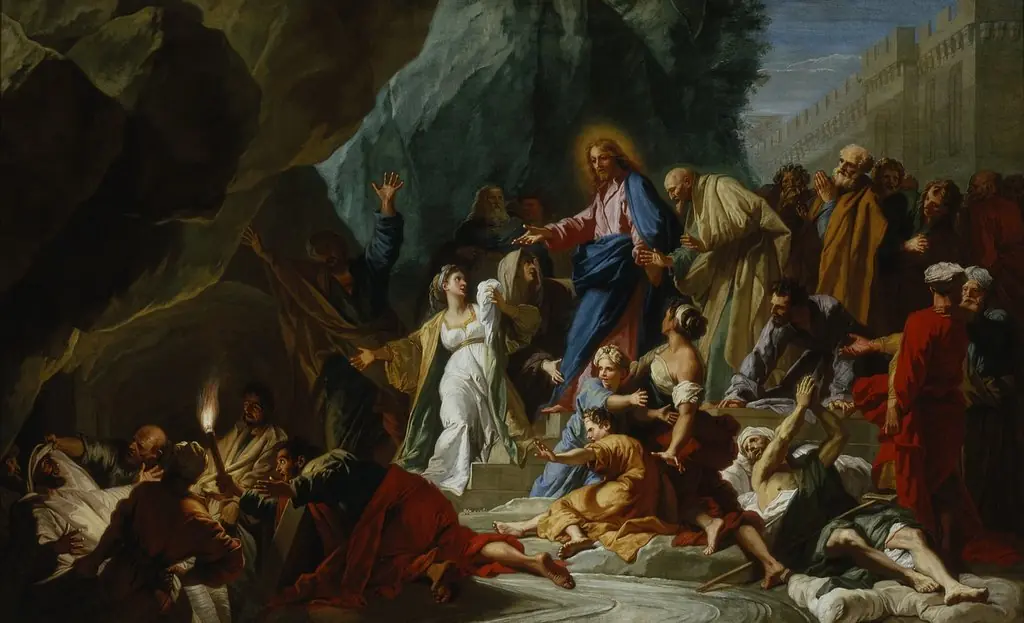 The Raising of Lazarus
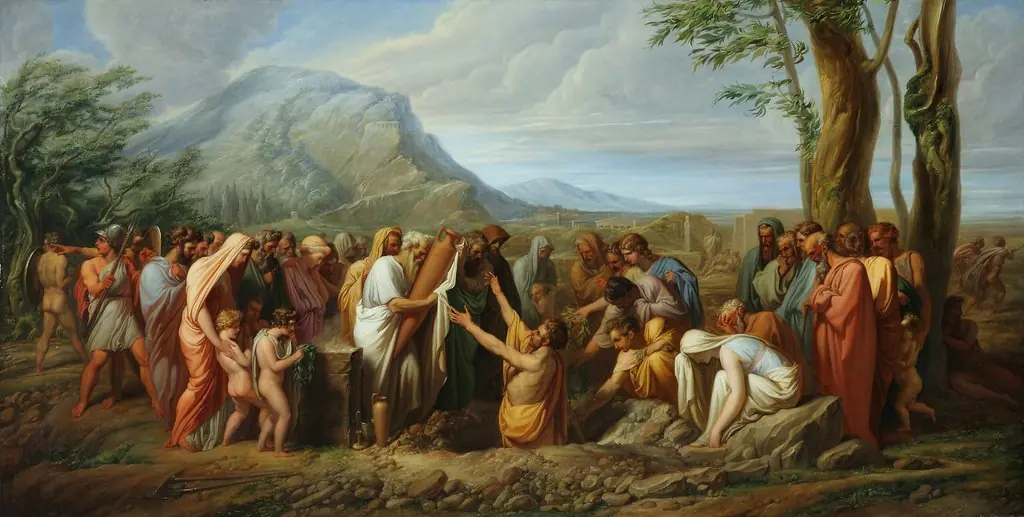 Sepoltura delle ceneri di Temistocle nella terra attica
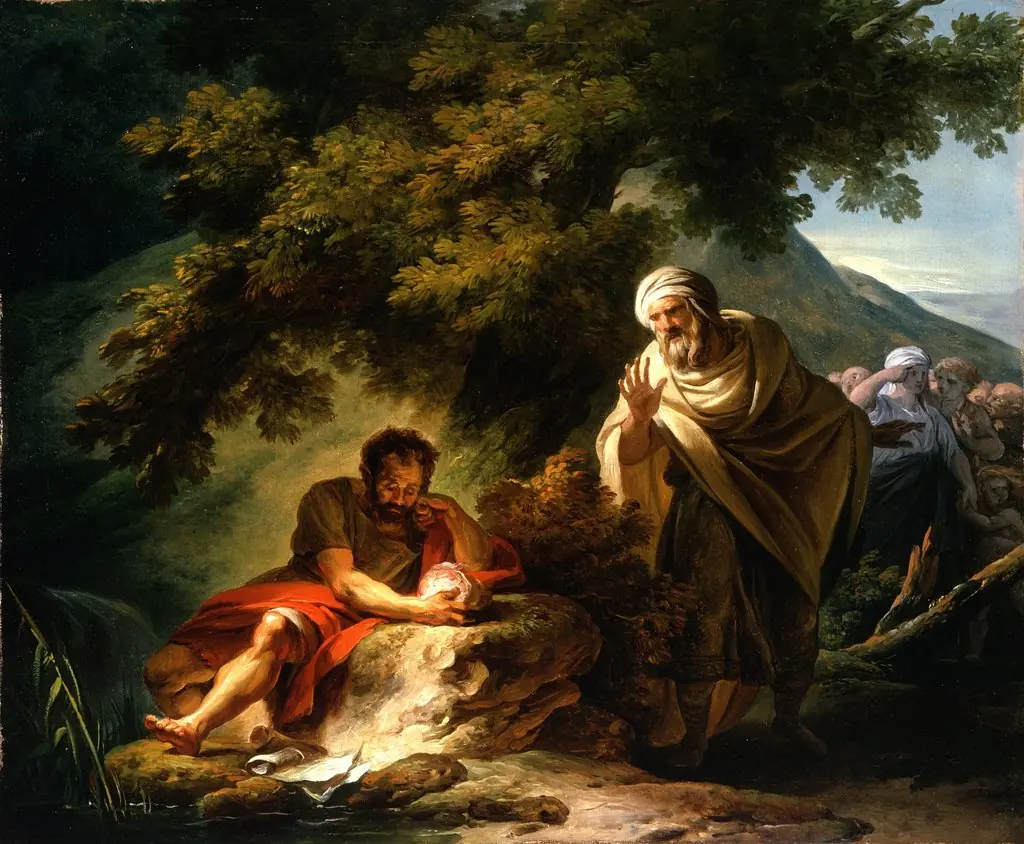 Democritus among the Abderitans
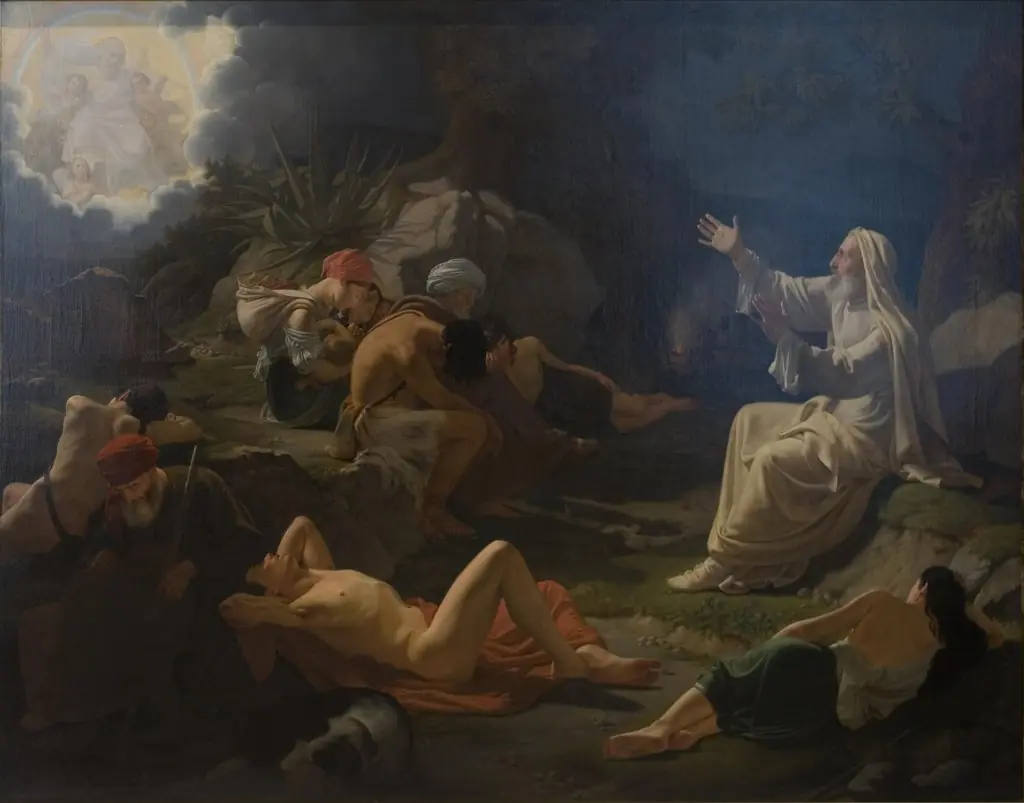 The Vision of the Prophet Ezekiel