Artwork
Iris als Botschafterin im Reich des Hypnos
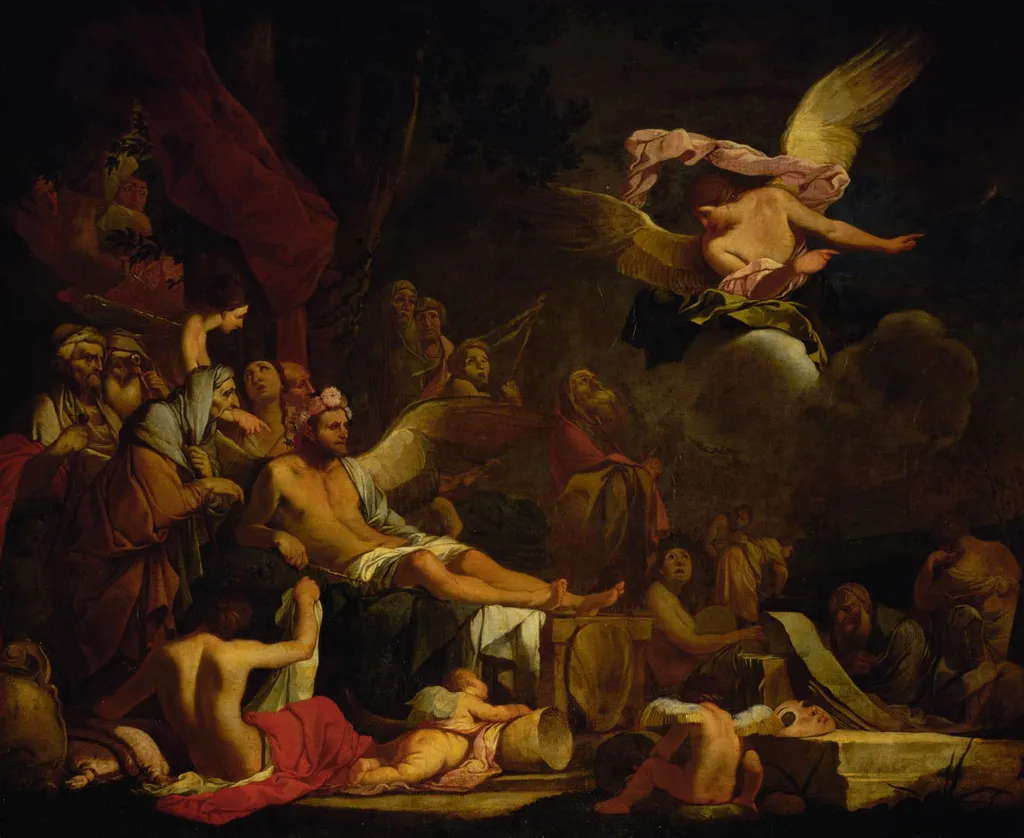
Iris als Botschafterin im Reich des Hypnos is an unspecified painting by the Early Baroque Italian artist Giulio Carpioni. It dates from 1657 and is held in the collection of the Kunsthistorisches Museum.
About this work
Overview
The composition balances stillness and motion, as divine intervention interrupts a somber earthly moment.
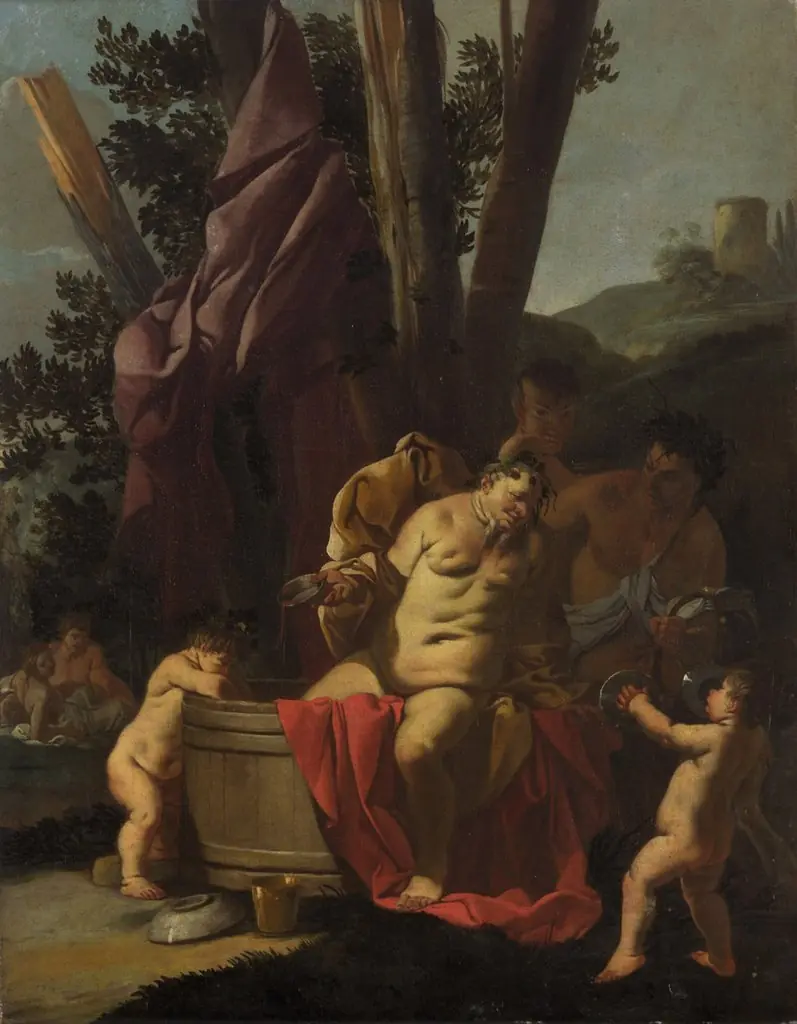
Painted in 1657 by Giulio Carpioni, this work depicts a mythological moment involving Iris, the messenger goddess, descending to the realm of Hypnos, god of sleep. The scene unfolds in a dim, intimate space with a central reclining figure, surrounded by attendants. The composition balances stillness and motion, as divine intervention interrupts a somber earthly moment. The painting resides in the Kunsthistorisches Museum, Vienna, as part of its Baroque collection.
Subject & Meaning
The painting illustrates Iris, identified by her wings and flowing garments, arriving to awaken or guide the sleeping figure—likely Hypnos or a mortal under his influence. The woman reaching upward may represent a mourner or devotee, while the floral crown suggests ritual or divine favor. The scene merges classical mythology with Baroque emotional intensity, conveying transition between life, sleep, and the divine realm without overt narrative clarity.
Technique & Style
Carpioni employs muted earth tones—ochres, browns, and deep reds—to create a somber, atmospheric mood. Light falls subtly on the central figures, drawing attention without dramatic contrast. The figures are rendered with soft modeling, and drapery flows naturally, suggesting movement. The background recedes into shadowy trees and clouds, enhancing the sense of a liminal space between worlds, typical of Venetian Baroque sensibility.
History & Provenance
The painting was completed in 1657 and entered the collection of the Kunsthistorisches Museum in Vienna, likely through Habsburg acquisitions of Italian art in the 17th or 18th century. Its presence in the museum’s holdings reflects the imperial interest in Venetian painters of the period. No significant records of earlier ownership or exhibition history are widely documented, but its preservation suggests consistent recognition within the Habsburg collection.
Context
Carpioni worked in Venice during a time when mythological subjects were favored by private patrons and religious institutions alike. His style blends Venetian colorism with Northern European attention to detail. This painting aligns with contemporaneous works exploring sleep, death, and divine messengers, reflecting broader Baroque interests in emotional states and the boundaries between mortal and immortal realms.
Legacy
Though not among Carpioni’s most widely studied works, the painting remains a quiet example of his ability to convey mythic themes with restrained emotion. It contributes to understanding the diversity of Venetian Baroque painting beyond grand altarpieces, offering insight into intimate, narrative-driven compositions favored in smaller collections. Its continued display in Vienna underscores its role in the museum’s broader representation of 17th-century Italian art.
Artist & collection

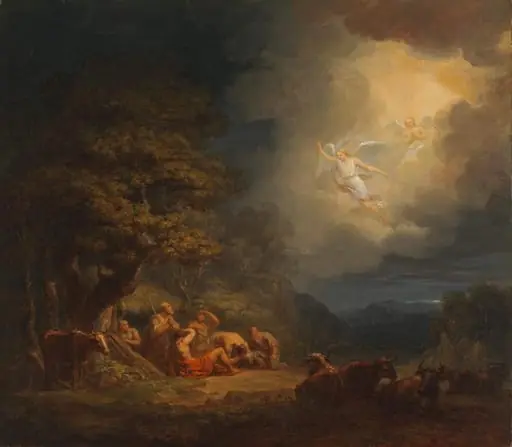 Enkelten ilmestys paimenille
 Old Testament Figures in Paradise
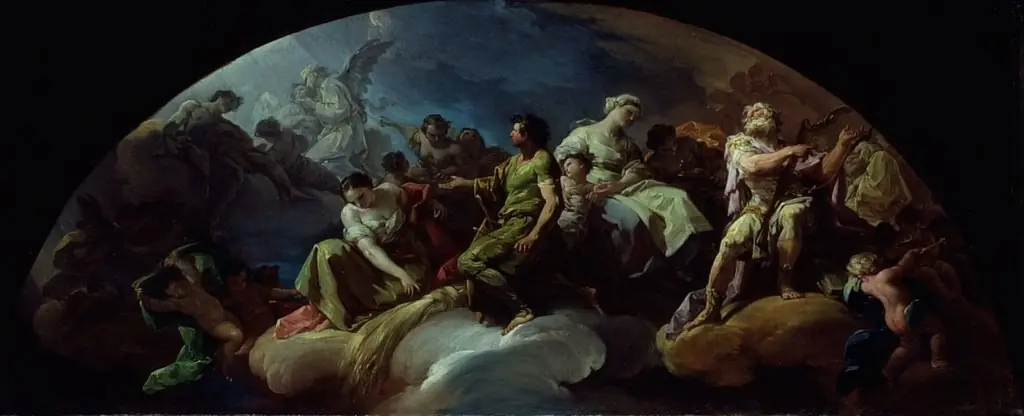 Old Testament Figures in Paradise
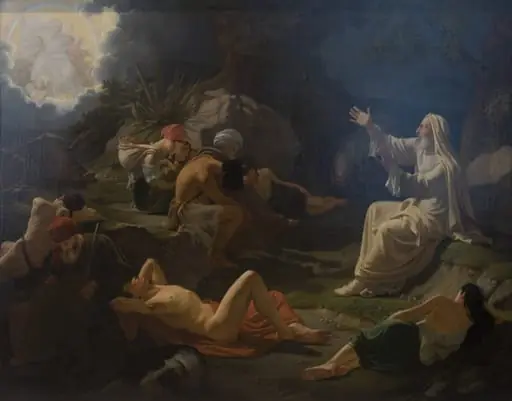 The Vision of the Prophet Ezekiel
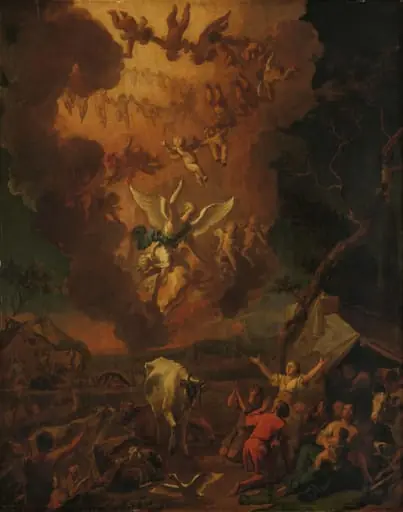 The Annunciation to the Shepherds
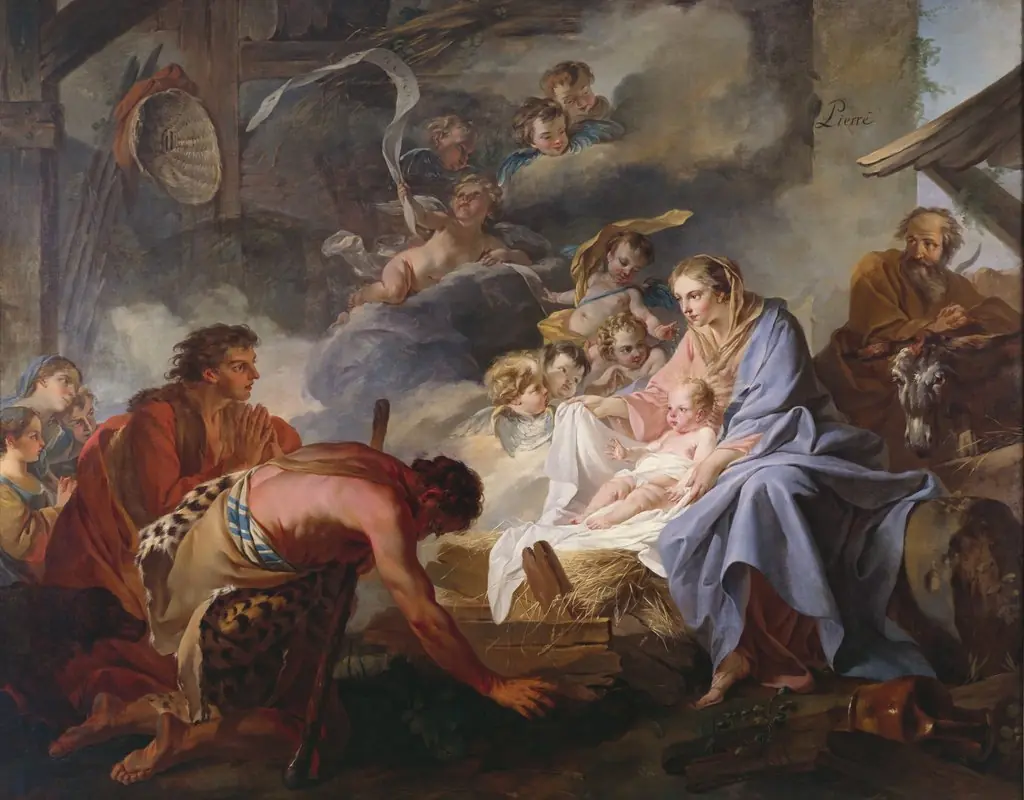 The Adoration of the Shepherds
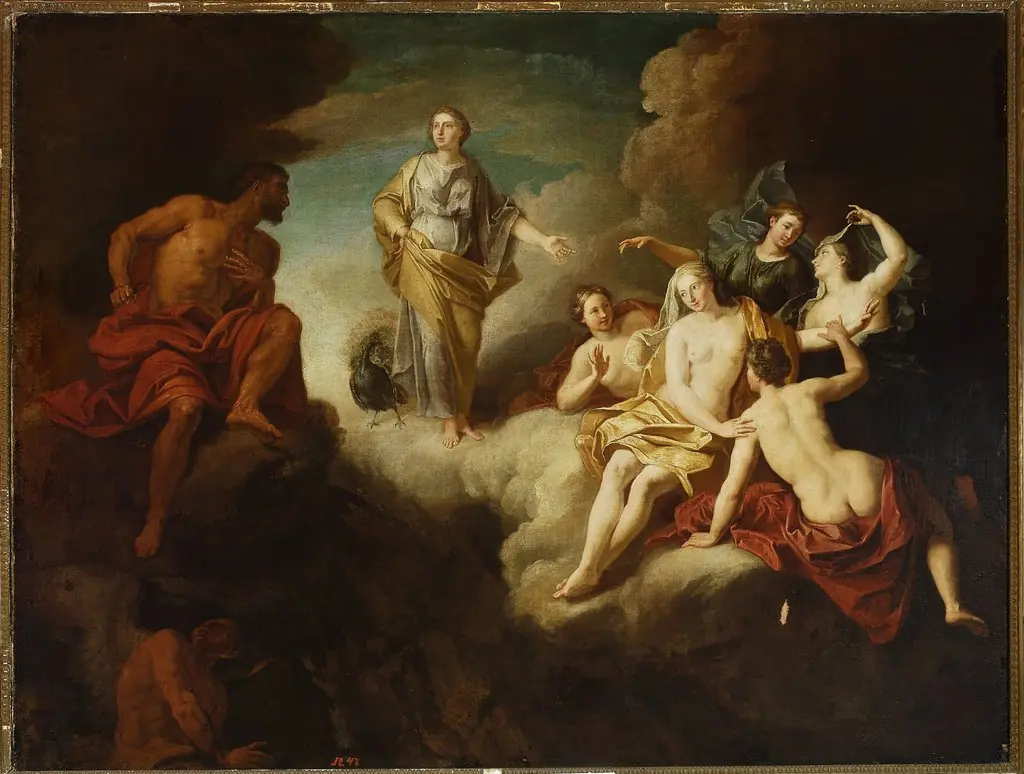 Juno asks Aeolus to destroy Aeneas's ships
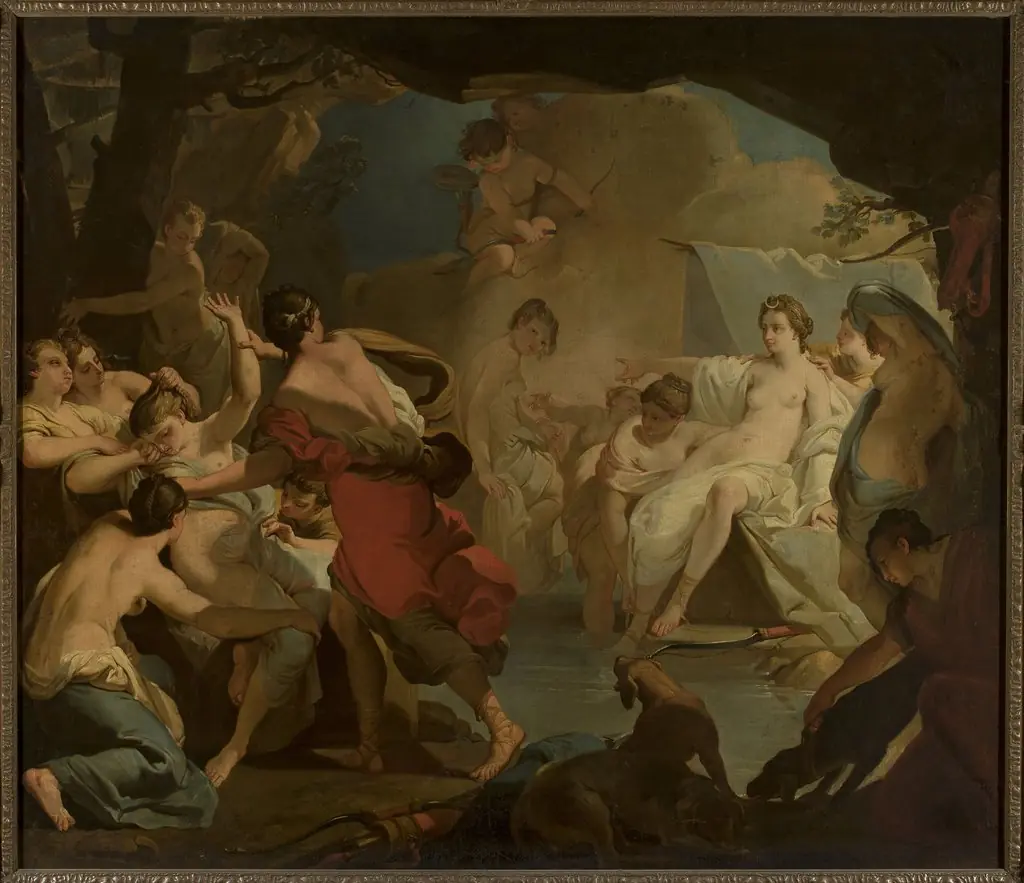 Diana's judgement of the nymph Callisto
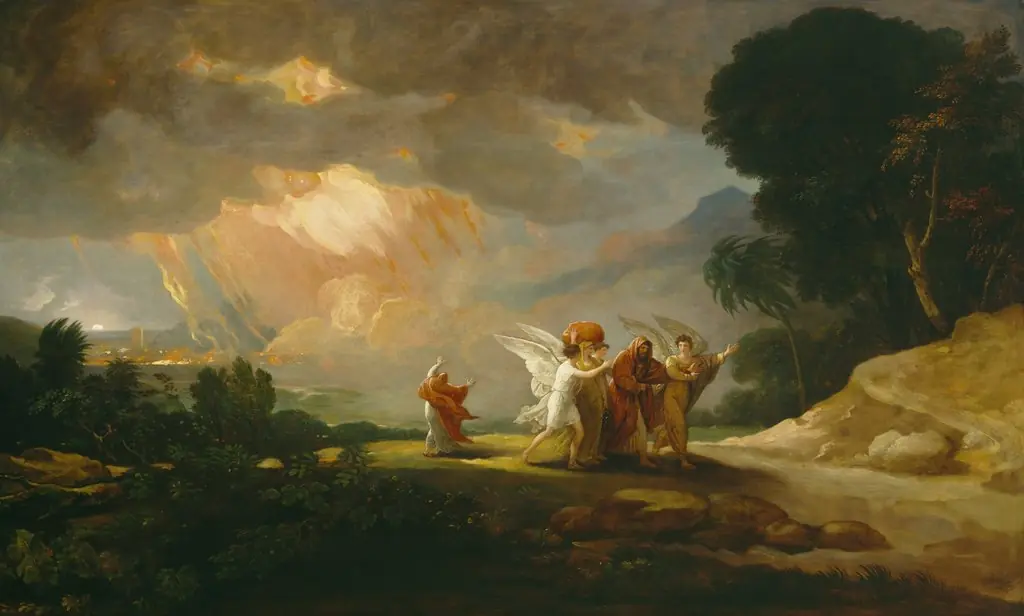 Lot Fleeing from Sodom
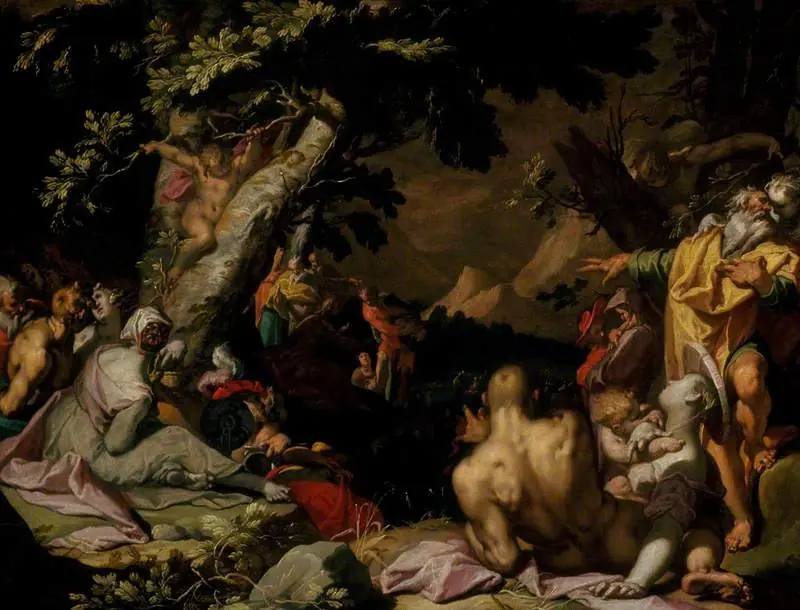 Miracle of the loaves (Jesus feeds the five thousand)
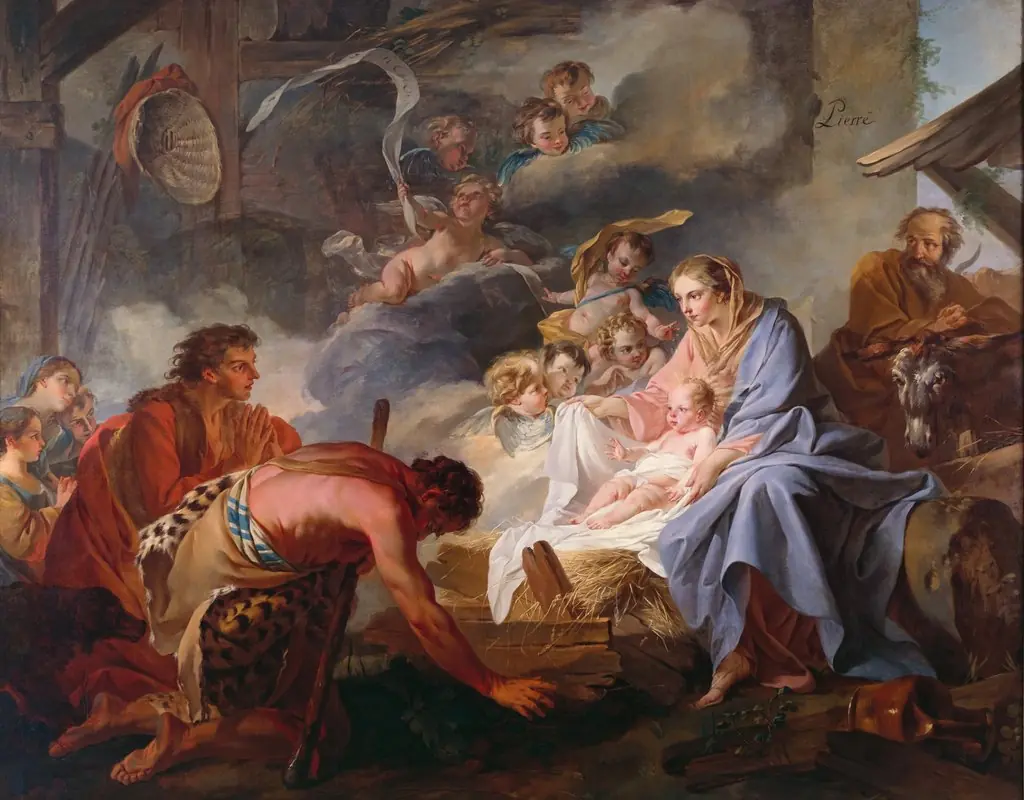 Adoration of the Shepherds
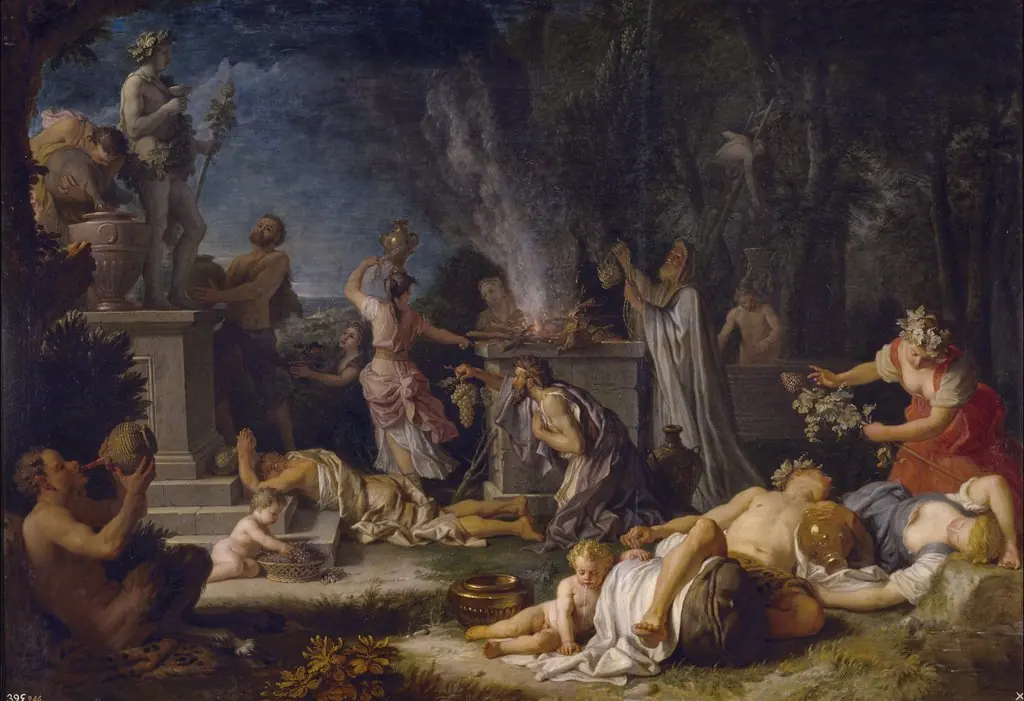 Offering to Bacchus