Artwork
Verkündigung an die Hirten
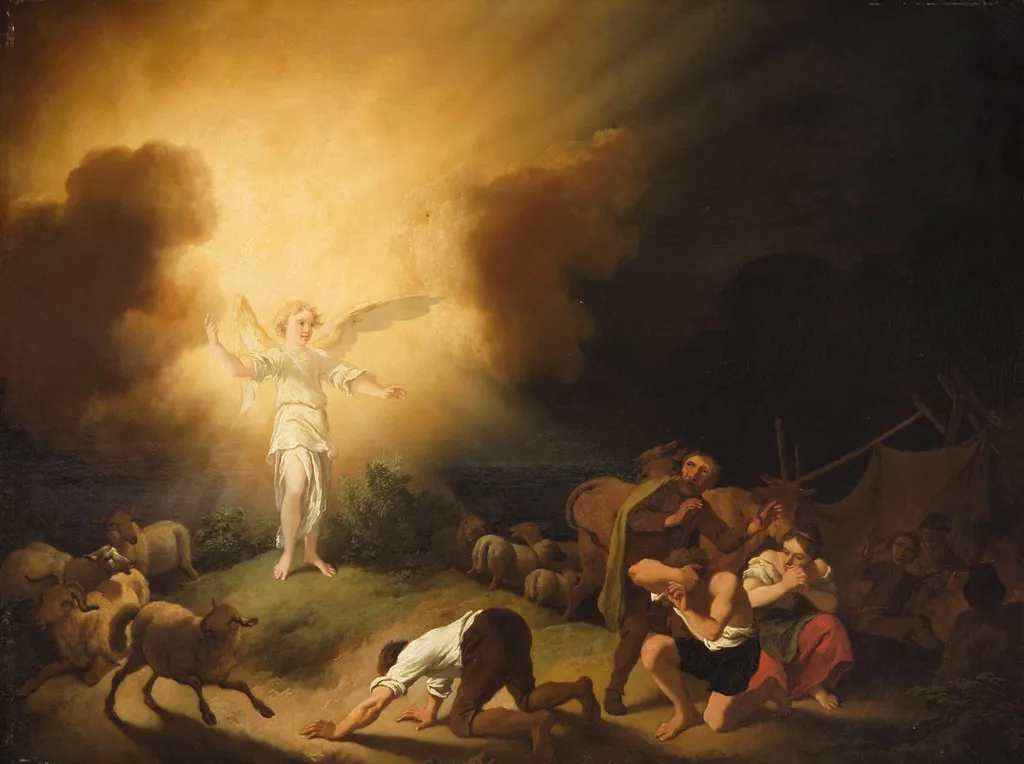
Verkündigung an die Hirten is an unspecified painting by the Rococo painting artist Christian Wilhelm Ernst Dietrich. It dates from 1760 and is held in the collection of the Kunsthistorisches Museum.
About this work
Overview
Dietrich, active in the Rococo era, was known for his skill in adopting historical styles rather than forging a unique visual language.
Created in 1760 by the German artist Christian Wilhelm Ernst Dietrich, this painting depicts the biblical moment when angels announce the birth of Christ to shepherds. Dietrich, active in the Rococo era, was known for his skill in adopting historical styles rather than forging a unique visual language. The work resides in the Kunsthistorisches Museum’s collection, reflecting its significance within 18th-century religious art.
Subject & Meaning
The scene illustrates the Annunciation to the Shepherds, a moment from the Gospel of Luke where divine messengers reveal the birth of Jesus. The angel, radiant and central, addresses a group of shepherds who react with awe and humility. Surrounding sheep, scattered in disarray, emphasize the sudden intrusion of the sacred into the ordinary. The composition underscores divine revelation as a transformative, unexpected event.
Technique & Style
Dietrich employs chiaroscuro to heighten emotional intensity, using stark contrasts between light and shadow to isolate the angel’s figure. The luminous form emerges from a dark, turbulent sky, drawing the viewer’s eye to the angel’s outstretched arms and serene face. The grassy foreground and swirling clouds add depth, while the shepherds’ postures convey varied responses to the apparition, enhancing narrative clarity.
History & Provenance
The painting was completed during Dietrich’s tenure as an art administrator in Dresden, a period when he frequently studied and replicated earlier masters. It entered the Kunsthistorisches Museum’s holdings in the 18th or early 19th century, likely through imperial or aristocratic collections. Its preservation reflects its status as a well-regarded religious work within Habsburg-sponsored art institutions.
Context
In mid-18th-century Germany, religious themes remained central to artistic commissions despite the dominance of Rococo’s ornamental tendencies. Dietrich’s work aligns with a tradition of devotional imagery that prioritized emotional immediacy over doctrinal complexity. His stylistic borrowings from Baroque predecessors reveal a broader cultural interest in reviving dramatic religious narratives for contemporary audiences.
Legacy
Though Dietrich did not pioneer a distinctive personal style, his careful execution of traditional religious subjects ensured his works remained in institutional collections. This painting exemplifies how 18th-century artists sustained devotional imagery through technical precision and compositional clarity, bridging Baroque intensity with Rococo sensibility without fully embracing either.
Artist & collection
Artist
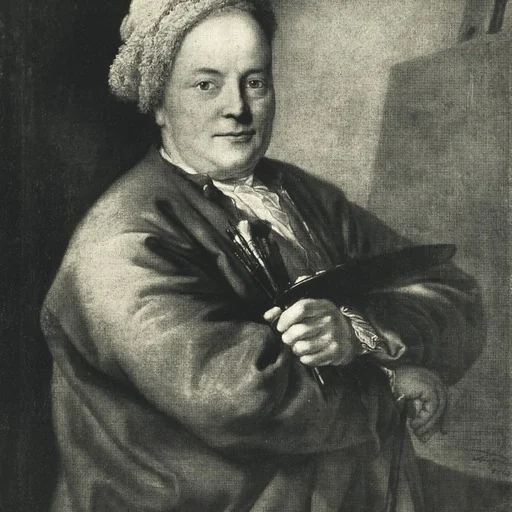
Christian Wilhelm Ernst Dietrich
Christian Wilhelm Ernst Dietrich (30 October 1712 – 23 April 1774) was a German painter and art administrator. In his own works, he was adept at imitating many earlier artists, but never developed a style of his own.

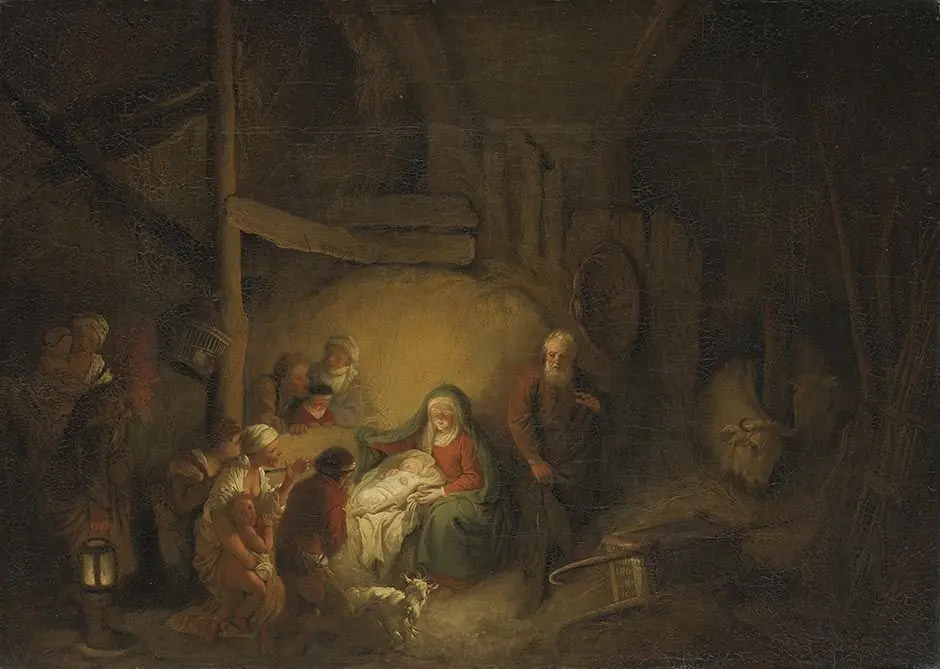
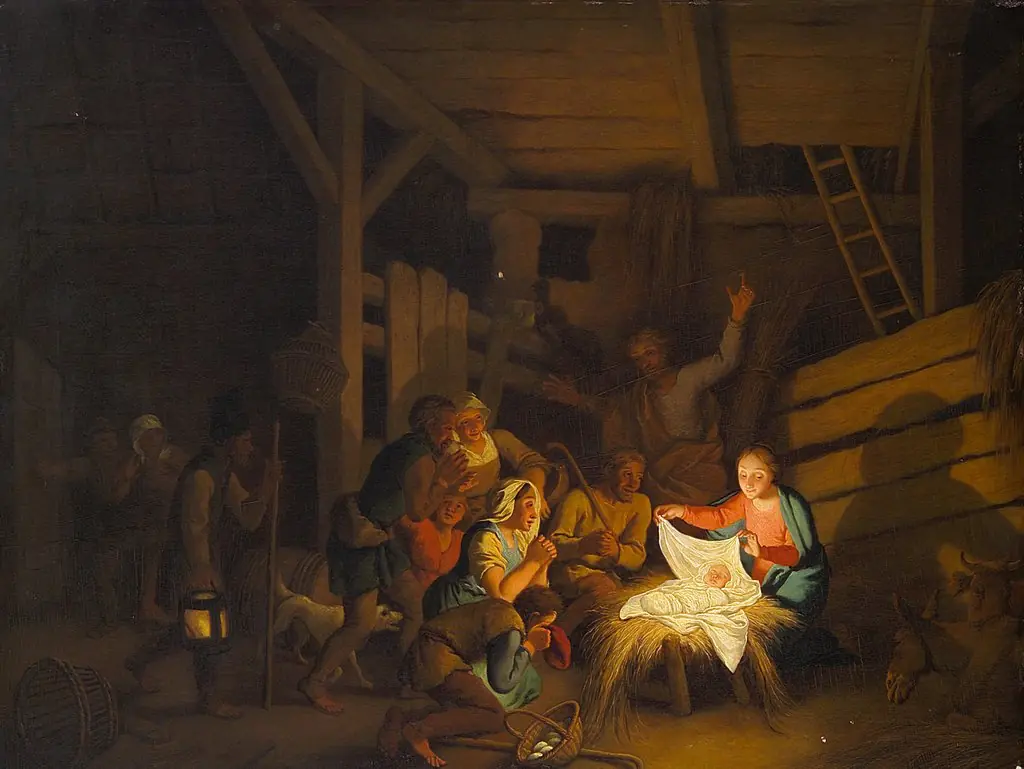
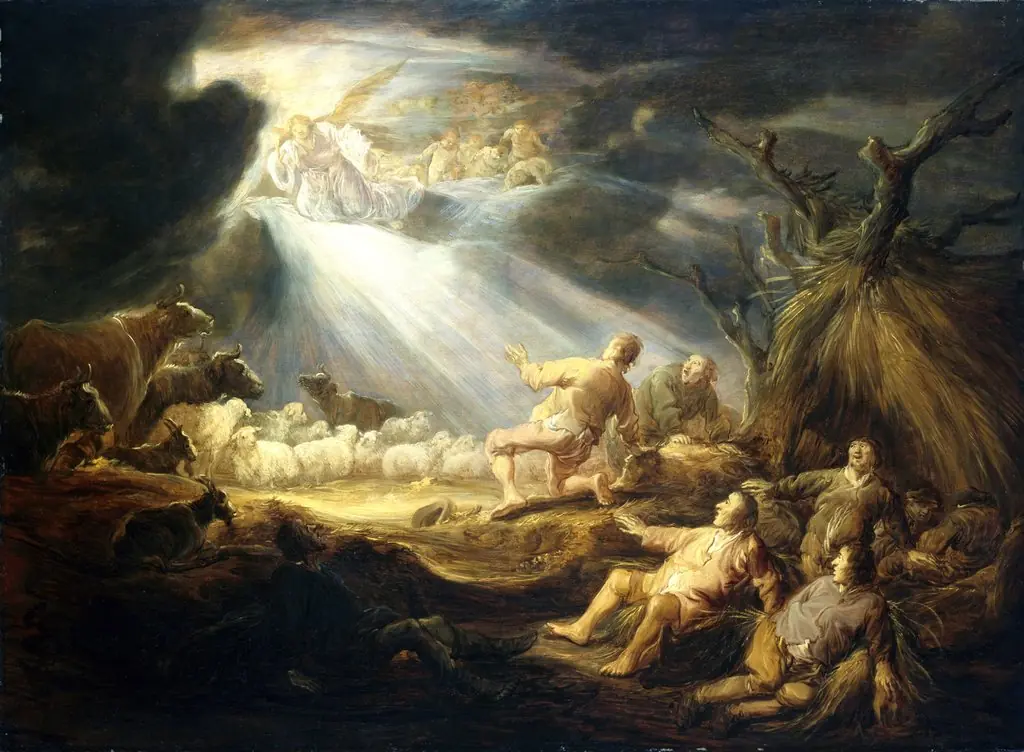 The Annunciation to the Shepherds
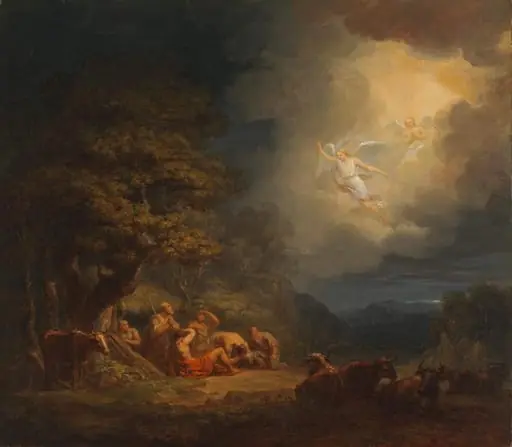 Enkelten ilmestys paimenille
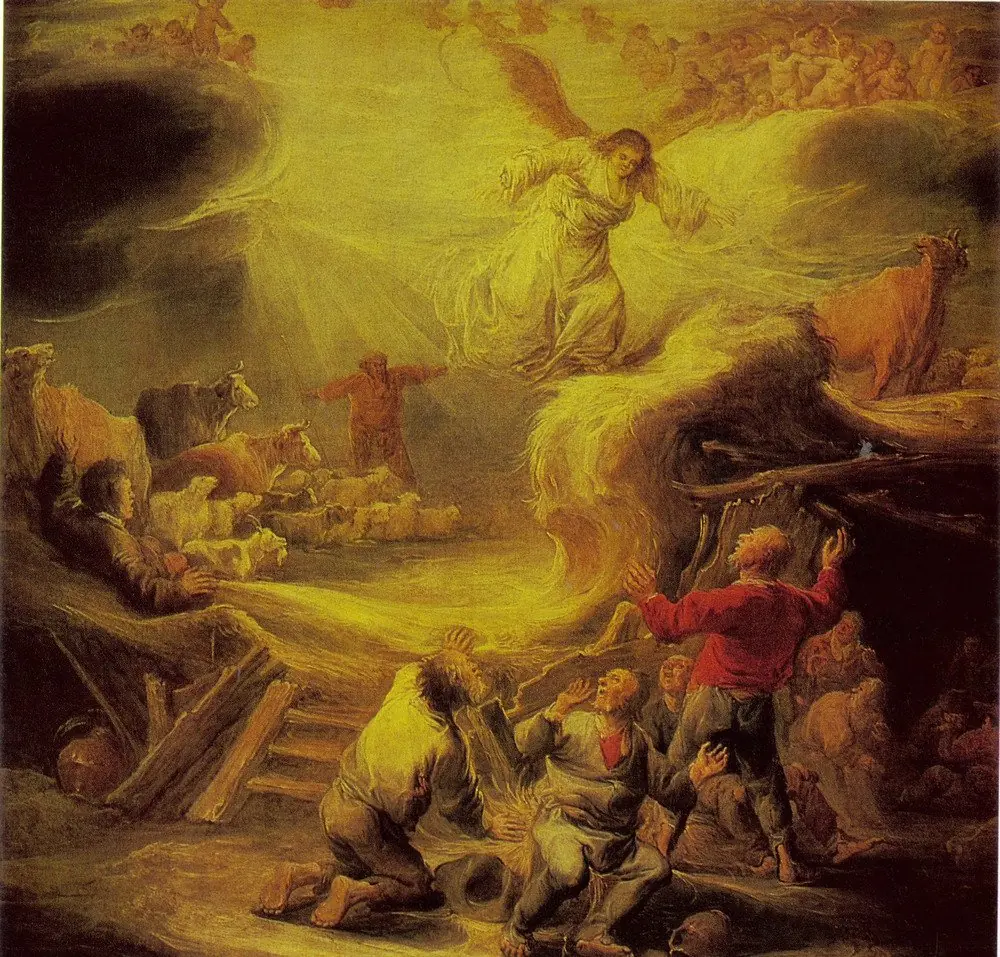 The Annunciation to the Shepherds
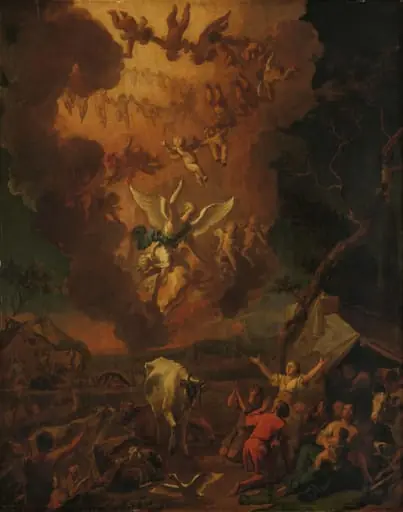 The Annunciation to the Shepherds
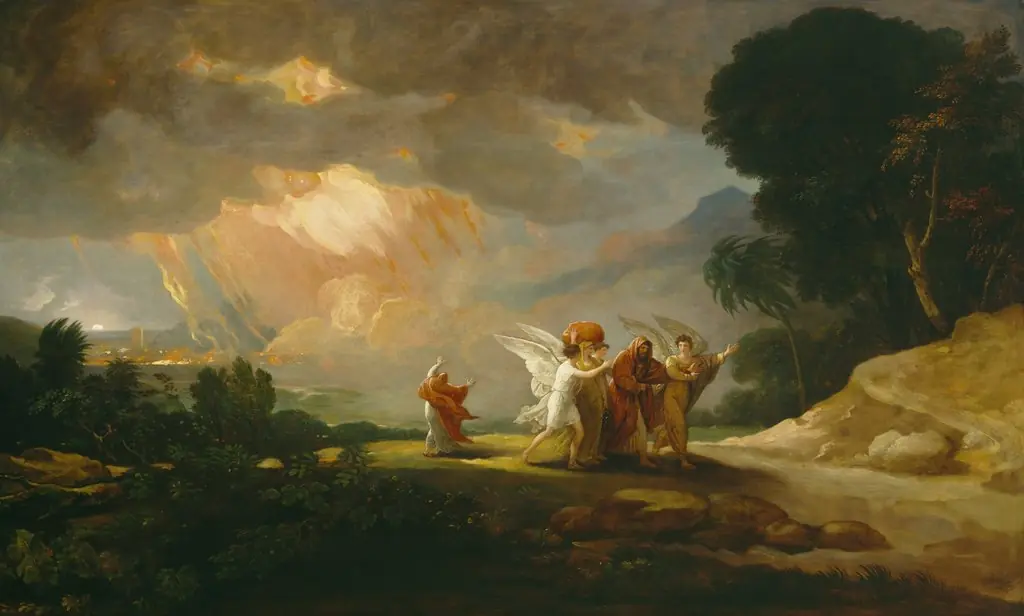 Lot Fleeing from Sodom
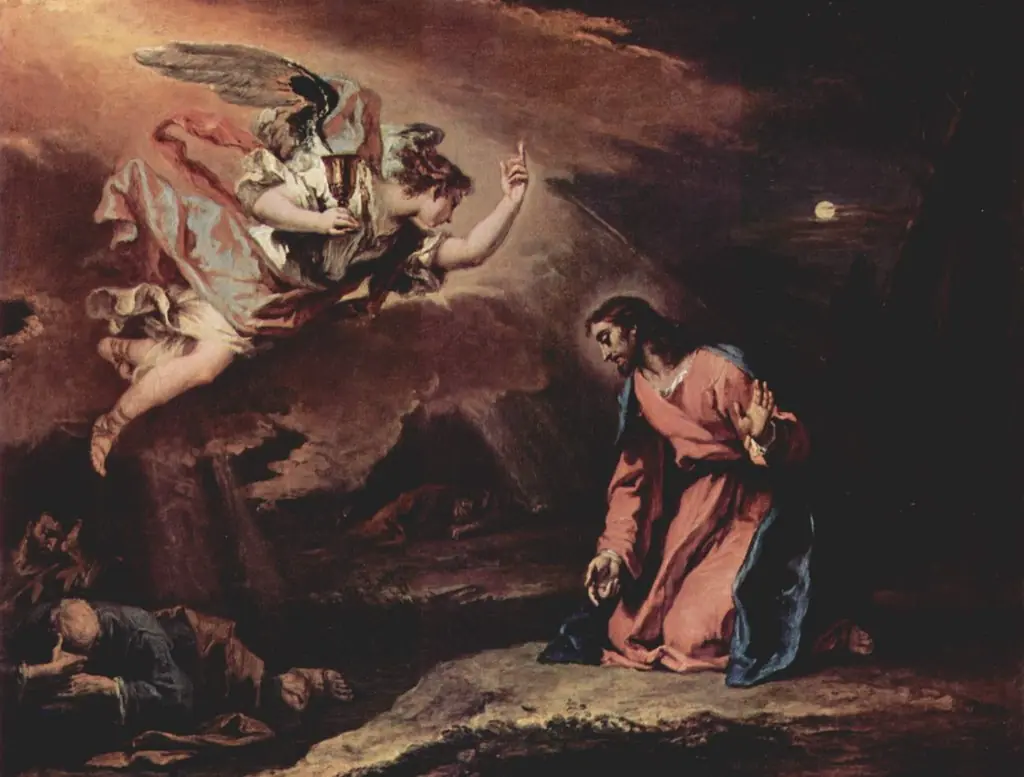 Christ on the Mount of Olives
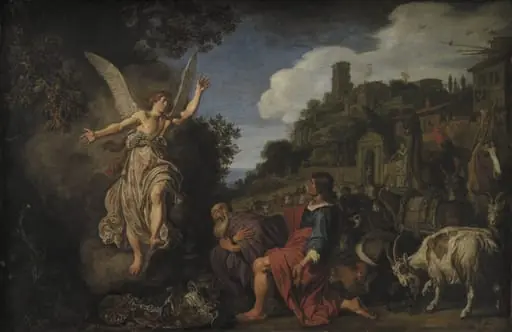 The Angel Raphael Takes Leave of Old Tobit and his Son Tobias
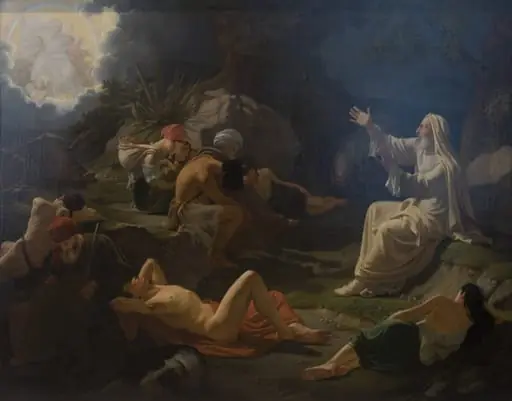 The Vision of the Prophet Ezekiel
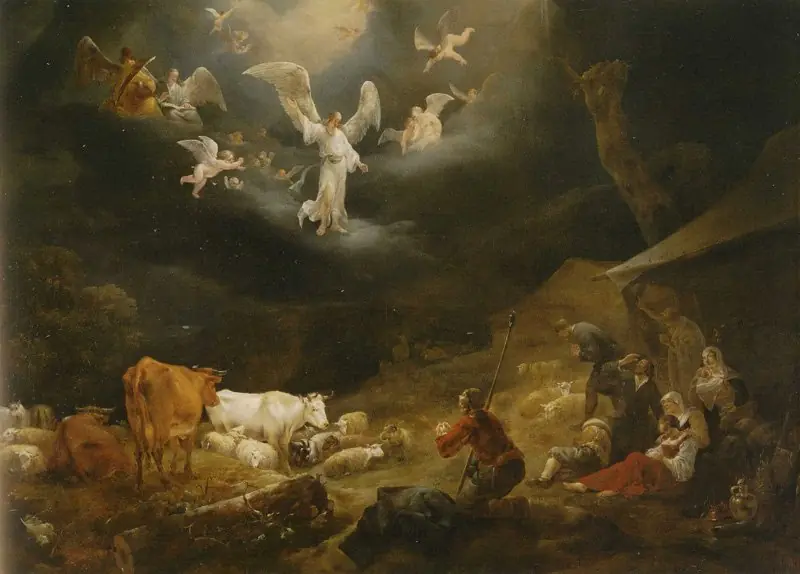 The Annunciation to the Shepherds
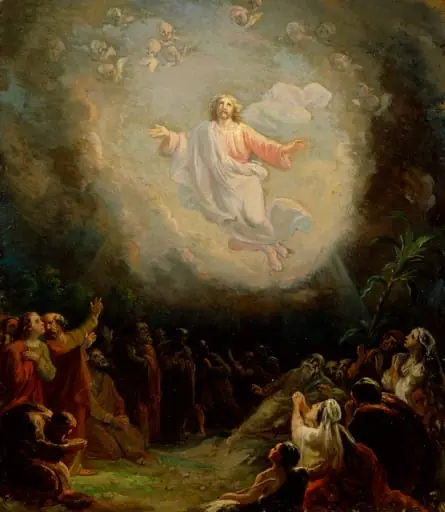 Kristuksen taivaaseenastuminen, luonnos Lemlannin alttaritauluun
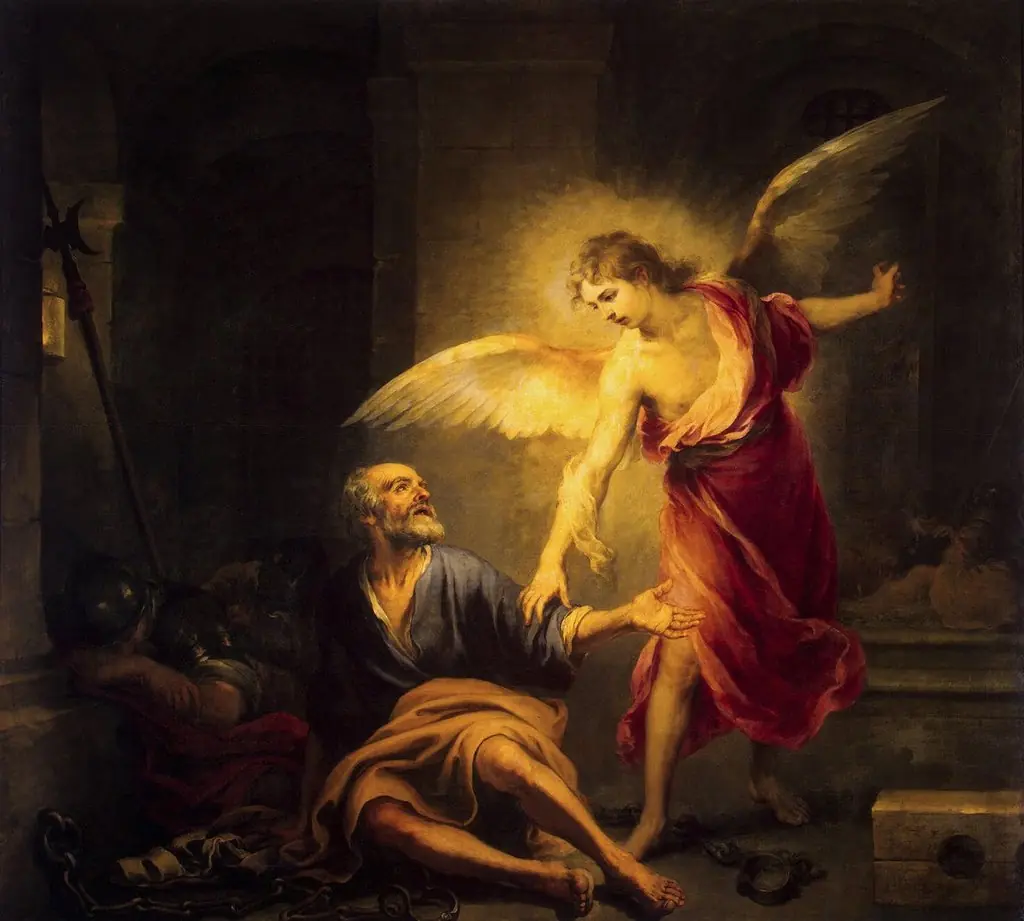 Liberation of Saint Peter
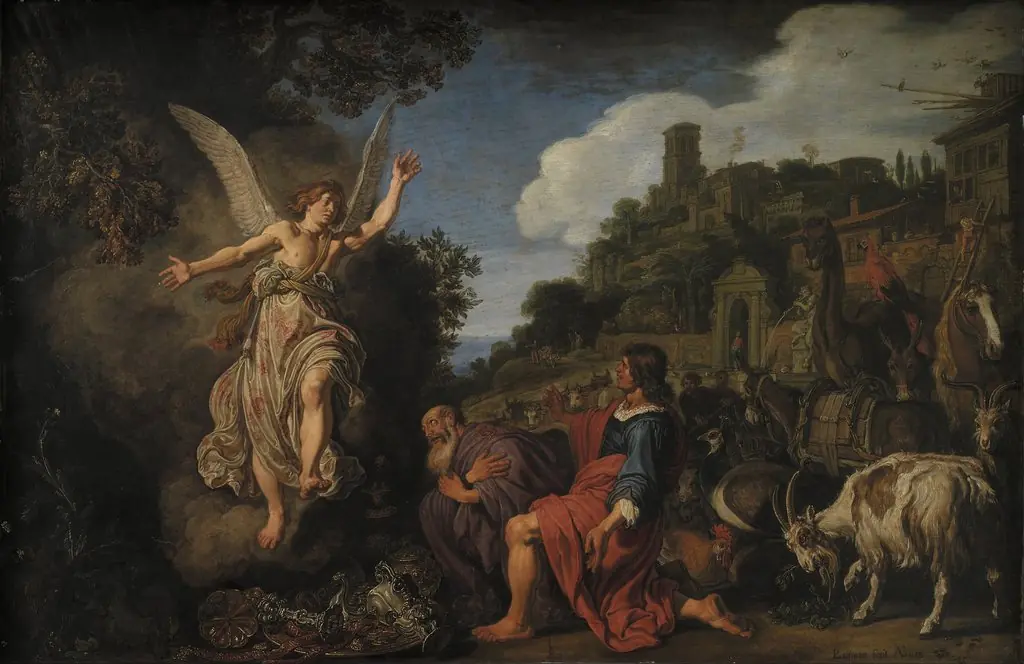 The Angel Raphael Takes Leave of Old Tobit and his Son Tobias