Artwork
Hunter with his Hounds
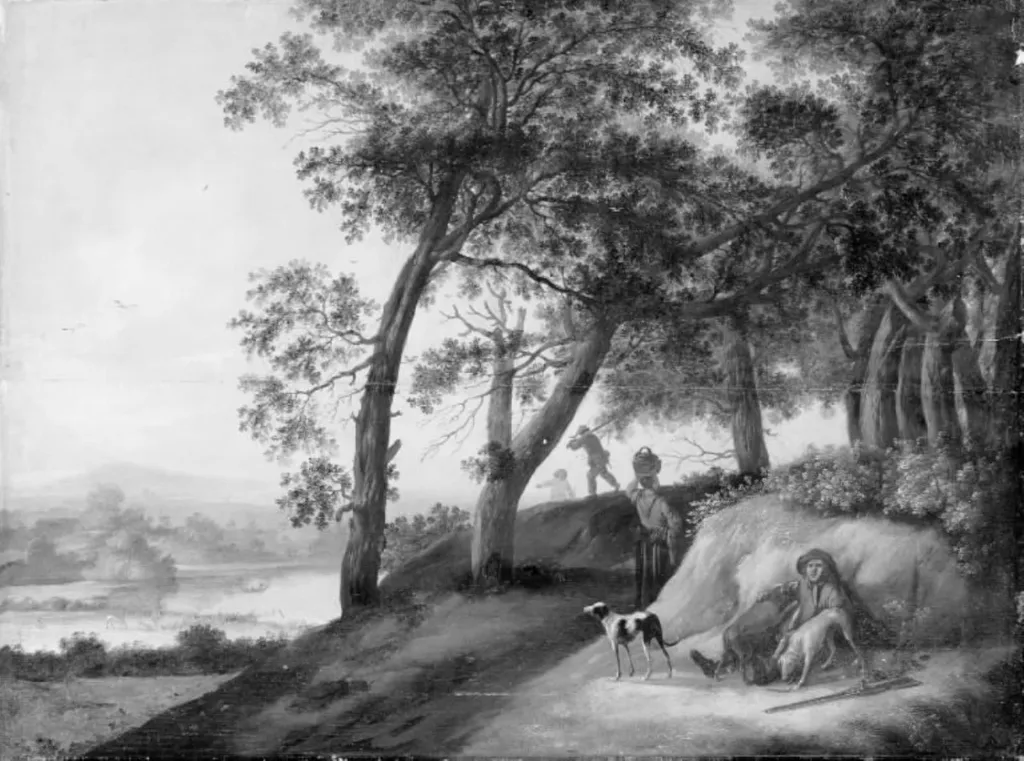
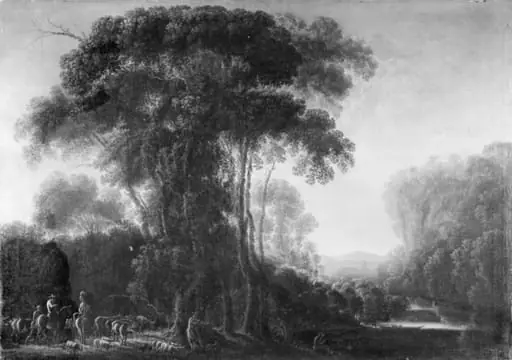
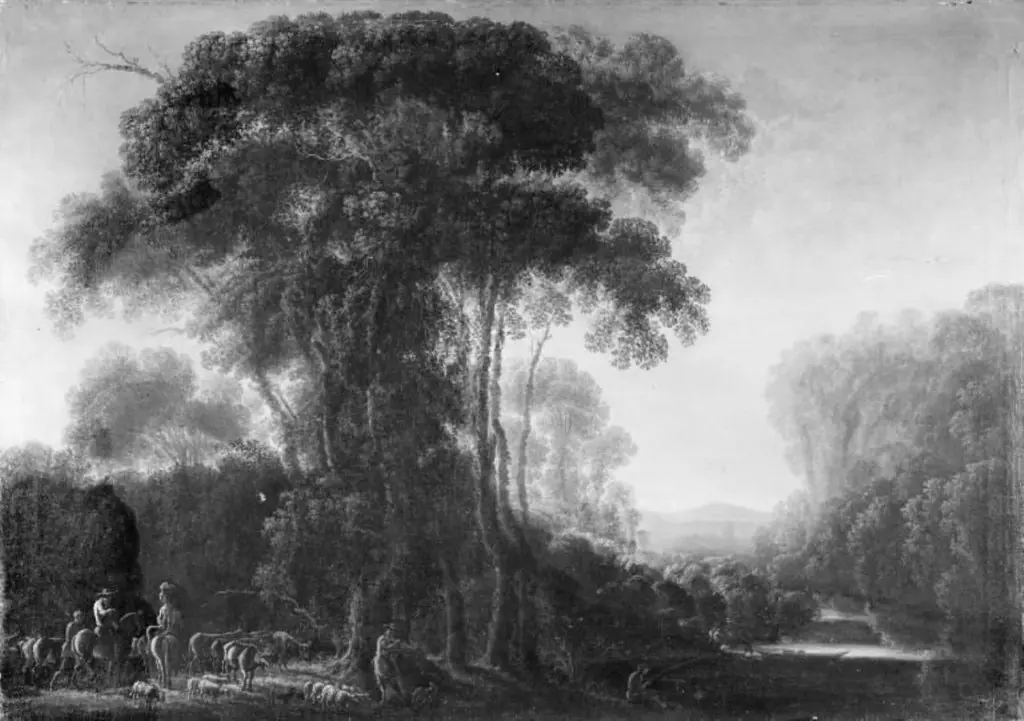
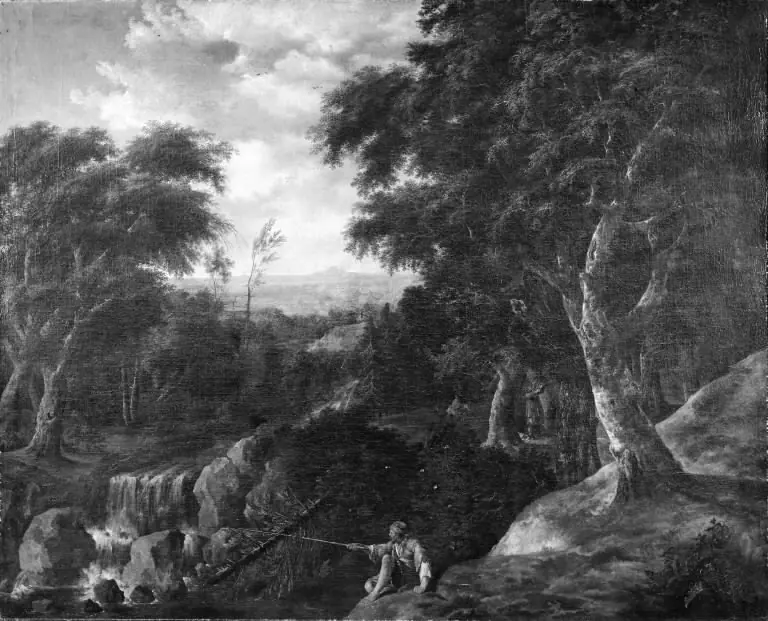
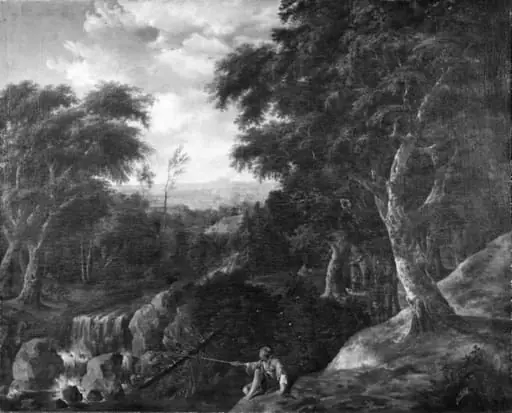
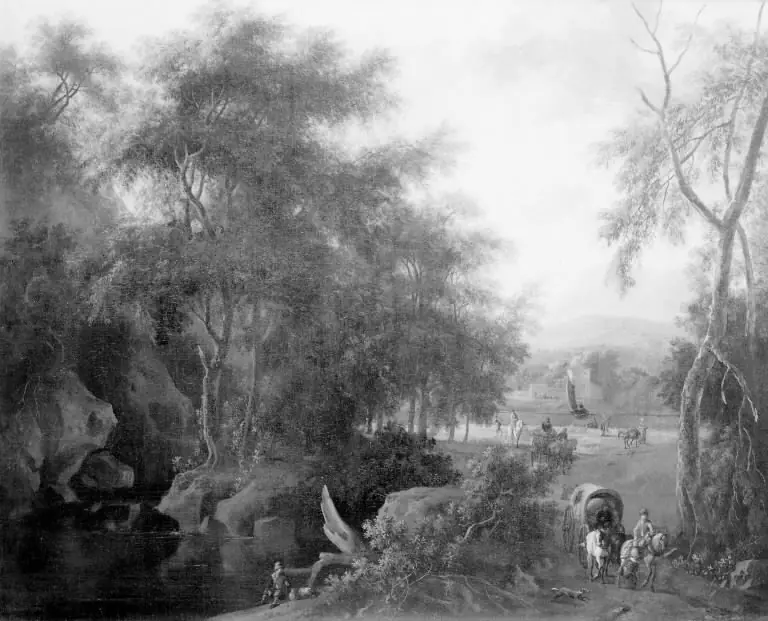
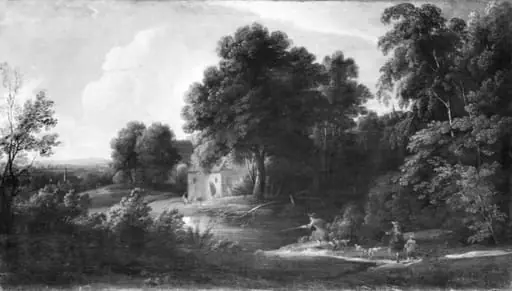
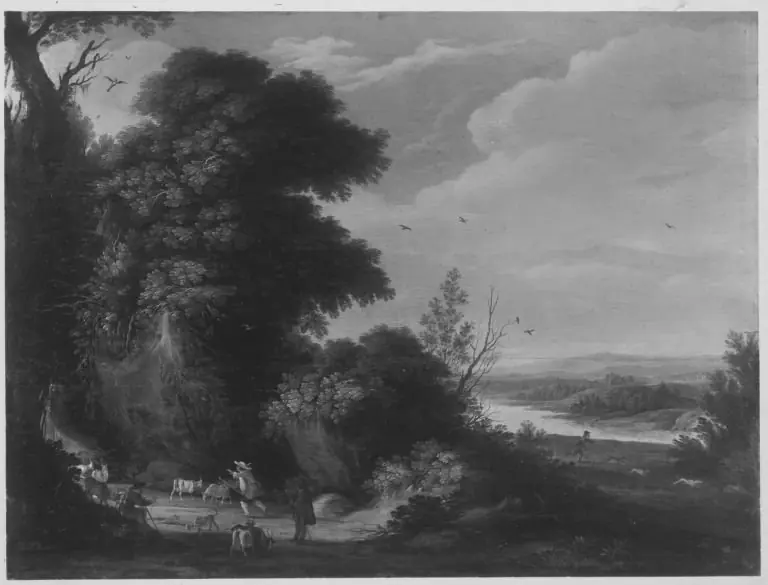
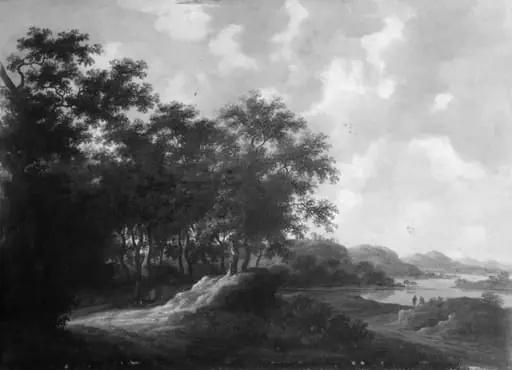
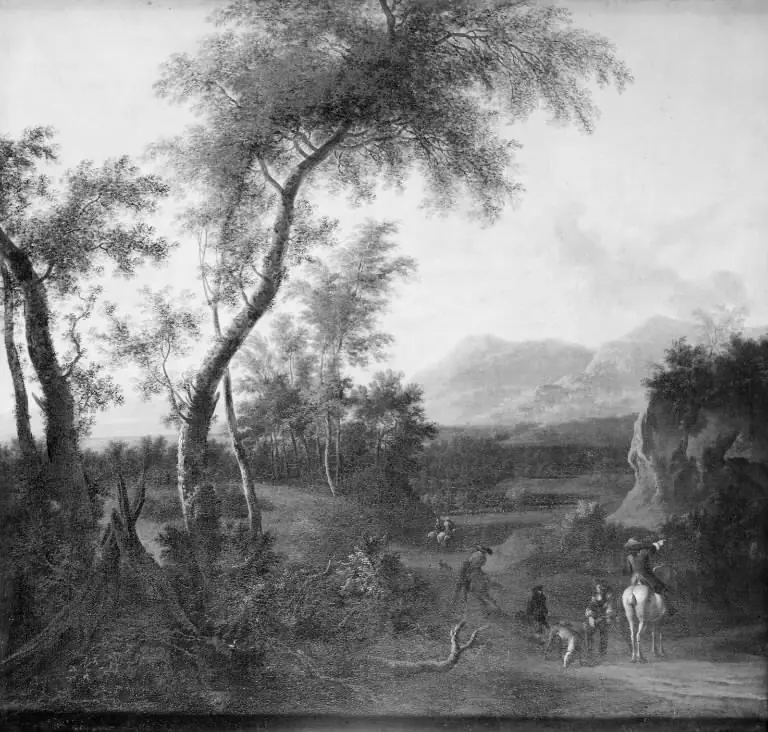
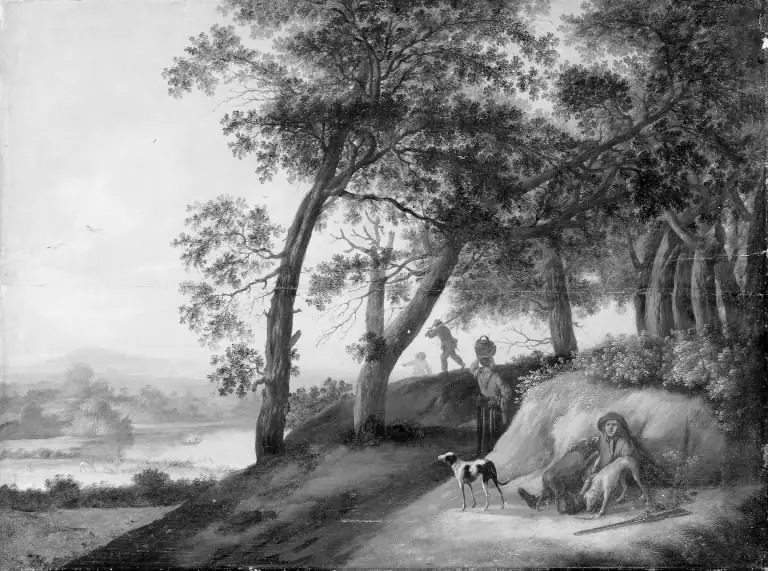
Hunter with his Hounds is a photography by Unknown. It dates from 1666 and is held in the collection of the Statens Museum for Kunst. Created around 1666, this black-and-white drawing depicts a solitary forest scene with two figures and a dog.
About this work
Overview
Created around 1666, this black-and-white drawing depicts a solitary forest scene with two figures and a dog.
Created around 1666, this black-and-white drawing depicts a solitary forest scene with two figures and a dog. The work is attributed to 2614_person and is part of the Museum of Ethnography’s collection. Rendered with careful tonal gradations, the composition conveys stillness and quiet observation, emphasizing the relationship between humans and the natural environment rather than action or narrative drama.
Subject & Meaning
Two individuals, one standing near a tethered horse and the other seated on the ground, are accompanied by a dog positioned between them. Their stillness suggests a pause in hunting activity, perhaps a moment of rest or anticipation. The absence of overt violence or triumph shifts focus to the quiet dignity of rural life, hinting at a deeper connection between the figures and the landscape they inhabit.
Technique & Style
The artist employs chiaroscuro to model form and suggest depth, using subtle shifts in shading to distinguish figures from the atmospheric background. Light appears to originate from the left, casting soft shadows that define the contours of bodies and trees. The sparse use of line and emphasis on tone, rather than detail, reflect a restrained, observational approach characteristic of certain 17th-century draftsmanship traditions.
History & Provenance
The drawing has been held by the Museum of Ethnography since at least the early 20th century, though its earlier ownership remains undocumented. Its attribution to 2614_person is based on stylistic analysis and archival comparisons, as no signed or dated variants are known. The work likely originated in a regional artistic context, possibly as a preparatory study or independent sketch.
Context
Produced in the mid-17th century, the drawing aligns with a broader European interest in depicting rural labor and outdoor life with psychological nuance. While not part of a known series, its quiet realism echoes contemporary studies by artists who favored intimate, unidealized scenes over grand historical or mythological themes, reflecting a shift toward everyday observation in visual culture.
Legacy
Though not widely reproduced or studied, the drawing contributes to understanding how lesser-known artists captured rural life with sensitivity and restraint. Its preservation in an ethnographic collection underscores its value as a record of material culture and social practice, offering insight into the visual language of non-elite subjects during the early modern period.
Artist & collection

 Domestic Scene
 Giacomo and Cardinal Marco, investing Andrea, Abbot of San Zeno, with his Benefice
 The Nymph of Fontainebleau
 Portrait of a Woman
 Madonna and Child with Saints in the Enclosed Garden
 Venus and Minerva
 Family Group of Four on Sofa
 Wall painting from Room H of the Villa of P. Fannius Synistor at Boscoreale