Artwork
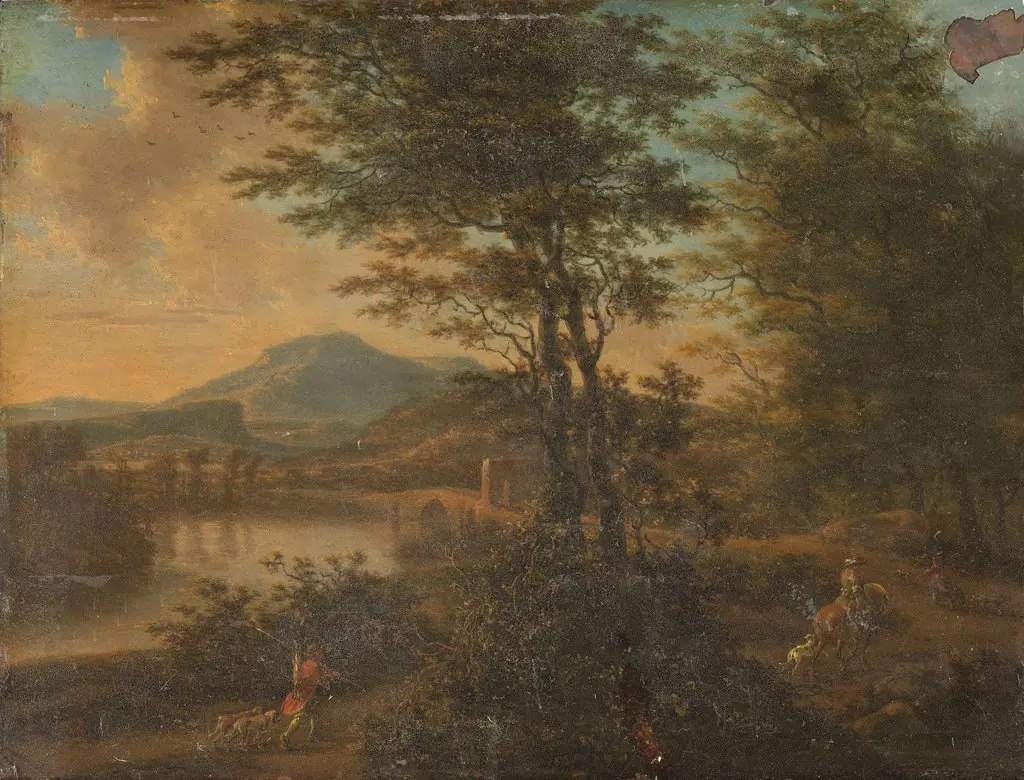
Hunter with his Hounds
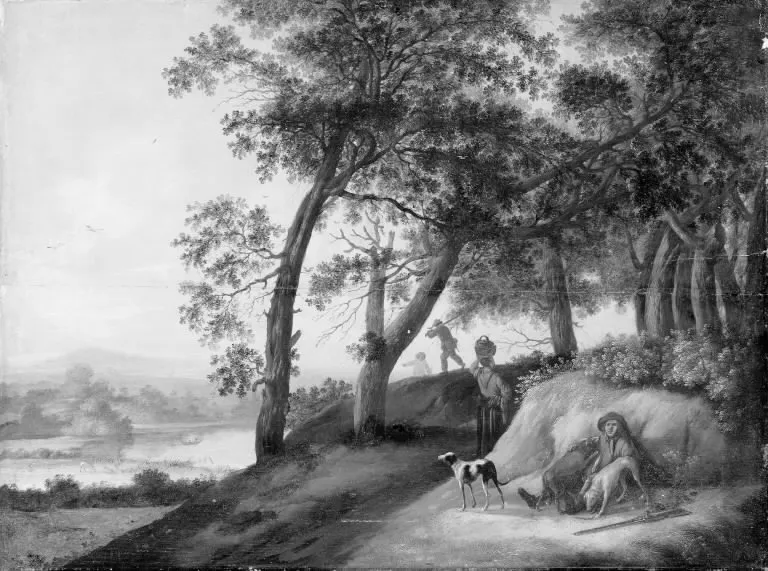
Hunter with his Hounds is an unspecified painting by the Dutch Golden Age artist Willem de Heusch. It dates from 1666 and is held in the collection of the Statens Museum for Kunst.
About this work
To learn more about this style of painting, you can explore the works of Willem de Heusch, who created this piece in 1666.
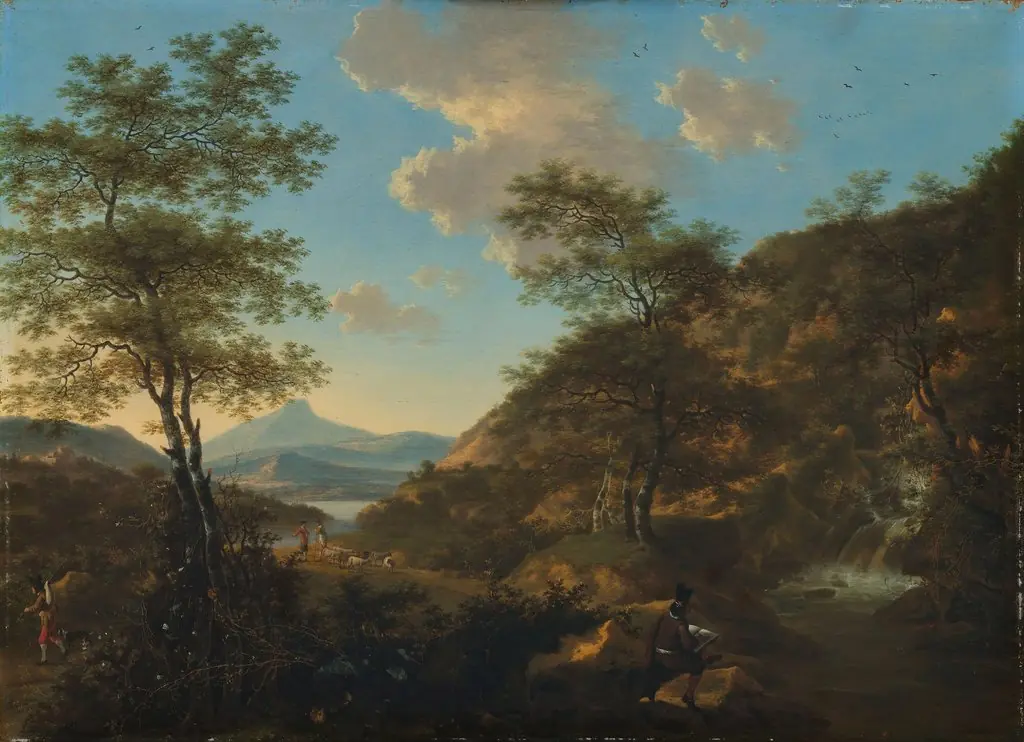
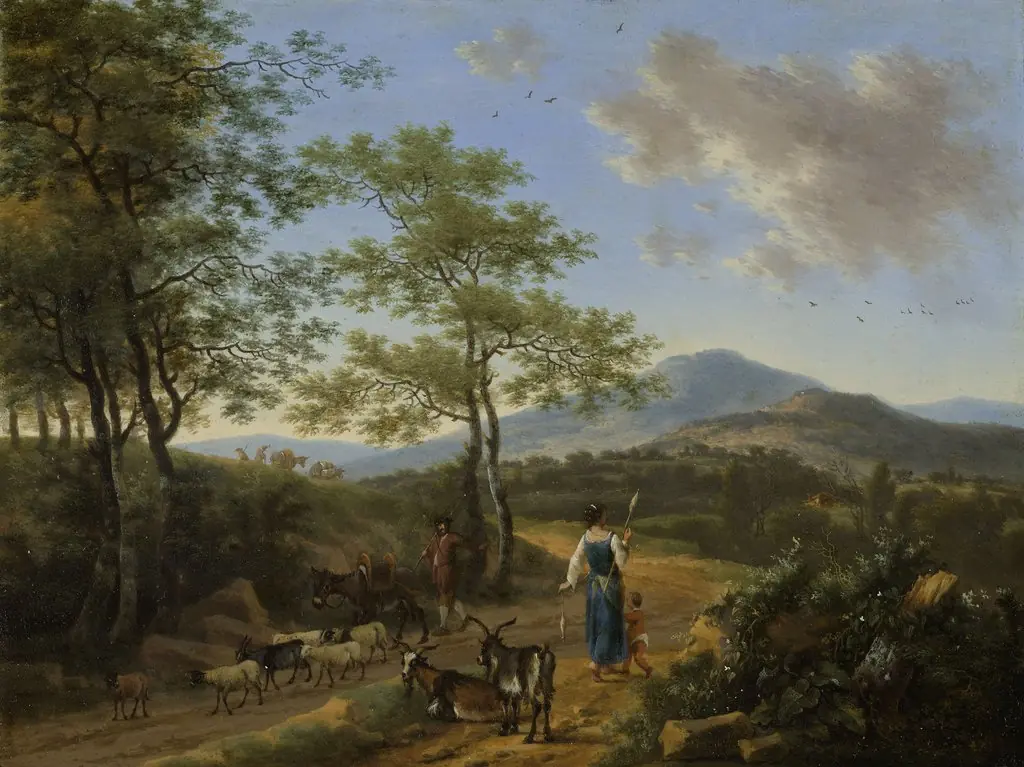
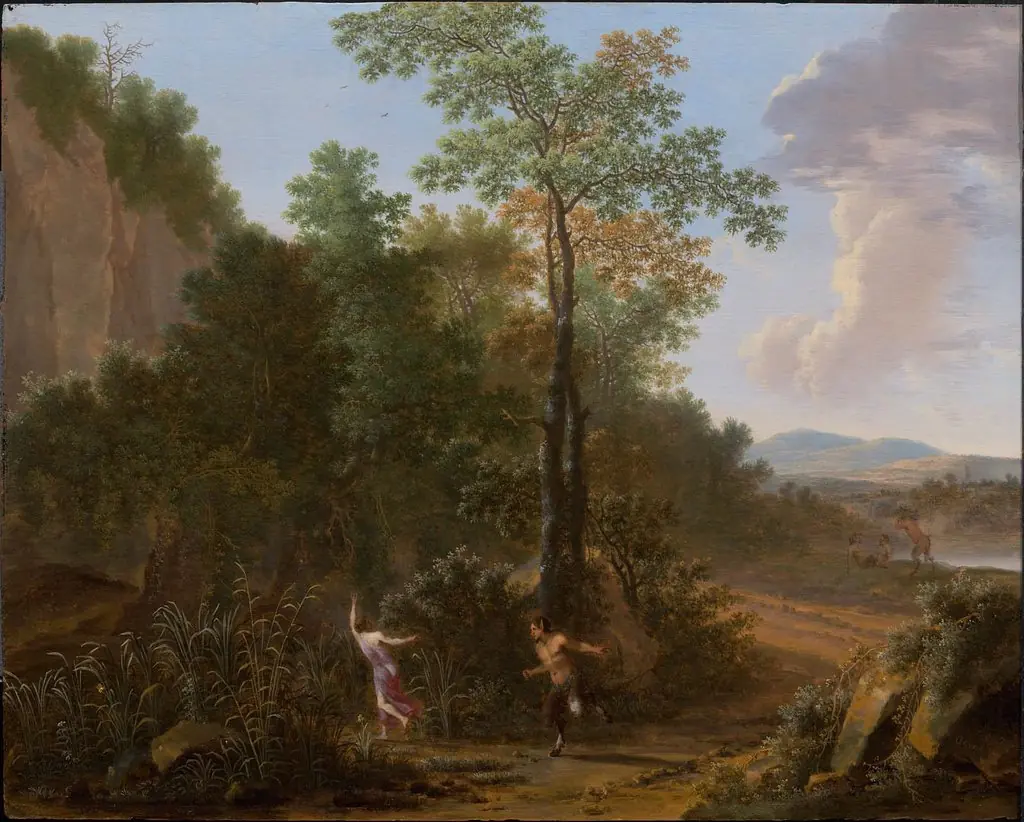
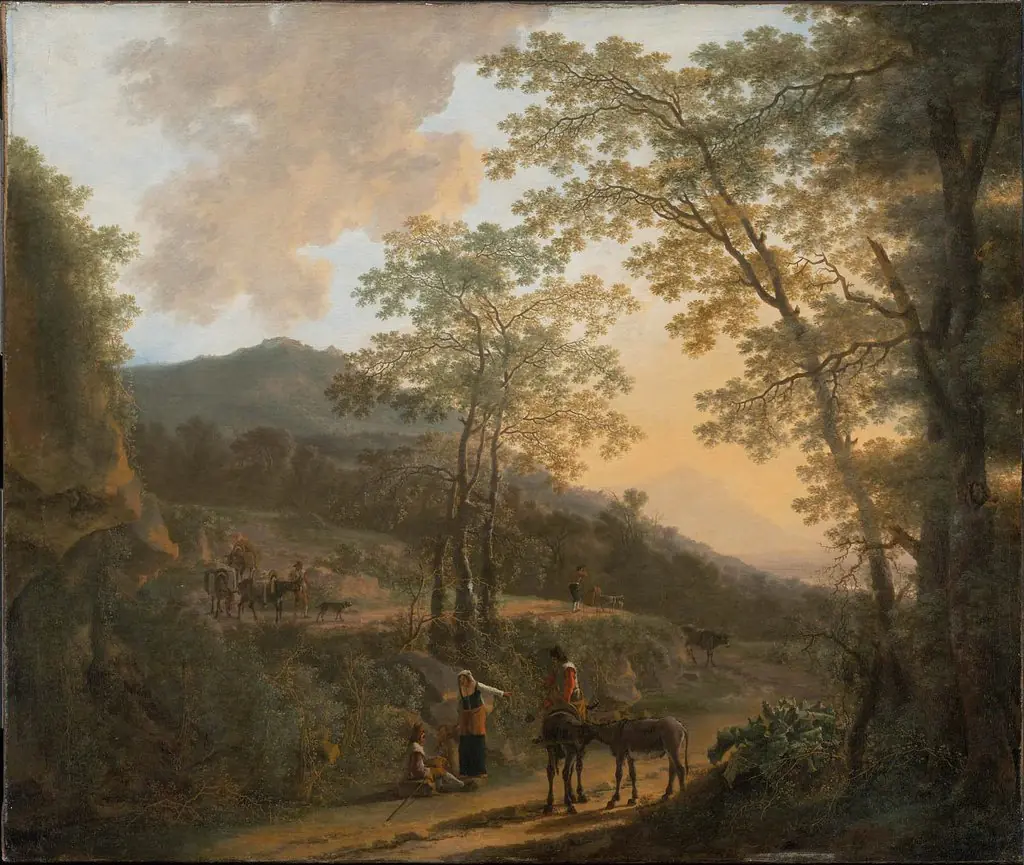
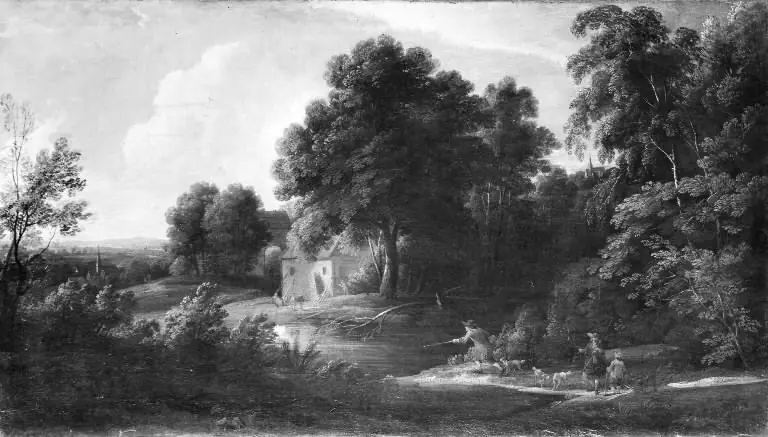
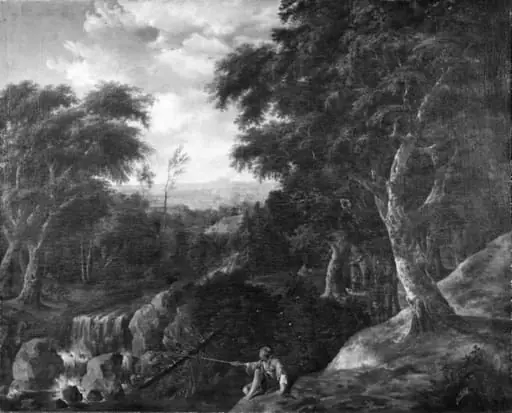
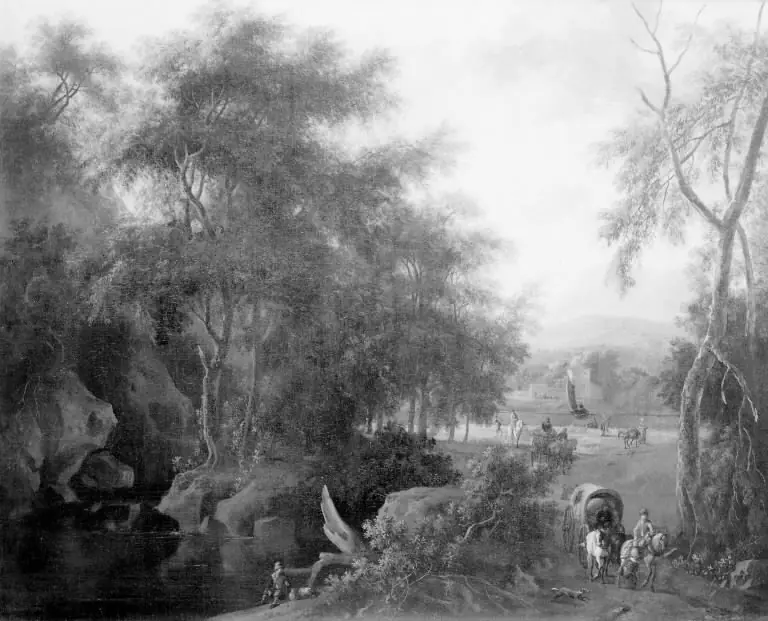
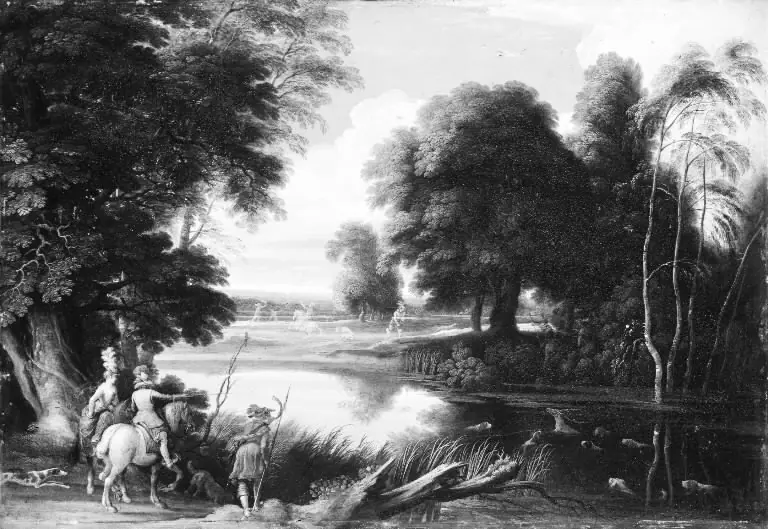
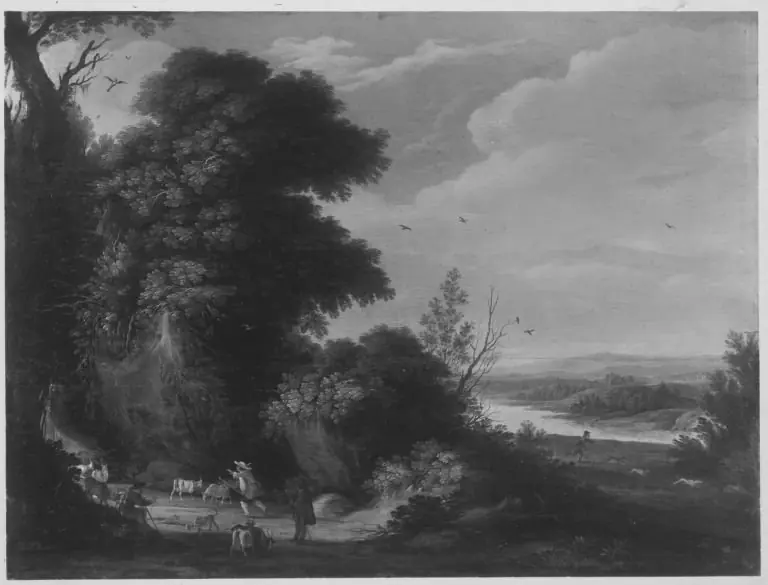
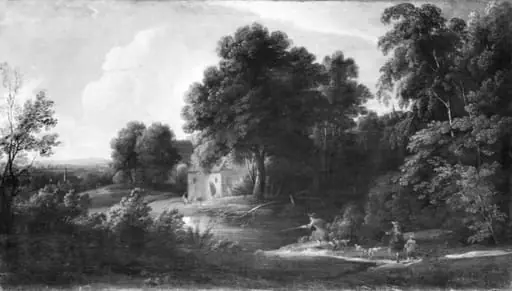
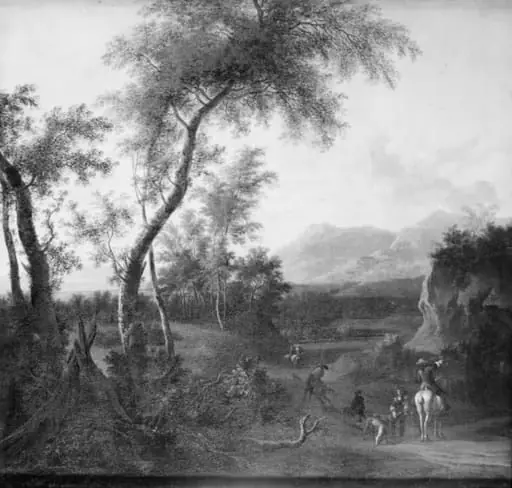
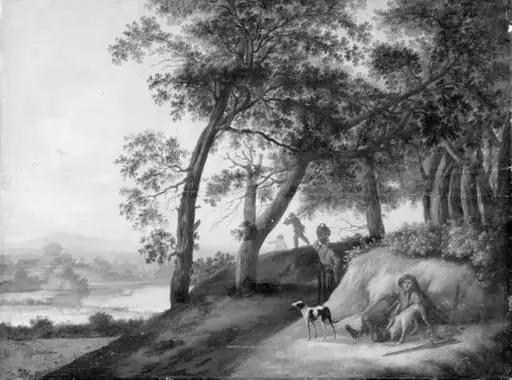
This painting shows a hunter and his hounds in a wooded area. The hunter is wearing a hat and holding a stick, while the hounds are standing next to him. In the background, there are trees and a body of water.
The scene is depicted in a realistic style, with attention to detail in the clothing and the surroundings. The use of color is muted, with earthy tones dominating the palette.
To learn more about this style of painting, you can explore the works of Willem de Heusch, who created this piece in 1666.
Overview
Painted in 1666 by Willem de Heusch, this work depicts a hunter accompanied by his hounds in a quiet woodland setting. Executed in oil on panel, the painting is part of the collection at Statens Museum for Kunst in Copenhagen. It reflects the Dutch and Flemish tradition of landscape and sporting scenes, emphasizing naturalism over drama. The composition is restrained, focusing on the quiet moment between hunt and rest.
Subject & Meaning
The figure, dressed in modest rural attire and holding a walking stick, stands calmly beside his dogs, suggesting a pause after a hunt rather than an active pursuit. The absence of prey or violence implies a contemplative tone, possibly reflecting contemporary ideals of noble leisure. The hounds, attentive but not agitated, reinforce a sense of order and domesticated nature, aligning with the era’s fascination with human harmony with the wild.
Technique & Style
De Heusch employs a muted palette of browns, greens, and grays to evoke the subdued light of a forest edge. Brushwork is precise yet unobtrusive, with careful rendering of fur, fabric, and bark textures. The background recedes with soft atmospheric perspective, and the water’s reflection is rendered with subtle tonal shifts. The style is rooted in Dutch realism, prioritizing observation over theatricality.
History & Provenance
The painting entered the Danish national collection in the 19th century, though its earlier ownership remains undocumented. It was likely acquired during a period of increased interest in Dutch Golden Age works. No significant alterations or restorations are recorded, and it has remained in stable condition since its inclusion in the museum’s holdings.
Context
In mid-17th-century Netherlands and Flanders, hunting scenes were popular among the landed elite as symbols of status and connection to the land. De Heusch, active in Utrecht and later in the Dutch Republic, specialized in landscapes with figures, often blending topographical accuracy with quiet narrative. This work fits within a broader genre that valued tranquility and natural detail over spectacle.
Legacy
Though not widely reproduced, the painting exemplifies the quiet, observational strand of Dutch landscape painting that influenced later 18th-century genre scenes. De Heusch’s restrained approach, avoiding melodrama, contributed to a more introspective tradition in Northern European art. Today, it remains a representative example of how hunting was rendered not as action, but as a moment of stillness.
Artist & collection