Artwork
Bruno
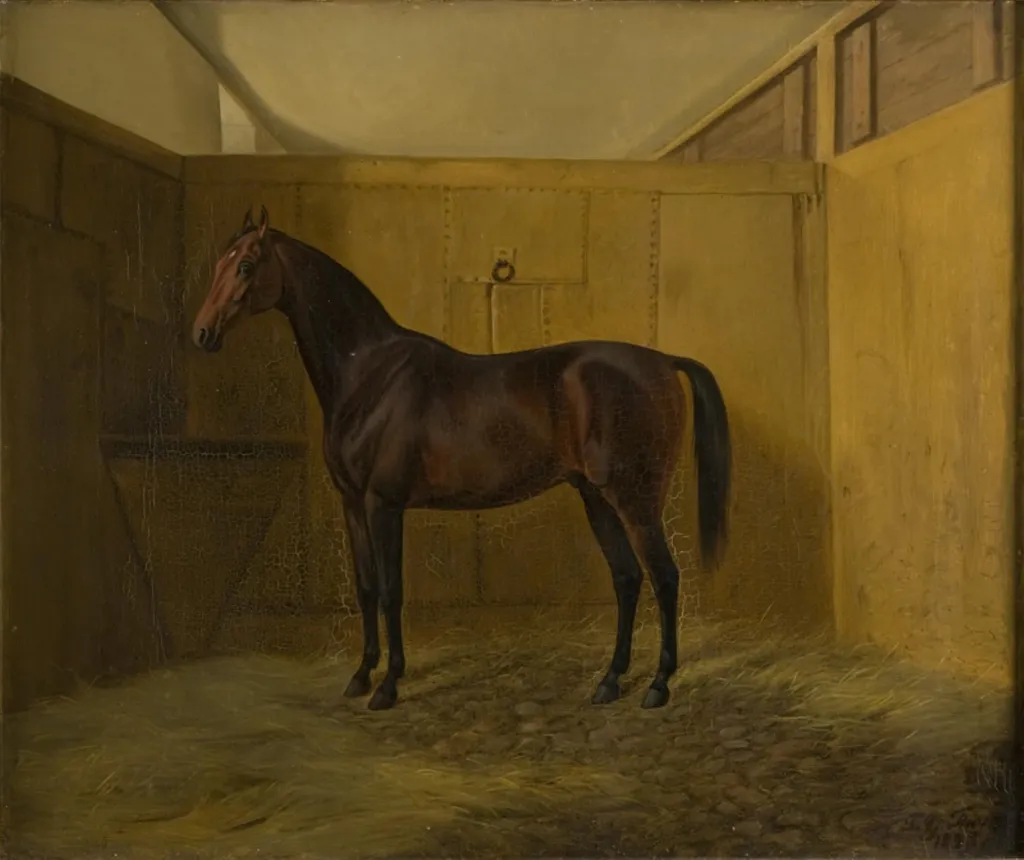
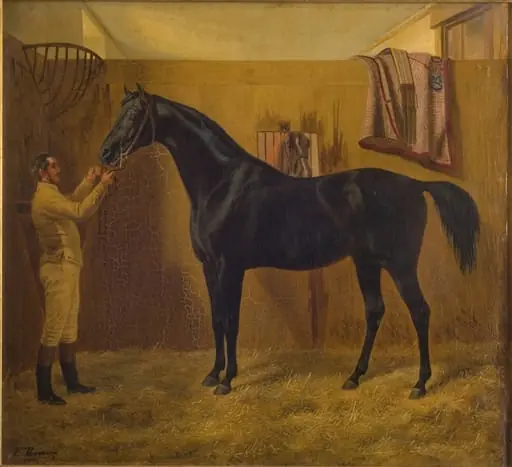
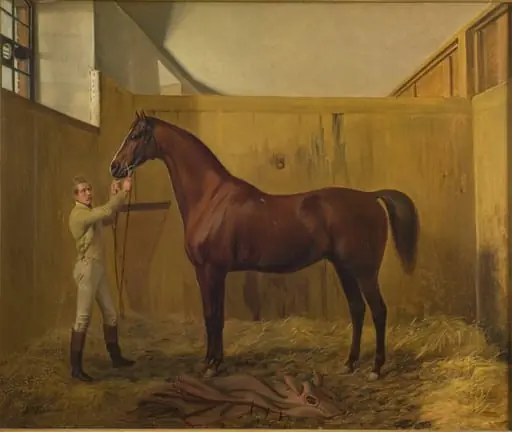
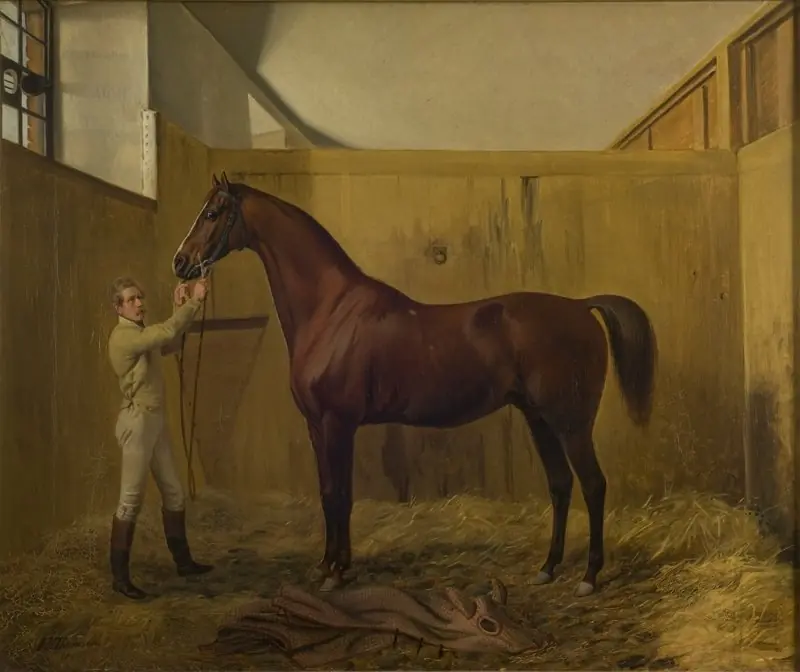
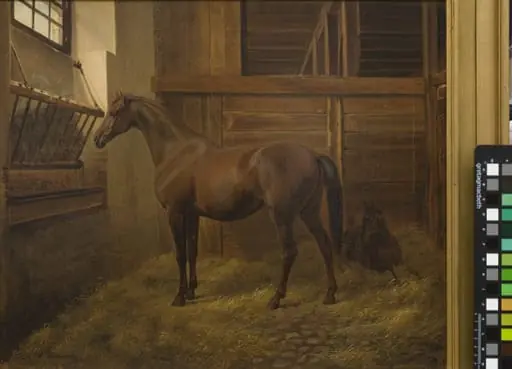
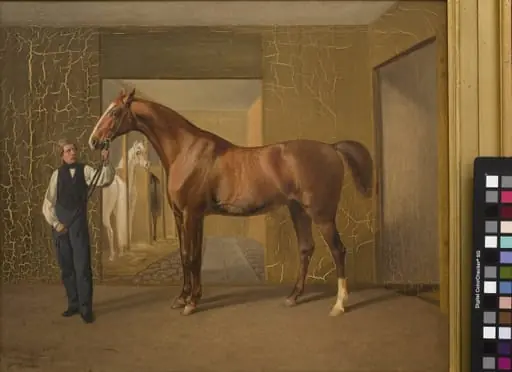
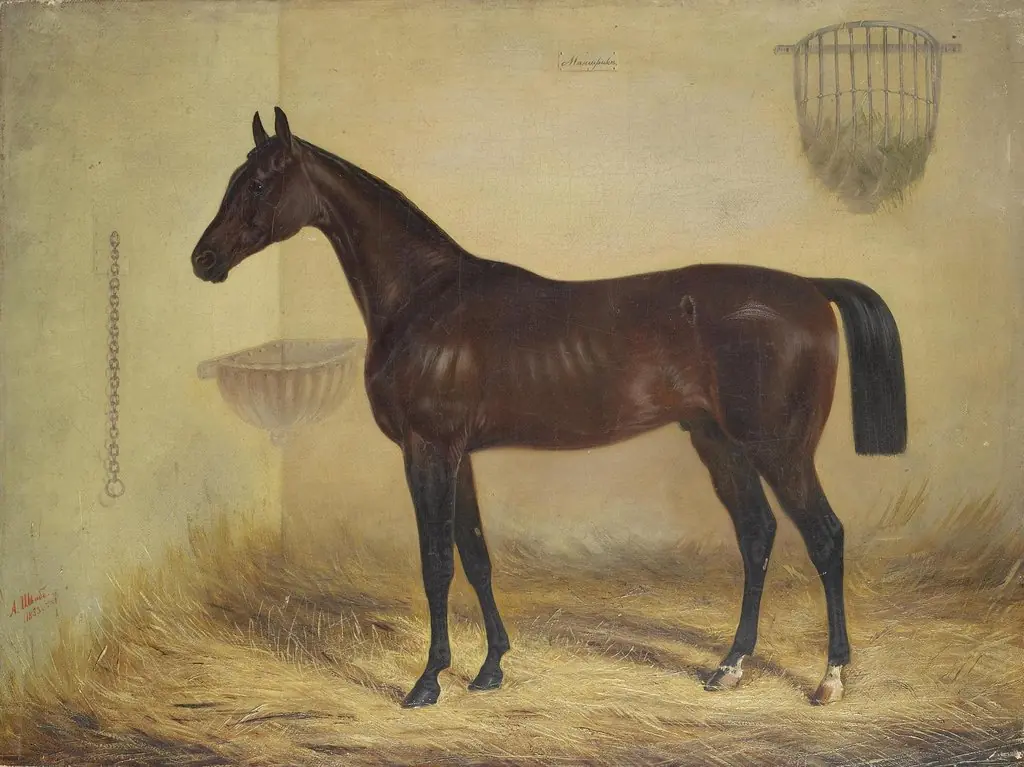
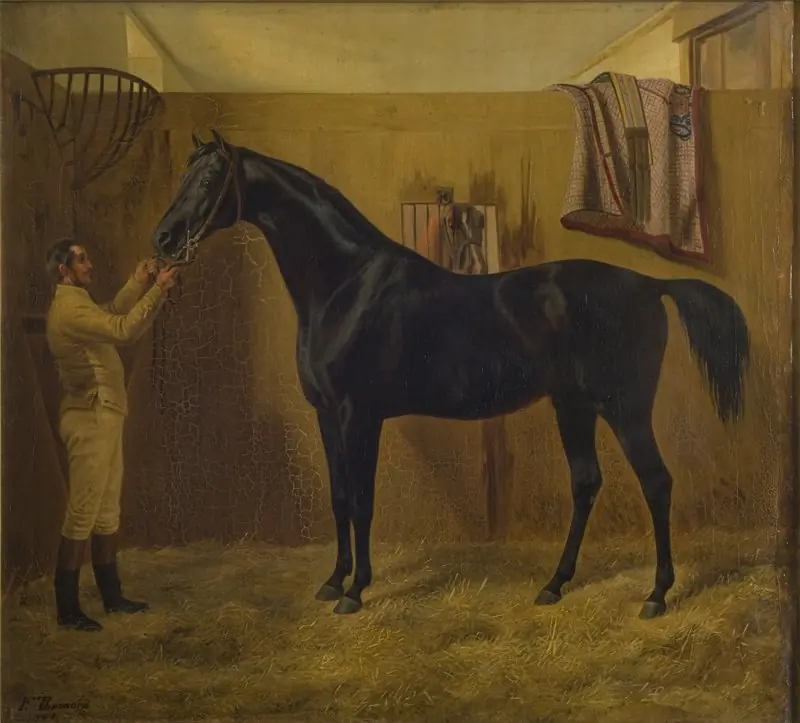
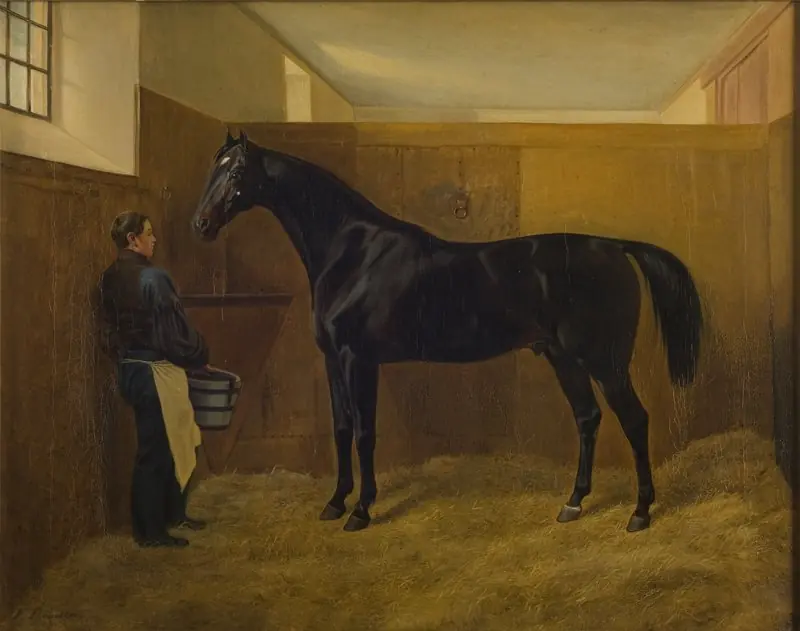
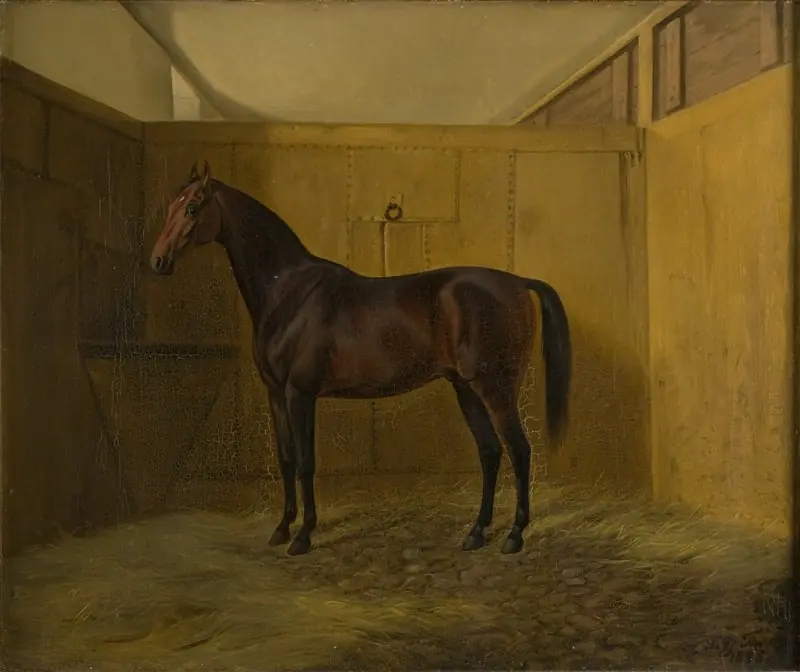
Bruno is a photography by the Romanticist artist Unknown. It dates from 1848 and is held in the collection of the Statens Museum for Kunst. Created in 1848 by 2708_person, this image depicts a single horse in a quiet stable setting.
About this work
Overview
Created in 1848 by 2708_person, this image depicts a single horse in a quiet stable setting. The work is part of the Museum of Ethnography’s collection and presents a restrained, observational approach to animal portraiture. Its composition emphasizes stillness and atmosphere over narrative, inviting contemplation of the subject’s presence within a modest, everyday space.
Subject & Meaning
The subject is a dark brown horse, rendered in a moment of calm, standing alone in a sparse stable. The absence of human figures or overt symbolism shifts focus to the animal’s physicality and dignity. The setting suggests a functional, rural environment, reinforcing themes of labor, quiet endurance, and the quiet relationship between humans and working animals in the 19th century.
Technique & Style
The artist employs soft, directional lighting to model the horse’s form, enhancing the texture of its coat and creating subtle gradations of shadow. The background remains muted and unadorned, with plain wooden walls and straw-strewn flooring, allowing the animal to dominate the visual field. This restrained use of chiaroscuro avoids theatricality, favoring quiet realism over dramatic contrast.
History & Provenance
The work entered the Museum of Ethnography’s holdings after its creation in 1848, likely acquired as part of a broader collection documenting rural life and animal husbandry. Its preservation suggests early recognition of its documentary value, though little is recorded about its initial exhibition or ownership prior to museum acquisition.
Context
In mid-19th-century Europe, depictions of working animals were increasingly valued for their ethnographic and social significance. This image aligns with a growing interest in recording everyday rural scenes, away from idealized equestrian portraiture. The stable’s simplicity reflects the practical realities of agricultural life, contrasting with more ornate contemporary animal studies.
Legacy
Though not widely reproduced, the work contributes to a quieter tradition of 19th-century animal observation in art. Its focus on the ordinary and unembellished has influenced later ethnographic photography and realist depictions of livestock. The image endures as a quiet testament to the dignity of working animals in pre-industrial settings.
Artist & collection

 Domestic Scene
 Giacomo and Cardinal Marco, investing Andrea, Abbot of San Zeno, with his Benefice
 The Nymph of Fontainebleau
 Portrait of a Woman
 Madonna and Child with Saints in the Enclosed Garden
 Venus and Minerva
 Family Group of Four on Sofa
 Wall painting from Room H of the Villa of P. Fannius Synistor at Boscoreale