Artwork
The Deer Park North of Copenhagen
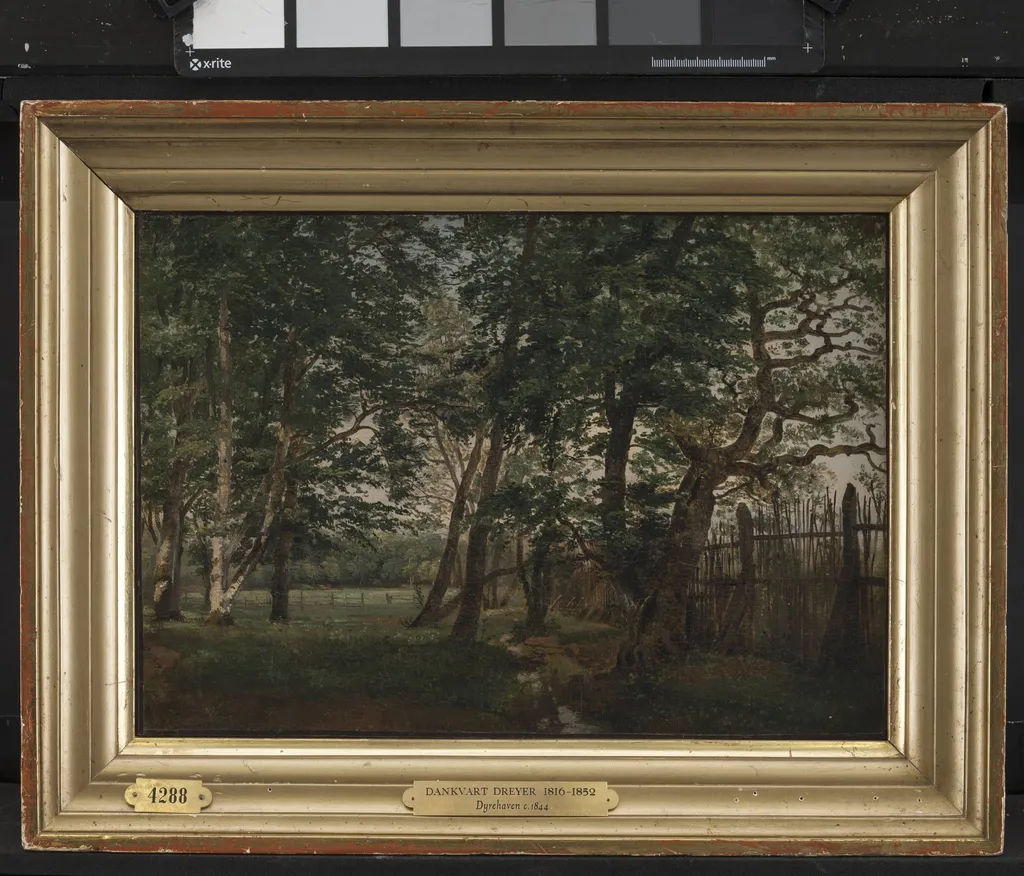
The Deer Park North of Copenhagen is a photography by the Romanticist artist Unknown. It dates from 1844 and is held in the collection of the Statens Museum for Kunst.
About this work
The artist focused on nature’s details, like the rough bark on the trees and the way light filters through the branches.
This painting shows a quiet forest scene with tall trees and a small fence in the background. The colors are mostly green and brown, with some patches of sunlight breaking through the leaves. A few animals are hidden in the underbrush, and the ground looks damp and mossy.
The artist focused on nature’s details, like the rough bark on the trees and the way light filters through the branches. This painting was made in 1844, but it looks like a photo—it’s actually one of the earliest photographs ever taken.
If you like this, look up Romanticism next to see how artists used nature to tell bigger stories.
Overview
Created in 1844, The Deer Park North of Copenhagen is among the earliest surviving photographic images. Though often mistaken for a painting due to its tonal richness and detail, it is a daguerreotype produced by an unknown practitioner. The work captures a wooded landscape near Copenhagen, preserving subtle textures of bark, moss, and light with unprecedented clarity for its time.
Subject & Meaning
The image depicts a quiet, secluded forest clearing with a low wooden fence receding into the distance. Sparse deer are visible among the undergrowth, suggesting a managed natural reserve. The absence of human figures emphasizes solitude and the quiet persistence of nature, aligning with 19th-century European interests in wilderness as a space of contemplation rather than domination.
Technique & Style
Executed as a daguerreotype, the image relies on a silver-plated copper surface exposed to iodine vapor and developed with mercury fumes. The long exposure time—likely several minutes—resulted in still, soft-edged forms and muted tonal gradations. The composition avoids dramatic contrasts, favoring naturalistic lighting and meticulous rendering of foliage and ground texture.
History & Provenance
The photograph was made in Denmark shortly after the daguerreotype process was announced in 1839. It entered the collection of the Museum of Ethnography in the late 19th century, possibly as part of a broader effort to document Scandinavian landscapes and cultural environments. Its attribution remains uncertain, as early photographic work was often uncredited.
Context
In 1844, photography was still experimental, and landscape imagery was rare. While Romantic painters idealized nature, this photograph offered a new kind of truth—unmediated, precise, and unembellished. It reflects a transitional moment when scientific documentation and aesthetic observation began to converge, challenging traditional artistic representation.
Legacy
As one of the earliest known photographic landscapes in Scandinavia, it represents a pivotal step in the medium’s evolution from novelty to documentary tool. Its preservation in an ethnographic museum underscores its value as both technical achievement and cultural record, influencing later generations of photographers seeking authenticity in natural settings.
Artist & collection

 Domestic Scene
 Giacomo and Cardinal Marco, investing Andrea, Abbot of San Zeno, with his Benefice
 The Nymph of Fontainebleau
 Portrait of a Woman
 Madonna and Child with Saints in the Enclosed Garden
 Venus and Minerva
 Family Group of Four on Sofa
 Wall painting from Room H of the Villa of P. Fannius Synistor at Boscoreale
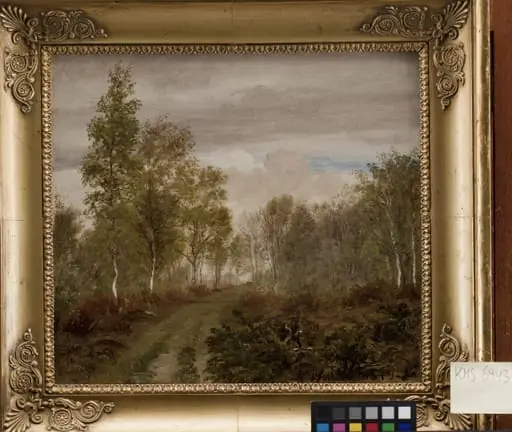 Birketræer på Læsø efter regn
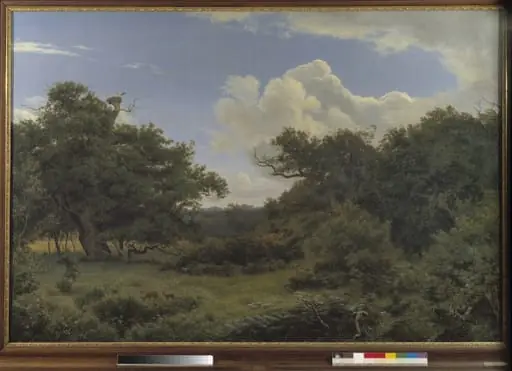 Oak Trees in Nordskoven near Jægerspris, Zealand
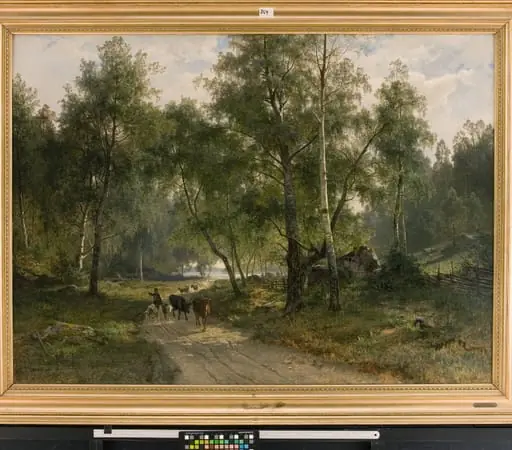 Beneath the Birches. Motif from Mälaren
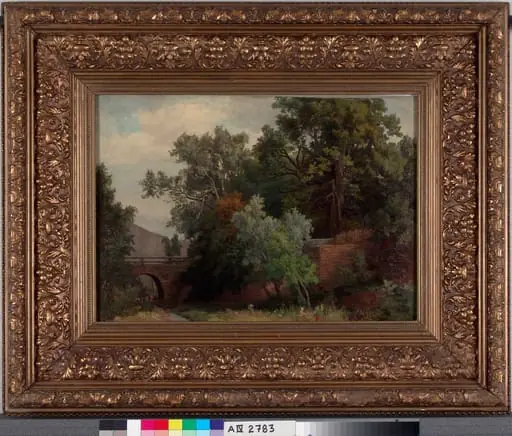 Siltamaisema Saksasta
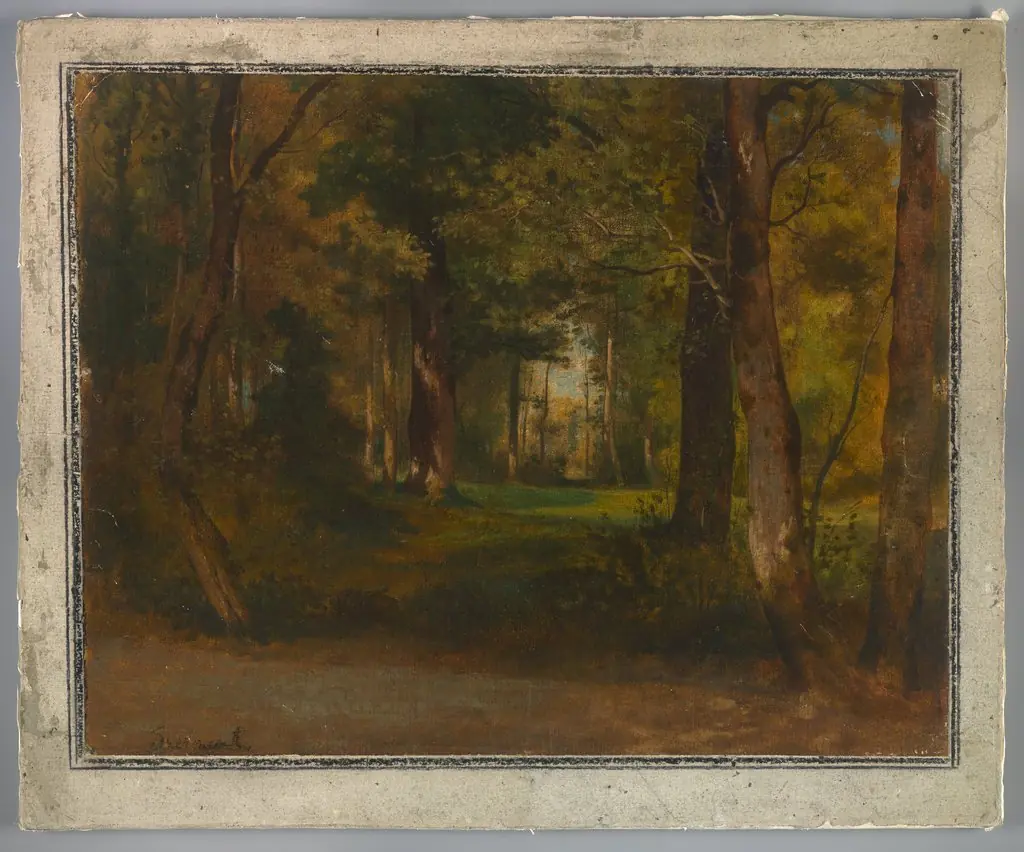 Forest
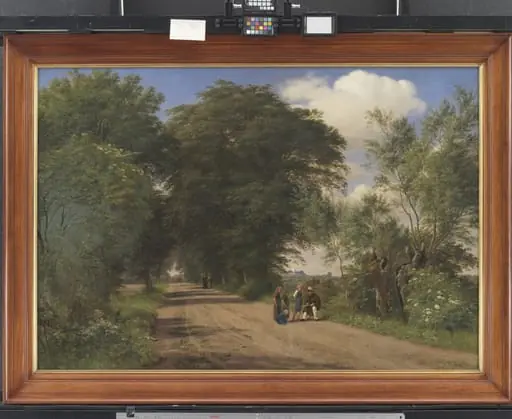 A Country Road near Vognserup Manor, Zealand. The Painter J.Th. Lundbye Sketching by the Roadside
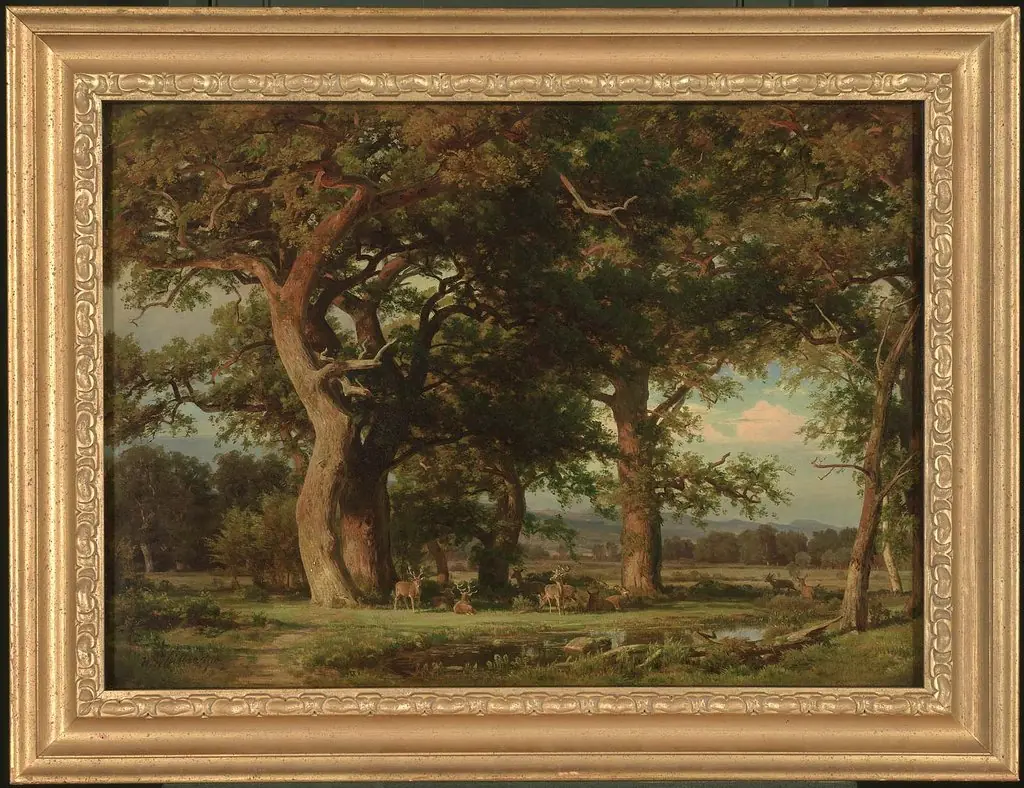 Outskirts of the Forest
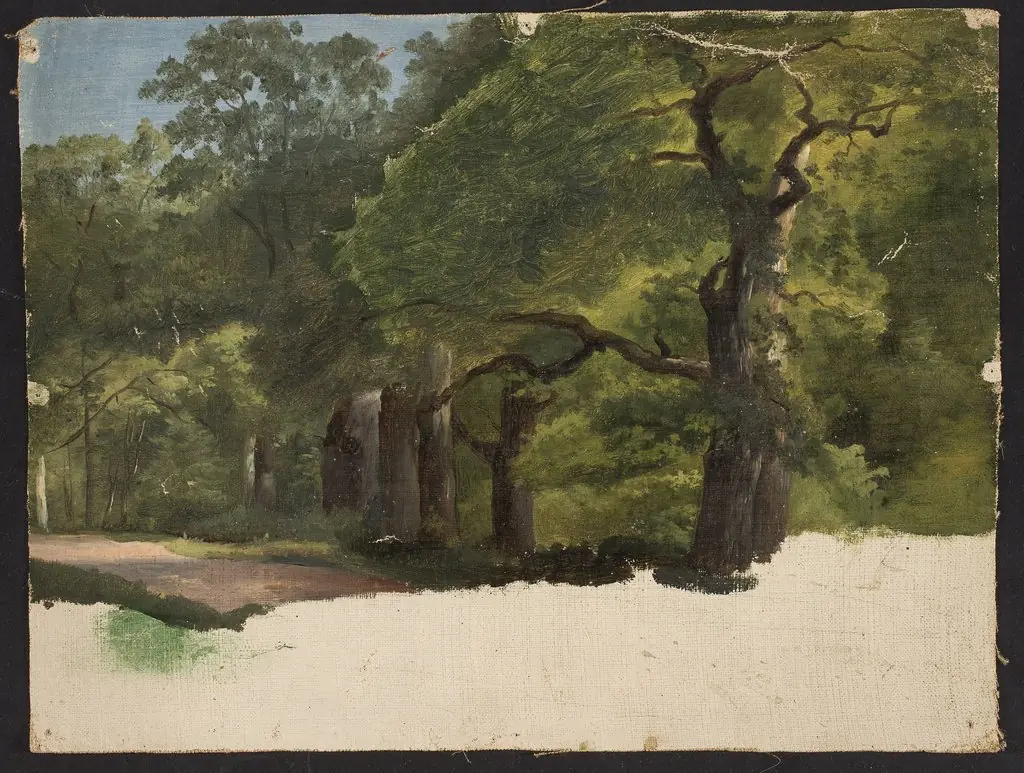 Forest landscape, sketch
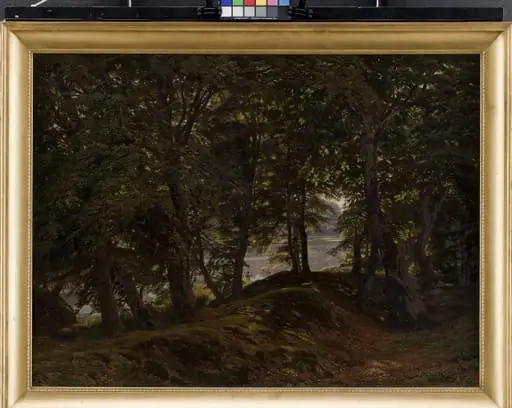 Et skyggefuldt sted i Hestehave ved Frederiksborg
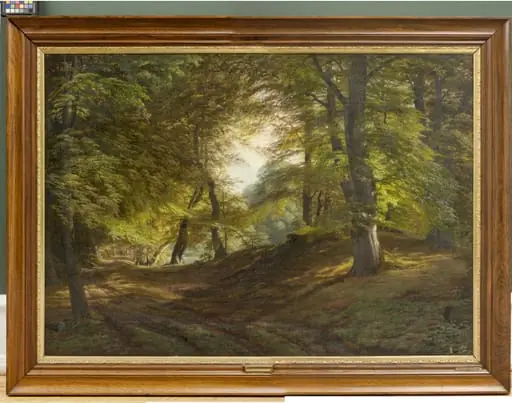 A Wood near Frederiksborg Castle