Artwork
Ivan III or Ivan VI Antonovich. Full-length Portrait
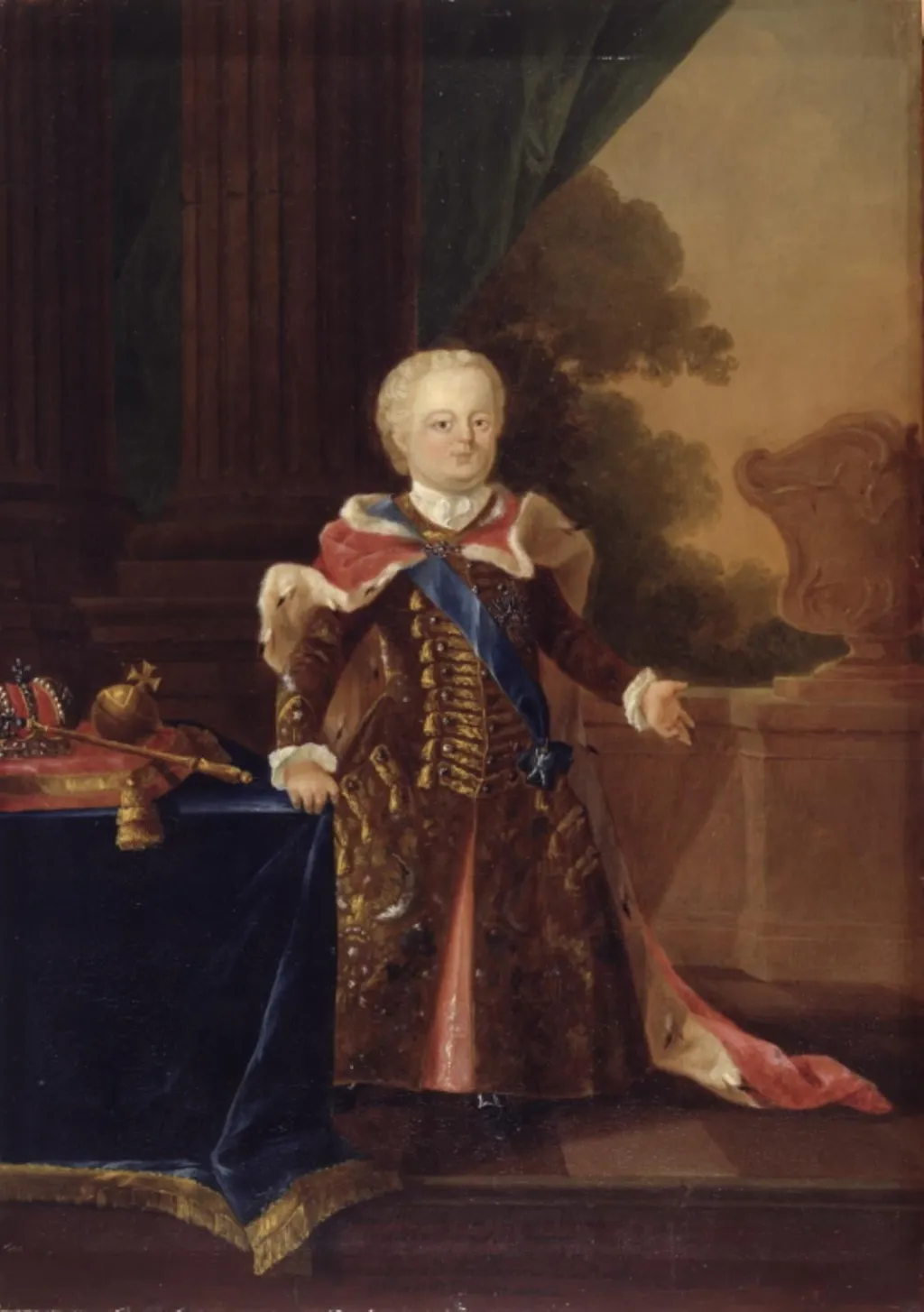
Ivan III or Ivan VI Antonovich. Full-length Portrait is an unspecified painting by Unknown. It dates from 1750 and is held in the collection of the Statens Museum for Kunst. The full-length portrait, dated to around 1750, depicts a male figure identified as Ivan III or Ivan VI Antonovich.
About this work
Overview
The full-length portrait, dated to around 1750, depicts a male figure identified as Ivan III or Ivan VI Antonovich. Executed by an artist catalogued as 2852_person, the work is part of the collection of the Museum of Ethnography. The composition presents the sitter standing indoors, rendered in a manner that emphasizes his status through elaborate dress and a carefully arranged setting.
Subject & Meaning
The subject is dressed in opulent attire that signals aristocratic or royal rank: a dark brown coat edged with gold, a red sash across the chest, and a blue sash draped over one shoulder. A neatly styled white wig, a white glove, and the presence of a crown and a richly trimmed hat on a nearby table further underscore his elevated position within the social hierarchy of the period.
Technique & Style
The painter employs a chiaroscuro approach, using strong contrasts of light and shadow to model the figure against a darkened backdrop. Light falls on the coat’s gold trim and the sitter’s face, while the surrounding curtain and vague landscape recede into shadow, creating depth and a three‑dimensional presence that draws the viewer’s eye to the richly detailed costume.
History & Provenance
Created circa 1750, the portrait entered the Museum of Ethnography’s holdings at an unspecified date. The artist’s identity is recorded only as 2852_person, a placeholder used in the museum’s cataloguing system, indicating that the work’s authorship remains uncertain within the institution’s records.
Context
The painting reflects mid‑18th‑century Russian court portraiture, where elaborate dress and symbolic objects such as crowns signified power and legitimacy. The inclusion of both indoor and hinted outdoor elements mirrors contemporary conventions that combined private regal space with a suggestion of the wider realm over which the sitter presided.
Artist & collection

 Domestic Scene
 Giacomo and Cardinal Marco, investing Andrea, Abbot of San Zeno, with his Benefice
 The Nymph of Fontainebleau
 Portrait of a Woman
 Madonna and Child with Saints in the Enclosed Garden
 Venus and Minerva
 Family Group of Four on Sofa
 Wall painting from Room H of the Villa of P. Fannius Synistor at Boscoreale
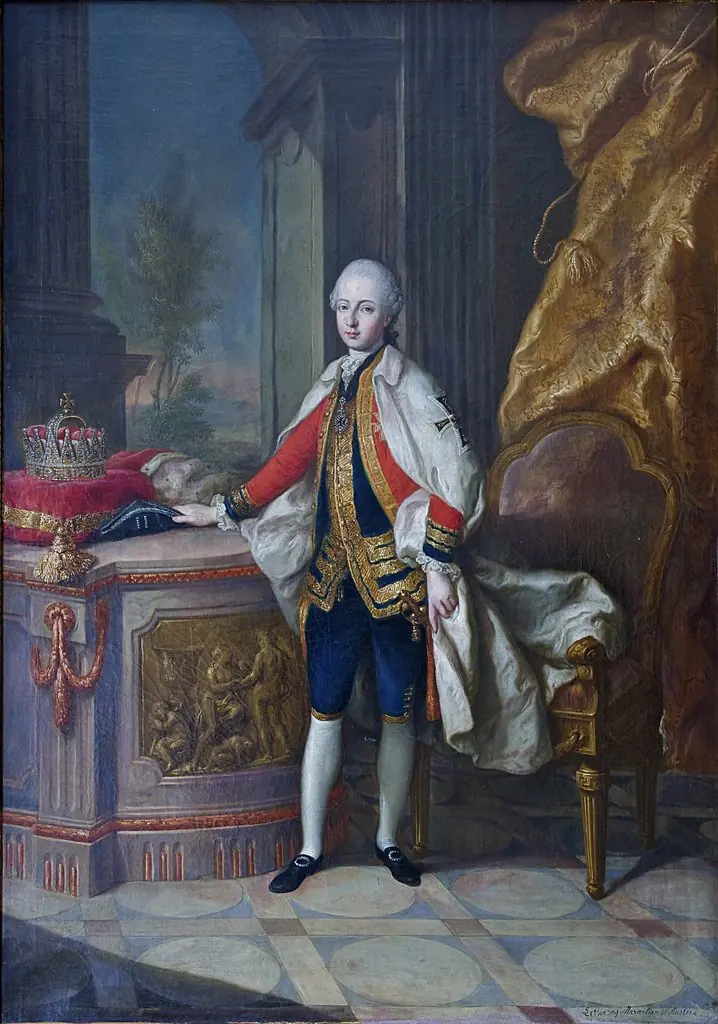 Maximilian, Archduke of Austria (1756-1801)
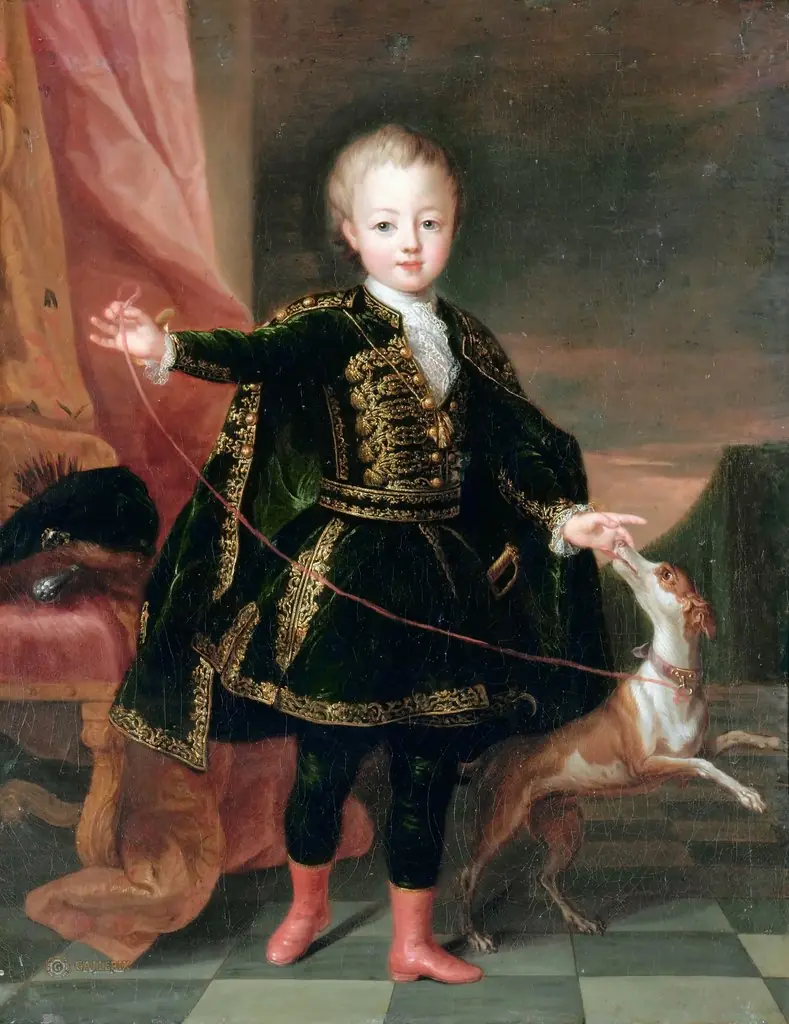 Portrait of Léopold Clément de Lorraine, Hereditary Prince of Lorraine (1707-1723)
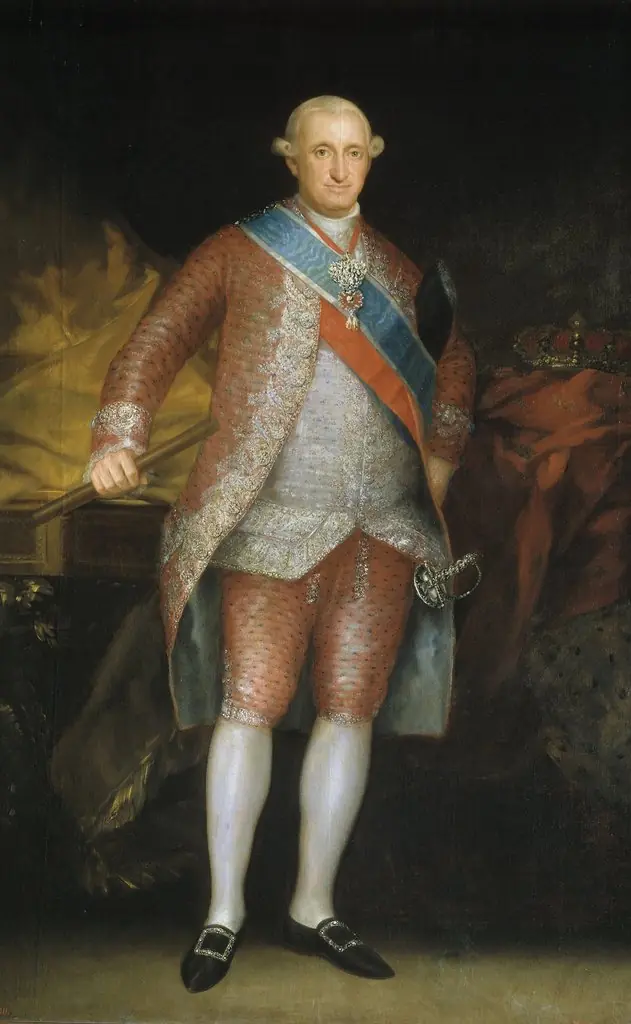 Charles IV in Court Dress
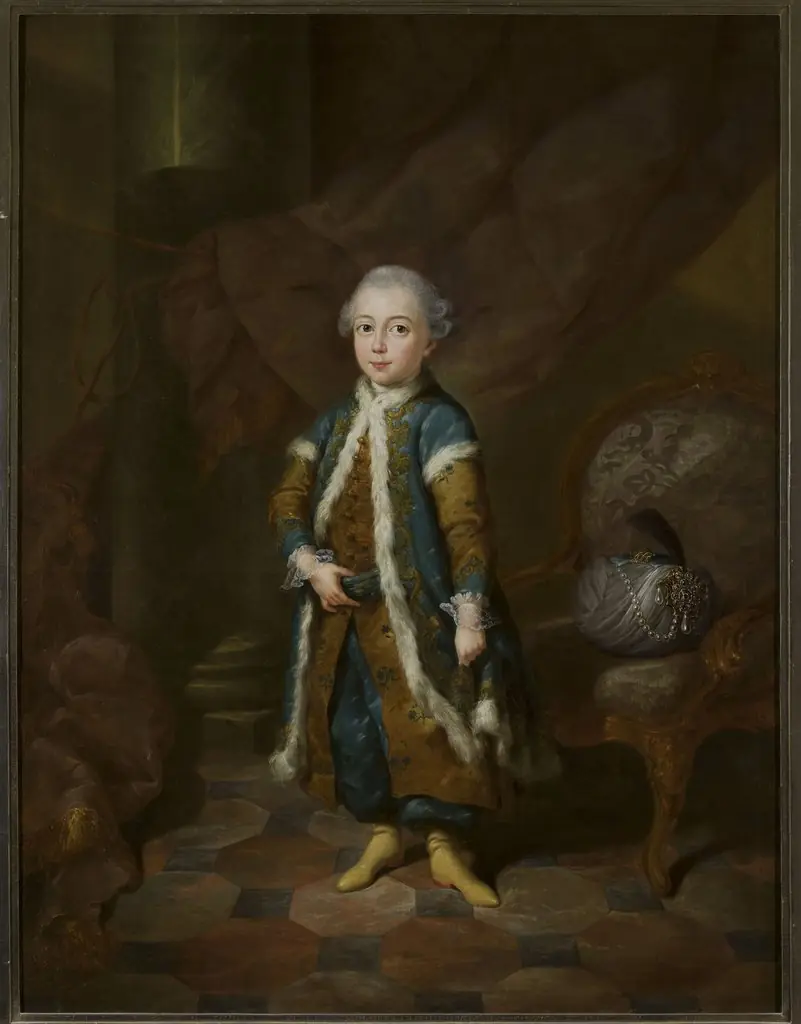 Portrait of Henirich Reuss
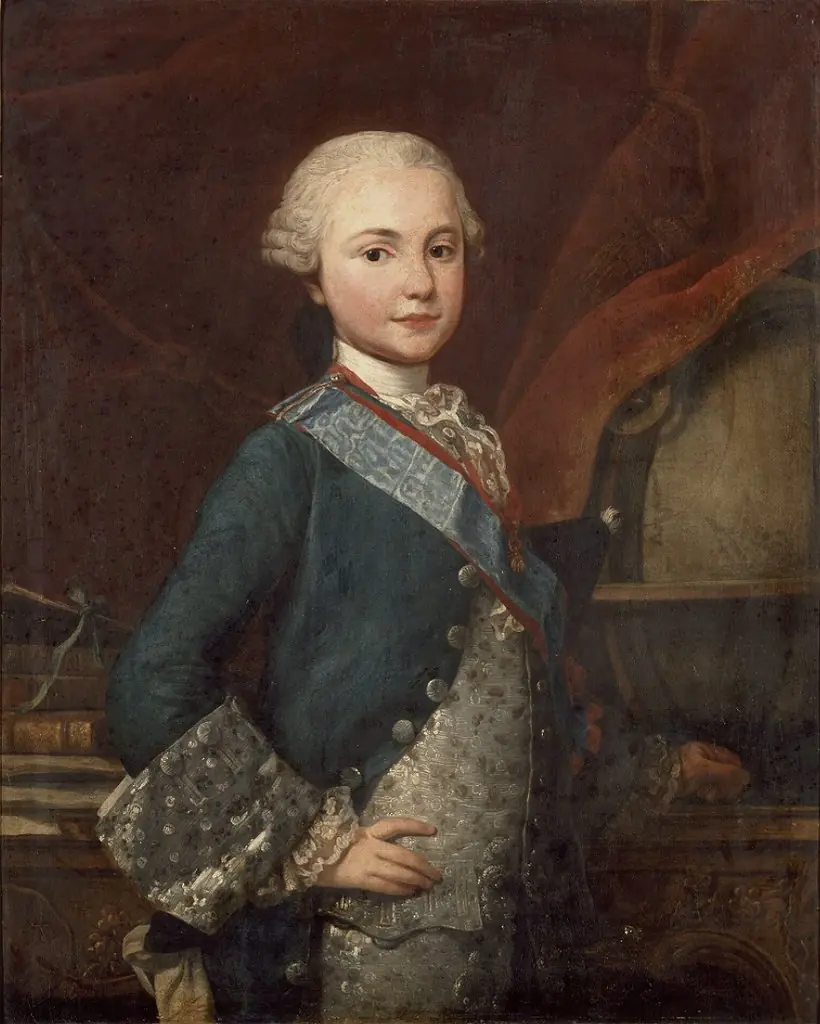 Ferdinando I of Parma
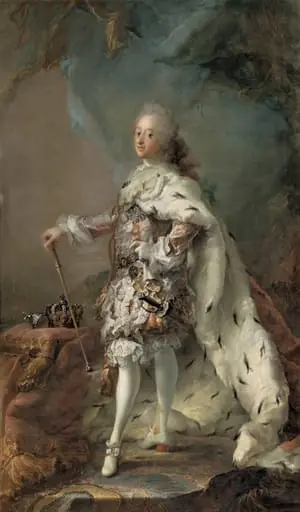 Portrait of Frederik V in Anointment Robe
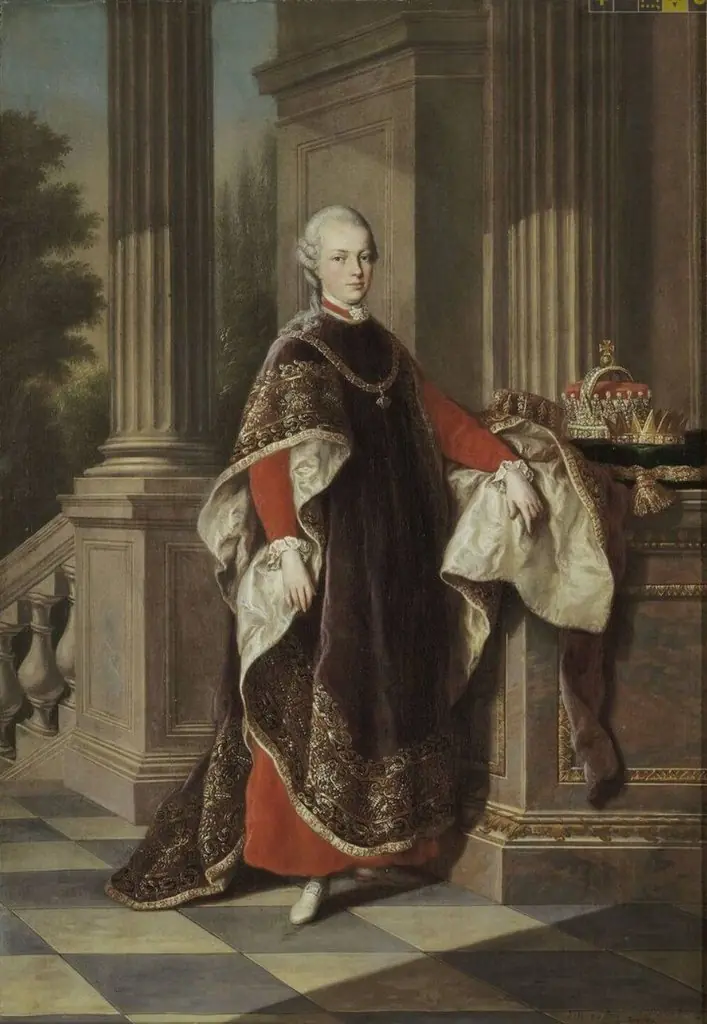 Kaiser Leopold II in Kleidung des Ritterordens vom Goldenen Vlies
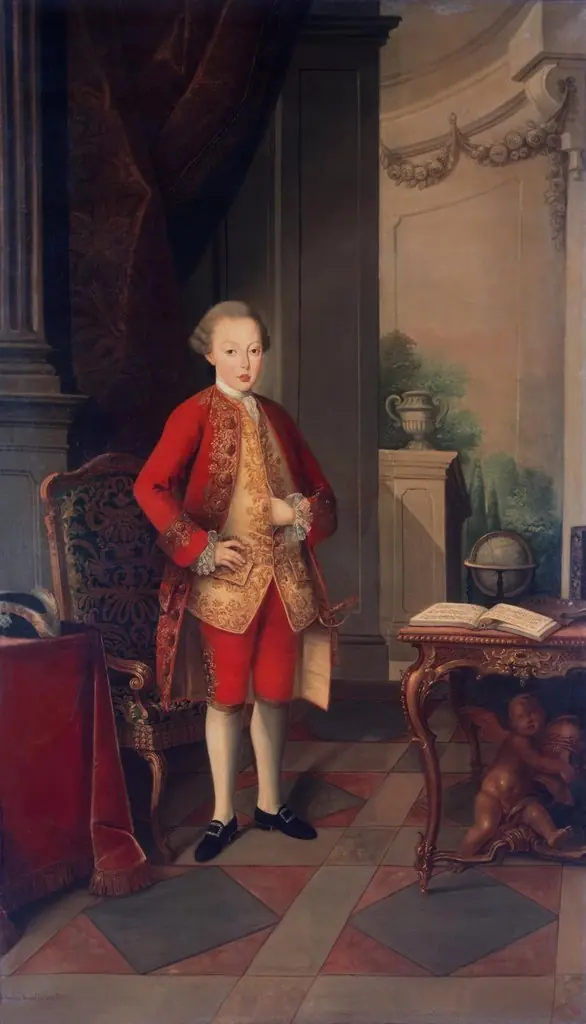 Portrait of Joseph, Prince of Brasil and Beira
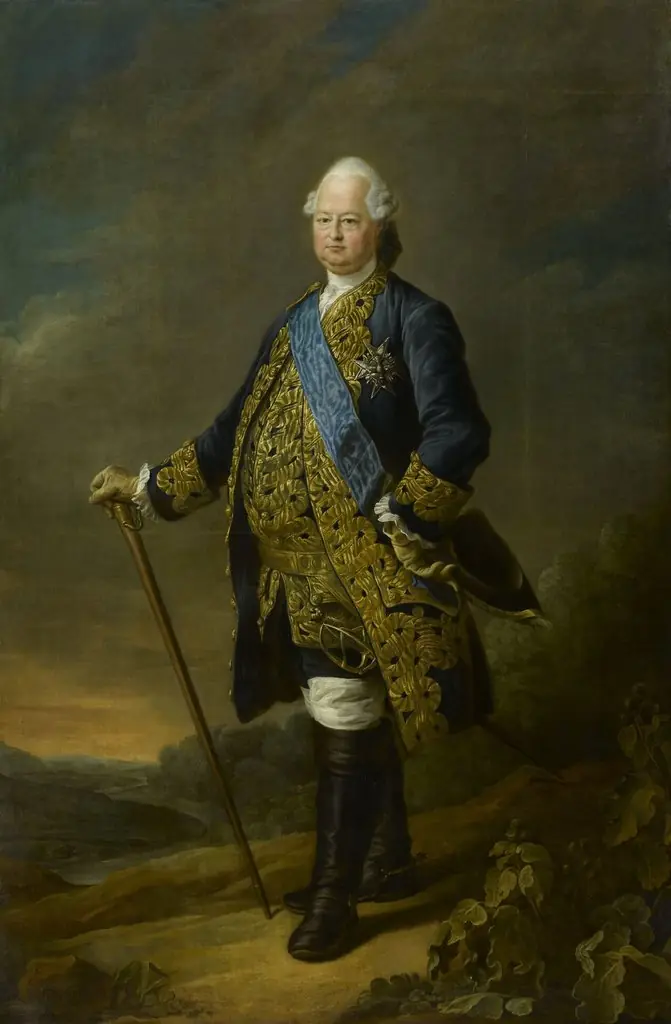 Louis de Bourbon-Condé, Count of Clermont (1709-1771)