Artwork
Ferdinando I of Parma
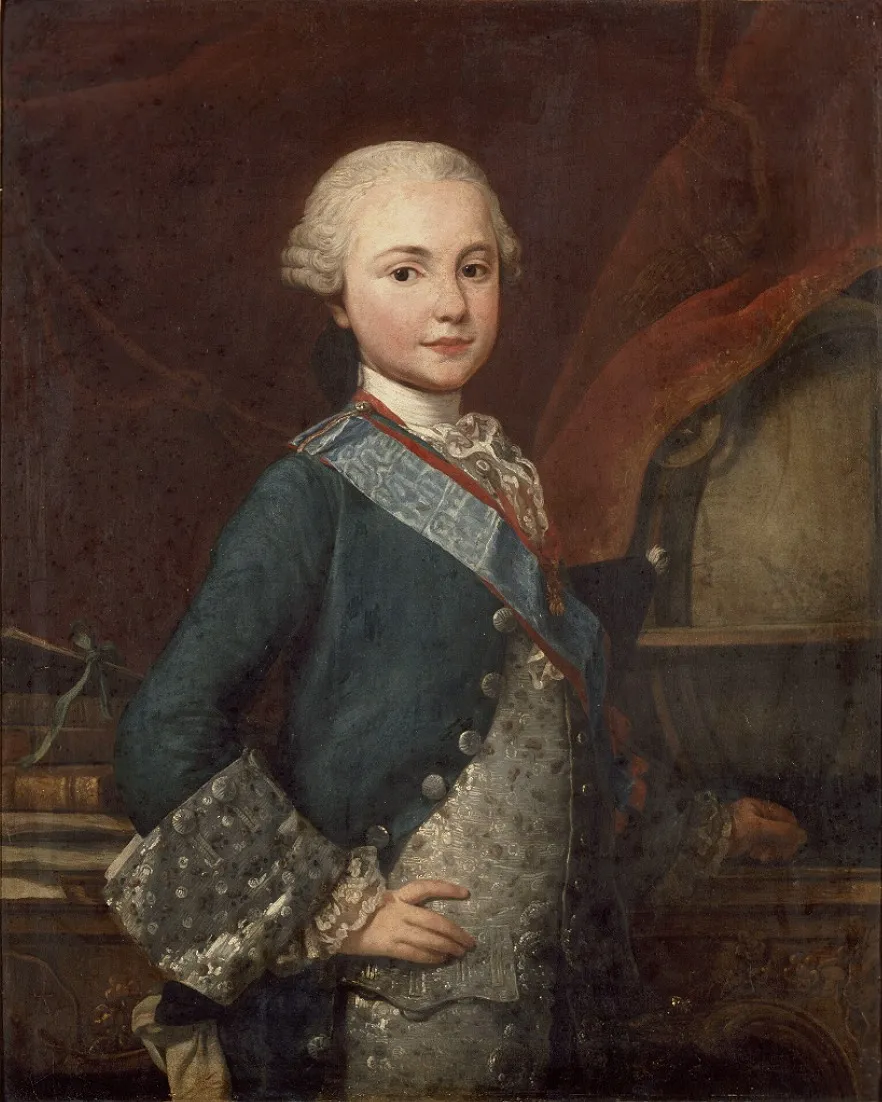
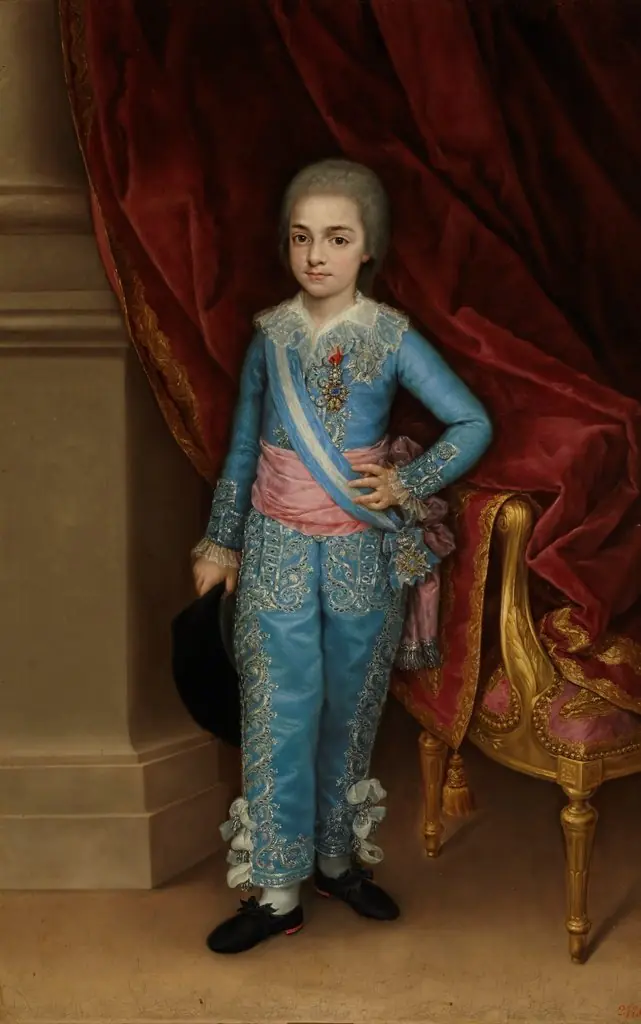
Ferdinando I of Parma is an oil painting by the Biedermeier artist Unknown. It dates from 1800 and is held in the collection of the Museum of the History of France. This oil painting depicts Ferdinando I, Duke of Parma, portrayed in formal attire against a dark background.
About this work
Overview
This oil painting depicts Ferdinando I, Duke of Parma, portrayed in formal attire against a dark background. The composition emphasizes his dignified presence through careful lighting and detailed rendering of fabric. The use of chiaroscuro enhances the three-dimensionality of his figure, drawing attention to his facial features and ornate clothing without distracting elements.
Subject & Meaning
Ferdinando I is shown as a ruler of quiet authority, not in a ceremonial setting but in a private, intellectual space near a bookshelf.
Ferdinando I is shown as a ruler of quiet authority, not in a ceremonial setting but in a private, intellectual space near a bookshelf. His white hair and composed expression suggest age and experience. The inclusion of books implies erudition, aligning his identity with governance informed by learning rather than mere power. The restrained setting underscores a preference for understated sovereignty.
Technique & Style
The artist employs chiaroscuro to model the duke’s form, using sharp contrasts between light and shadow to define the contours of his coat, lace cuffs, and face. The intricate embroidery on the blue garment is rendered with fine brushwork, while the dark background recedes, isolating the figure. The technique reflects a classical approach to portraiture, prioritizing volume and presence over decorative excess.
History & Provenance
The painting was likely commissioned during Ferdinando I’s reign in the late 18th century, possibly by the Parma court or a close associate. It remained within the Duchy’s collections until the early 19th century, after which it entered private hands. Its survival through political upheavals in Italy suggests it was valued as a symbol of dynastic continuity rather than mere likeness.
Context
Created during the Enlightenment, the portrait reflects a shift in aristocratic representation: rulers were increasingly depicted as thoughtful, cultured individuals rather than symbols of divine right. The bookshelf, though minimal, signals intellectual engagement, aligning Ferdinando with broader European trends that valued reason and refinement in leadership.
Legacy
The painting endures as a representative example of late 18th-century Italian portraiture, notable for its restrained elegance and technical precision. It contributes to the visual record of the House of Bourbon-Parma, offering insight into how rulers wished to be perceived during a period of political transformation. Its preservation allows continued study of courtly aesthetics in a changing Europe.
Artist & collection

 Domestic Scene
 Giacomo and Cardinal Marco, investing Andrea, Abbot of San Zeno, with his Benefice
 The Nymph of Fontainebleau
 Portrait of a Woman
 Madonna and Child with Saints in the Enclosed Garden
 Venus and Minerva
 Family Group of Four on Sofa
 Wall painting from Room H of the Villa of P. Fannius Synistor at Boscoreale
 The Dauphin Louis de Bourbon
 The Infant Philip of Bourbon, future Duke of Parma, Piacenza and Guastalla, in his childhood
 Retrato de Luís XVI
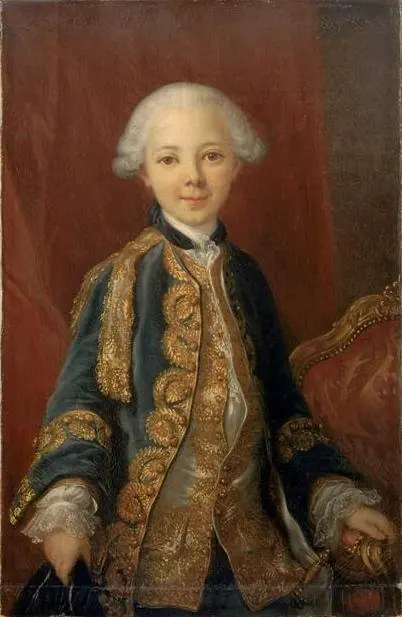 Portrait of Jean Marie de Bourbon, Duke of Châteauvillain third son of the Duke of Penthièvre (1748-1755)
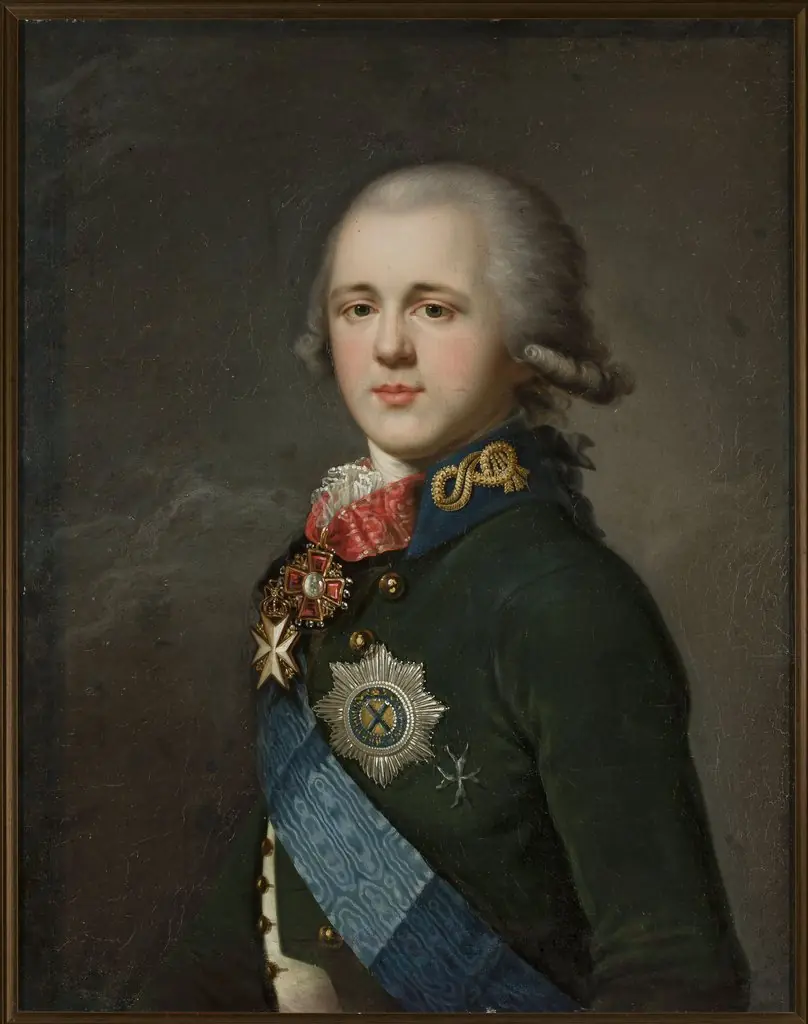 Portrait of Tsar Alexander I
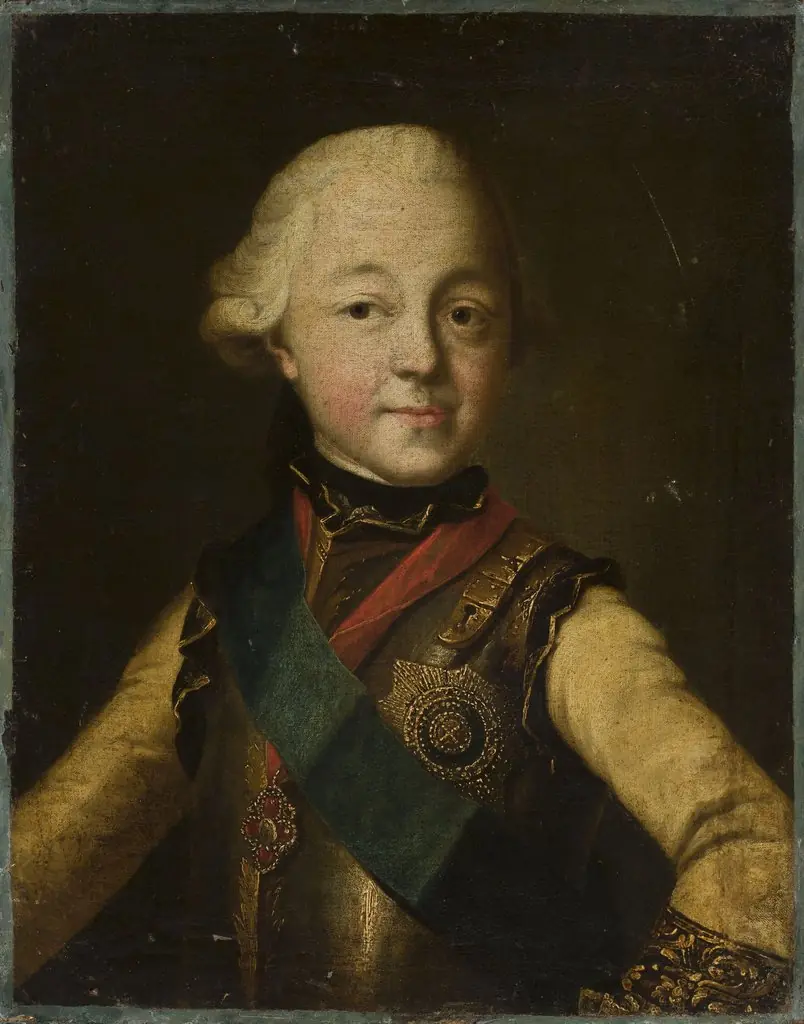 Portrait of a boy from the Romanov family (?), in armour, with the Order of Saint Anne and the star of the Order of St. Andrew the Apostle the First-Called
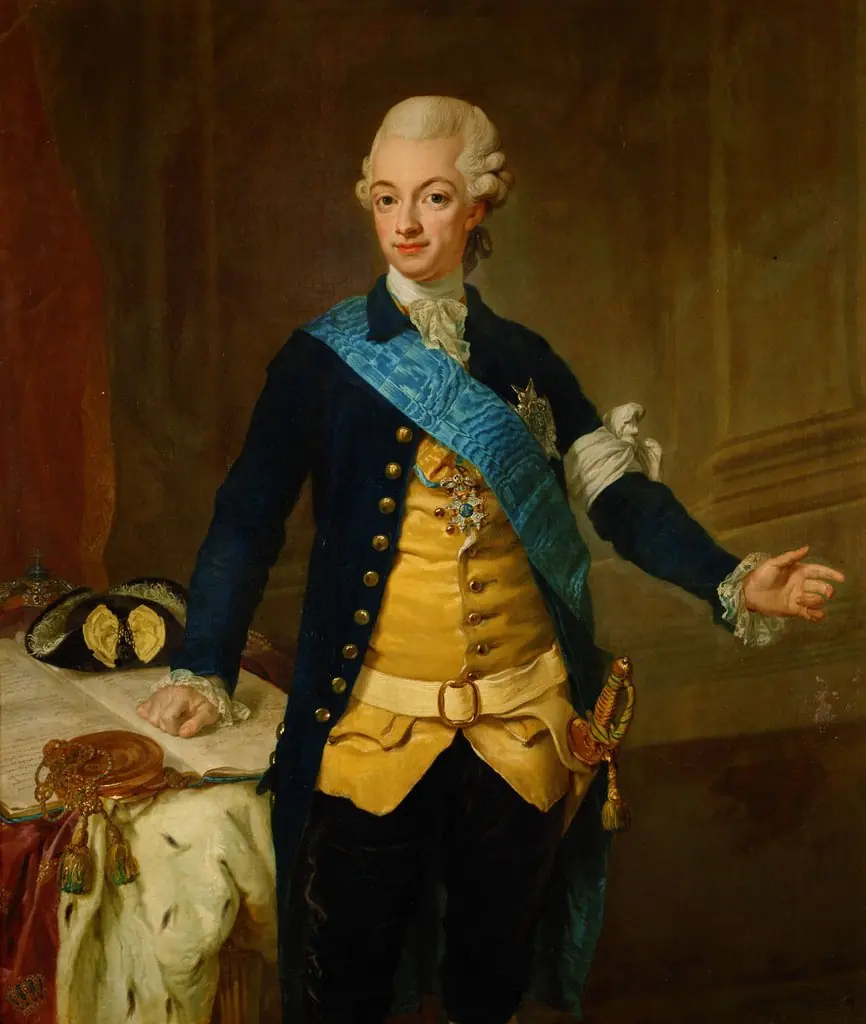 König Gustav III. (1746-1792) von Schweden in Uniform, Kniestück
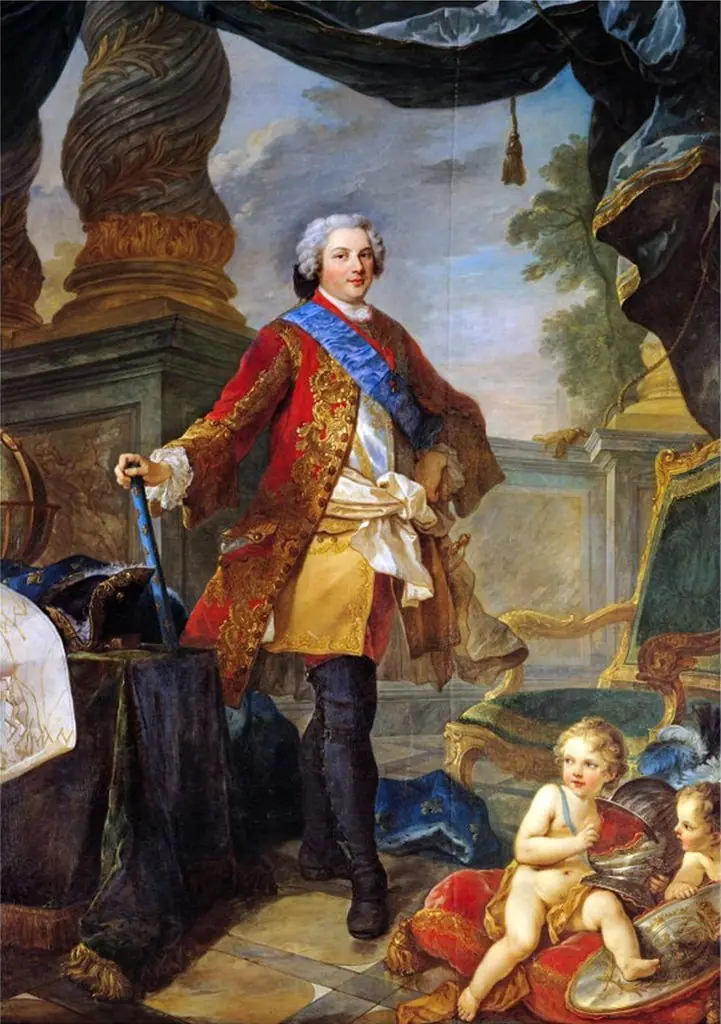 Portrait of Louis Dauphin of France with a Plan of the Siege of Tournai
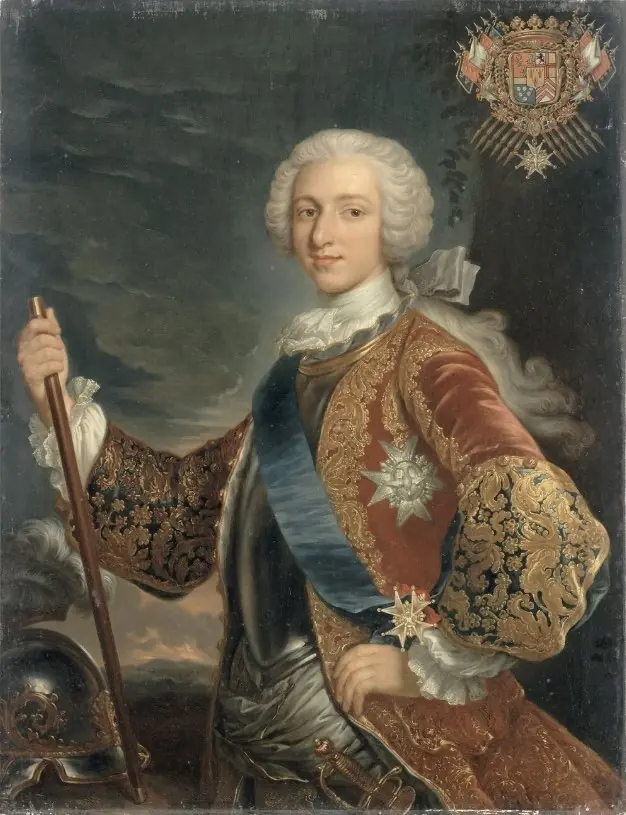 Anne-Louis de Thiard, marquis de Bissy (1715-1748), maître de camp général de la cavalerie en 1748
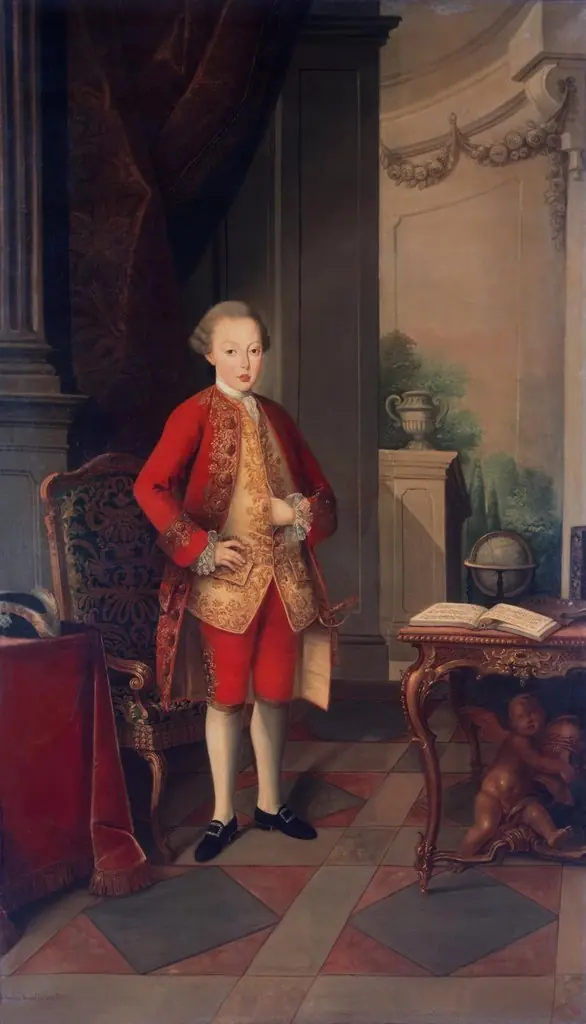 Portrait of Joseph, Prince of Brasil and Beira
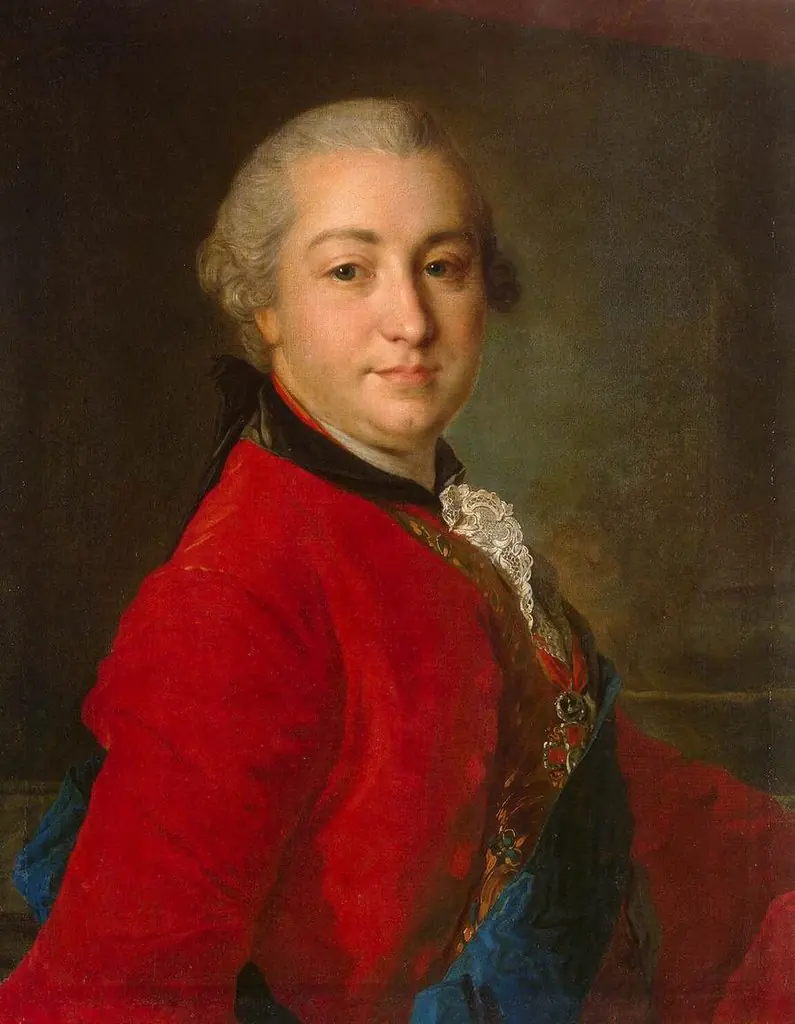 Portrait of Count Ivan Ivanovich Shuvalov
 Ferdinand VII as a Boy