Artwork
Kristus på korset
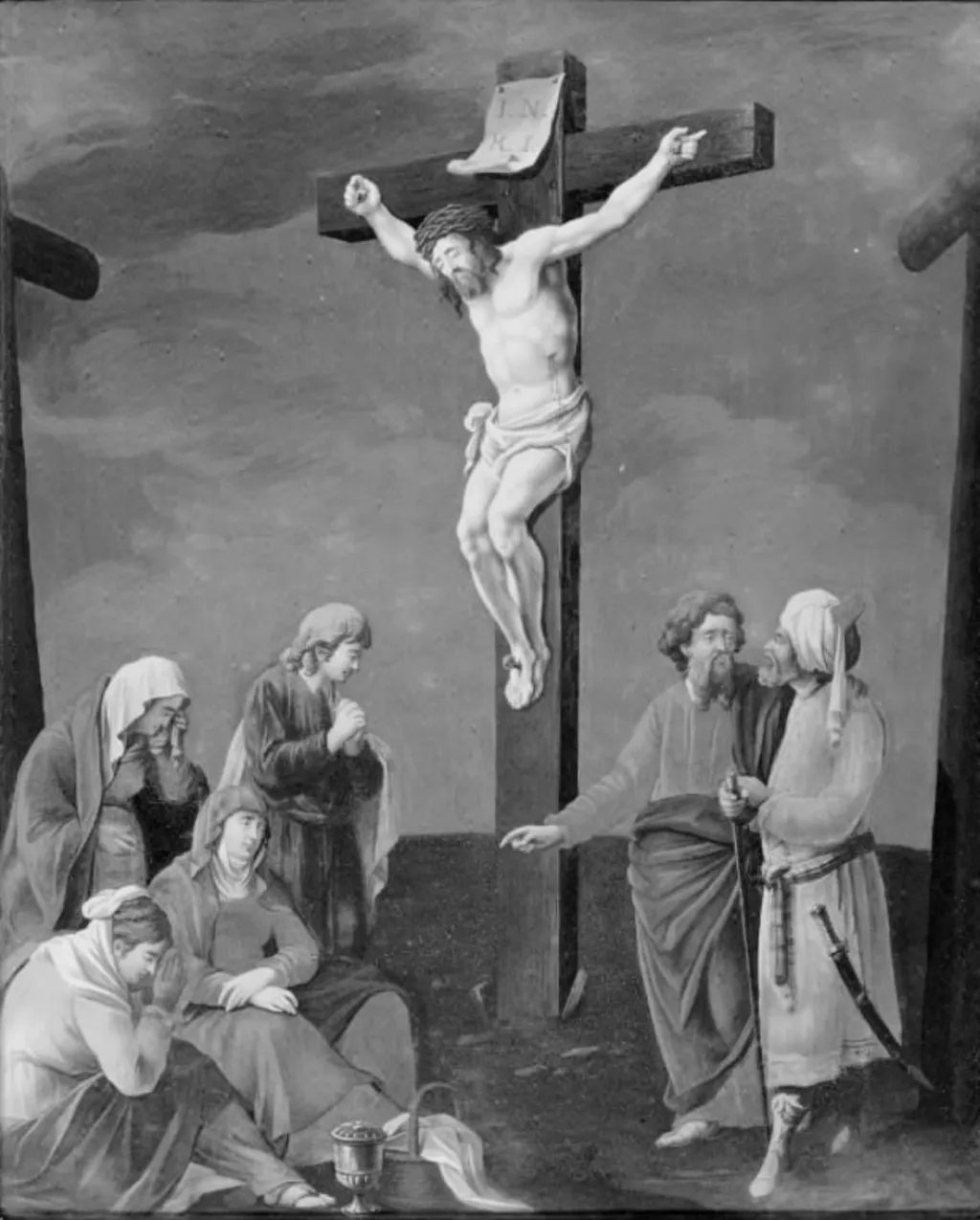
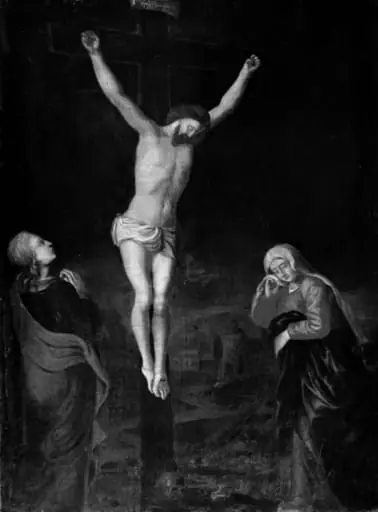
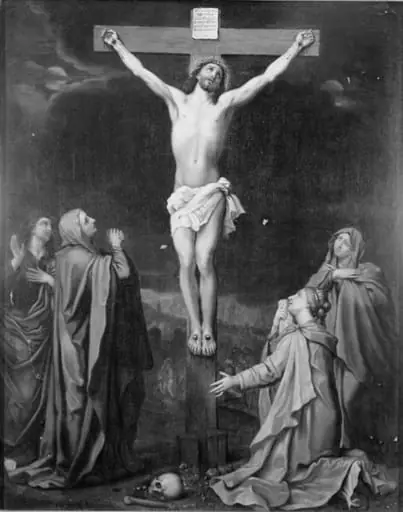
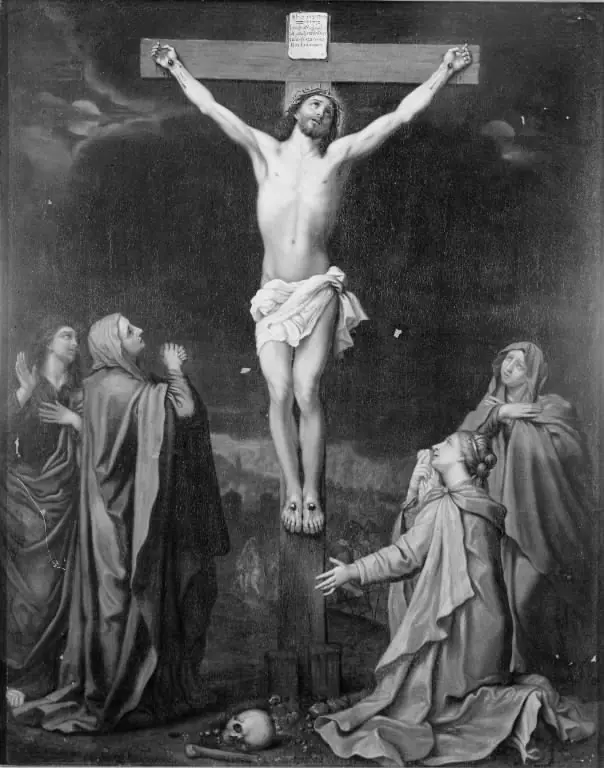
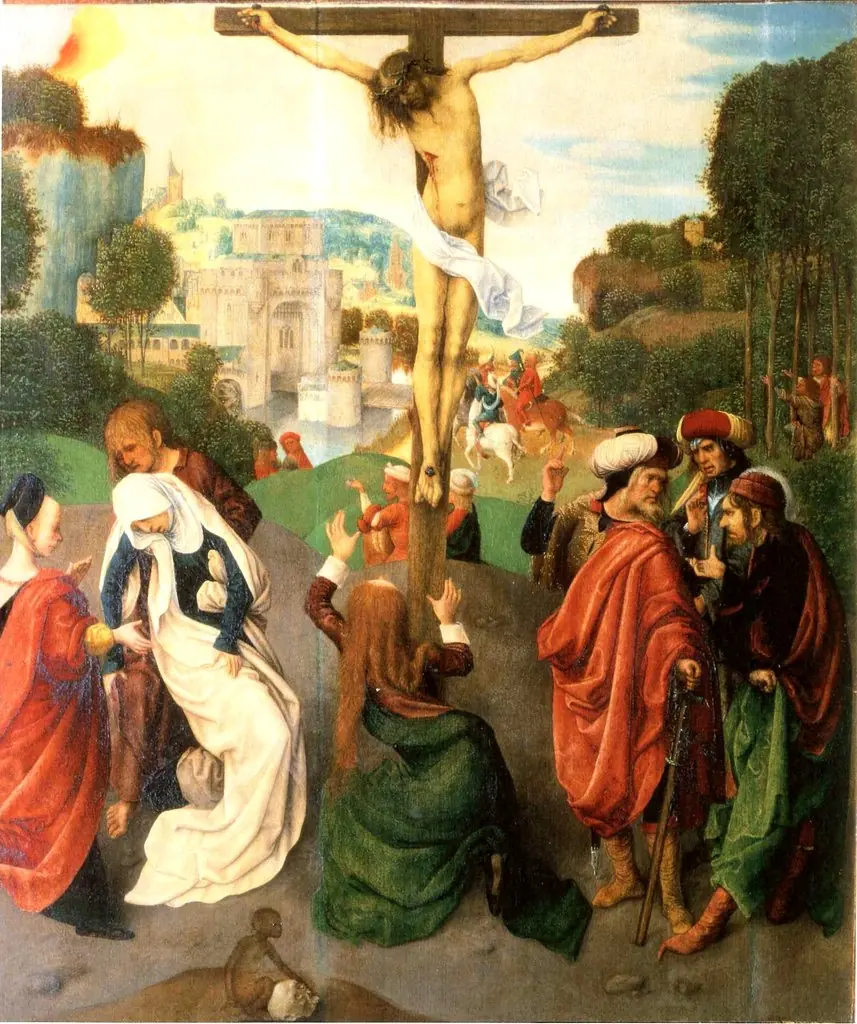
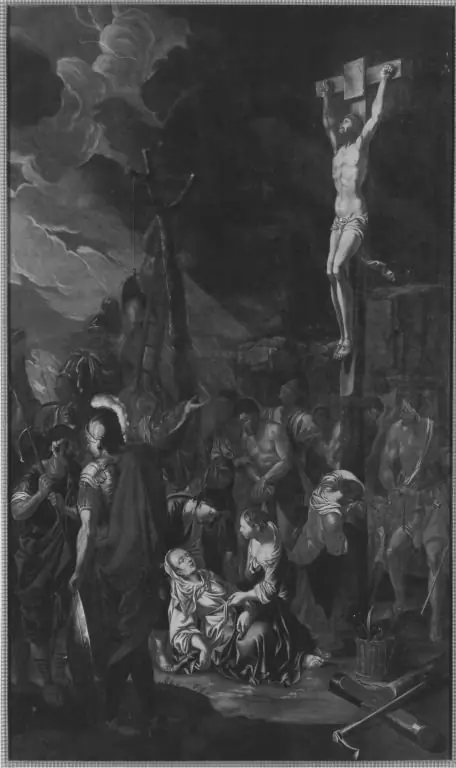
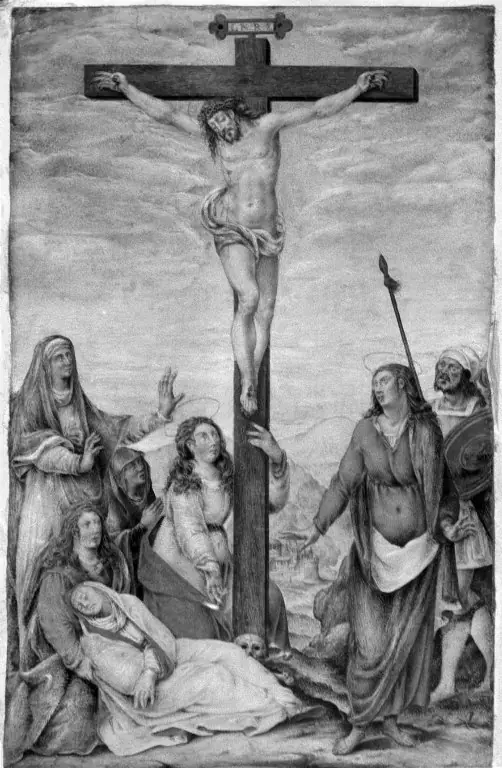
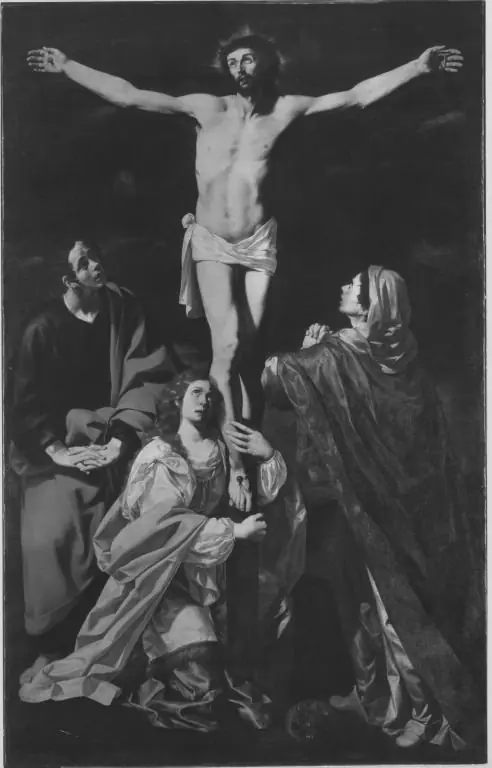
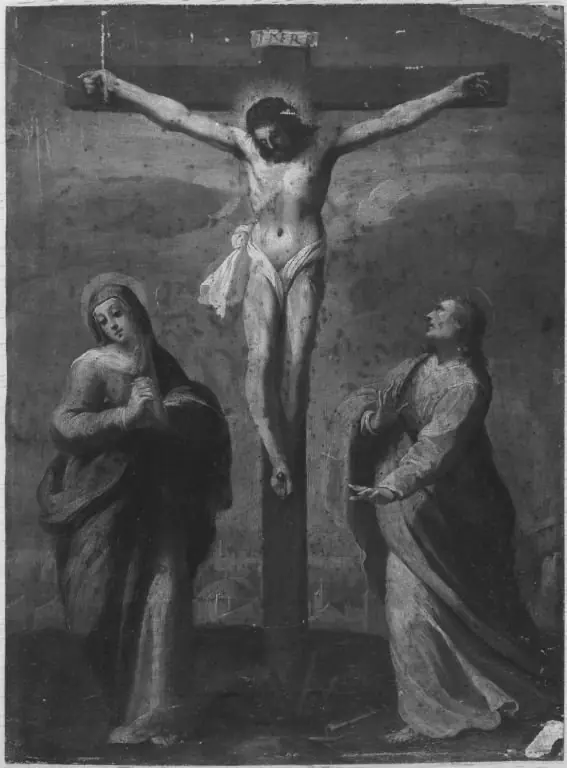
Kristus på korset is an unspecified work on paper by Unknown. It dates from 1750 and is held in the collection of the Statens Museum for Kunst. Created around 1750, this watercolor depicts Christ on the cross, rendered with restrained detail and emotional gravity.
About this work
Overview
Its composition isolates the crucifixion scene against a neutral background, directing focus to the central figure and the varied responses of those present.
Created around 1750, this watercolor depicts Christ on the cross, rendered with restrained detail and emotional gravity. The work is held in the collection of the Museum of Ethnography. Its composition isolates the crucifixion scene against a neutral background, directing focus to the central figure and the varied responses of those present. The medium’s transparency allows subtle tonal shifts, enhancing the quiet solemnity of the moment.
Subject & Meaning
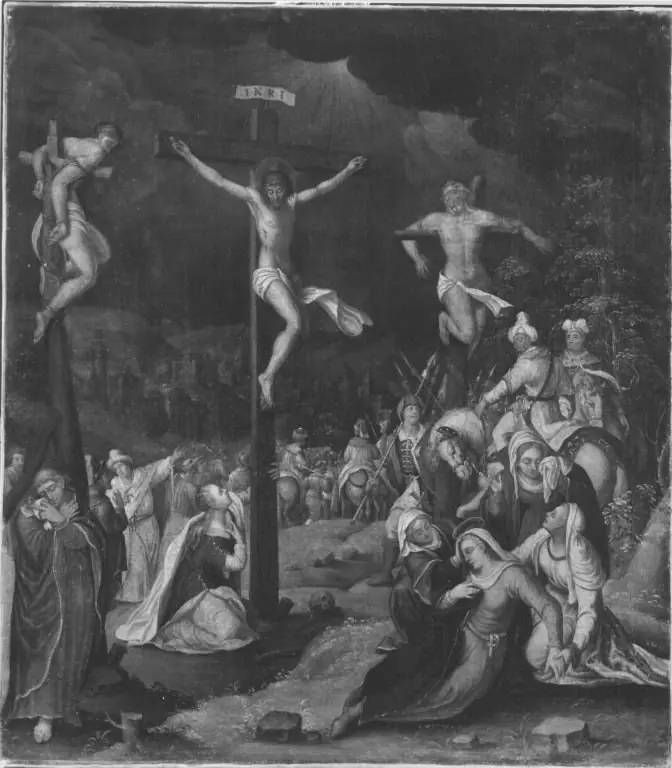
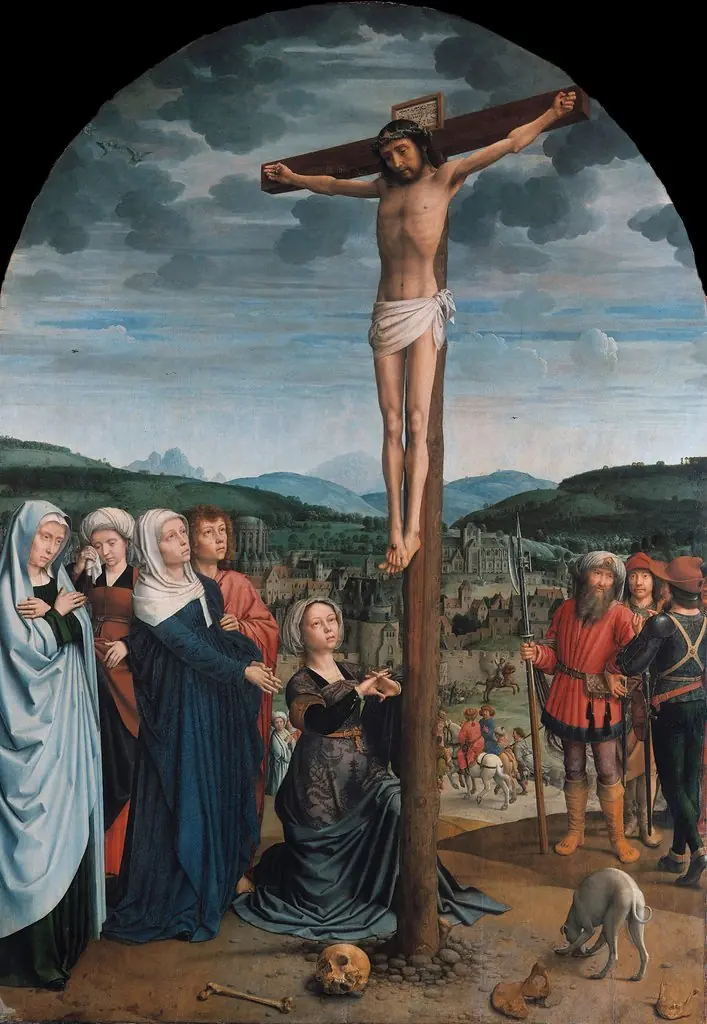
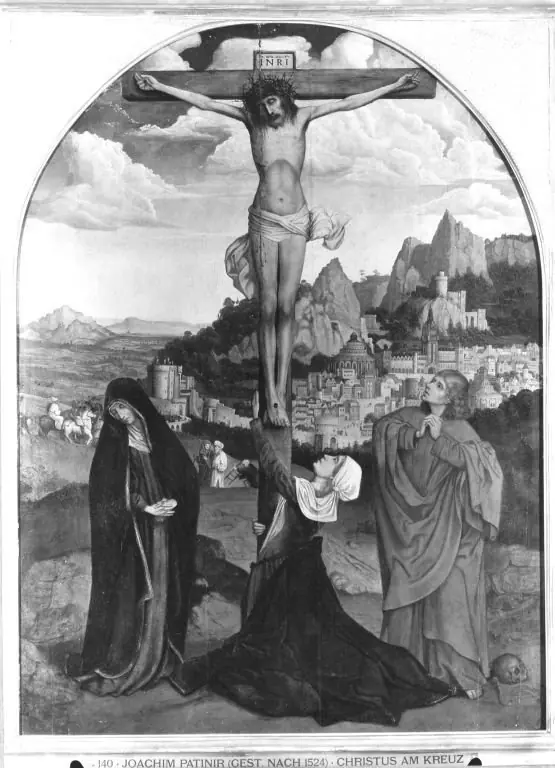
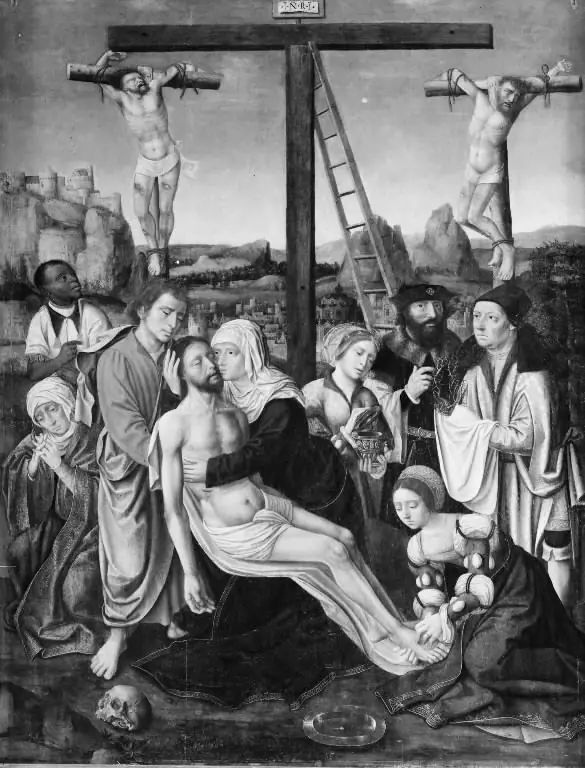
The painting portrays the moment of Christ’s crucifixion, emphasizing human reaction over divine spectacle. Six figures surround the cross: some kneel in reverence, one weeps openly, two raise their hands in astonishment, and a woman holds a small vessel at her feet. The inscription above Christ’s head is legible only in fragments, suggesting a deliberate ambiguity. The scene invites contemplation of suffering and human response rather than doctrinal assertion.
Technique & Style
Executed in watercolor, the work employs thin, layered washes to model form and suggest texture without heavy pigment. Figures are rendered with minimal detail, their gestures conveying emotion through posture rather than facial expression. The plain background eliminates spatial distraction, reinforcing the scene’s intimacy. The technique reflects a quiet, devotional approach, prioritizing emotional resonance over ornamental detail.
History & Provenance
The painting entered the Museum of Ethnography’s collection in the late 19th or early 20th century, likely acquired as part of a broader collection of religious imagery from Europe or its colonial peripheries. Its origin and artist remain undocumented, though its style suggests a regional workshop tradition rather than a major artistic center. Its preservation indicates it was valued as a devotional object, not merely a decorative piece.
Context
Created during a period when religious imagery remained widespread in domestic and communal settings, this work reflects a personal, rather than institutional, piety. Its simplicity contrasts with the elaborate altarpieces of Baroque churches, pointing instead to private devotion or small-scale worship. The inclusion of everyday gestures—like the woman holding a pot—hints at a blending of sacred narrative with ordinary life.
Legacy
Though unsigned and unattributed, the painting endures as an example of modest, emotionally grounded religious art from the 18th century. It offers insight into how biblical scenes were interpreted beyond official ecclesiastical channels. Its presence in an ethnographic museum underscores its role as a cultural artifact, reflecting the lived religious practices of its time rather than the ambitions of fine art traditions.
Artist & collection

 Domestic Scene
 Giacomo and Cardinal Marco, investing Andrea, Abbot of San Zeno, with his Benefice
 The Nymph of Fontainebleau
 Portrait of a Woman
 Madonna and Child with Saints in the Enclosed Garden
 Venus and Minerva
 Family Group of Four on Sofa
 Wall painting from Room H of the Villa of P. Fannius Synistor at Boscoreale