Artwork
Christus am Kreuz (?)
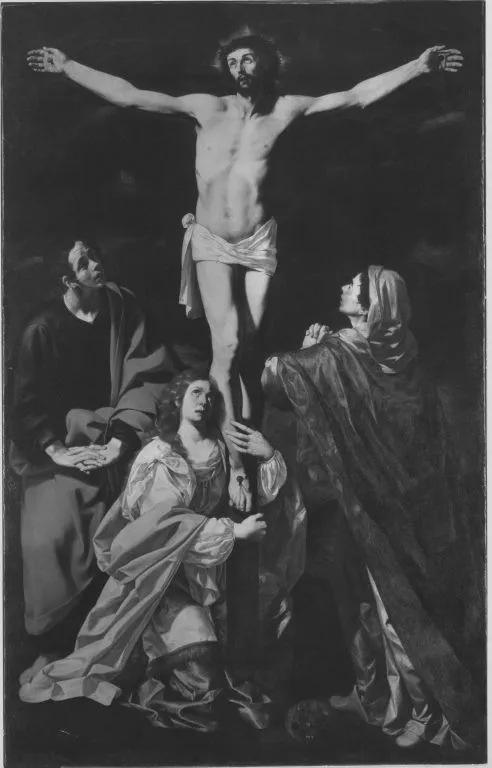
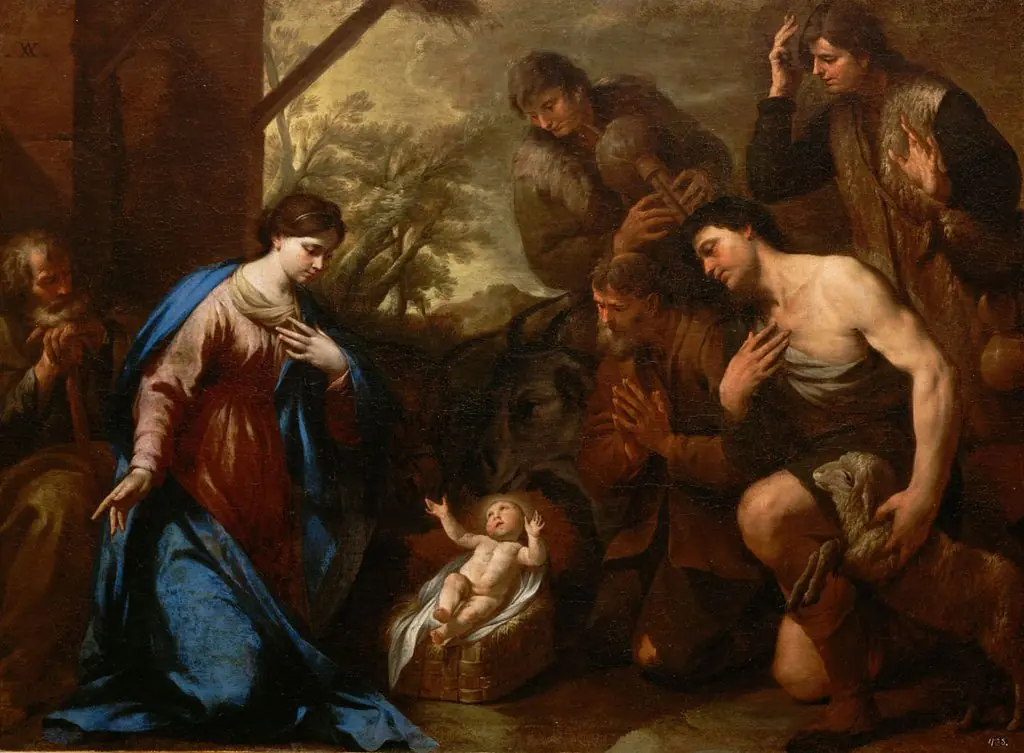
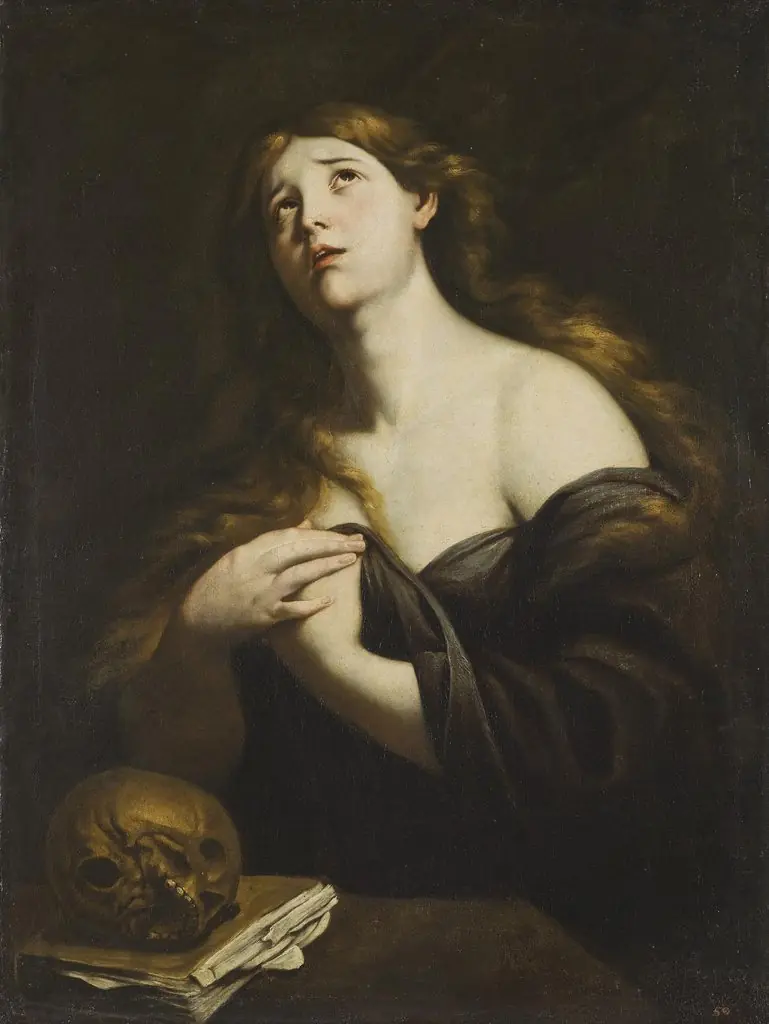
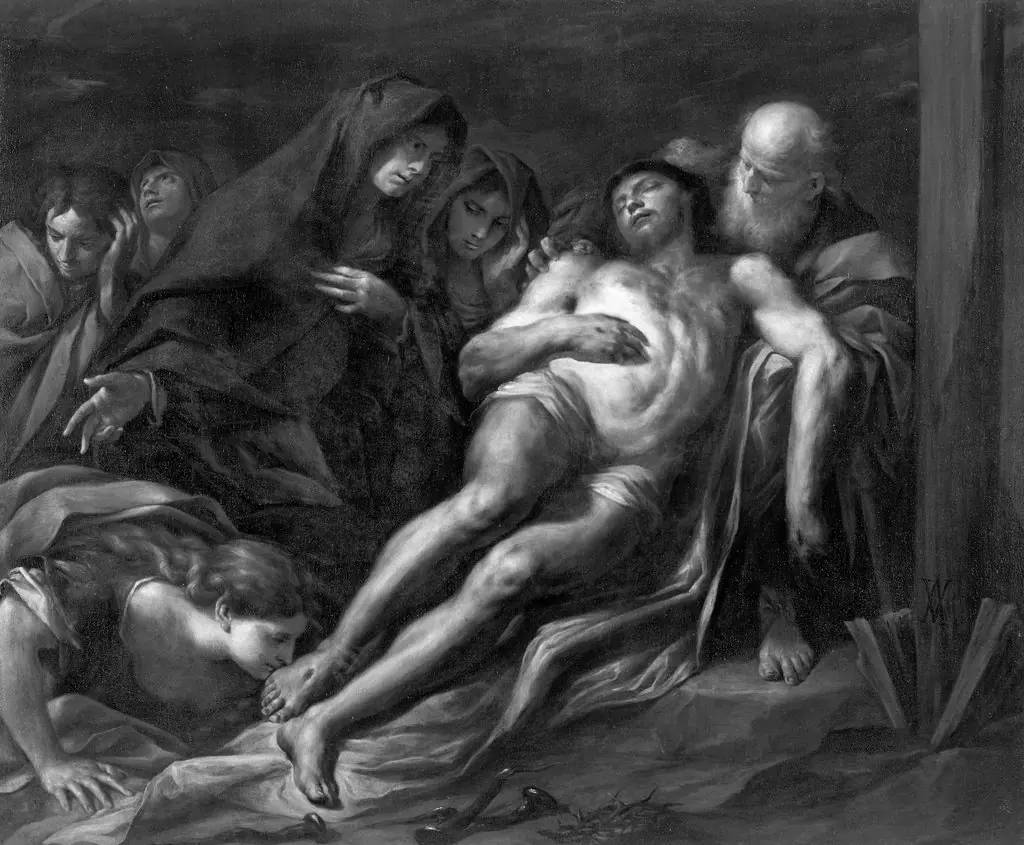
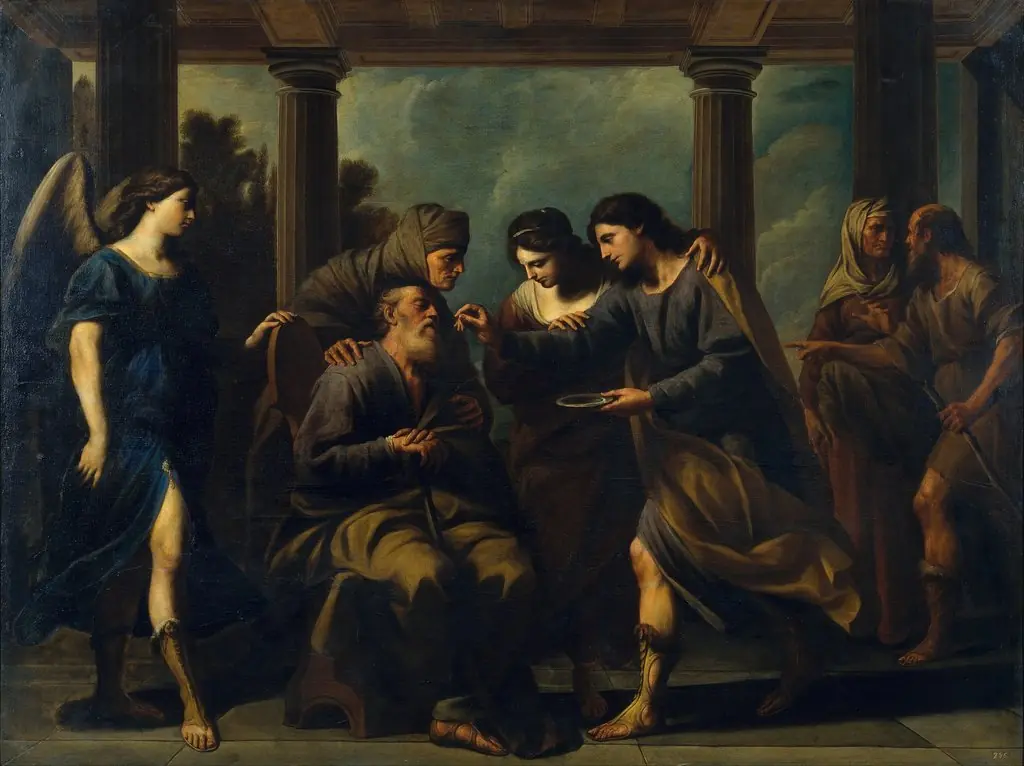
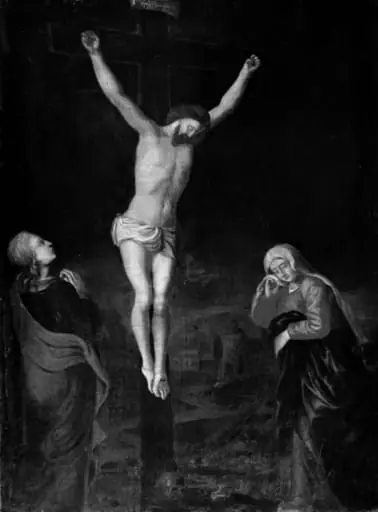
Christus am Kreuz (?) is an unspecified painting by the Early Baroque Italian artist Andrea Vaccaro. It dates from 1637 and is held in the collection of the Alte Pinakothek.
About this work
Overview
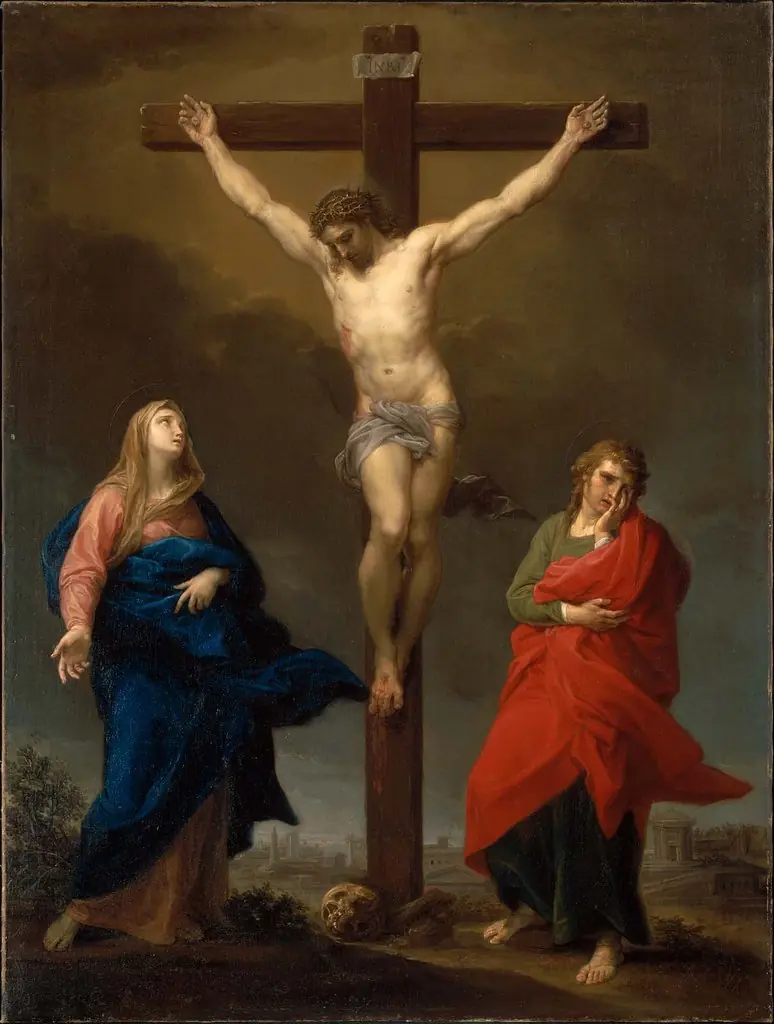
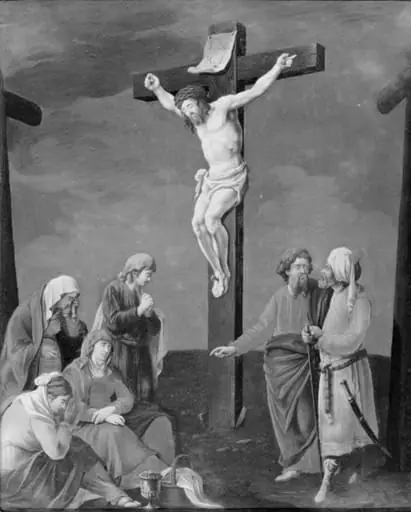
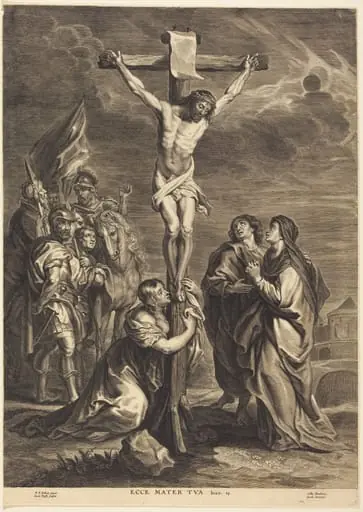
Andrea Vaccaro’s *Christus am Kreuz*, executed in 1637, is an early Baroque oil painting that presents the crucifixion of Christ. The work is part of the collection of the Alte Pinakothek in Munich and exemplifies the religious commissions typical of mid‑17th‑century Naples, then under Spanish governance.
Subject & Meaning
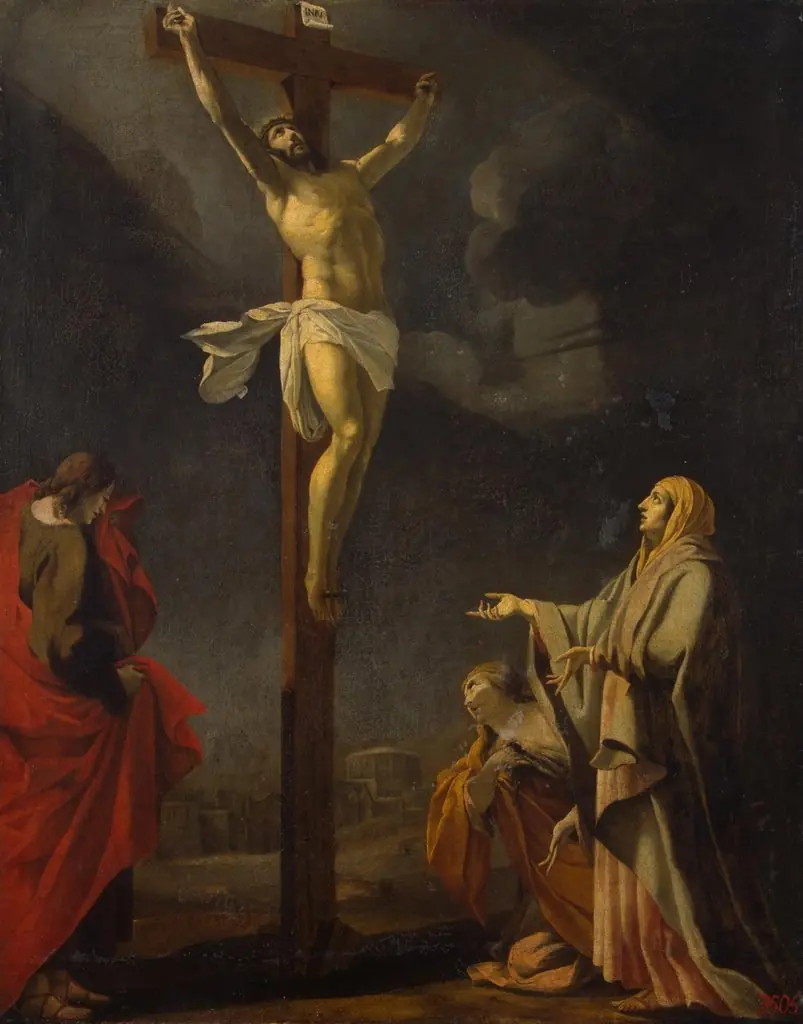
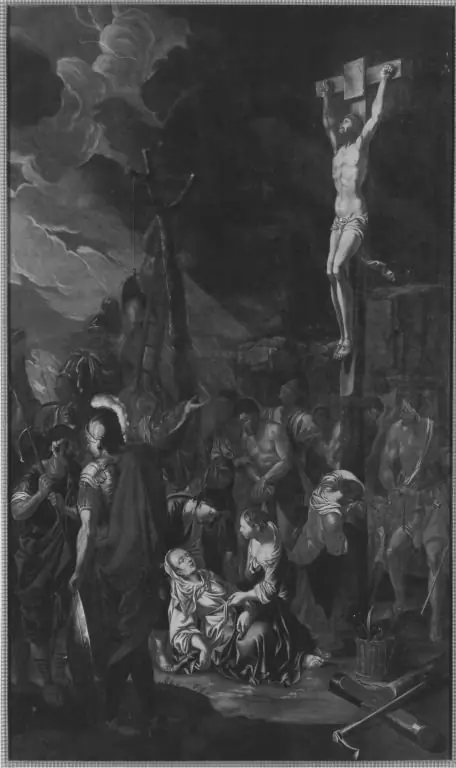
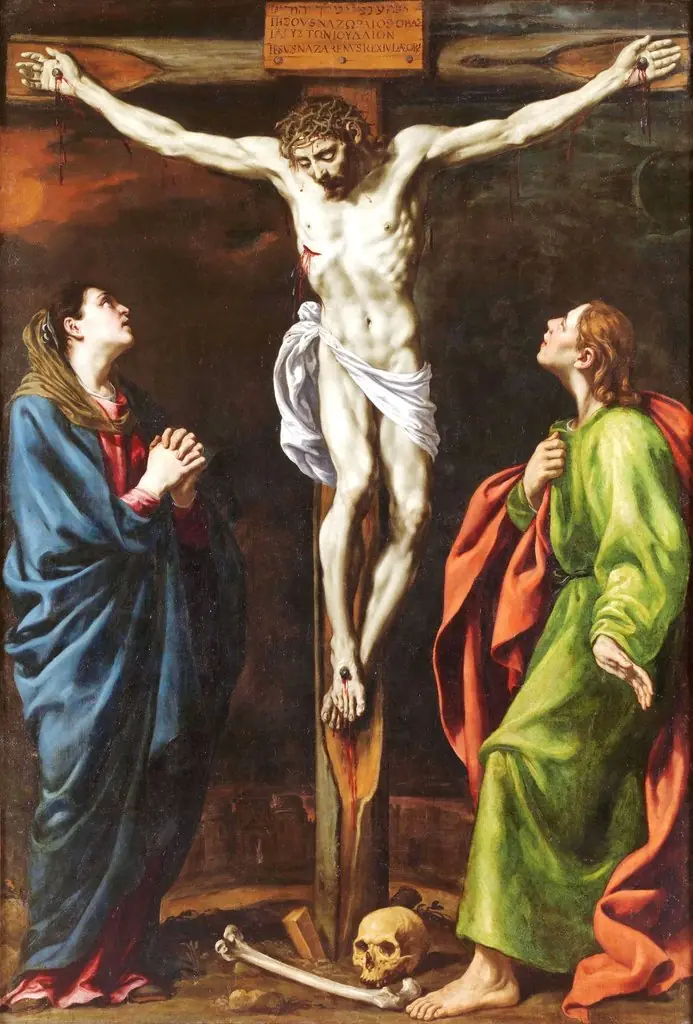
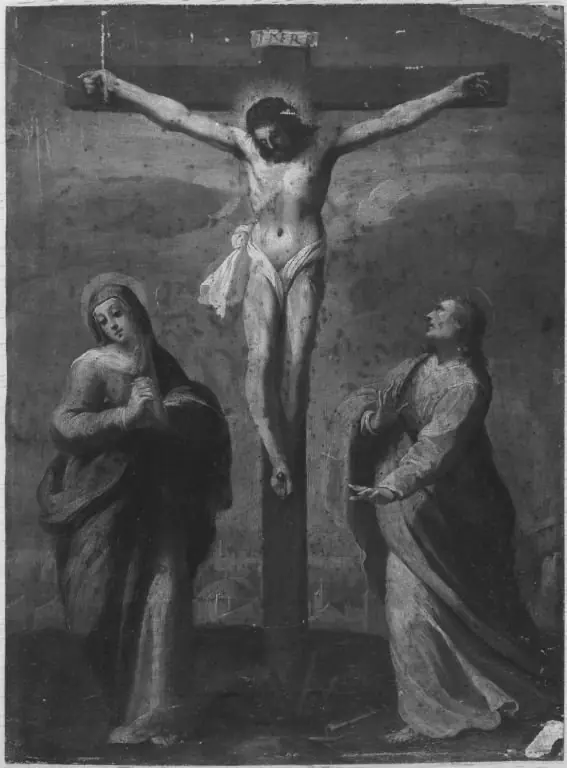
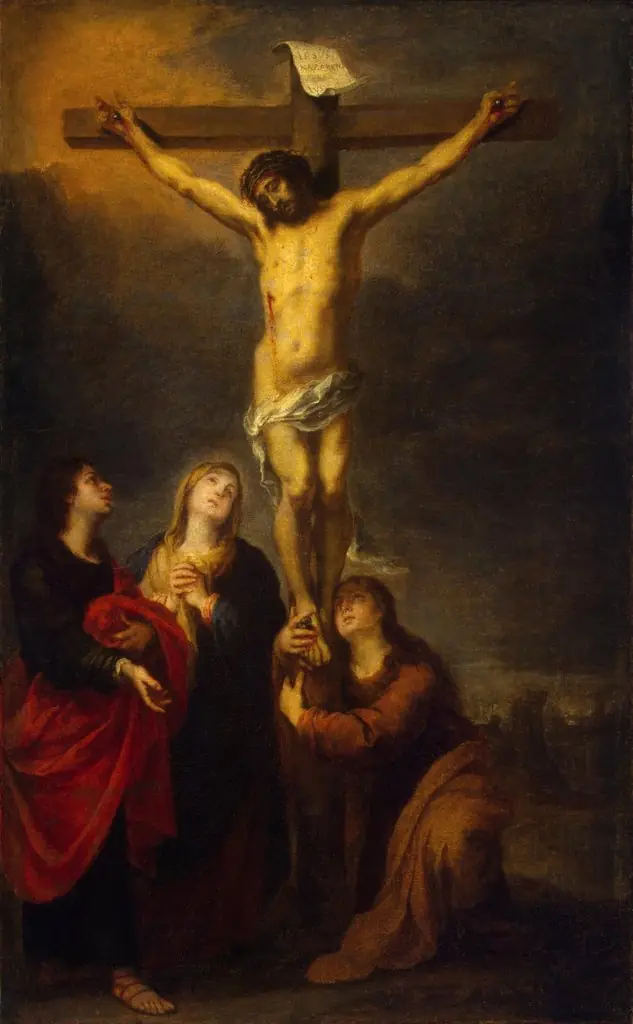
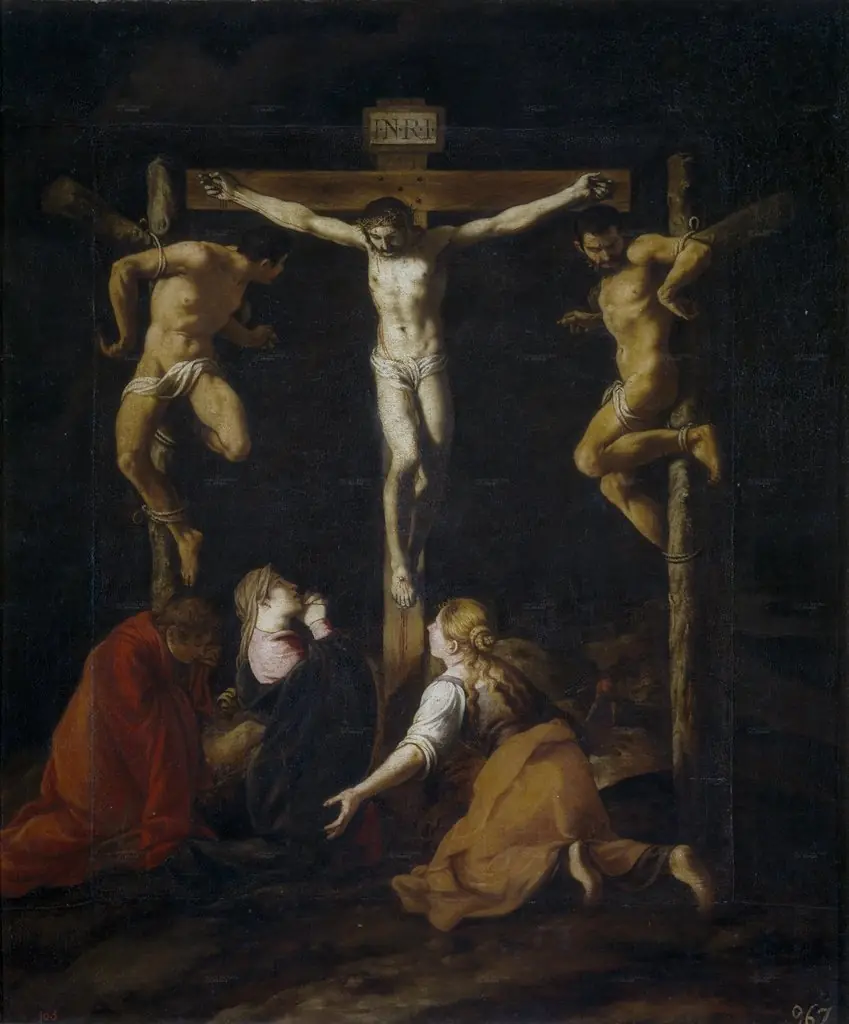
The central figure is Christ nailed to a cross, his arms outstretched and a cloth bound around his waist. He gazes forward with a serene expression, contrasting with the sorrowful reactions of three surrounding figures—a kneeling donor holding a small object, a standing man with a mournful face, and a grieving woman clutching her chest and bowing her head.
Technique & Style
Vaccaro employs a pronounced chiaroscuro, casting the crucified figure in stark light against a deep, dark background. This dramatic illumination highlights the anatomical realism of the body while the peripheral characters are rendered in softer, diffused light, reflecting the influence of Caravaggio’s naturalistic approach.
History & Provenance
Created during Vaccaro’s mature period, the painting was likely produced for a local or Spanish patron in Naples, where the artist was a leading figure in religious art. It entered the Alte Pinakothek’s holdings in the 19th century, where it remains on display.
Context
The work belongs to the early Baroque movement in Italy, a time when dramatic lighting and emotional intensity were employed to engage viewers in devotional contemplation. Naples, under Spanish rule, fostered a vibrant market for such ecclesiastical images, and Vaccaro’s output catered to both local churches and foreign patrons.
Artist & collection
Artist
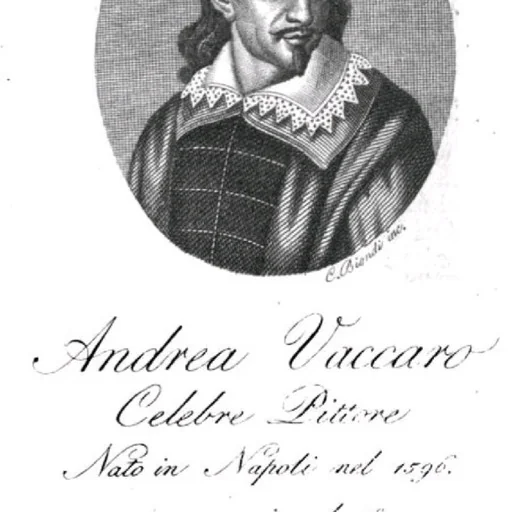
Andrea Vaccaro (baptised on 8 May 1604 – 18 January 1670) was an Italian painter of the Baroque period.