Artwork
The Sunken Road in Winter
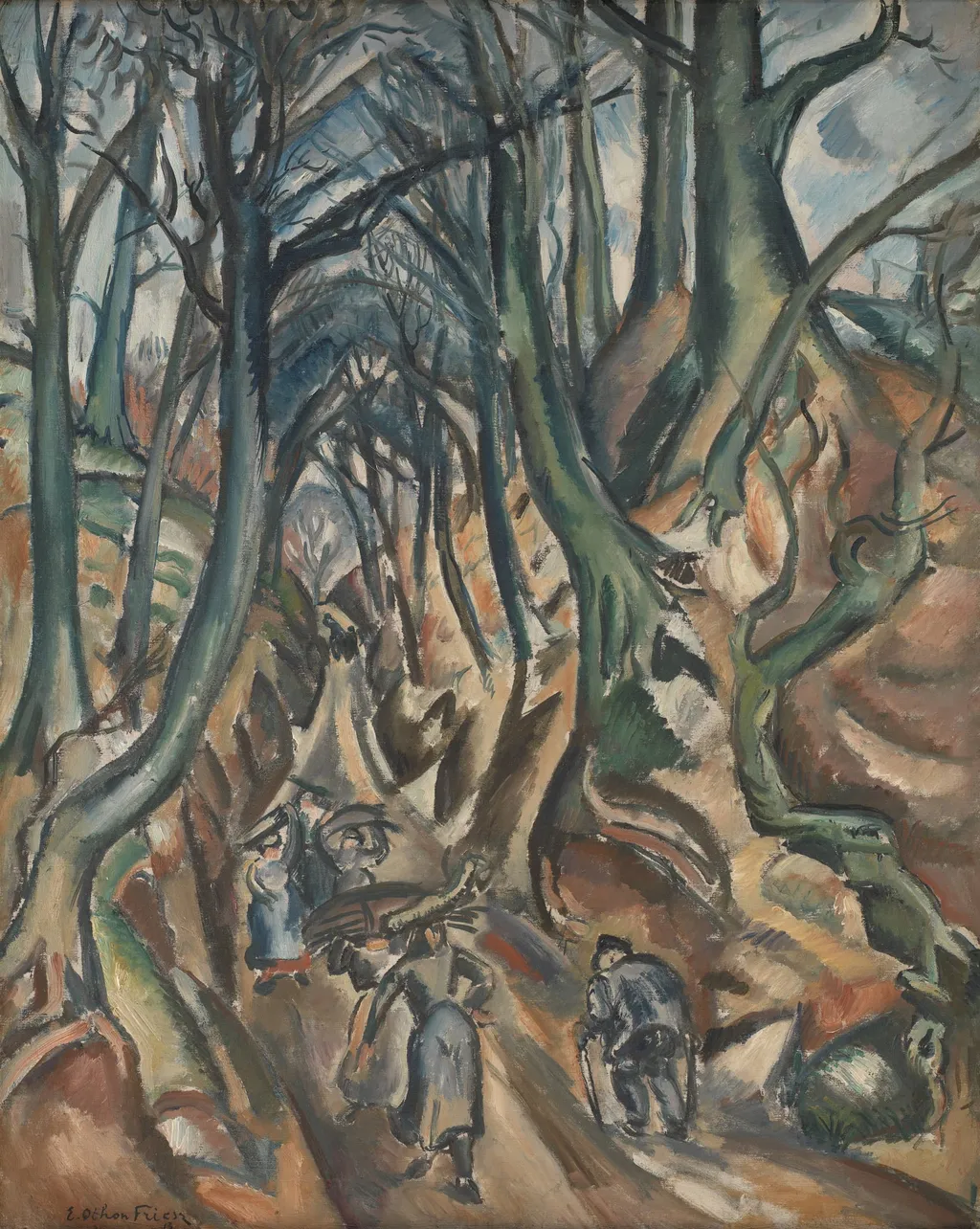
The Sunken Road in Winter is a photography by Unknown. It dates from 1913 and is held in the collection of the Statens Museum for Kunst.
About this work
Overview
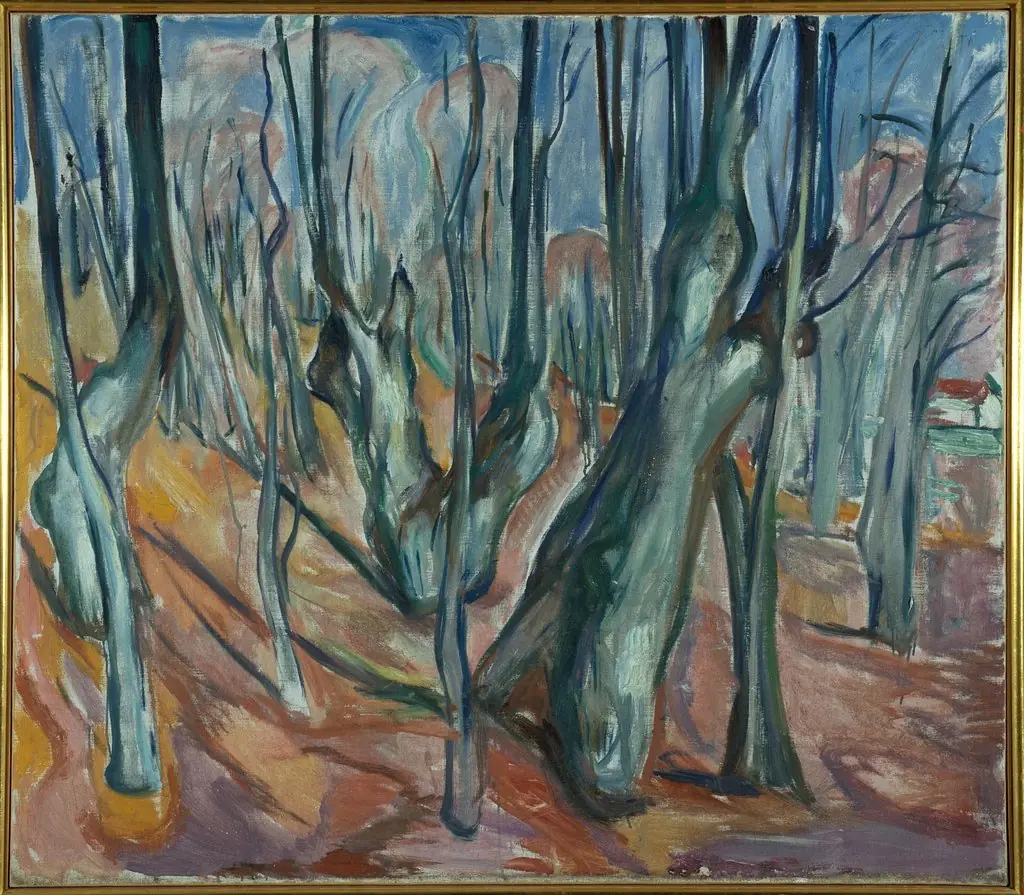
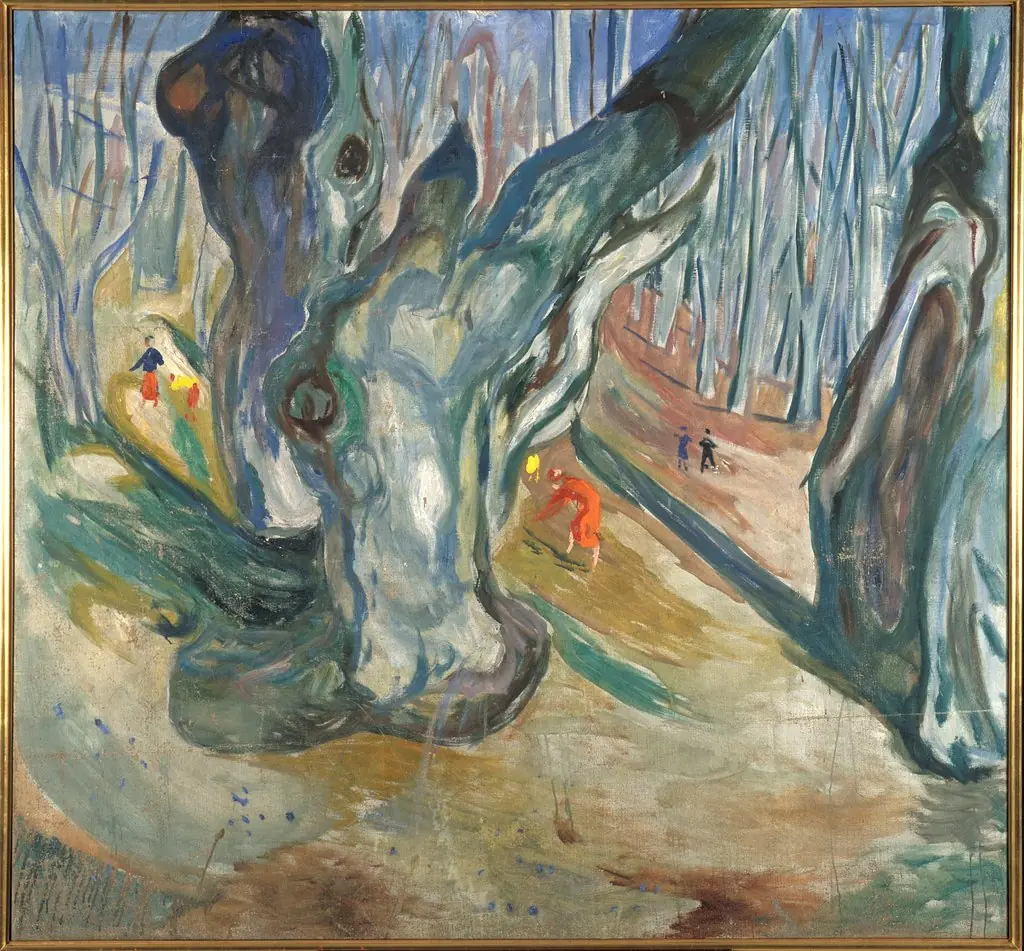
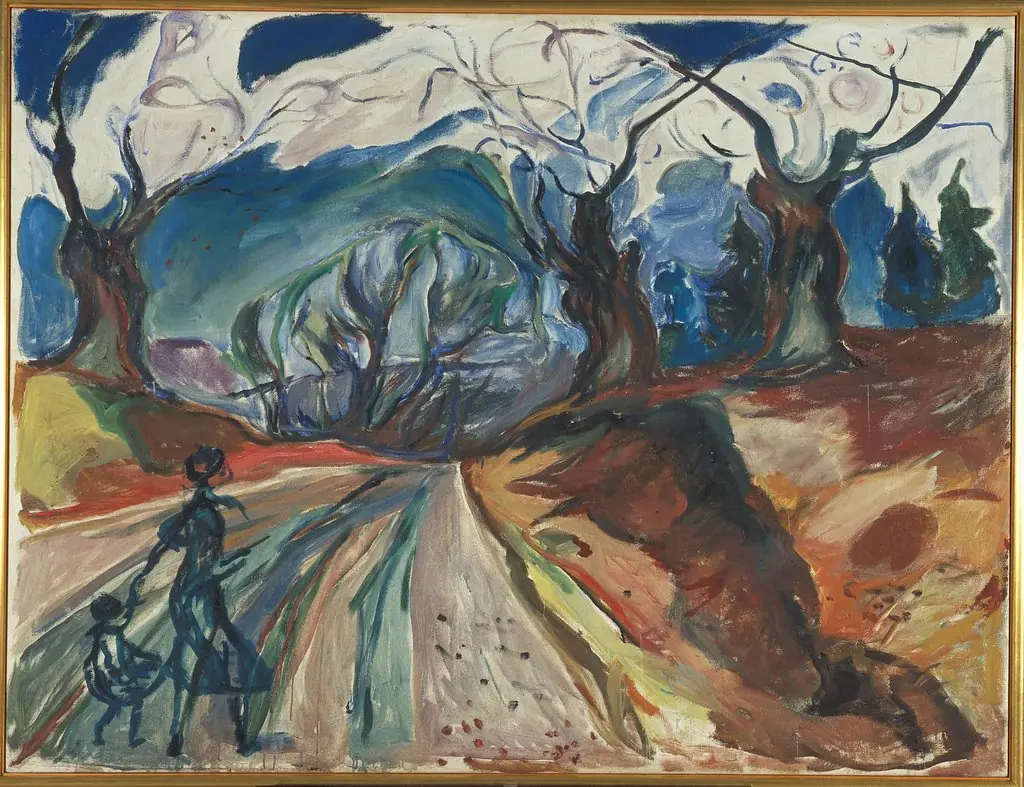
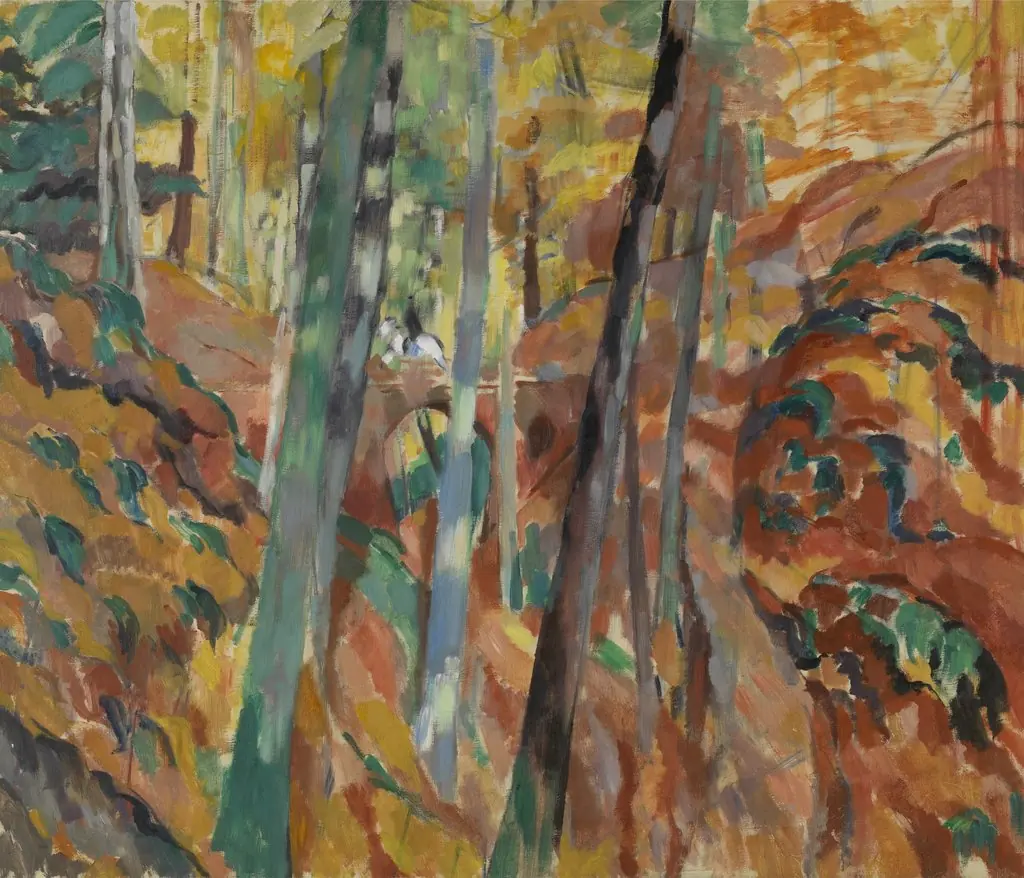
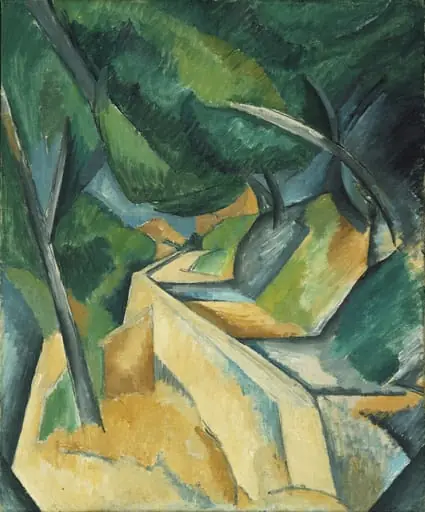
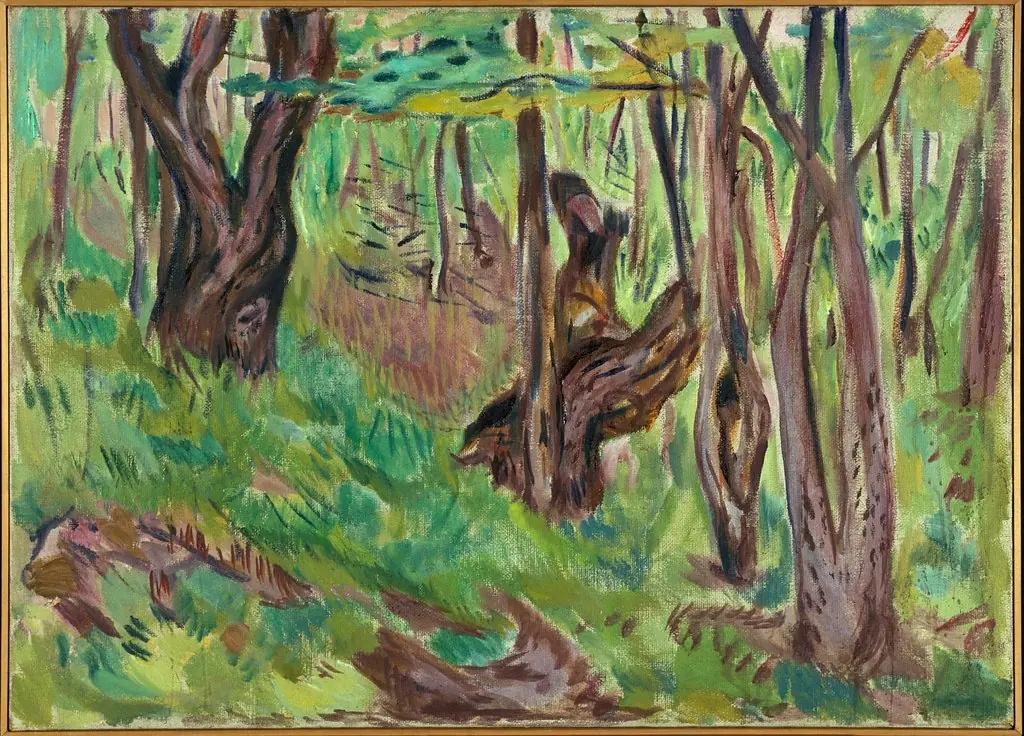
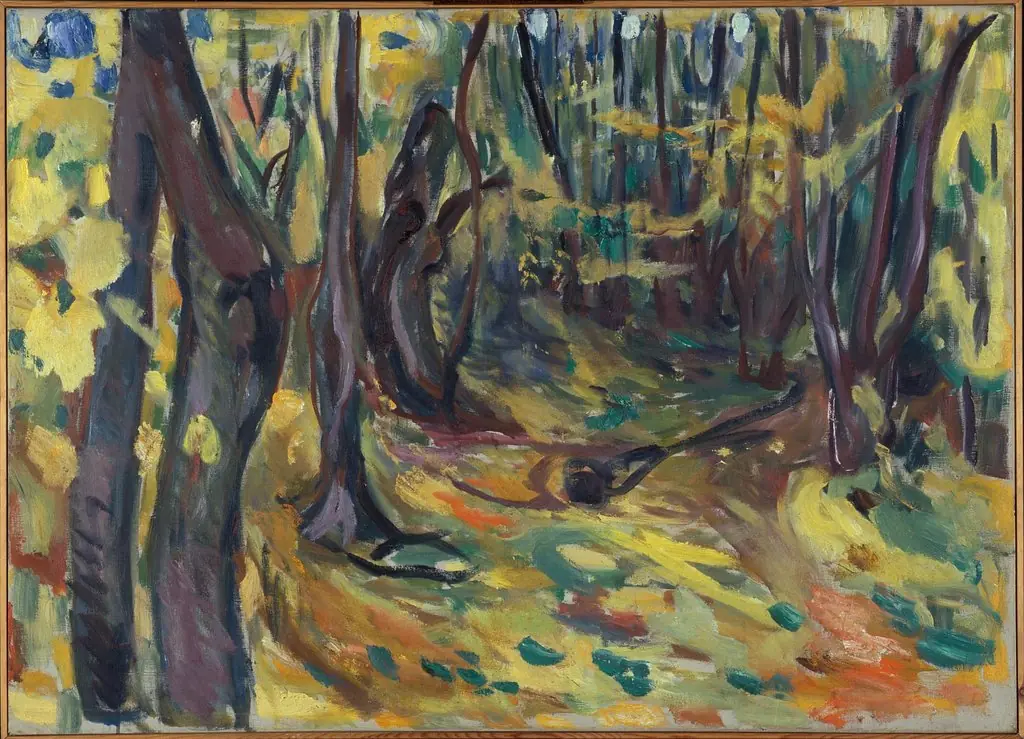
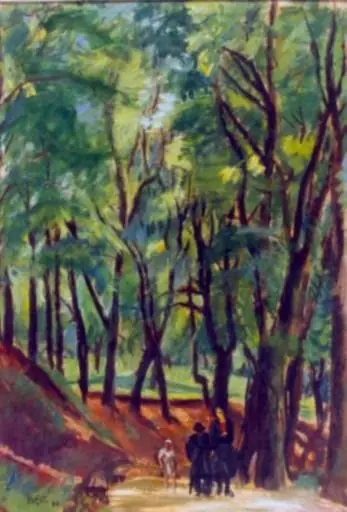
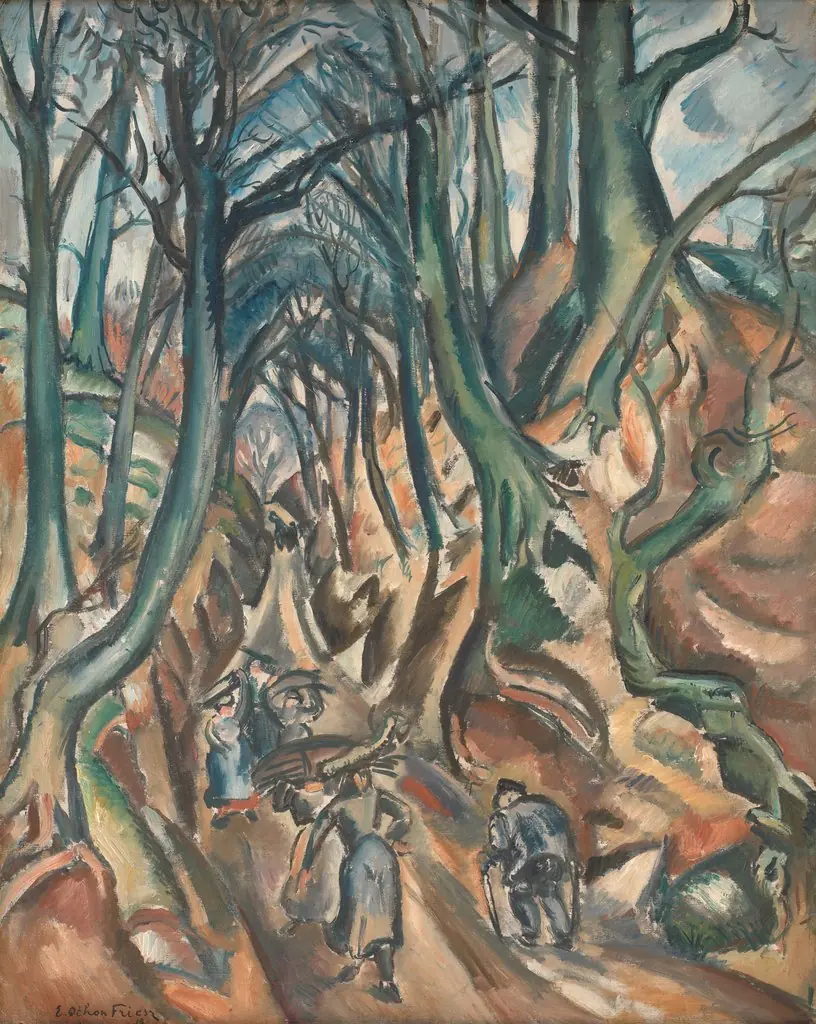
Painted in 1913, The Sunken Road in Winter depicts a narrow, snow-laden forest path lined with towering, leafless trees. Executed in oil, the work captures a quiet, wintry landscape with a sense of stillness and isolation. It resides in the collection of the Museum of Ethnography, where it is presented as part of a broader exploration of natural environments in early 20th-century European art.
Subject & Meaning
The painting portrays a solitary, snow-covered road winding through a dense woodland, suggesting themes of solitude and the passage of time. The encroaching trees form a tunnel-like enclosure, emphasizing the path’s confinement and the quiet weight of winter. There is no human presence, reinforcing a mood of introspection and the indifference of nature to human activity.
Technique & Style
The artist employed thick, textured brushwork to convey the roughness of bark, uneven snow, and frozen earth. Layers of pigment build up in places, creating a tactile surface that mimics the physicality of the landscape. A restrained palette of grays, browns, and deep blacks enhances the somber tone, while the dark silhouettes of the trees contrast sharply against the pale, muted background.
History & Provenance
Its acquisition reflects the institution’s interest in documenting regional landscapes and their cultural resonance.
Created in 1913, the painting entered the Museum of Ethnography’s collection shortly after its completion. Its acquisition reflects the institution’s interest in documenting regional landscapes and their cultural resonance. While little is documented about its early exhibitions, it has remained in the museum’s care since the early 20th century, preserved as part of its ethnographic and environmental holdings.
Context
This work emerged during a period when European artists increasingly turned to rural and natural subjects as industrialization reshaped society. The emphasis on texture and subdued color aligns with broader trends in post-impressionist and expressionist approaches, where emotional atmosphere took precedence over idealized representation. The painting reflects a growing fascination with nature’s raw, unvarnished presence.
Legacy
The Sunken Road in Winter remains a quiet example of early 20th-century landscape painting that prioritizes mood over narrative. Its use of impasto and restrained color influenced later artists interested in the materiality of paint and the emotional weight of natural scenes. Though not widely exhibited outside its home museum, it continues to be studied for its tactile rendering of winter’s stillness.
Artist & collection

 Domestic Scene
 Giacomo and Cardinal Marco, investing Andrea, Abbot of San Zeno, with his Benefice
 The Nymph of Fontainebleau
 Portrait of a Woman
 Madonna and Child with Saints in the Enclosed Garden
 Venus and Minerva
 Family Group of Four on Sofa
 Wall painting from Room H of the Villa of P. Fannius Synistor at Boscoreale