Artwork
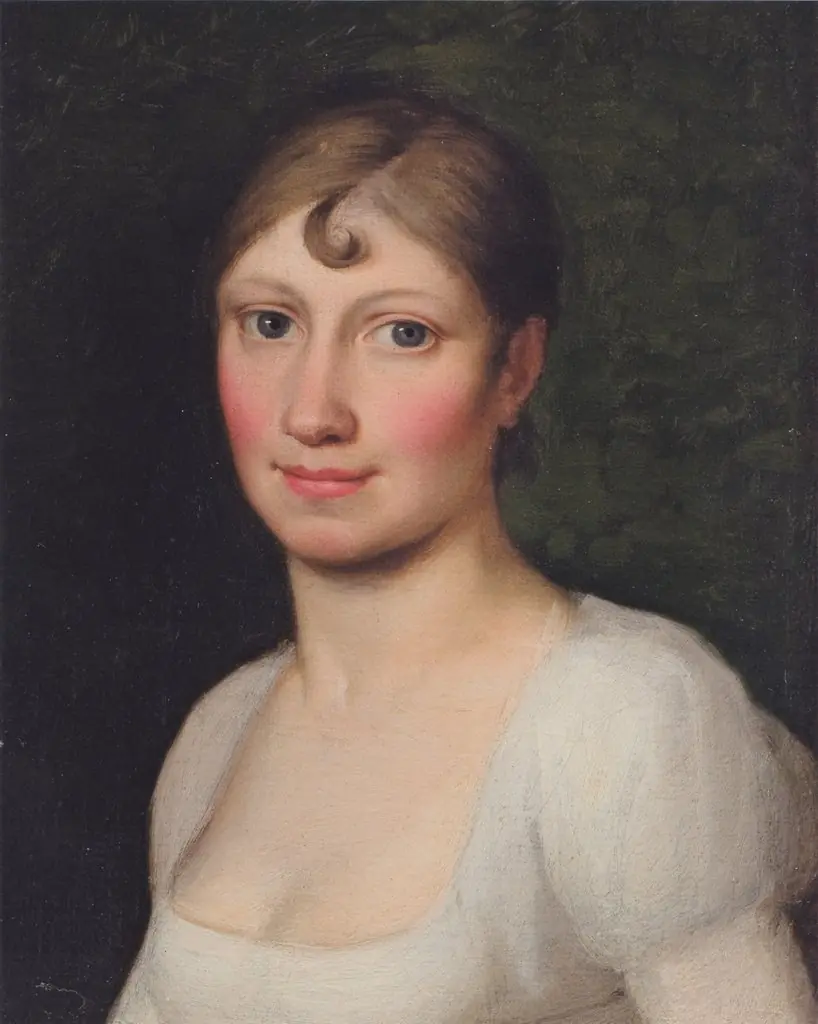
Christine Rebekka Eckersberg, f. Hyssing, kunstnerens første hustru
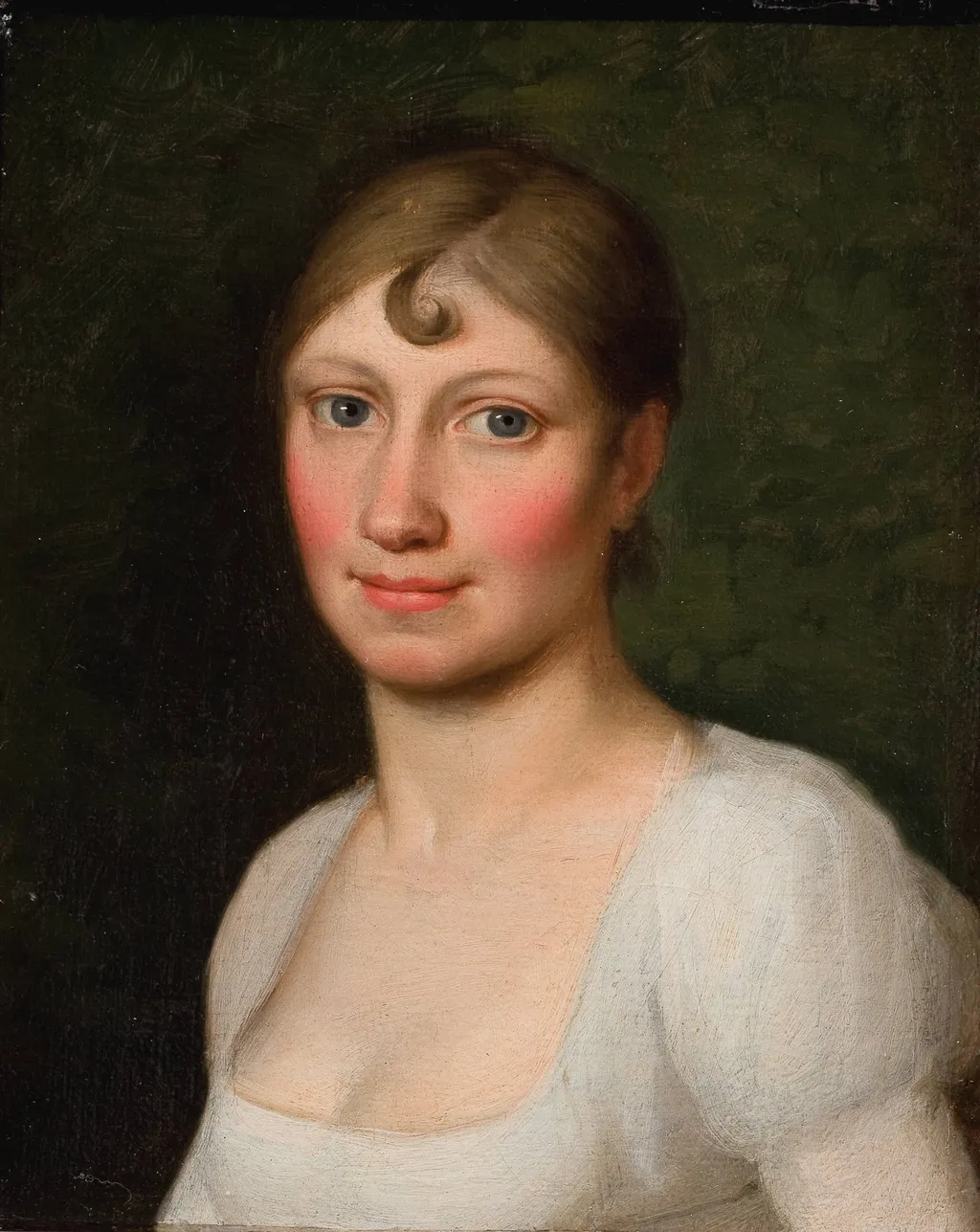
Christine Rebekka Eckersberg, f. Hyssing, kunstnerens første hustru is a photography by the Romanticist artist Unknown artist. It is held in the collection of the Statens Museum for Kunst. Painted in 1809 by Christoffer Wilhelm Eckersberg, this portrait captures his first wife, Christine Rebekka Hyssing.
About this work
Overview
As a foundational work in Danish Golden Age painting, it exemplifies the era’s shift toward quiet realism and intimate domestic subjects.
Painted in 1809 by Christoffer Wilhelm Eckersberg, this portrait captures his first wife, Christine Rebekka Hyssing. As a foundational work in Danish Golden Age painting, it exemplifies the era’s shift toward quiet realism and intimate domestic subjects. Eckersberg, then a rising figure at the Royal Danish Academy, applied careful observation to render his subject with dignity and restraint, avoiding theatricality in favor of subtle presence.
Subject & Meaning
Christine Rebekka Hyssing is portrayed not as a noble figure or social symbol, but as a private individual. Her calm gaze and modest attire suggest introspection rather than performance. The absence of ornate jewelry or elaborate setting emphasizes personal character over status. The painting reflects a growing cultural interest in the inner life of ordinary people, particularly women within domestic spheres, during early 19th-century Denmark.
Technique & Style
Eckersberg employed soft chiaroscuro to model the contours of her face and shoulders, using gentle gradations of light to create volume without harsh contrast. The dark, indistinct background isolates her form, enhancing focus on her skin and the delicate fabric of her dress. Brushwork is precise yet unobtrusive, favoring smooth transitions over visible strokes, aligning with academic ideals of clarity and controlled execution.
History & Provenance
The portrait was completed shortly after Eckersberg’s marriage to Hyssing in 1808. It remained in the artist’s family for generations before entering public collection. Its survival as a personal keepsake turned artistic study offers insight into the intersection of private life and professional practice among Danish artists of the period. No major alterations or later additions are recorded.
Context
In early 1800s Denmark, portraiture was evolving under the influence of Neoclassicism and Enlightenment ideals. Artists like Eckersberg, trained in Paris, brought back a preference for naturalism over aristocratic grandeur. This work reflects that shift: a quiet, unadorned depiction of a wife, aligned with broader trends toward sincerity and emotional restraint in visual culture.
Legacy
This portrait stands as an early example of Eckersberg’s mature style and a precursor to his later role as a teacher who shaped generations of Danish painters. Its understated realism influenced how domestic subjects were treated in national art, helping to define the aesthetic of the Danish Golden Age. It remains a quiet but significant marker of personal and artistic transition in Nordic painting.
Artist & collection
Artist
Xun Xu (c. 221 – 289), courtesy name Gongzeng, was a Chinese musician, painter, politician, and writer who lived during the late Three Kingdoms period and early Jin dynasty of China. Born in the influential Xun family,…

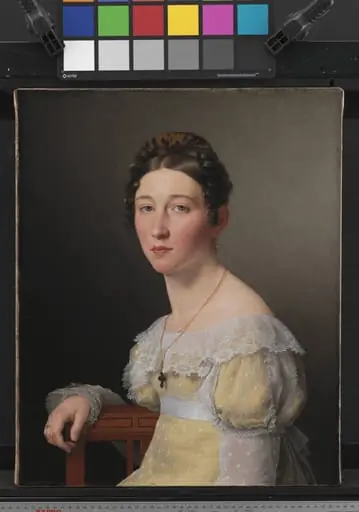 Portrait of Emilie Henriette Massmann, Betrothed of Frederik Wilhelm Caspar von Benzon
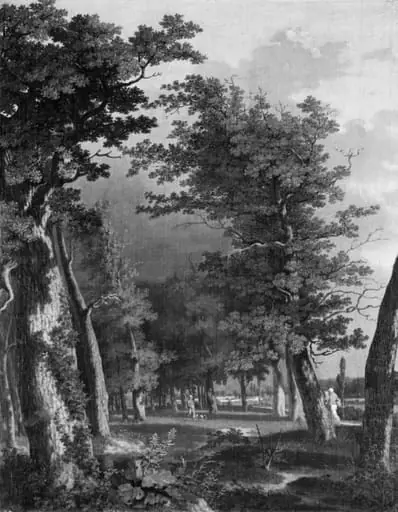 Landscape with Trees near Paris
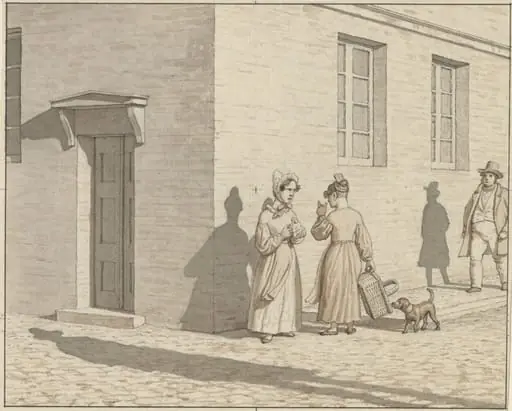 Linear Perspective as Applied in Painting - Plate VII, 1 - A Street Corner Encounter
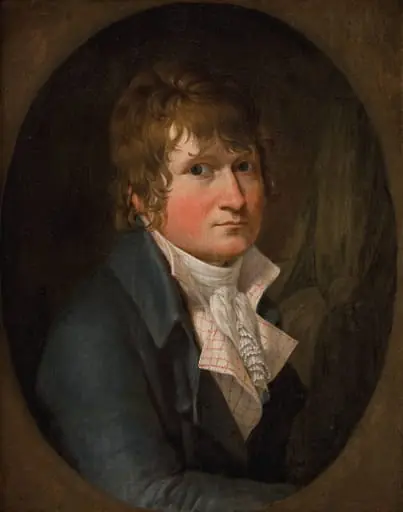 Self-Portrait
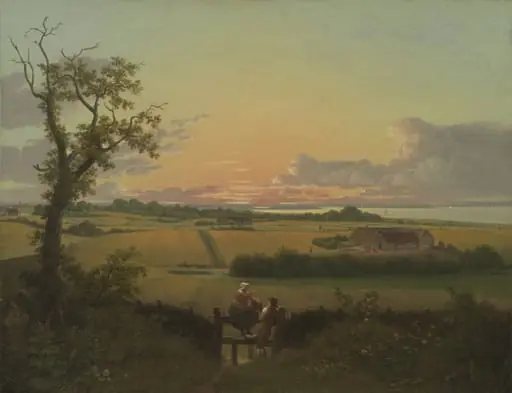 Landscape with a Stile. The Isle of Møn
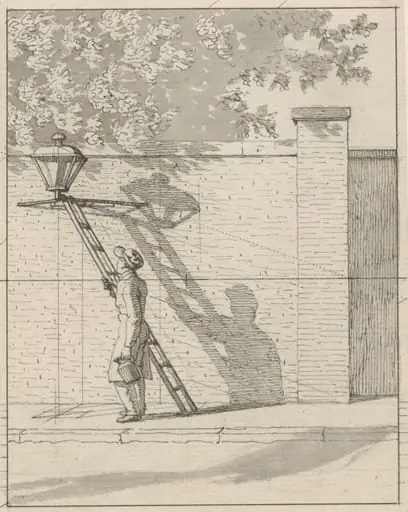 Linear Perspctive as Applied in Painting - Plate VI. The Street Lamp on the Garden Wall, Daylight
 Study of a Wood
 Study of Clouds over the Sea
 Marie Raffenberg, the Artist's Betrothed
 Marie Raffenberg, the Artist's Betrothed
 Portrait of Aniela Nowicka née Popławska
 La Princesse Catherine Gavrilowna Gagarine
 Portrait of Teresa Żebrawska née Hanowicz
 Portræt af jomfru Nissen
 Portrait of Maria Adriana van der Sluys, Wife of Hermanus Martinus Eekhout
 Portrait of Maria Christina Nijssen, Wife of Anthonie van der Hout
 Portrait of a lady
 Portrait of a woman with a veil
 A young Woman
 Christine Rebekka Eckersberg, f. Hyssing, kunstnerens første hustru