Artwork
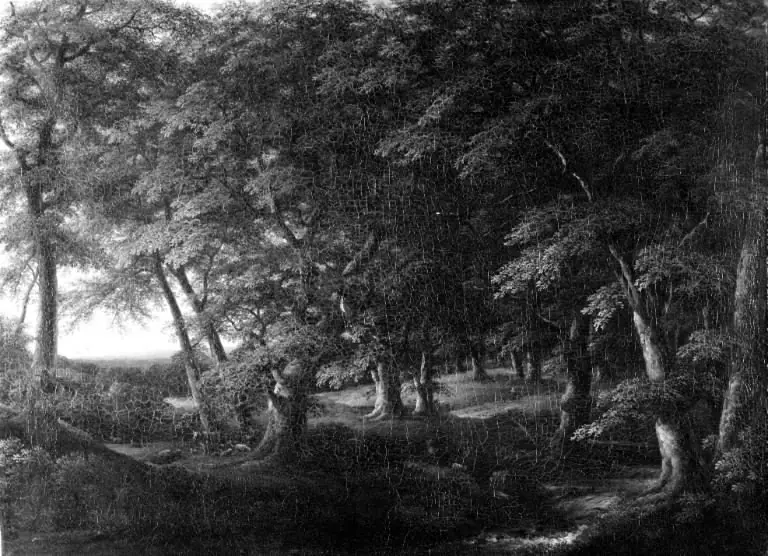
Study of a Wood
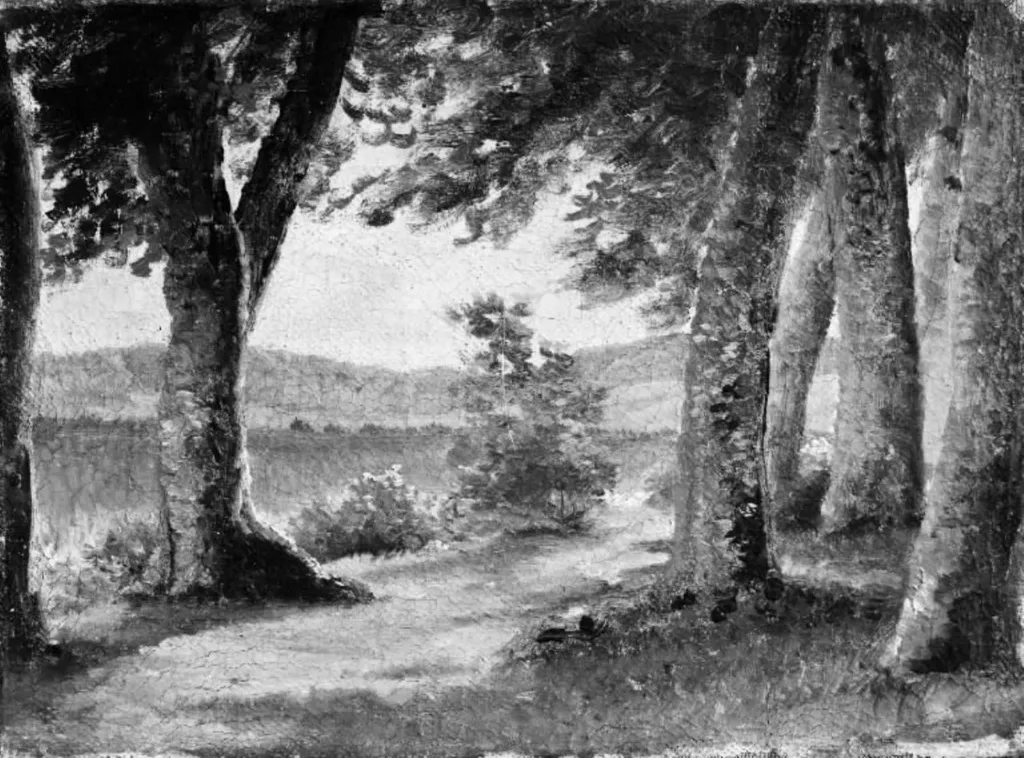
Study of a Wood is a drawing by Unknown artist. It is held in the collection of the Statens Museum for Kunst.
About this work
Overview
The piece resides in the Museum of Ethnography, where it is valued for its informal, spontaneous quality rather than formal finish.
Created in the mid-19th century by Xun Xu, a scholar-official and artist from a prominent Chinese family, this work is a pencil or ink sketch depicting a wooded clearing. Though dated to approximately 1850, it reflects earlier traditions of observational drawing practiced by literati. The piece resides in the Museum of Ethnography, where it is valued for its informal, spontaneous quality rather than formal finish.
Subject & Meaning
The scene captures a quiet woodland glade, dominated by dense, interwoven tree trunks and branches that frame a narrow opening to the sky. The ground remains indistinct, with ambiguous shapes suggesting rocks or undergrowth. The composition conveys a moment of quiet observation, typical of literati sketches meant to record nature’s presence rather than idealize it.
Technique & Style
Executed with rapid, loose strokes, the drawing resembles a field study rather than a finished work. The trees are rendered in abbreviated lines, emphasizing texture and mass over detail. Shadows are suggested through hatching and pressure variation, not shading. The absence of refinement aligns with literati ideals that prized immediacy and personal expression over technical polish.
History & Provenance
Xun Xu, active during the late Qing dynasty, came from a family known for cultural patronage and bureaucratic service. This sketch likely originated as a personal exercise, possibly made during travel or leisure. Its preservation in the Museum of Ethnography suggests later recognition of its ethnographic or artistic value, though its exact provenance before acquisition remains undocumented.
Context
In 19th-century China, literati artists often sketched nature as a form of meditation and intellectual engagement. While professional painters produced elaborate landscapes, scholars like Xun Xu favored quick studies to capture transient impressions. This work fits within that tradition, reflecting a broader cultural preference for spontaneity and understated expression in artistic practice.
Legacy
Though not widely exhibited, the sketch contributes to understanding how Qing-era scholars engaged with the natural world through drawing. Its informal style contrasts with official art of the period, offering insight into private artistic habits. It remains a quiet example of how personal observation shaped Chinese literati aesthetics beyond grand compositions.
Artist & collection
Artist
Xun Xu (c. 221 – 289), courtesy name Gongzeng, was a Chinese musician, painter, politician, and writer who lived during the late Three Kingdoms period and early Jin dynasty of China. Born in the influential Xun family,…

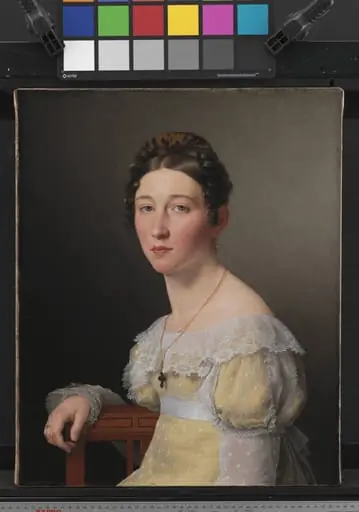 Portrait of Emilie Henriette Massmann, Betrothed of Frederik Wilhelm Caspar von Benzon
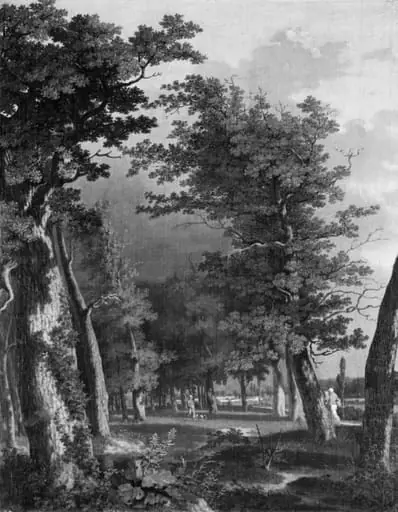 Landscape with Trees near Paris
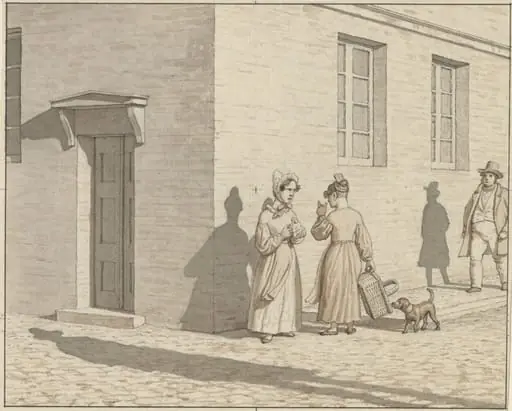 Linear Perspective as Applied in Painting - Plate VII, 1 - A Street Corner Encounter
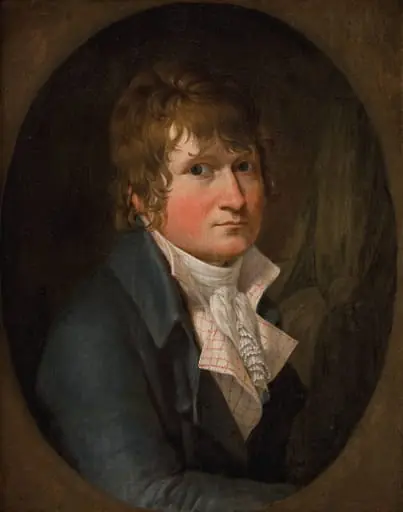 Self-Portrait
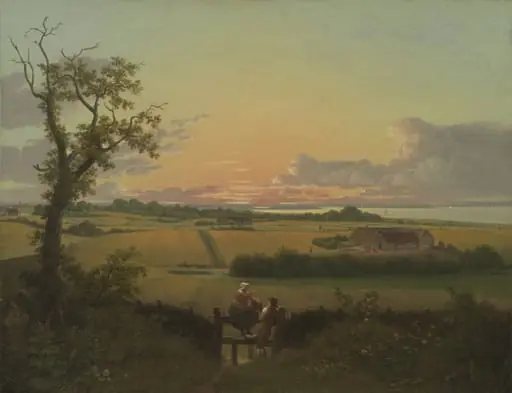 Landscape with a Stile. The Isle of Møn
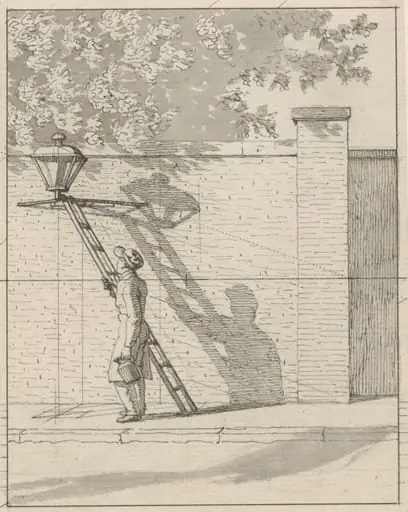 Linear Perspctive as Applied in Painting - Plate VI. The Street Lamp on the Garden Wall, Daylight
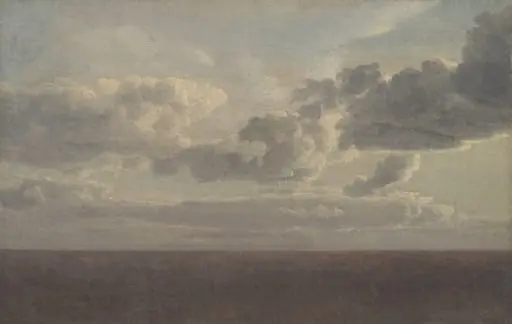 Study of Clouds over the Sea
 The Three Maries at the Tomb of Christ. Study
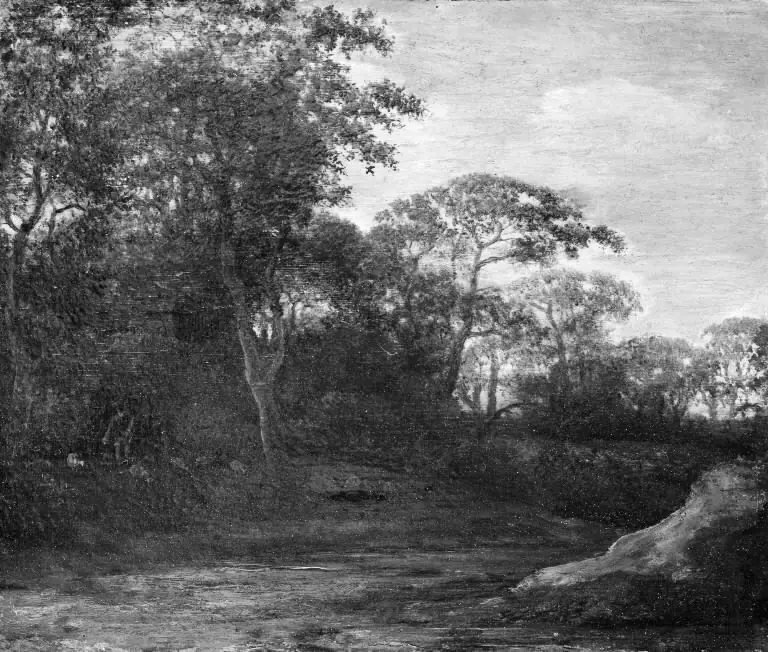 The Edge of the Wood
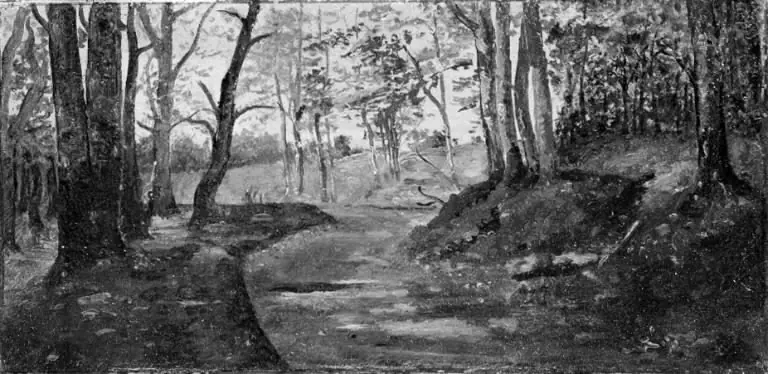 A Path through a Wood
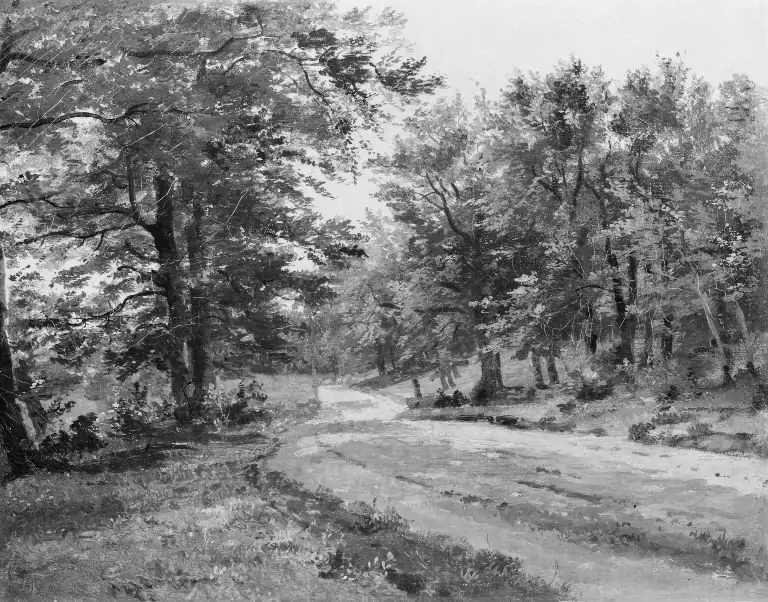 A Road in a Forest
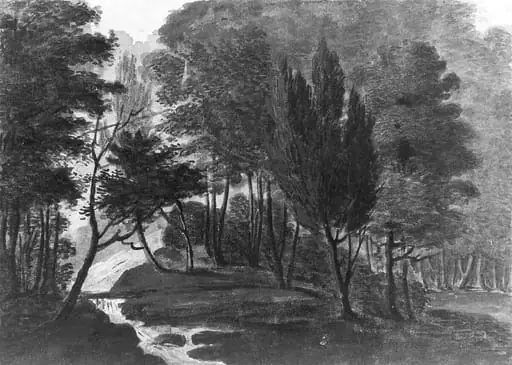 A Woodland Scene (The Sun Reflecting on the Dew, a Garden Scene: Echo, Pennsylvania, A Place belonging to Mr. D. Bavarage, 1808)
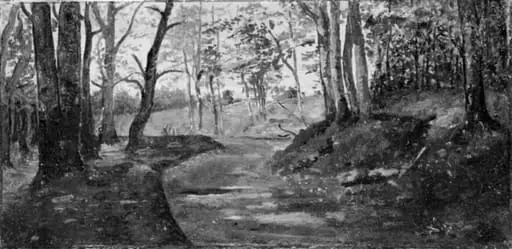 A Path through a Wood
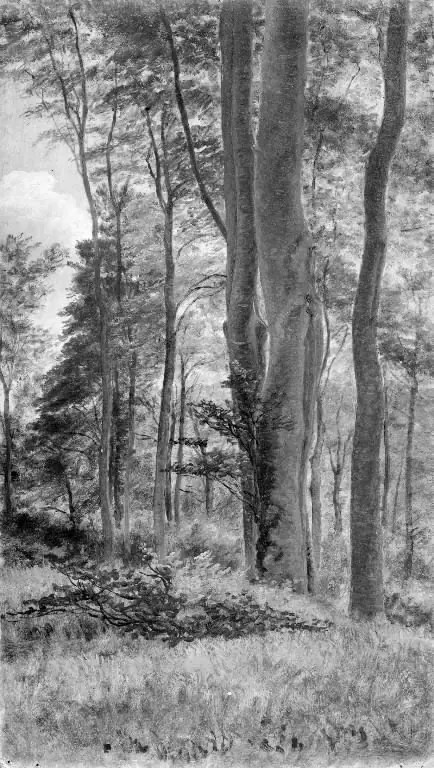 Beeches in Delhoved Forest
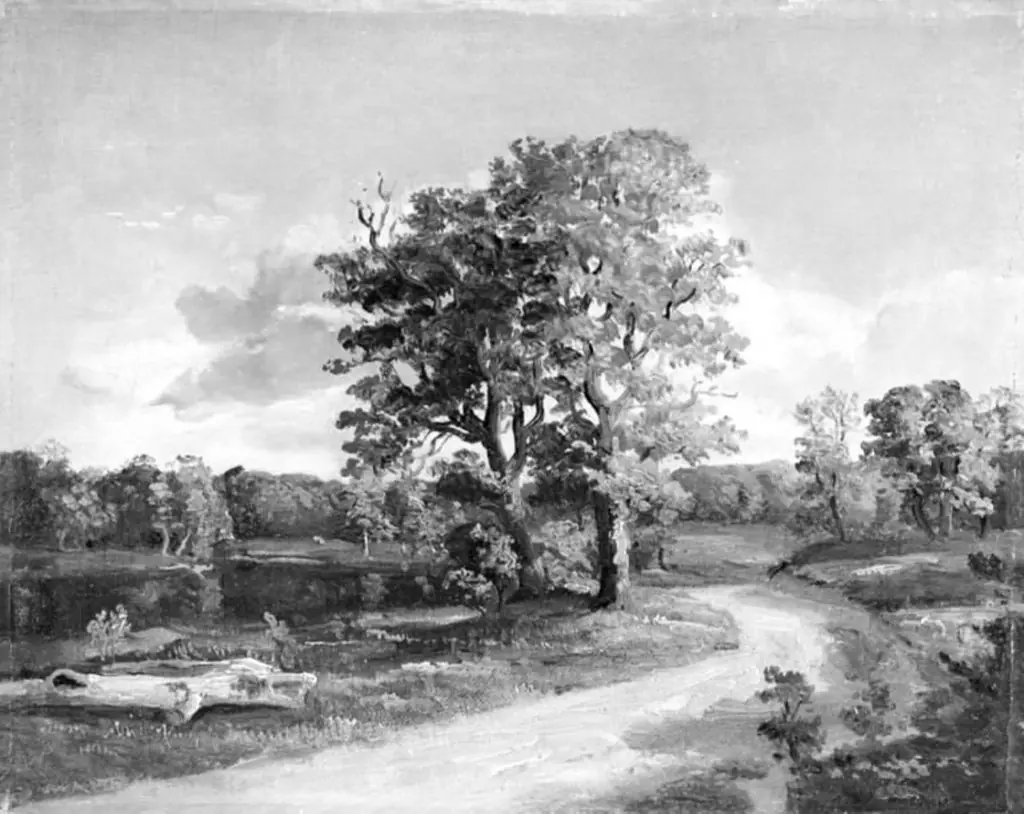 Landscape near Hammermøllen. Study
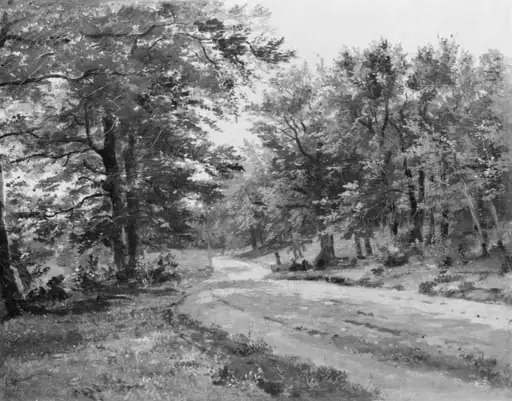 A Road in a Forest
 Woodland Scene from Southern Sweden
 Skovlandskab med græssende kvæg