Artwork
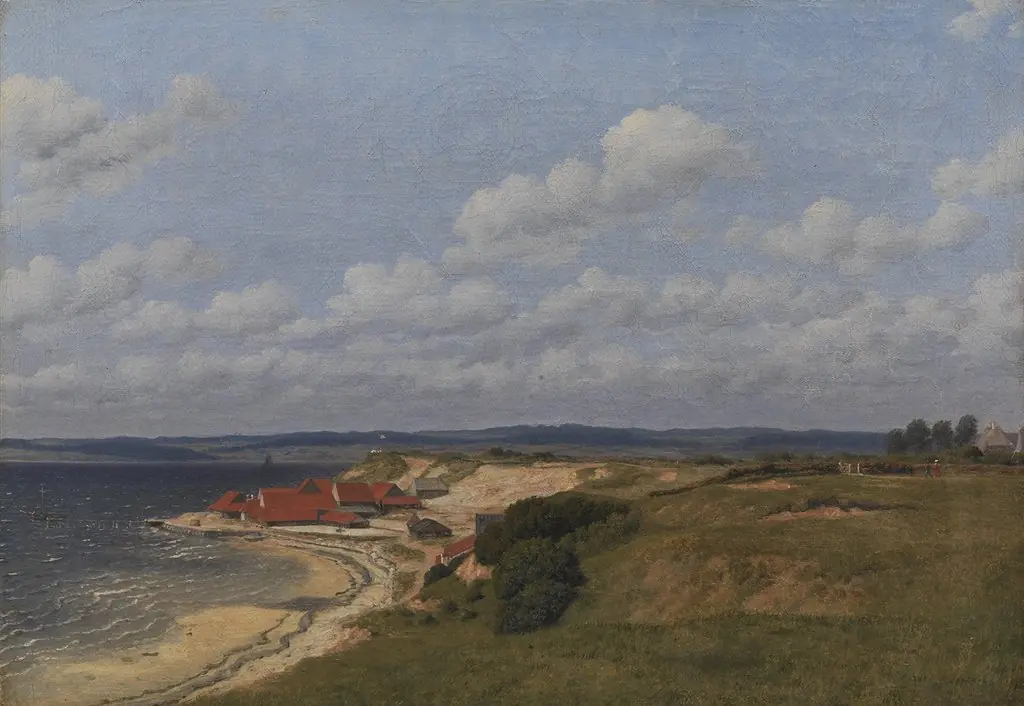
Renbjærg Tileworks by Flensburg Fiord
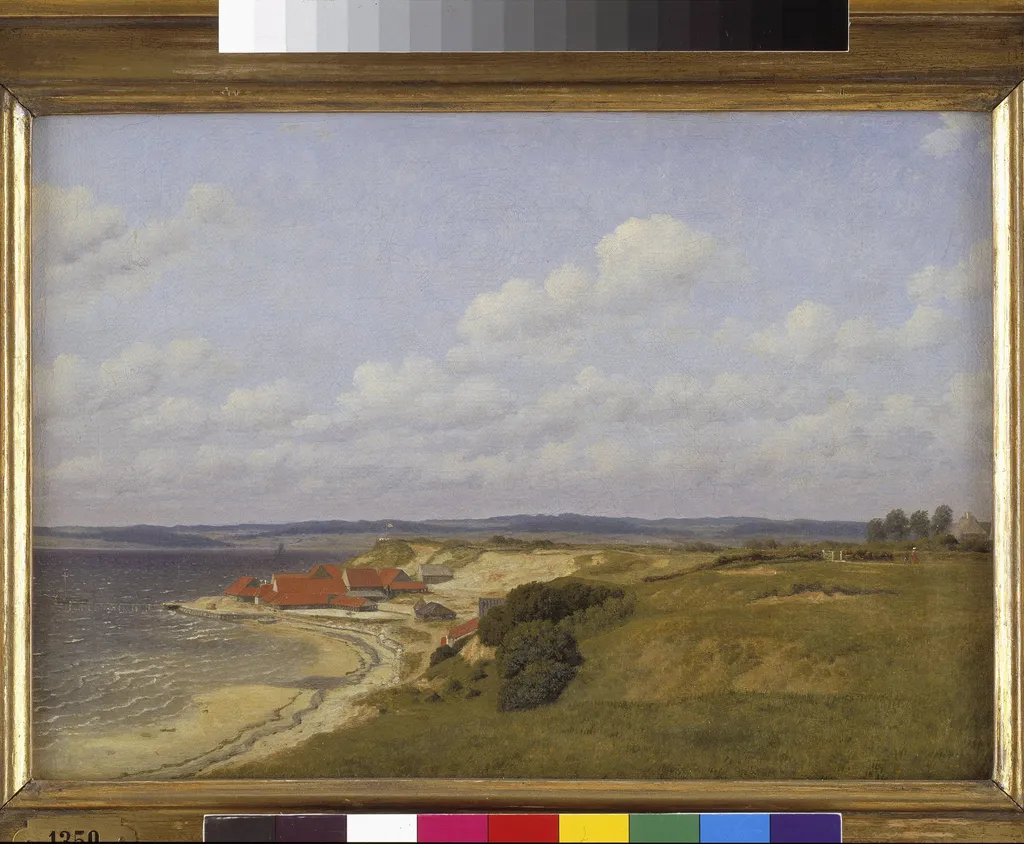
Renbjærg Tileworks by Flensburg Fiord is a photography by the Romanticist artist Unknown artist. It is held in the collection of the Statens Museum for Kunst.
About this work
Overview
The piece is cataloged in the Museum of Ethnography, where it is presented as a landscape depicting a coastal industrial site.
The painting *Renbjærg Tileworks by Flensburg Fiord* was produced in 1830 by Xun Xu, a Chinese scholar-official known for his work in music, painting, and literature. Though traditionally associated with the Three Kingdoms and Jin periods, this date places the work centuries later, suggesting a possible misattribution or chronological error. The piece is cataloged in the Museum of Ethnography, where it is presented as a landscape depicting a coastal industrial site.
Subject & Meaning
The scene portrays a modest tileworks complex nestled along the shores of Flensburg Fiord, with red-tiled roofs and low structures nestled among dunes and grasses. Rather than emphasizing labor or industry, the composition invites quiet contemplation, framing the site as part of a tranquil coastal ecosystem. The absence of human figures and the subdued activity suggest a meditation on harmony between human craft and natural landscape.
Technique & Style
Xun Xu employed soft brushwork to render textures: the roughness of dune grass, the smoothness of water, and the matte finish of clay tiles. Palette is restrained—earthy greens, browns, and terracotta—accented by pale sky tones. Light is diffused and even, avoiding dramatic contrasts. The composition follows a horizontal rhythm, guiding the eye from foreground paths to distant hills, reinforcing a sense of calm spatial continuity.
History & Provenance
The painting’s origin and early ownership remain undocumented. Its presence in the Museum of Ethnography implies it was collected as an ethnographic artifact rather than a fine art object, possibly due to its depiction of a regional craft site. The attribution to Xun Xu, a figure from the 3rd–4th century, conflicts with the 1830 date, raising questions about authorship or the accuracy of historical labeling.
Context
In early 19th-century China, landscape painting continued to be a respected medium among scholar-artists, often reflecting ideals of harmony and retreat. Yet Flensburg Fiord lies in northern Europe, making the subject geographically incongruent with Xun Xu’s known life and cultural sphere. This disjunction suggests the work may be a later European imitation, misattributed, or a product of cross-cultural exchange now obscured by time.
Legacy
The painting’s significance lies less in its artistic innovation than in its role as a historical puzzle. It reflects 19th-century collecting practices that sometimes conflated cultural origins for exotic appeal. As such, it serves as a case study in the complexities of attribution, the fluidity of artistic identity, and the challenges of interpreting cross-cultural artifacts in museum contexts.
Artist & collection
Artist
Xun Xu (c. 221 – 289), courtesy name Gongzeng, was a Chinese musician, painter, politician, and writer who lived during the late Three Kingdoms period and early Jin dynasty of China. Born in the influential Xun family,…

 Portrait of Emilie Henriette Massmann, Betrothed of Frederik Wilhelm Caspar von Benzon
 Landscape with Trees near Paris
 Linear Perspective as Applied in Painting - Plate VII, 1 - A Street Corner Encounter
 Self-Portrait
 Landscape with a Stile. The Isle of Møn
 Linear Perspctive as Applied in Painting - Plate VI. The Street Lamp on the Garden Wall, Daylight
 Study of a Wood
 Study of Clouds over the Sea
 View of Frederiksværk from Tisvilde Wood, North Zealand
 Kronborg Castle
 A Beach by the Sound
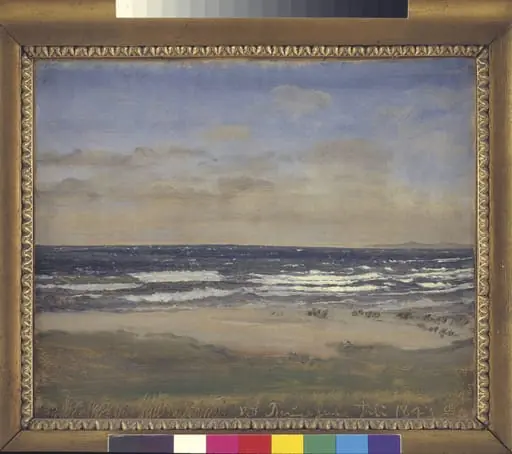 The Beach at Rågeleje
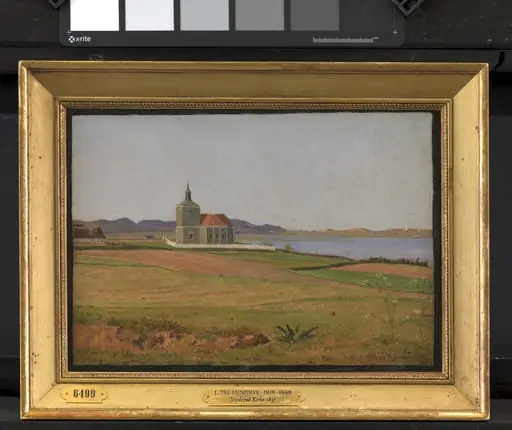 Vinderød Church near Frederiksværk
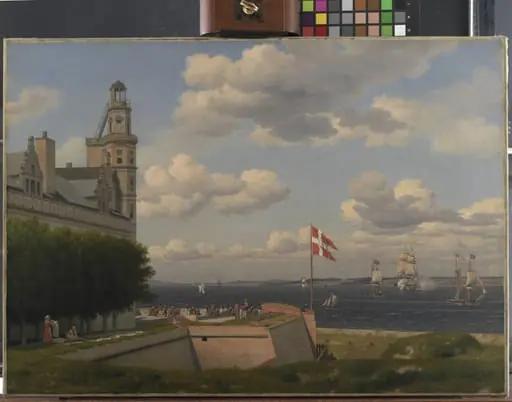 A View towards the Swedish Coast from the Ramparts of Kronborg Castle
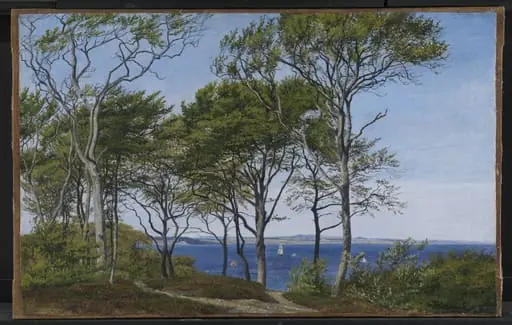 View Through Beech Trees Across a Fiord
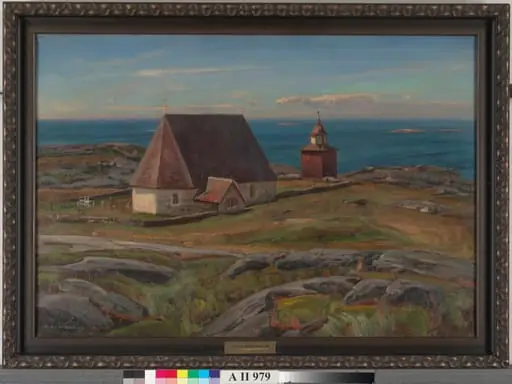 Kökarin kirkko
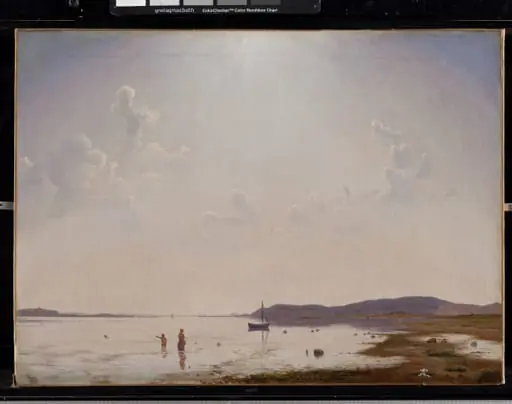 View of Roskilde Fjord near Frederikssund, Zealand
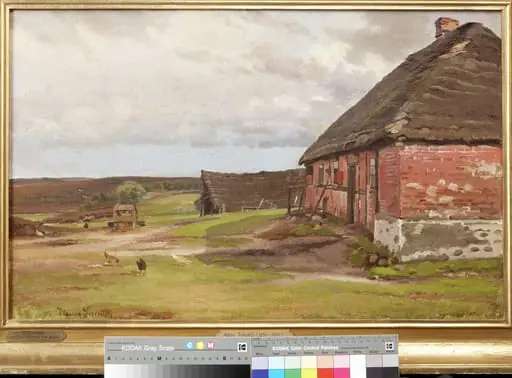 Et hus på Alheden
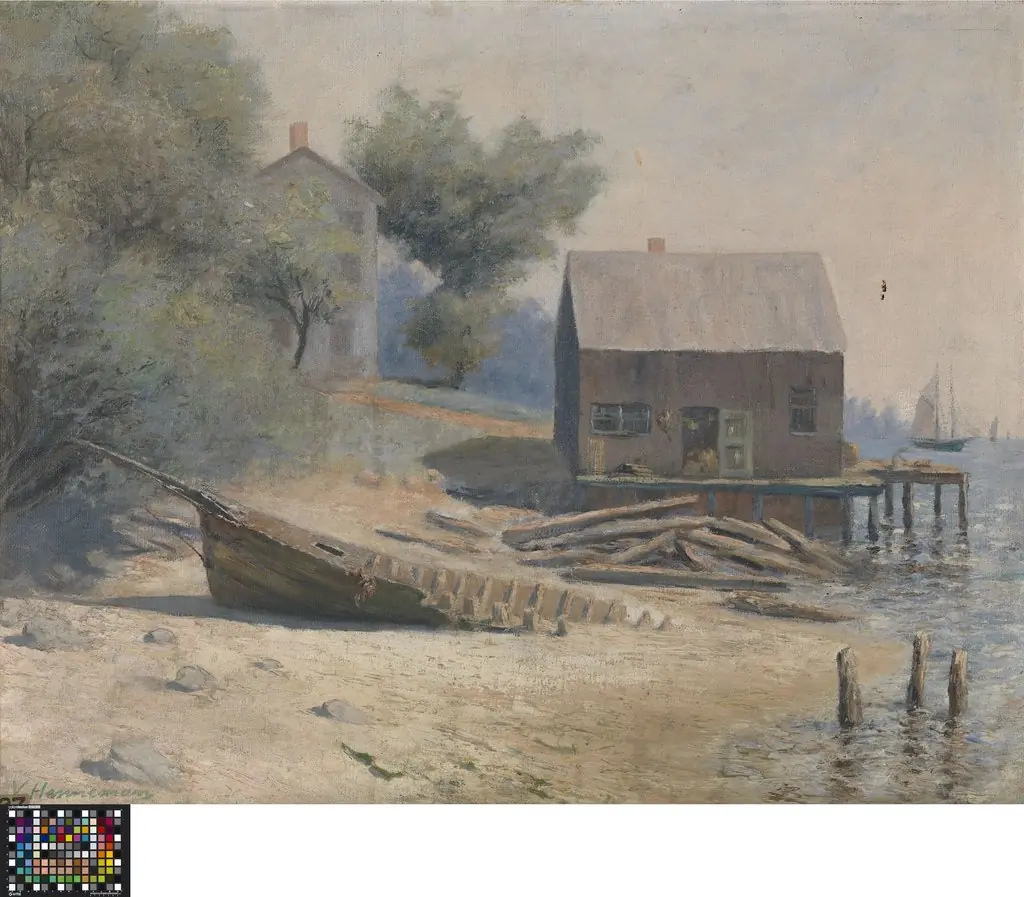 Strandgezicht
 Renbjærg Tileworks by Flensburg Fiord