Artwork
Portrait of a Lady
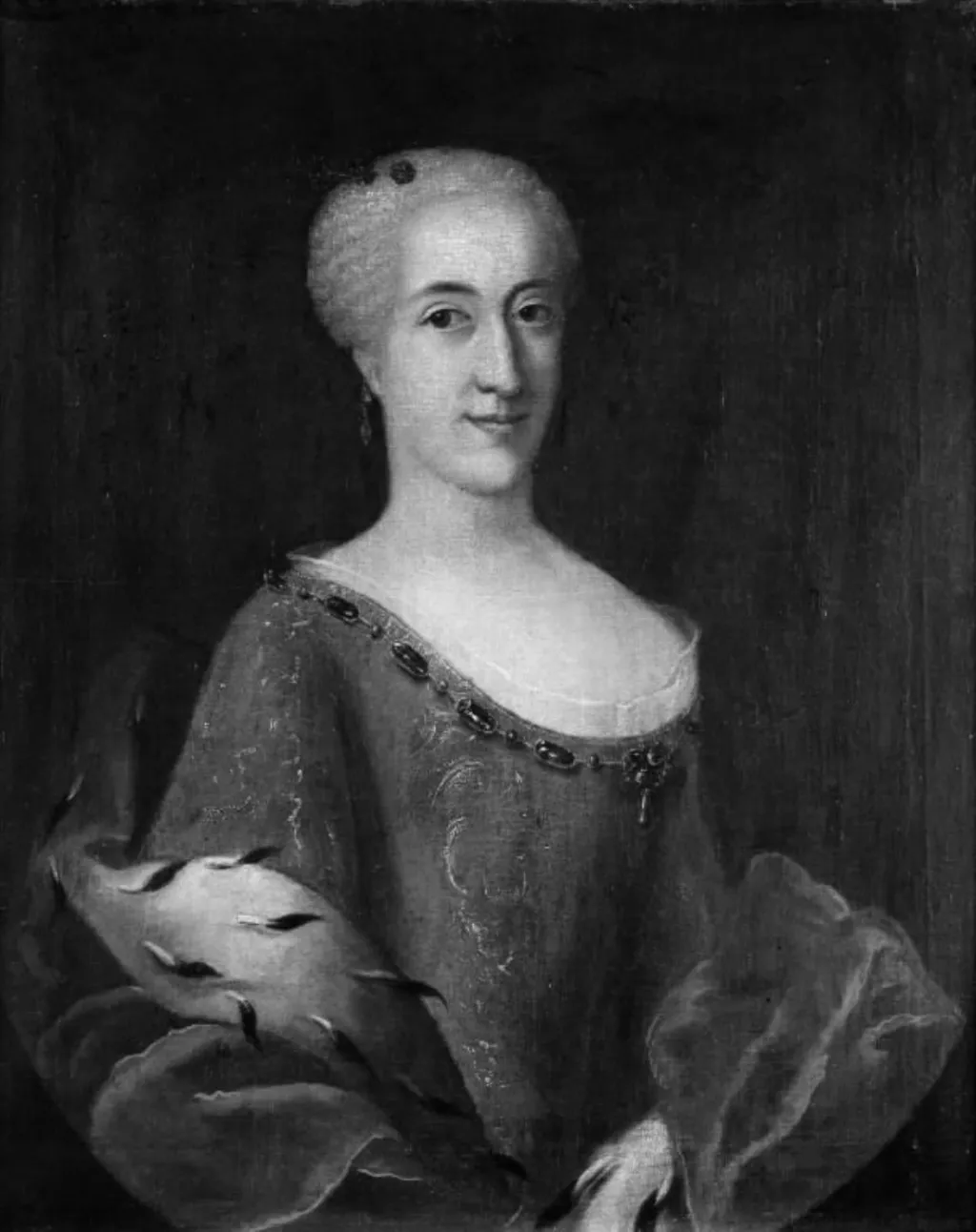
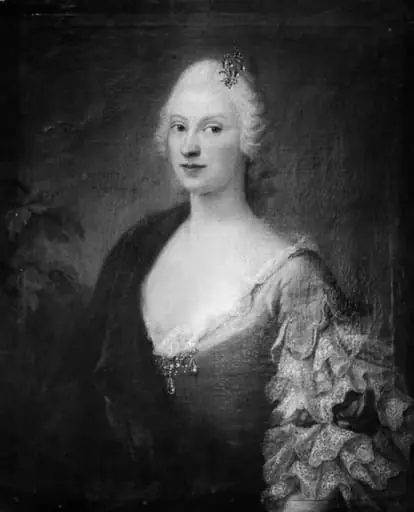
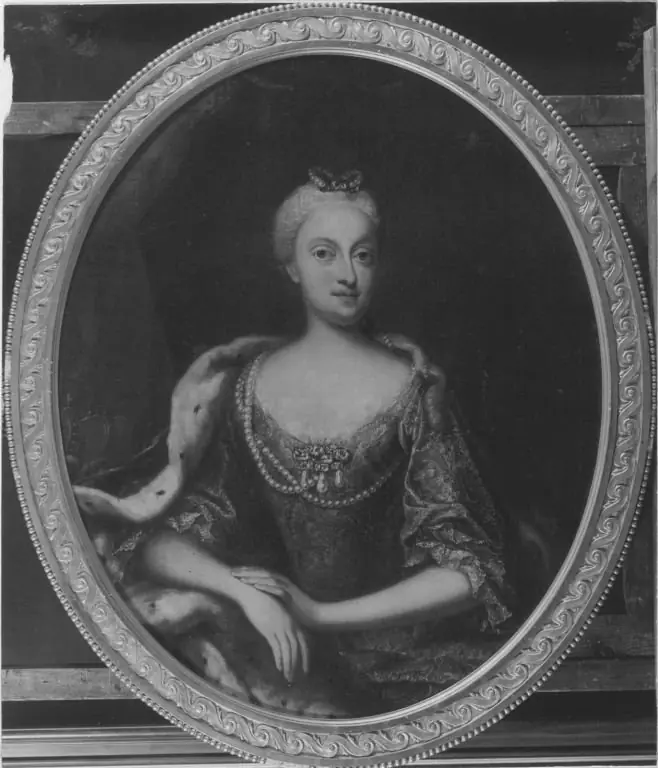
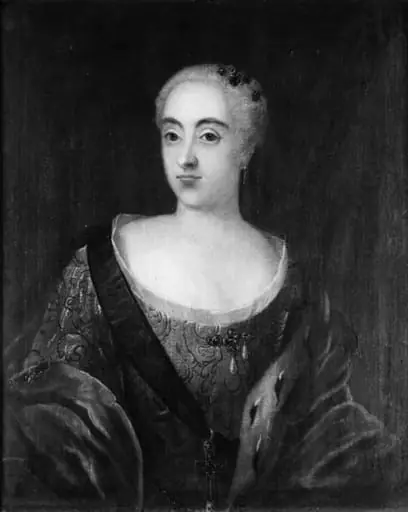
Portrait of a Lady is an unspecified painting by Unknown. It dates from 1750 and is held in the collection of the Statens Museum for Kunst. Created around 1750, this portrait depicts an unidentified woman in a restrained yet refined manner.
About this work
Overview
The composition emphasizes the sitter’s presence through a dark, unadorned background and careful attention to textile detail.
Created around 1750, this portrait depicts an unidentified woman in a restrained yet refined manner. Executed in oil on canvas, it is part of the collection at the Museum of Ethnography. The composition emphasizes the sitter’s presence through a dark, unadorned background and careful attention to textile detail. The artist, identified as 2932_person, worked during a period when portraiture often served to convey social standing through subtle visual cues rather than overt symbolism.
Subject & Meaning
The woman’s composed expression and modest adornments suggest a figure of quiet dignity, possibly from a middle or upper-class background. Her dark dress, trimmed with fine detail, and the single brooch at her hairline indicate taste and restraint rather than ostentation. The necklace, though simple, adds a note of personal significance. The absence of props or context invites focus on her individuality, reflecting a shift toward intimate, psychologically nuanced portraiture in the mid-18th century.
Technique & Style
The artist employs a muted color palette dominated by deep tones, with subtle variations in the fabric’s texture achieved through layered glazes. Light falls gently across the face and neckline, modeling form without dramatic contrast. The brooch introduces a restrained accent of color, drawing the eye without disrupting the harmony. Brushwork is precise yet unobtrusive, favoring clarity over flourish, aligning with regional conventions of portraiture that valued realism over idealization.
History & Provenance
The painting entered the Museum of Ethnography’s collection in the late 19th century, though its earlier ownership remains undocumented. Its attribution to 2932_person is based on stylistic comparison with other works from the same period and region. No inscriptions or signatures are visible on the surface, and no contemporary records link the sitter to known historical figures. The work’s survival suggests it was preserved within a private collection before institutional acquisition.
Context
In mid-18th-century Europe, portraiture increasingly moved beyond aristocratic commissions to include affluent non-nobles. This work reflects that trend, capturing a private individual with dignity but without heraldic symbols. Regional artistic centers favored subdued elegance over Baroque grandeur, and this portrait aligns with such tendencies. The focus on personal adornment rather than setting indicates a growing interest in individual identity within domestic and social spheres.
Legacy
Though not widely exhibited or studied, the portrait contributes to understanding the breadth of 18th-century portraiture beyond major artistic centers. Its preservation in an ethnographic museum, rather than a fine arts institution, reflects early 20th-century curatorial practices that valued cultural artifacts as expressions of social life. The work remains a quiet example of how everyday elegance was rendered in paint during a period of evolving social norms.
Artist & collection

 Domestic Scene
 Giacomo and Cardinal Marco, investing Andrea, Abbot of San Zeno, with his Benefice
 The Nymph of Fontainebleau
 Portrait of a Woman
 Madonna and Child with Saints in the Enclosed Garden
 Venus and Minerva
 Family Group of Four on Sofa
 Wall painting from Room H of the Villa of P. Fannius Synistor at Boscoreale
 Portrait of a Lady
 Dame i ungarsk dragt
 Portrait of a Lady
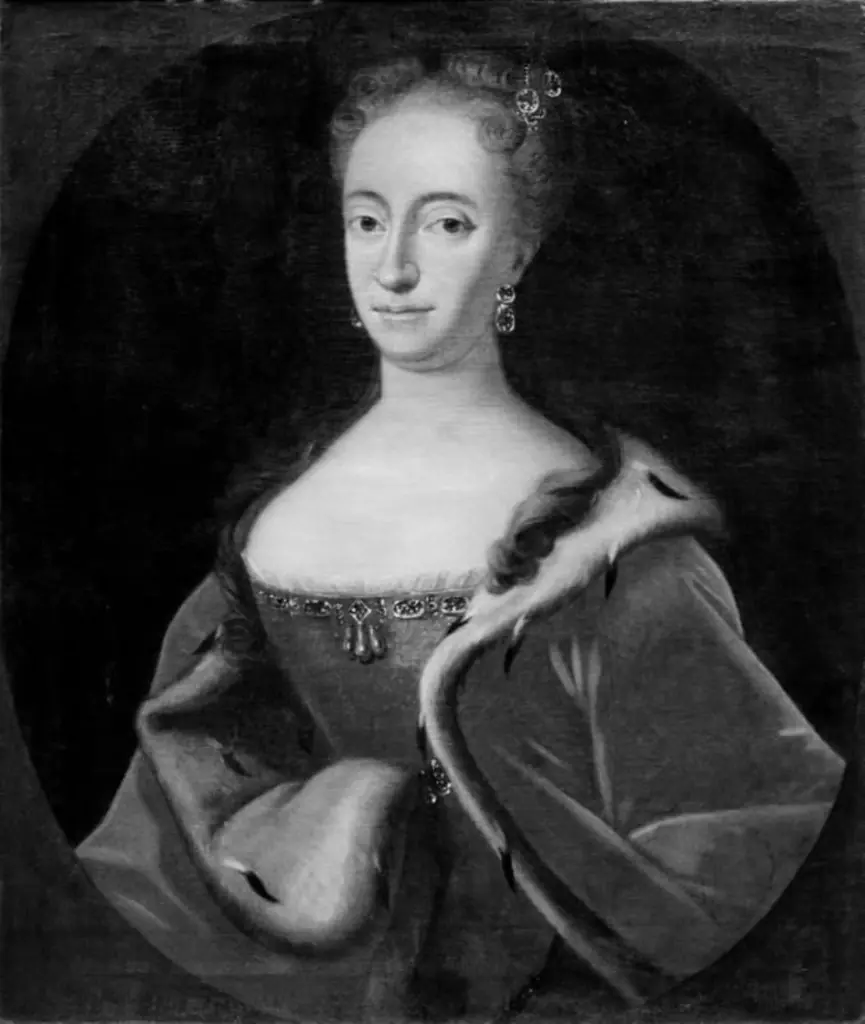 Prinsesse Sofie Hedevig ?
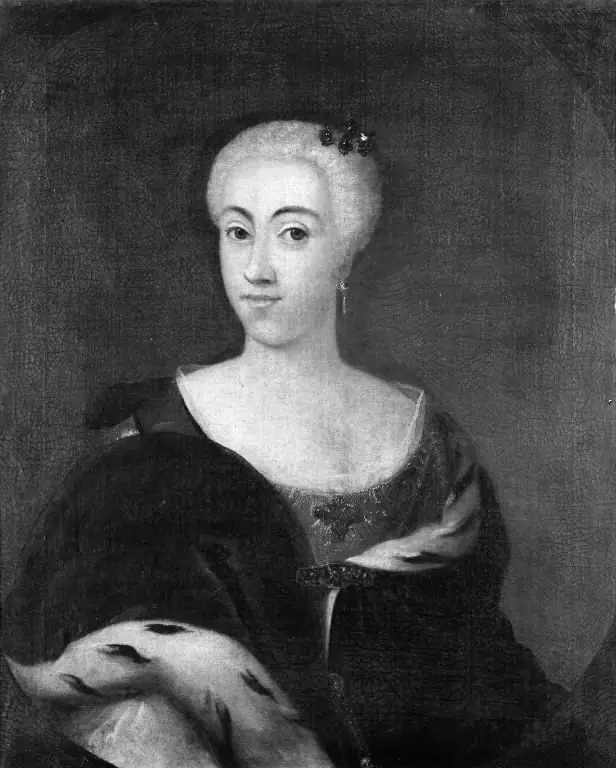 Portrait of a Lady
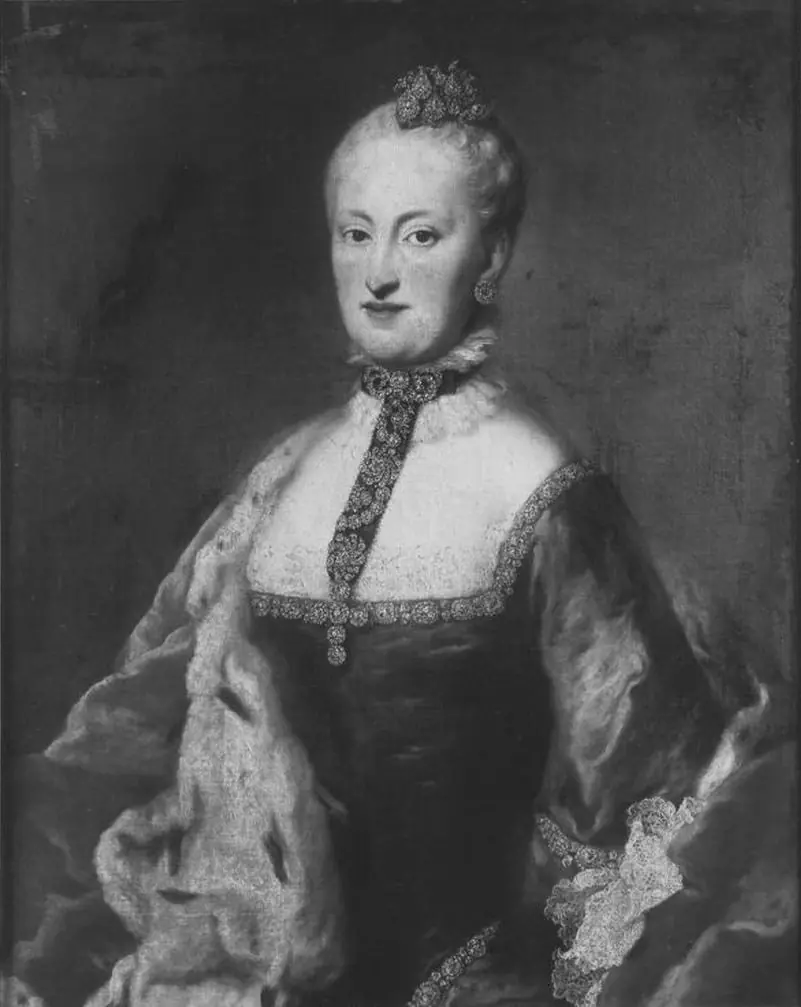 So-called portrait of Maria Anna Sophia of Saxony (1728–1797)
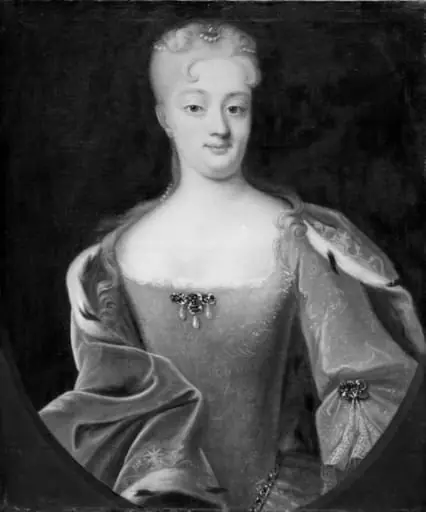 Dronning Sophie Magdalene
 Portræt af fru Adelgunde Elisabeth Amalia von Scholten
 Kaiserin Maria Amalia, Gemahlin Kaiser Karls VII.
 Portrait of a Lady