Artwork
Dronning Sophie Magdalene
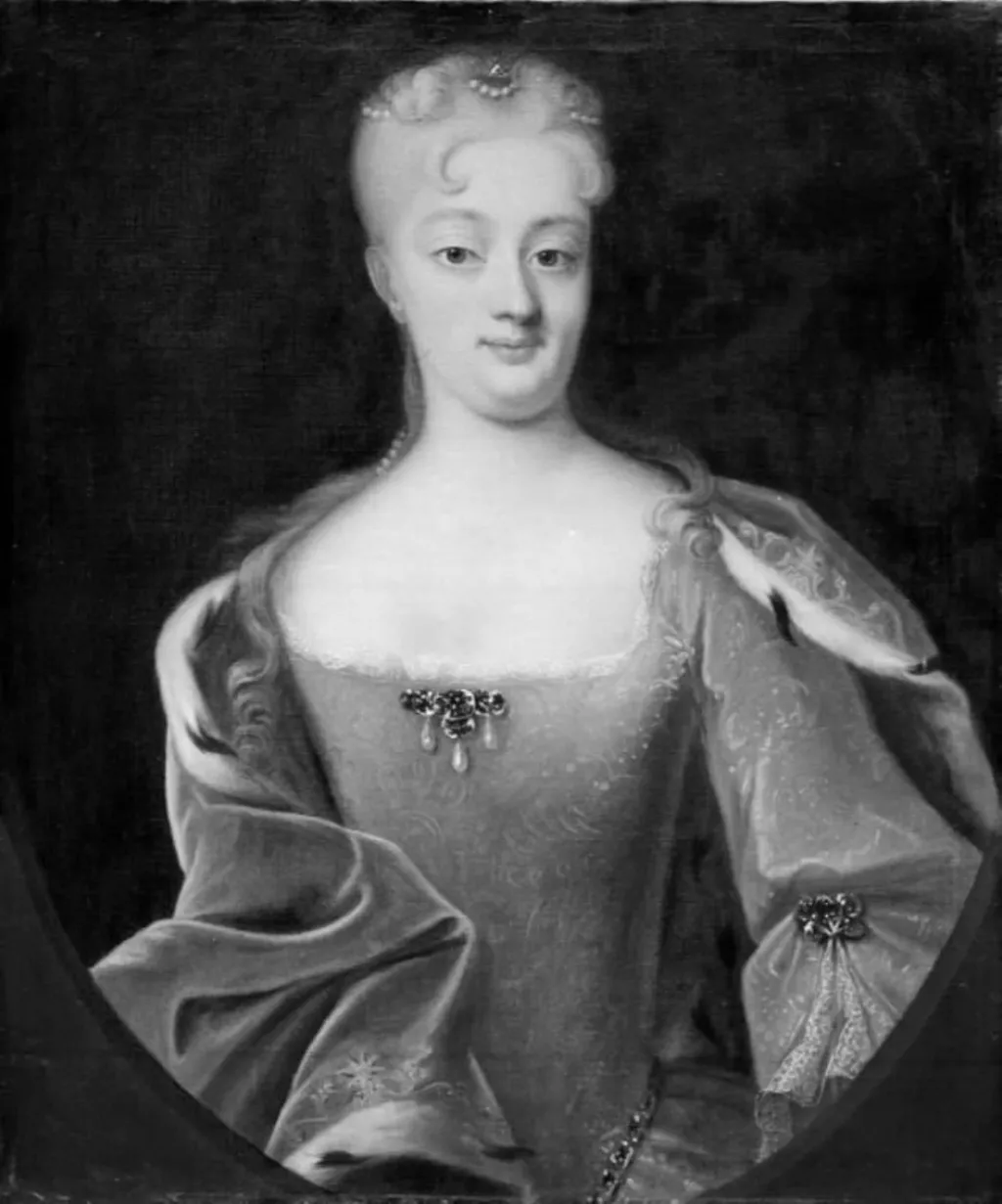
Dronning Sophie Magdalene is a photography by Unknown. It dates from 1750 and is held in the collection of the Statens Museum for Kunst. This portrait, attributed to an artist active in the mid-18th century, depicts a woman of elevated social standing.
About this work
Overview
The composition centers on the sitter’s likeness, framed by elaborate attire that signals courtly or aristocratic affiliation.
This portrait, attributed to an artist active in the mid-18th century, depicts a woman of elevated social standing. Rendered in a medium not specified in surviving records, the work resides in the Museum of Ethnography. The composition centers on the sitter’s likeness, framed by elaborate attire that signals courtly or aristocratic affiliation. The absence of color in the reproduction underscores the interplay of textures and forms.
Subject & Meaning
The sitter is identified as Queen Sophie Magdalene, though the exact circumstances of the commission remain undocumented. Her pose and costume—low neckline, lace sleeves, and brooch—reflect conventions of royal portraiture, emphasizing both personal dignity and dynastic authority. The restrained expression and orderly hairstyle reinforce ideals of decorum associated with female nobility during this period.
Technique & Style
The image employs a controlled, even illumination that minimizes dramatic contrasts, diverging from the chiaroscuro techniques favored in earlier Baroque portraiture. Delicate details in the lace and fabric are rendered with precision, suggesting a meticulous approach to surface realism. The dark background isolates the figure, directing attention to the intricate craftsmanship of her garments and the subtleties of her features.
History & Provenance
Created around 1750, the portrait’s early ownership history is unclear. Its current location in the Museum of Ethnography suggests a later acquisition, possibly through colonial or diplomatic channels. The work’s survival as a photographic reproduction complicates efforts to trace its original format or intended display context, though it likely served as a formal record of royal identity.
Context
During the mid-18th century, royal portraits functioned as tools of political representation, reinforcing the legitimacy of monarchs and their courts. Sophie Magdalene’s attire aligns with European fashions of the era, where sumptuous fabrics and jewelry conveyed wealth and power. The portrait’s restrained aesthetic may reflect Enlightenment-era shifts toward clarity and order in visual culture.
Artist & collection

 Domestic Scene
 Giacomo and Cardinal Marco, investing Andrea, Abbot of San Zeno, with his Benefice
 The Nymph of Fontainebleau
 Portrait of a Woman
 Madonna and Child with Saints in the Enclosed Garden
 Venus and Minerva
 Family Group of Four on Sofa
 Wall painting from Room H of the Villa of P. Fannius Synistor at Boscoreale
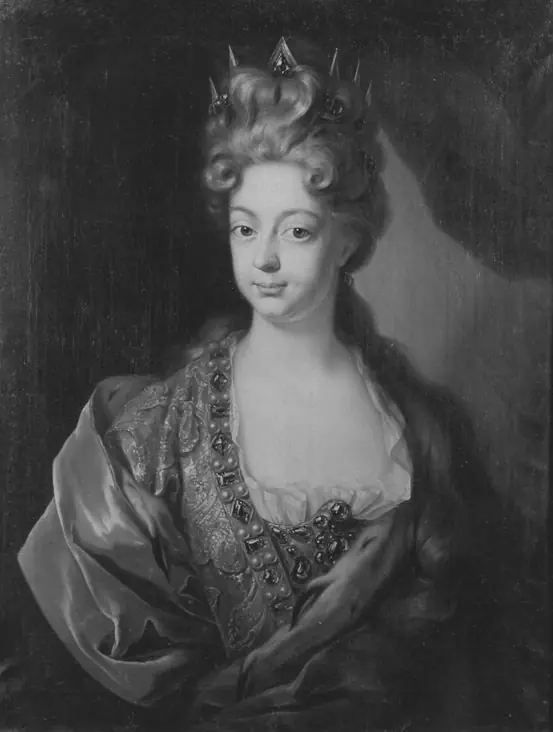 Portrait of Wilhelmine Amalie of Braunschweig-Lüneburg
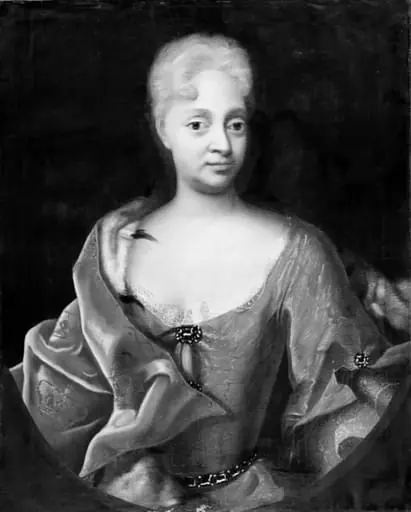 Dronning Louise, Frederik IV's første dronning
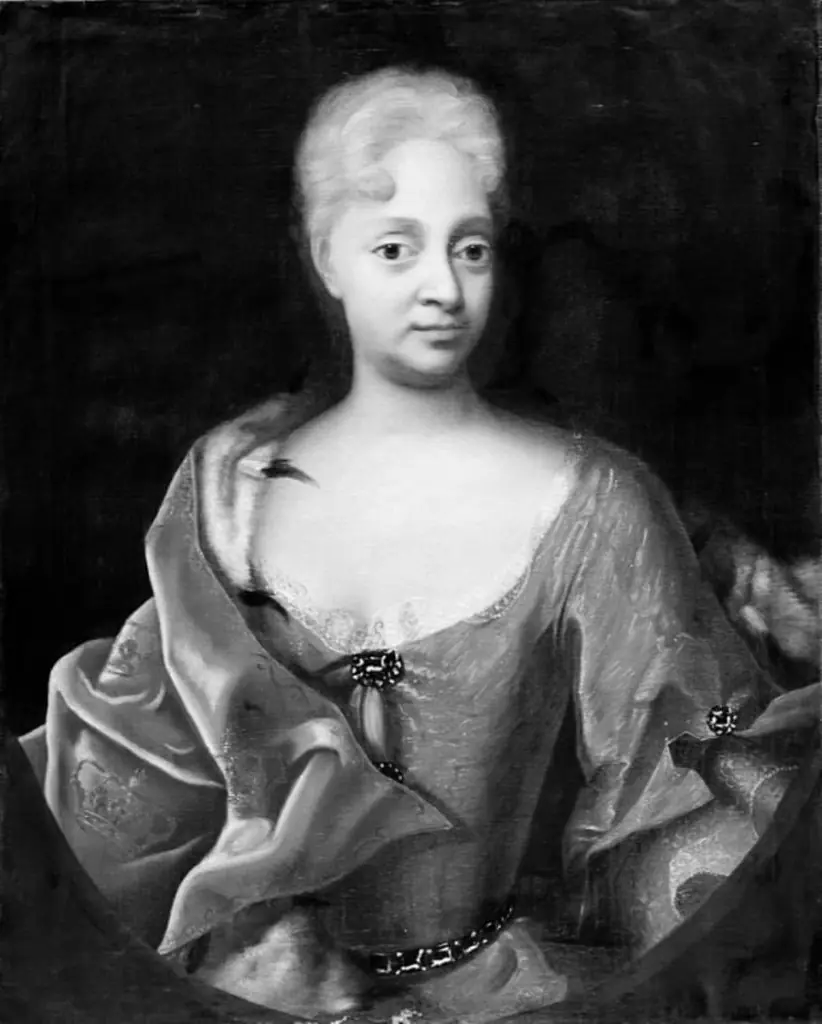 Dronning Louise, Frederik IV's første dronning
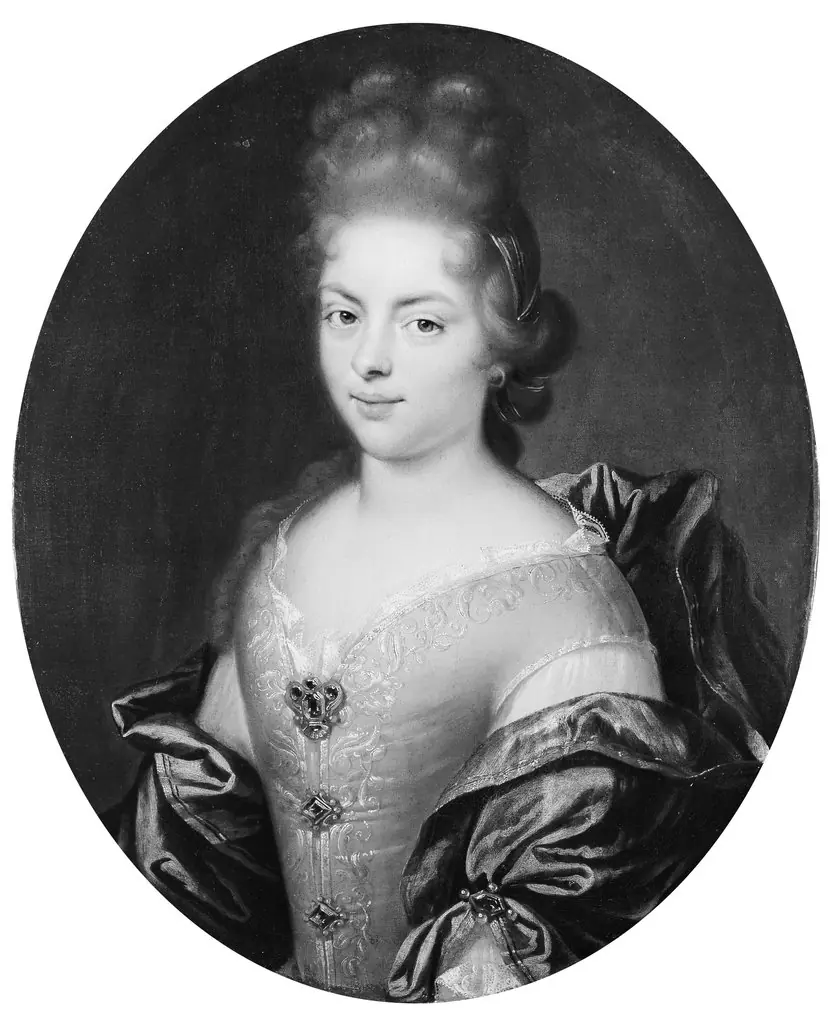 Portrait of a Woman in a Rose Dress
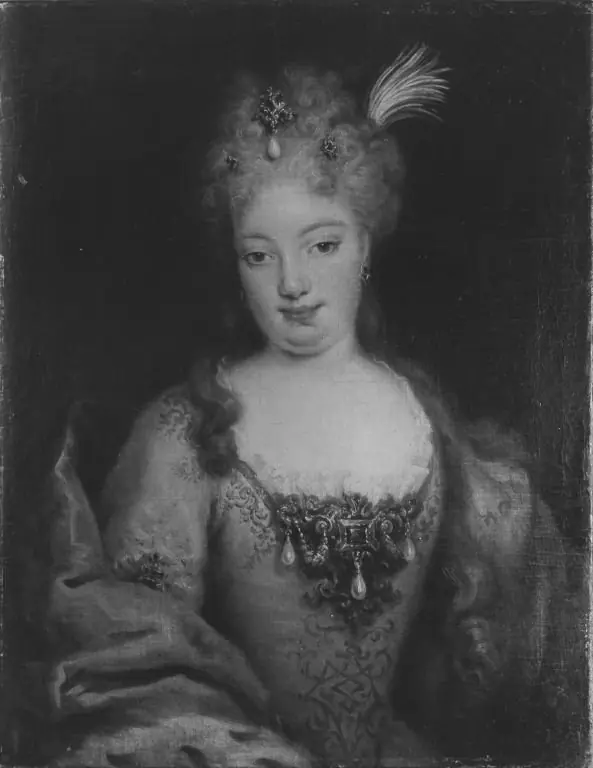 Bildnis einer Fürstin
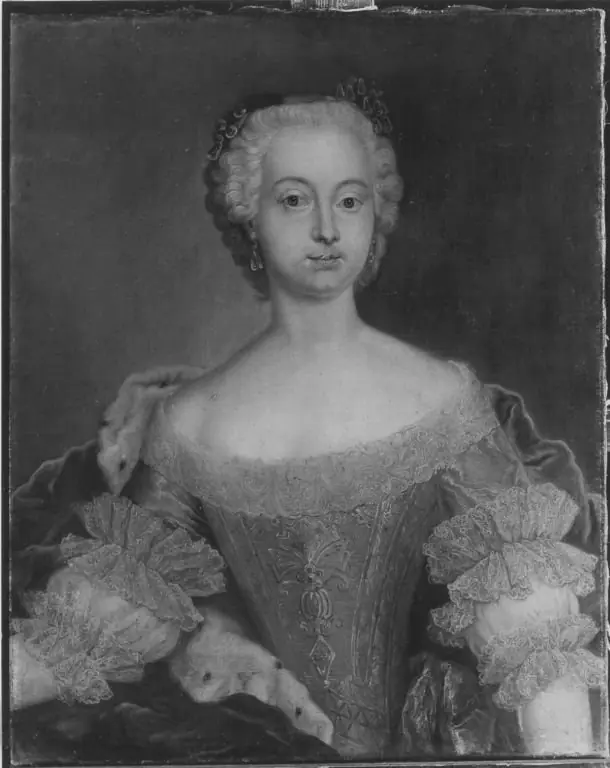 Bildnis einer Fürstin
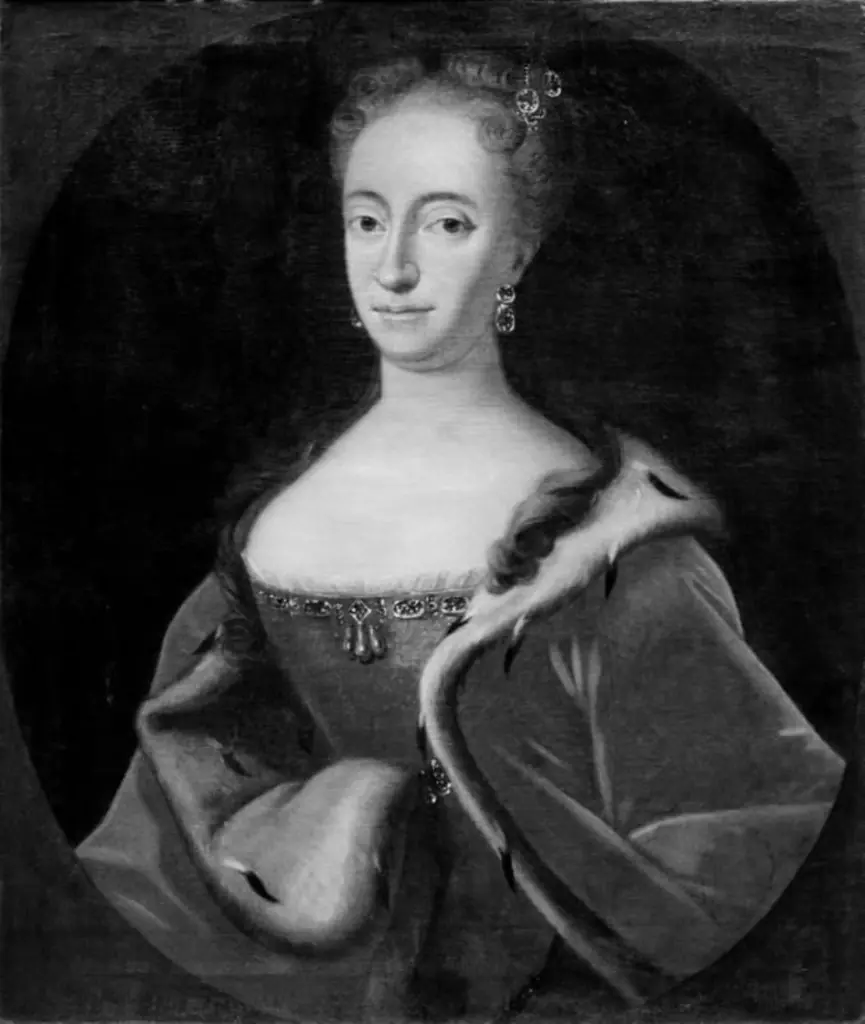 Prinsesse Sofie Hedevig ?
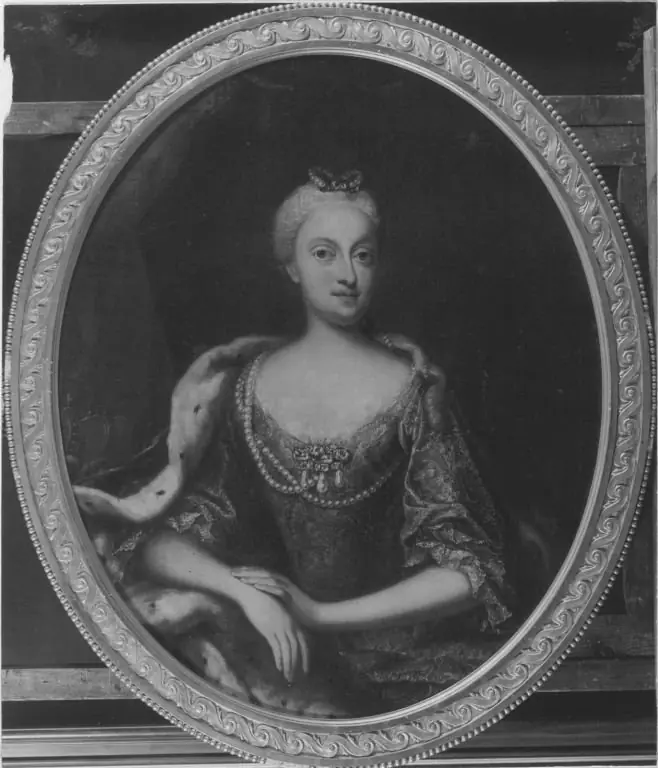 Kaiserin Maria Amalia, Gemahlin Kaiser Karls VII.
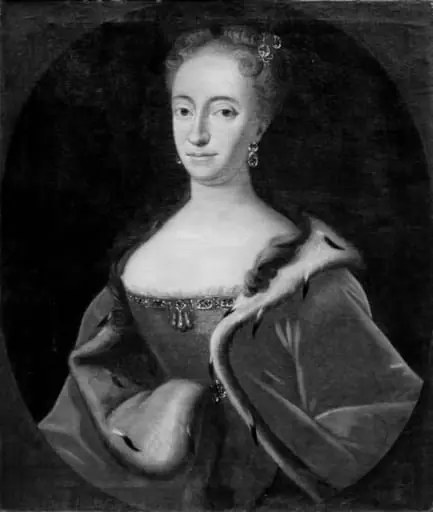 Prinsesse Sofie Hedevig ?
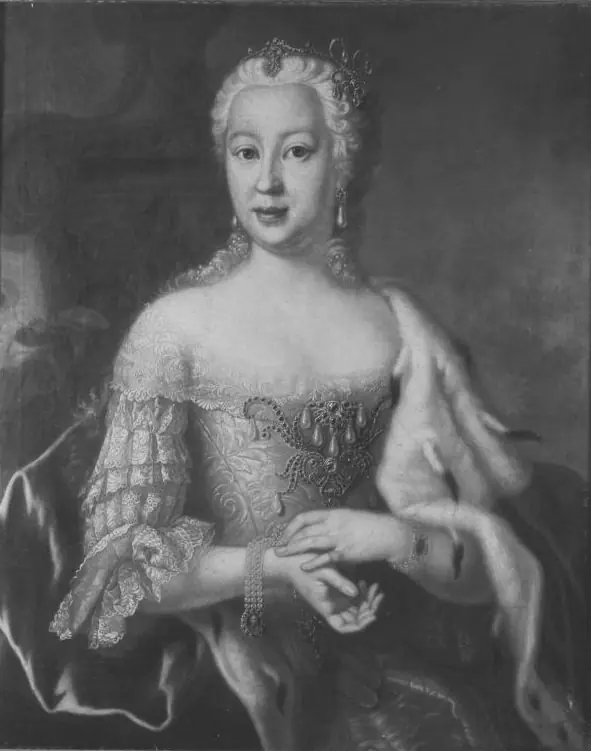 Maria Anna of Sulzbach (1722-1790)