Artwork
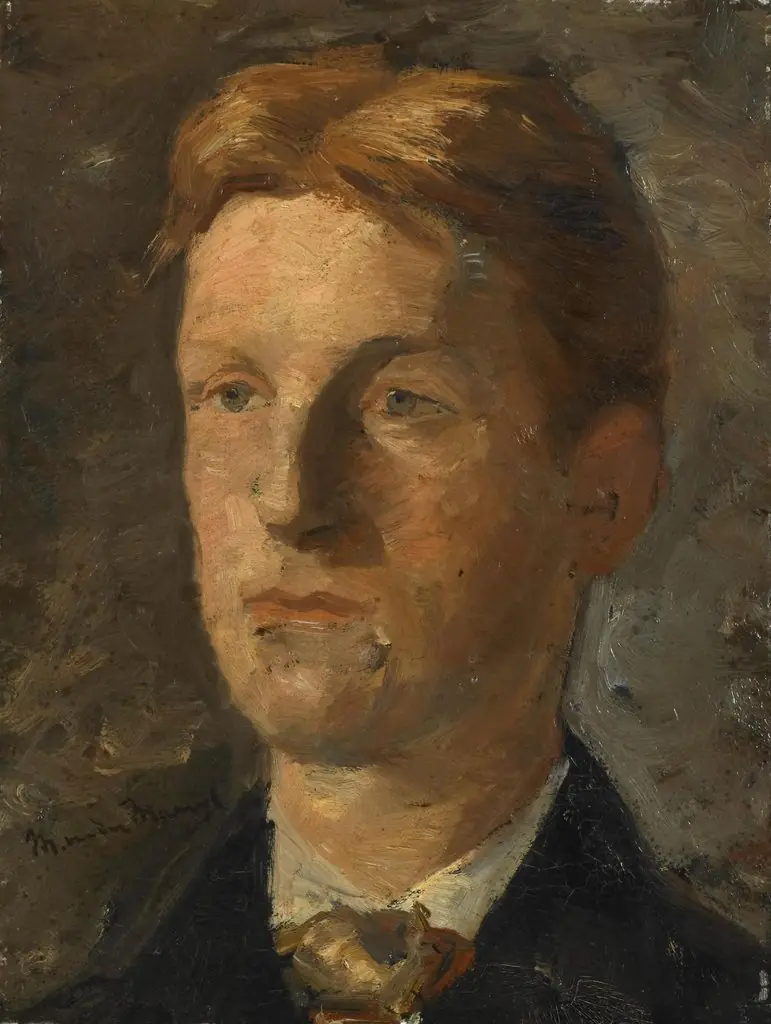
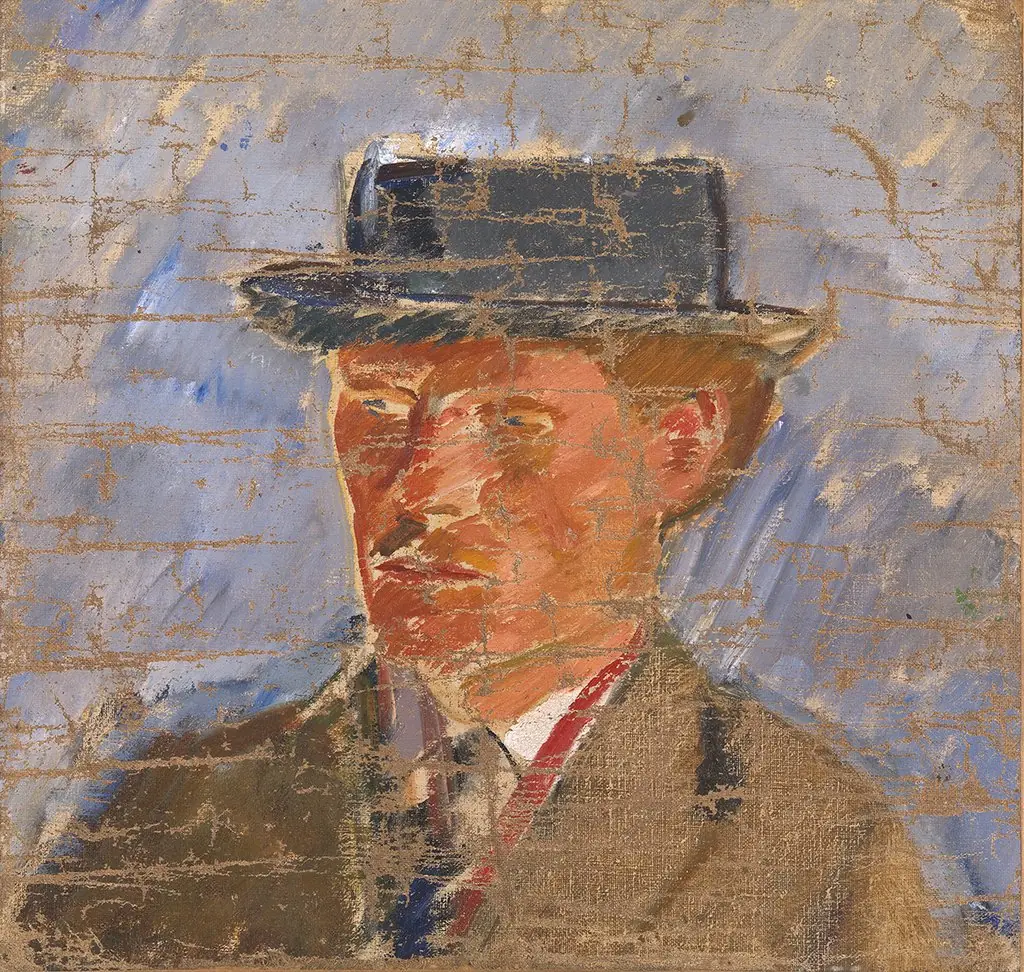
Portrait of the Painter Edvard Weie
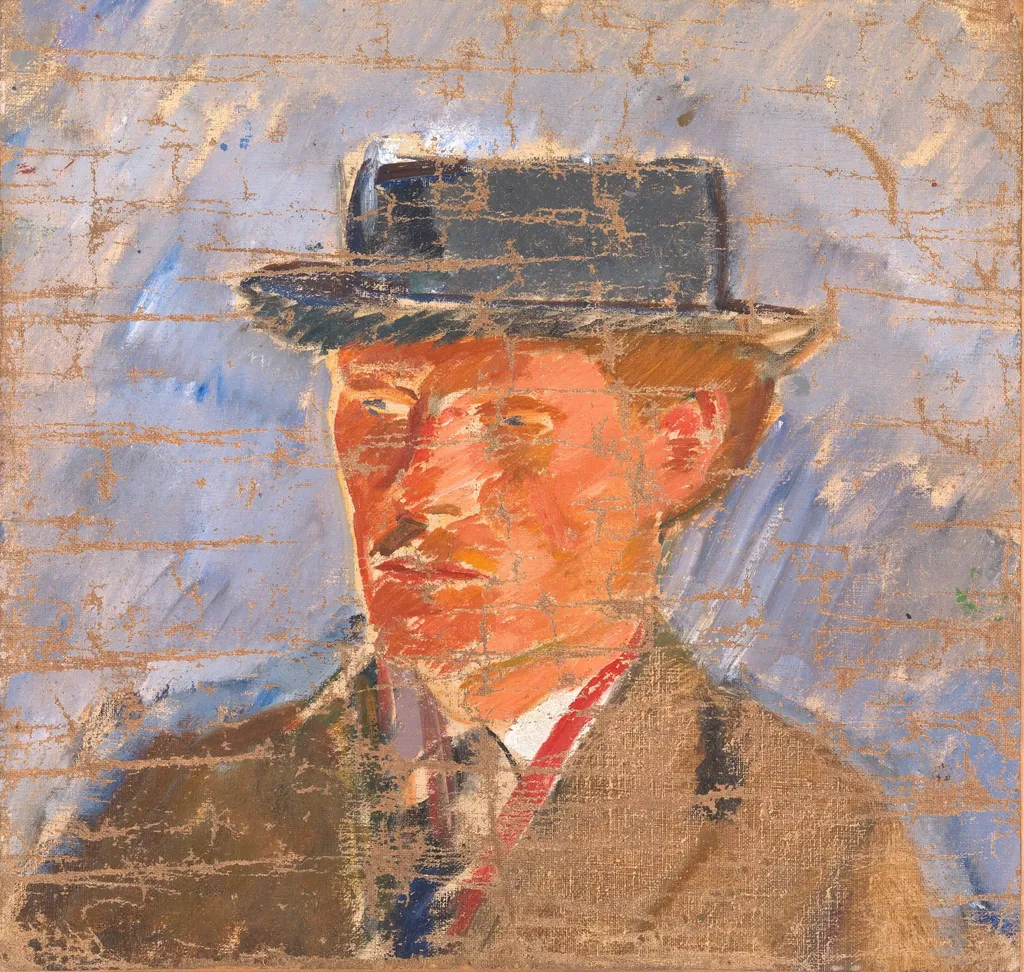
Portrait of the Painter Edvard Weie is an unspecified painting by Unknown. It dates from 1850 and is held in the collection of the Statens Museum for Kunst. This portrait depicts the Danish painter Edvard Weie, likely painted around 1850.
About this work
Overview
This portrait depicts the Danish painter Edvard Weie, likely painted around 1850. Executed in oil, it emphasizes surface texture over precise likeness. The work is held in the collection of the Museum of Ethnography, though its origins as a portrait of a known artist remain uncommon in that institution’s holdings.
Subject & Meaning
The subject is identified as Edvard Weie, a painter associated with Danish realism. The portrait avoids idealization, presenting him with a worn hat and ambiguous expression. The focus on materiality—fabric, skin, wall—suggests an interest in the physical presence of the individual rather than social status or psychological depth.
Technique & Style
Thick, irregular brushwork applies pigment in a scraped, almost sculptural manner. The skin appears in unnatural orange tones, while the hat and background are rendered with coarse, tactile strokes. Blurring around the face contrasts with the sharply defined textures of the hat’s creases and the wall’s rough surface, prioritizing material sensation over anatomical accuracy.
History & Provenance
The painting entered the Museum of Ethnography’s collection in the late 19th or early 20th century, though its provenance prior to that is undocumented. Its classification within an ethnographic context, rather than a fine arts one, raises questions about its original reception and how its artistic intent was interpreted by later collectors.
Context
Painted during a period when Danish art was shifting toward realism and naturalism, this portrait diverges from academic conventions. Its raw handling aligns more with emerging interest in everyday textures and unpolished surfaces, foreshadowing later movements that valued expressive brushwork over refined finish.
Legacy
Though not widely exhibited, the portrait’s unconventional technique has drawn attention from scholars studying non-traditional portraiture in 19th-century Denmark. Its use of impasto-like application and chromatic dissonance anticipates modernist experiments, though it remains an isolated example within the artist’s known oeuvre.
Artist & collection

 Domestic Scene
 Giacomo and Cardinal Marco, investing Andrea, Abbot of San Zeno, with his Benefice
 The Nymph of Fontainebleau
 Portrait of a Woman
 Madonna and Child with Saints in the Enclosed Garden
 Venus and Minerva
 Family Group of Four on Sofa
 Wall painting from Room H of the Villa of P. Fannius Synistor at Boscoreale
 Self-Portrait in Hat and Coat
 Self-Portrait with Hat
 Self-Portrait
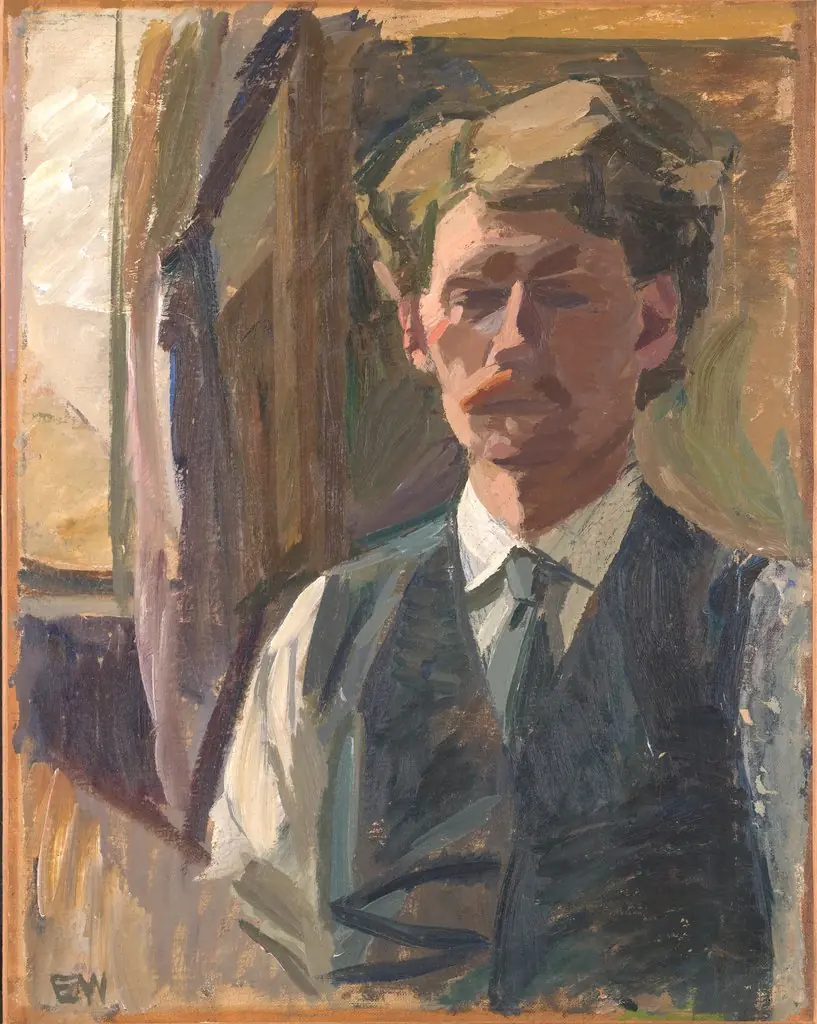 Self-Portrait
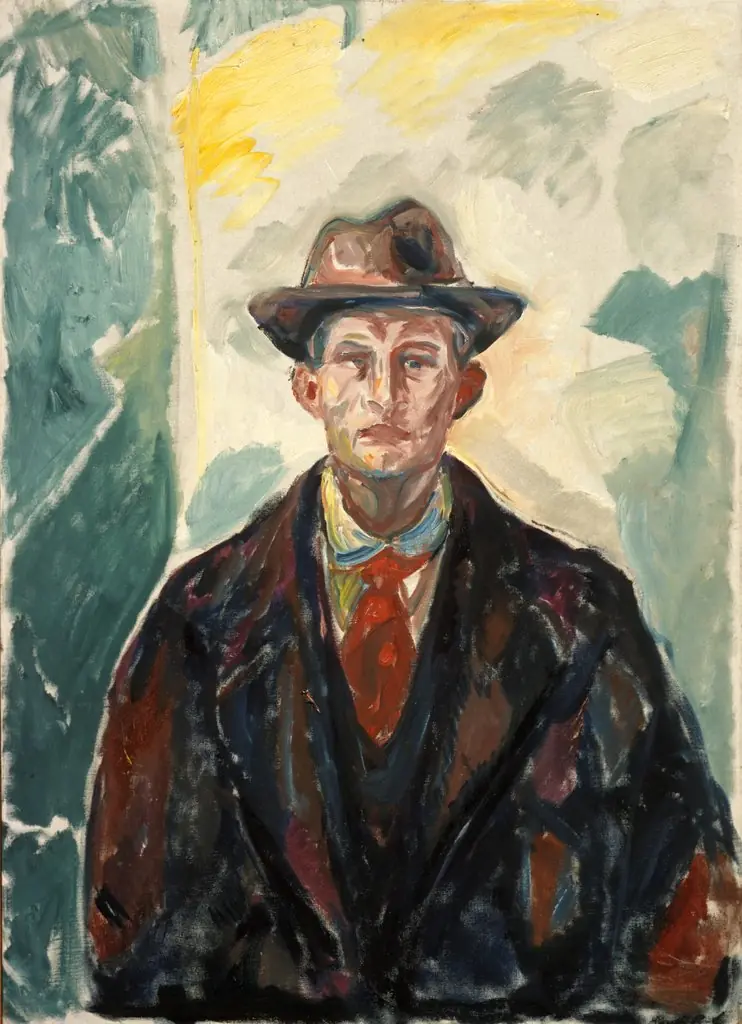 Self-Portrait with Hat and Red Tie
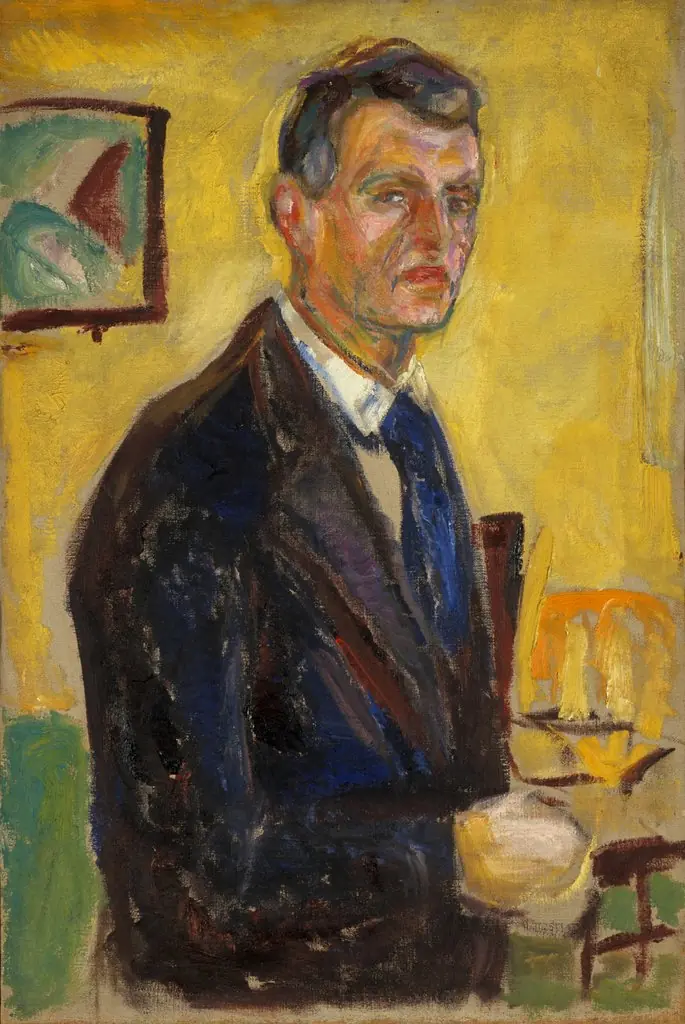 Self-Portrait against Yellow Background
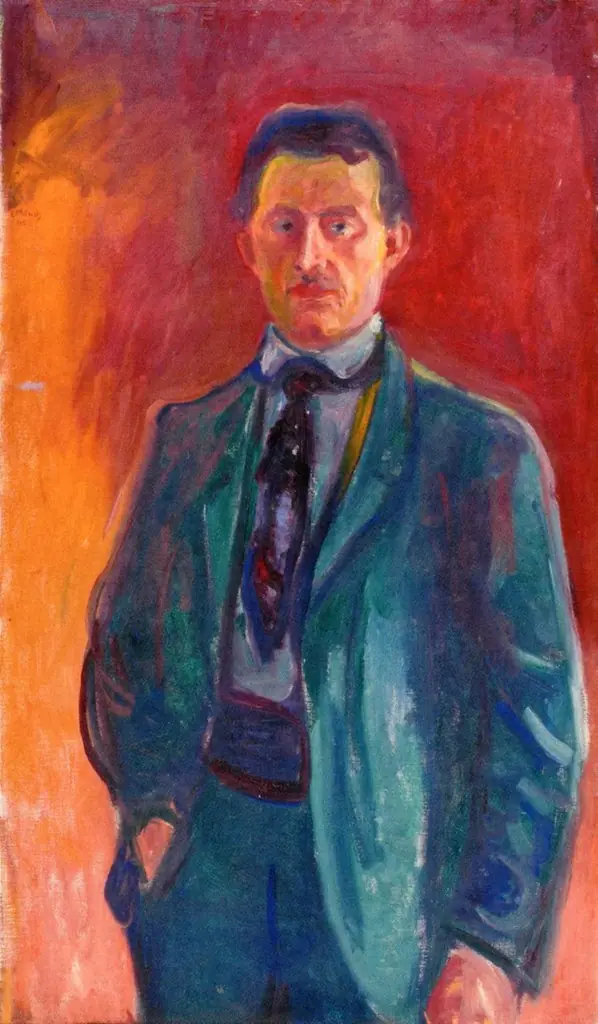 Self-Portrait against Red Background
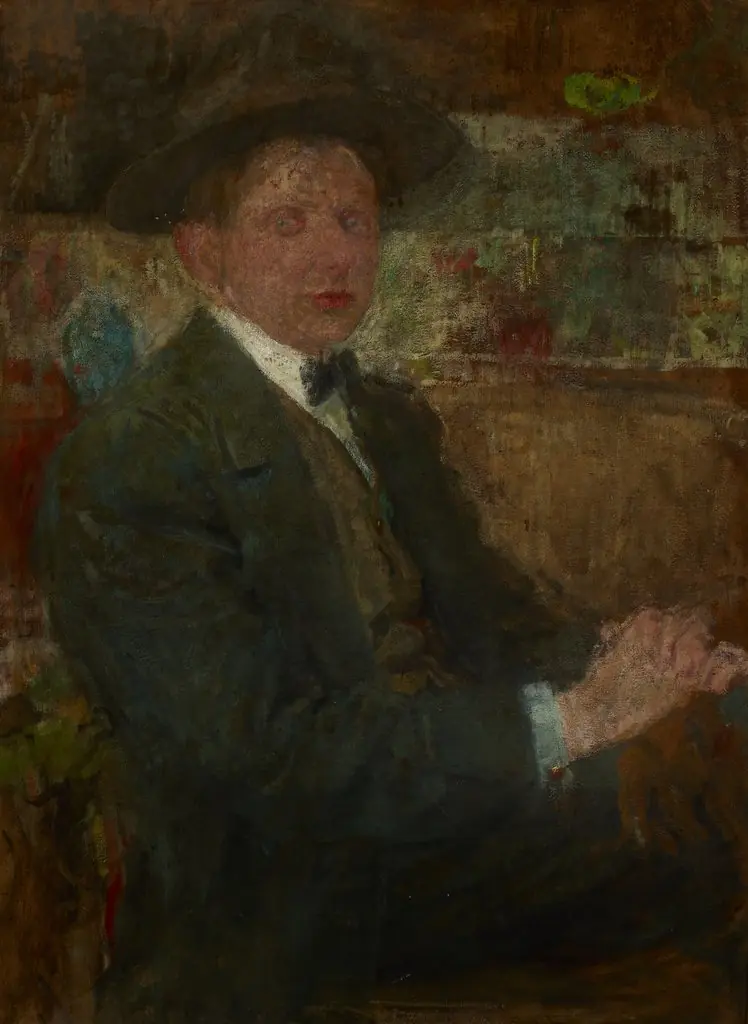 Portrait of a Man in a Hat
 Adriaan Pit (1860-1944). Director of the Dutch Museum for Art and History in Amsterdam
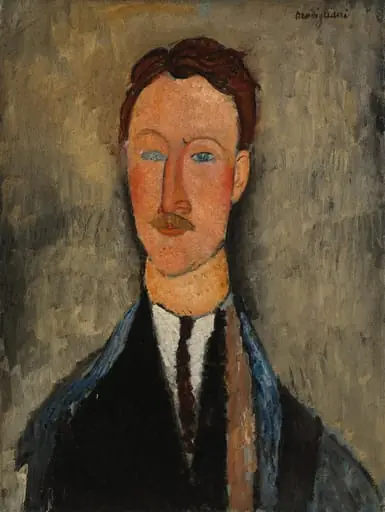 Taidemaalari Léopold Survagen muotokuva
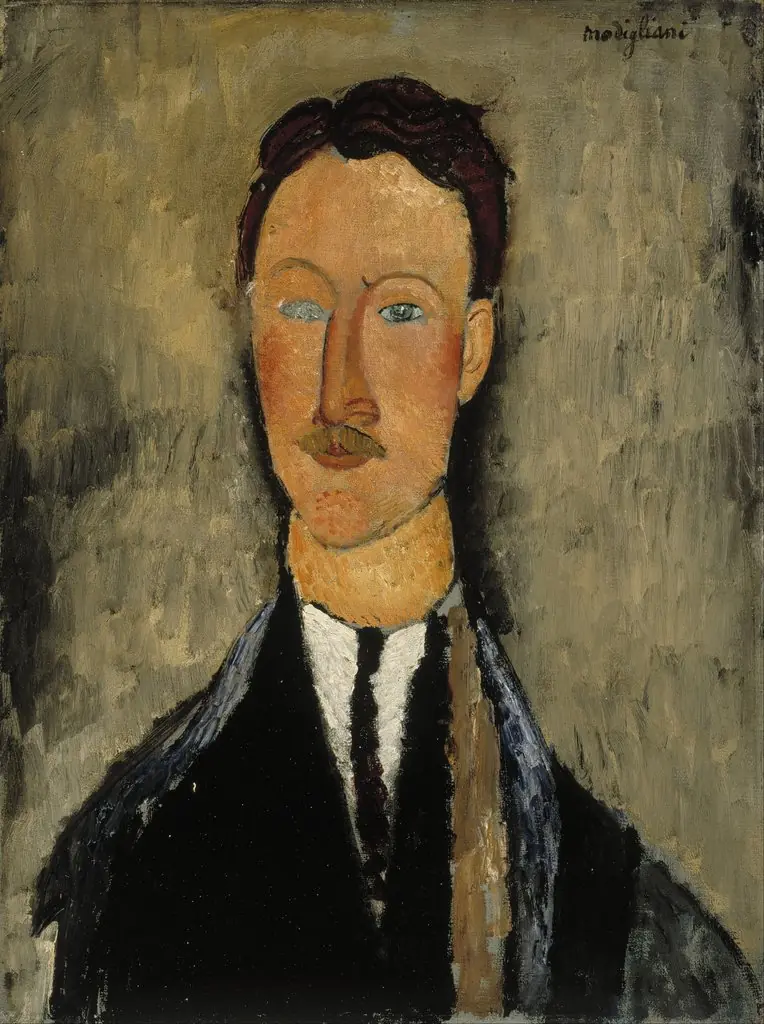 Portrait of the Artist Léopold Survage
 Portrait of the Painter Edvard Weie