Artwork
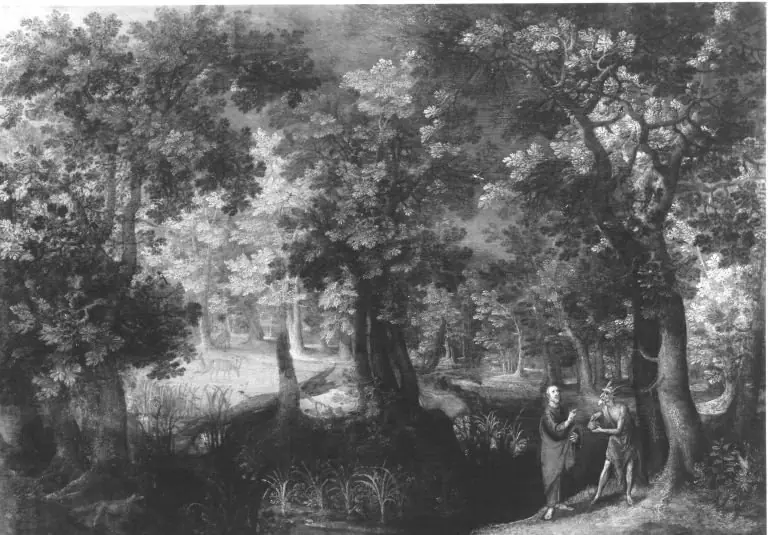
Wooded landscape with Tobias and the angel
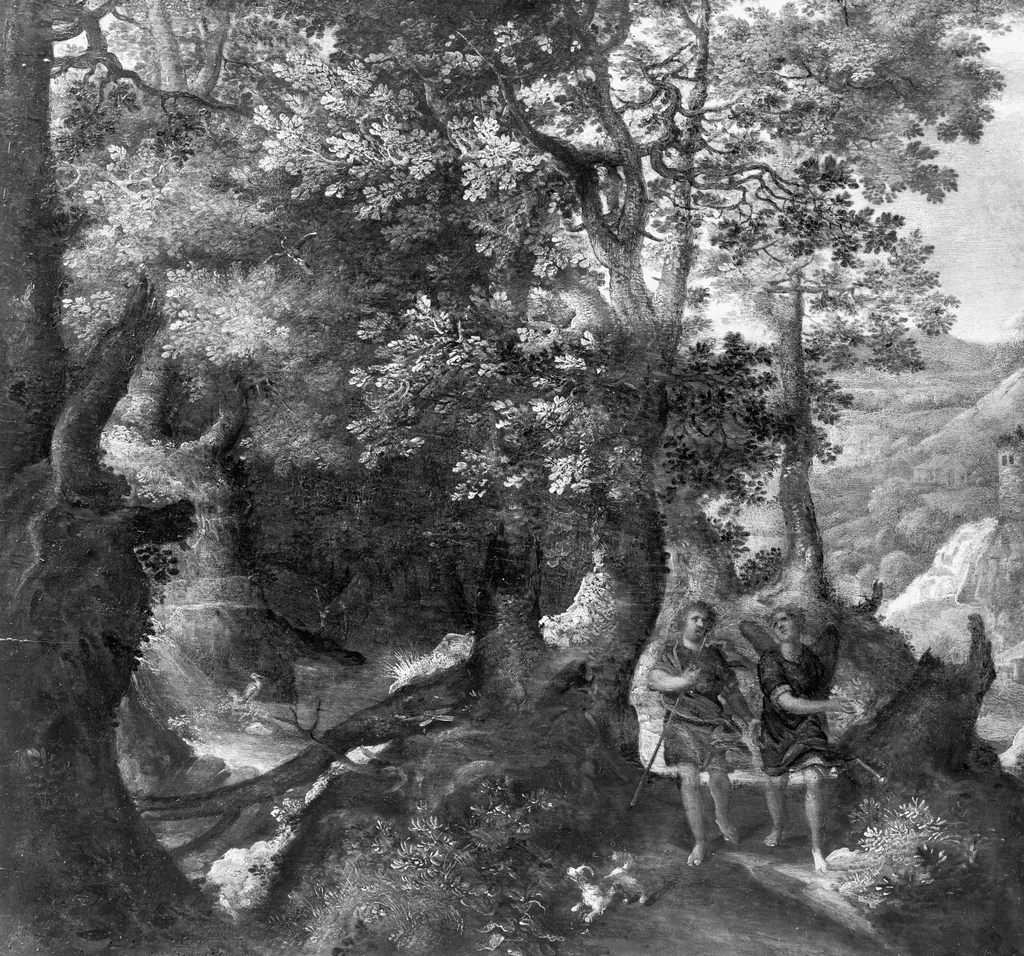
Wooded landscape with Tobias and the angel is a paint painting by the Early Baroque Italian artist Unknown. It dates from 1600 and is held in the collection of the Gemäldegalerie Berlin. This oil painting depicts a quiet forest scene with two figures in the foreground, set against a dense canopy of trees and a soft, open sky.
About this work
Overview
This oil painting depicts a quiet forest scene with two figures in the foreground, set against a dense canopy of trees and a soft, open sky.
This oil painting depicts a quiet forest scene with two figures in the foreground, set against a dense canopy of trees and a soft, open sky. The composition emphasizes natural harmony, with the figures integrated into the landscape rather than dominating it. Warm earth tones in the foliage contrast gently with the pale blue of the sky, creating a calm, contemplative atmosphere. The brushwork is subtle, avoiding dramatic emphasis to preserve the scene’s quietude.
Subject & Meaning
The two figures are traditionally identified as Tobias and the Archangel Raphael, drawn from the biblical Book of Tobit. Tobias carries a staff, a symbol of his journey, while the angel accompanies him as guide and protector. Their presence introduces a spiritual narrative into the natural setting, suggesting divine guidance amid life’s旅途. The forest, neither hostile nor idyllic, becomes a neutral space where human and divine paths intersect.
Technique & Style
The artist employs layered glazes to achieve depth in the foliage, with greens and browns blended to suggest varying light conditions. The sky is rendered with thin, translucent washes, allowing the tree canopy to filter its hue naturally. Figures are painted with restrained detail, their forms softened to blend with the environment. Brushstrokes are deliberate but unobtrusive, prioritizing atmospheric cohesion over individual expression.
History & Provenance
The painting’s early ownership is undocumented, but stylistic analysis suggests it was produced in the Low Countries during the late 16th or early 17th century. It entered a private collection in the 18th century and was later acquired by a European museum in the mid-19th century. No significant alterations or restorations are recorded, preserving its original tonal balance and surface integrity.
Context
This work reflects a trend in Northern Renaissance and early Baroque art where biblical narratives were embedded within detailed natural settings. Rather than focusing on dramatic action, artists of this period favored contemplative scenes that invited quiet reflection. The integration of religious figures into landscapes aligned with devotional practices emphasizing God’s presence in creation.
Legacy
Though not widely exhibited, the painting contributes to the understanding of how religious themes were adapted into landscape traditions in Northern Europe. Its restrained approach influenced later artists who sought to convey spiritual meaning through environment rather than narrative intensity. It remains a quiet example of how faith and nature were visually intertwined in early modern art.
Artist & collection

 Domestic Scene
 Giacomo and Cardinal Marco, investing Andrea, Abbot of San Zeno, with his Benefice
 The Nymph of Fontainebleau
 Portrait of a Woman
 Madonna and Child with Saints in the Enclosed Garden
 Venus and Minerva
 Family Group of Four on Sofa
 Wall painting from Room H of the Villa of P. Fannius Synistor at Boscoreale
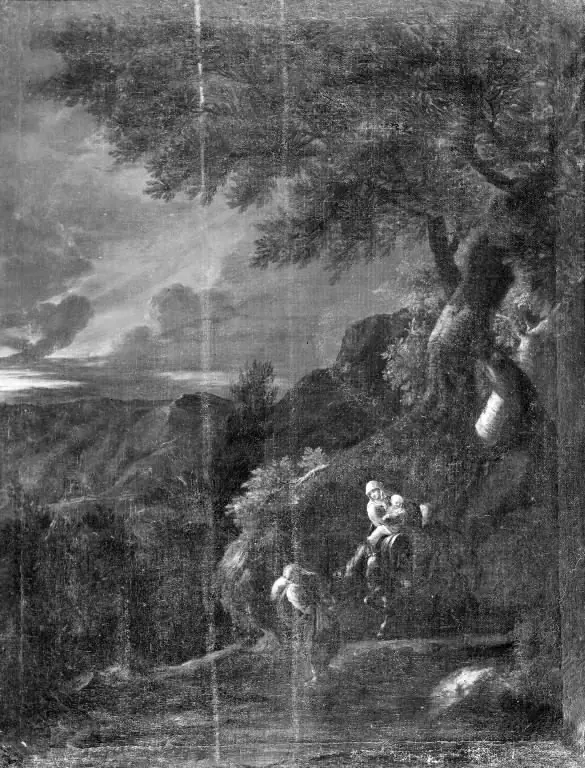 The Flight into Egypt
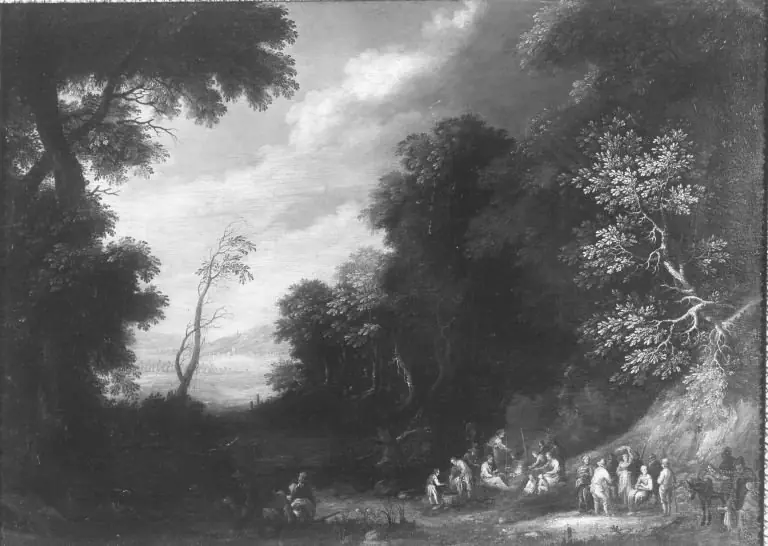 Rast am Waldrand
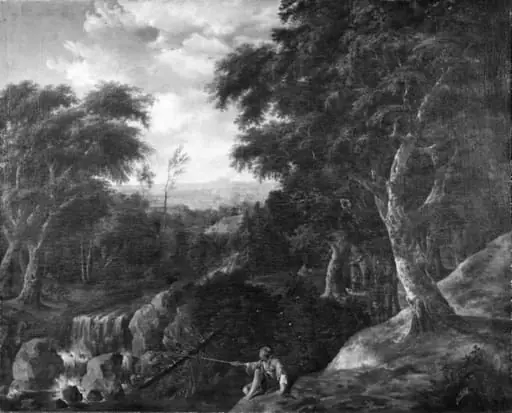 The Angler at the Forest Brook
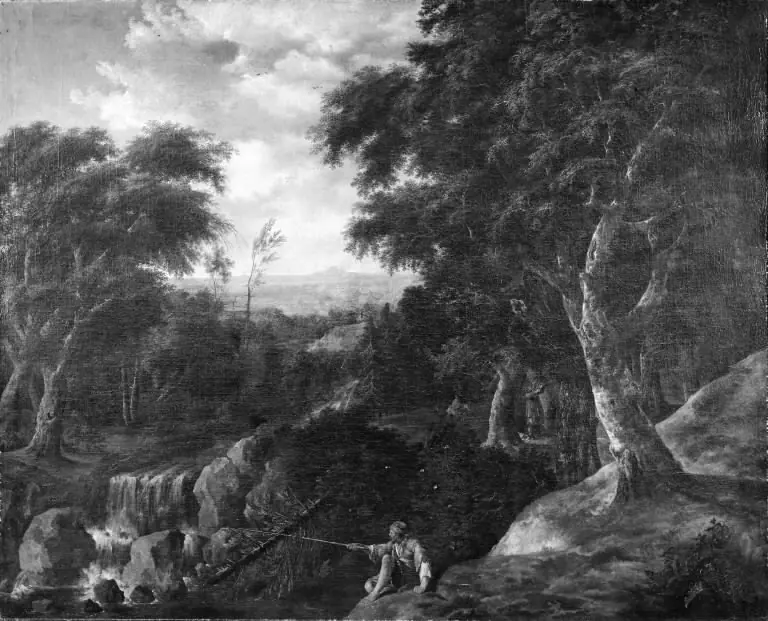 The Angler at the Forest Brook
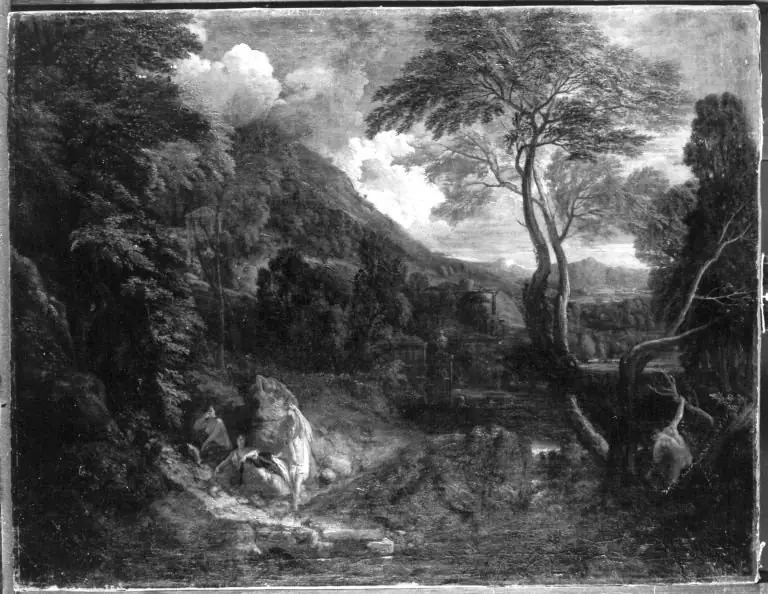 Italienische Ideallandschaft
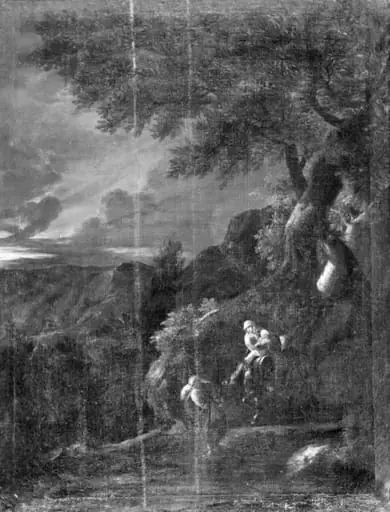 The Flight into Egypt
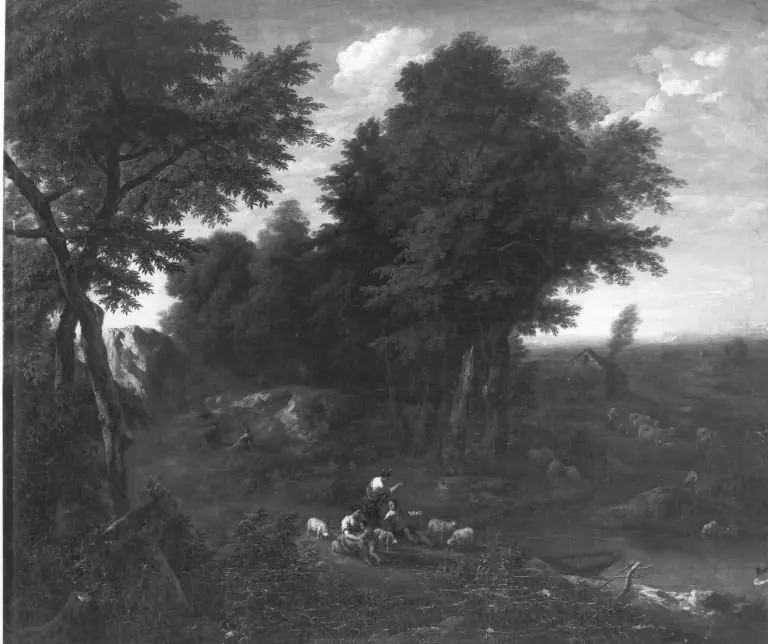 Waldlandschaft
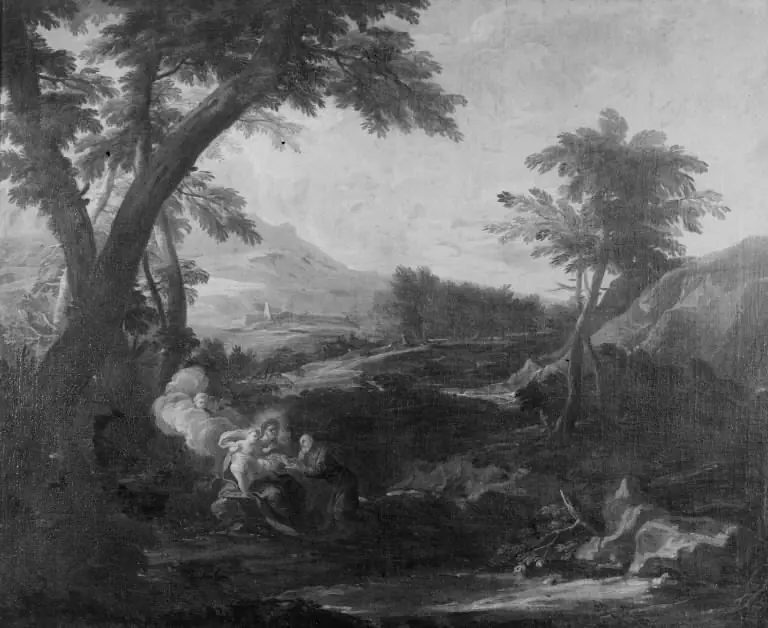 The Rest on the Flight into Egypt
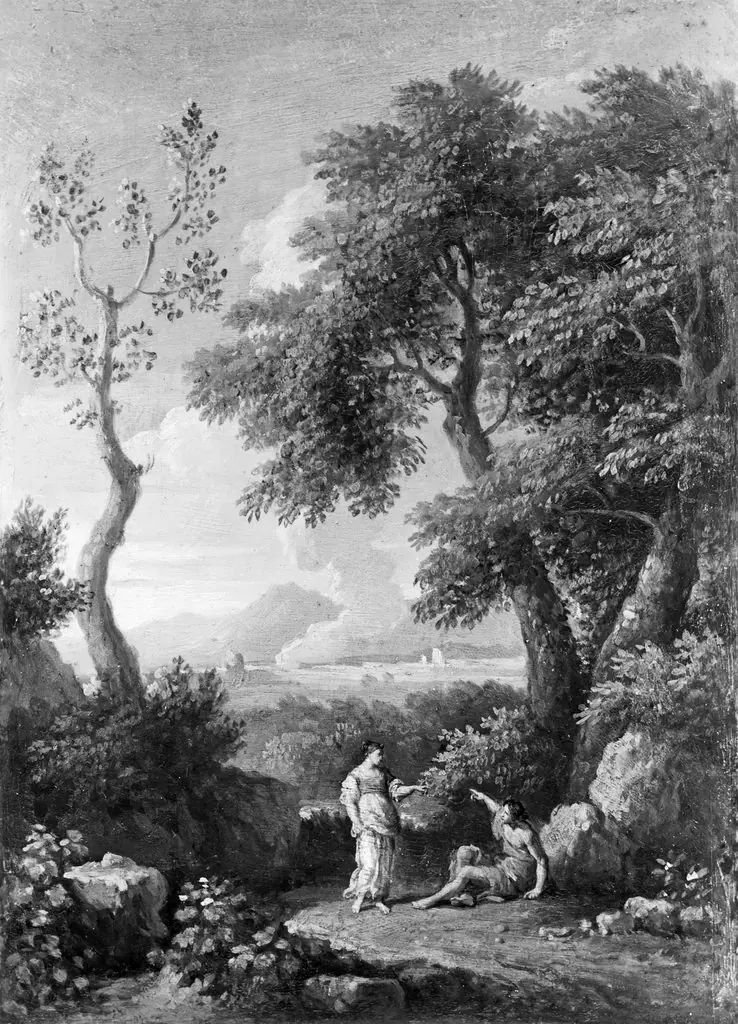 Landscape of the Roman "Compagna"
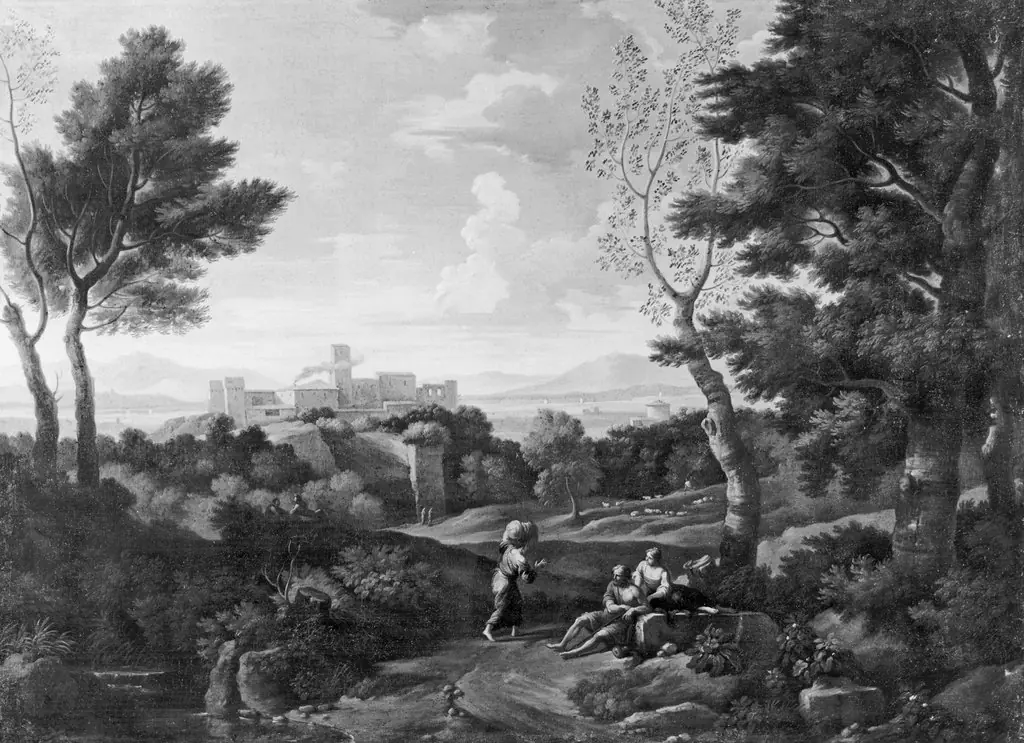 Imaginary View of the Roman "Campagna"
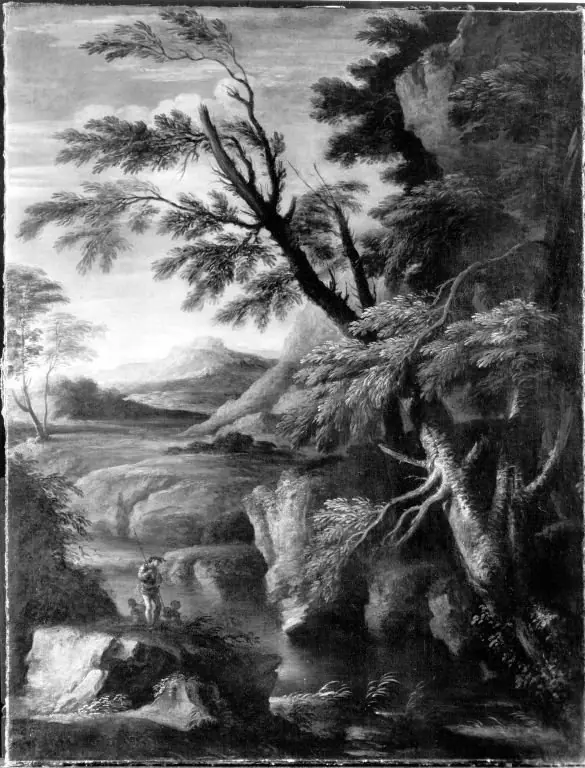 Landschaft mit Kriegern
 Wooded landscape with the temptation of Christ (Matthew 4: 3-10, Mark 1: 12-13; Luke 4: 1-13)