Artwork
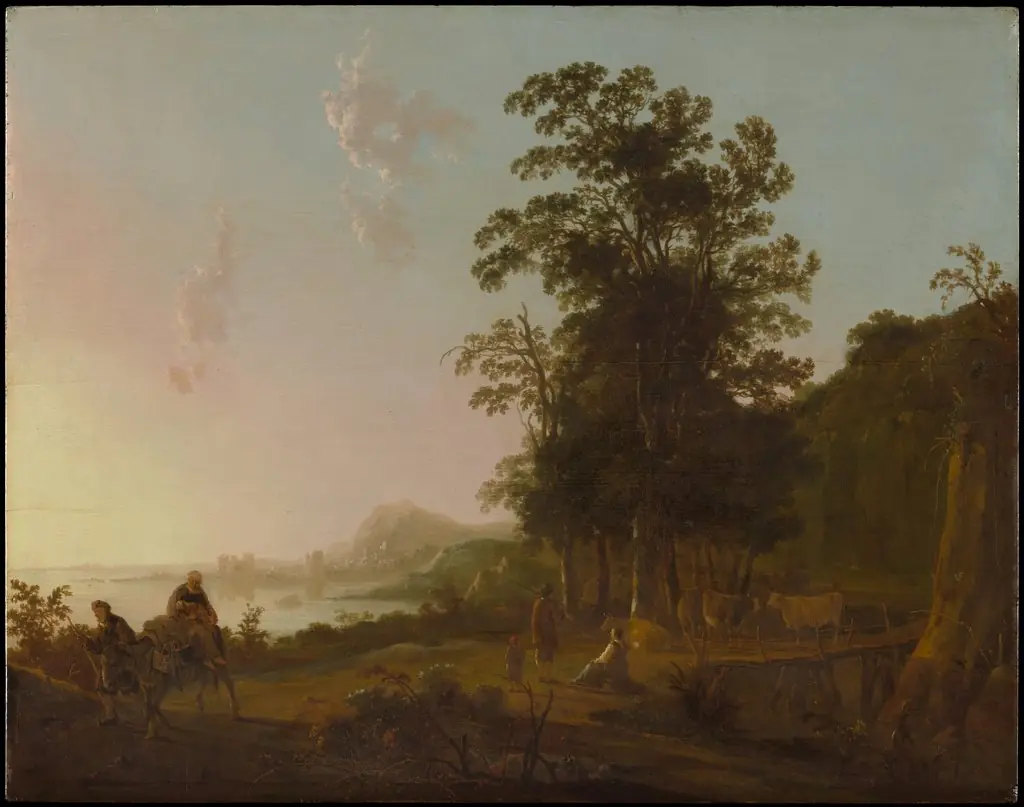
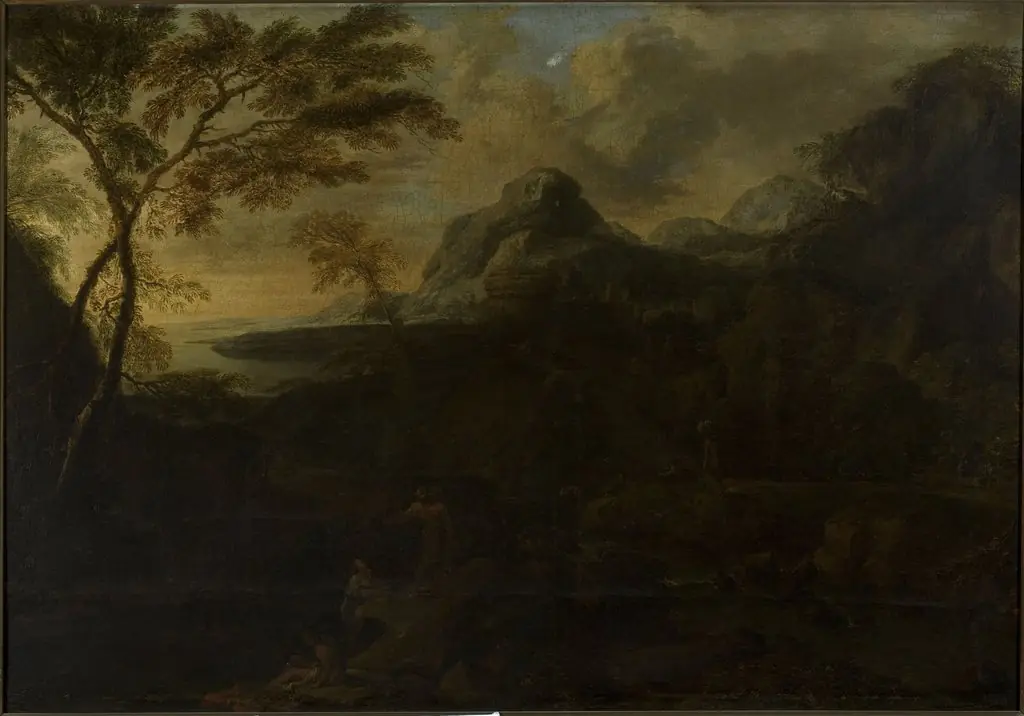
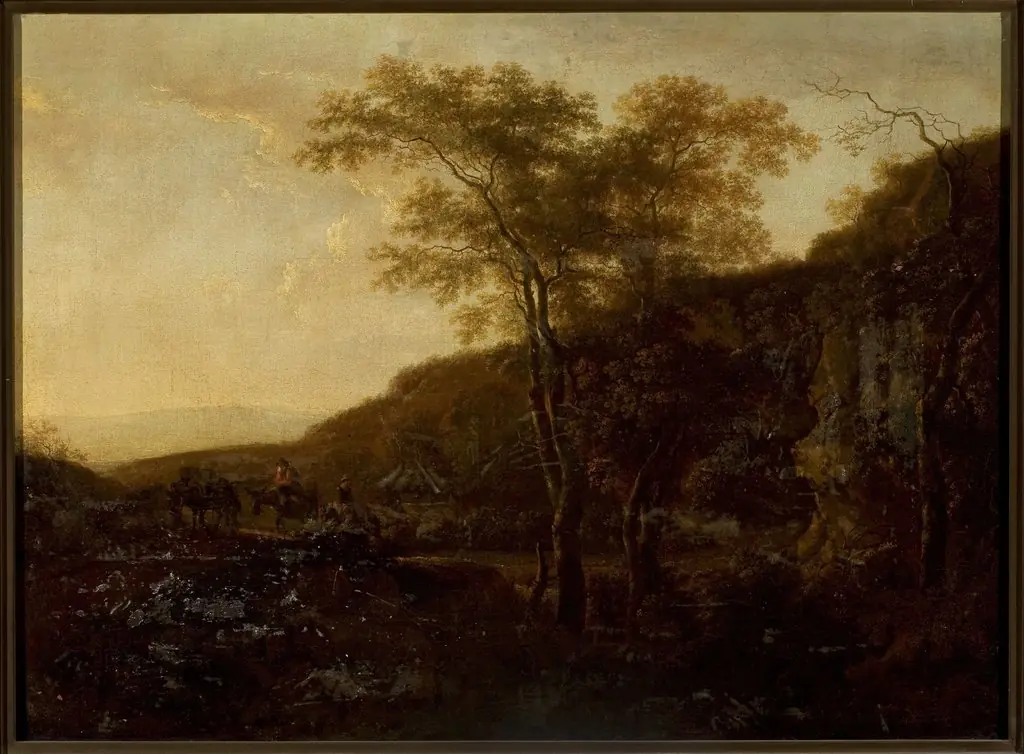
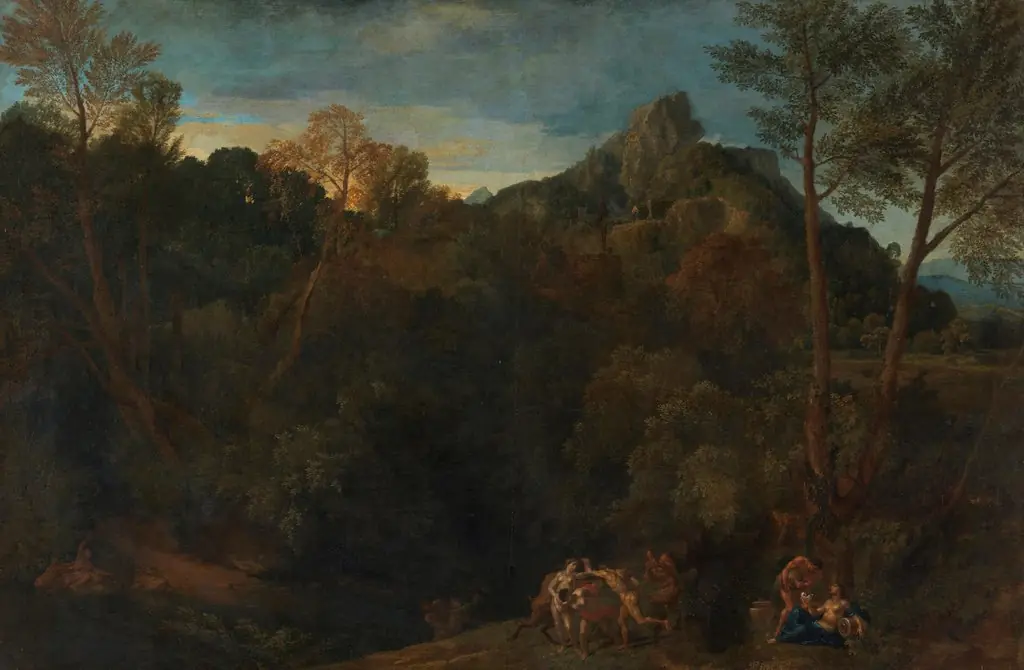
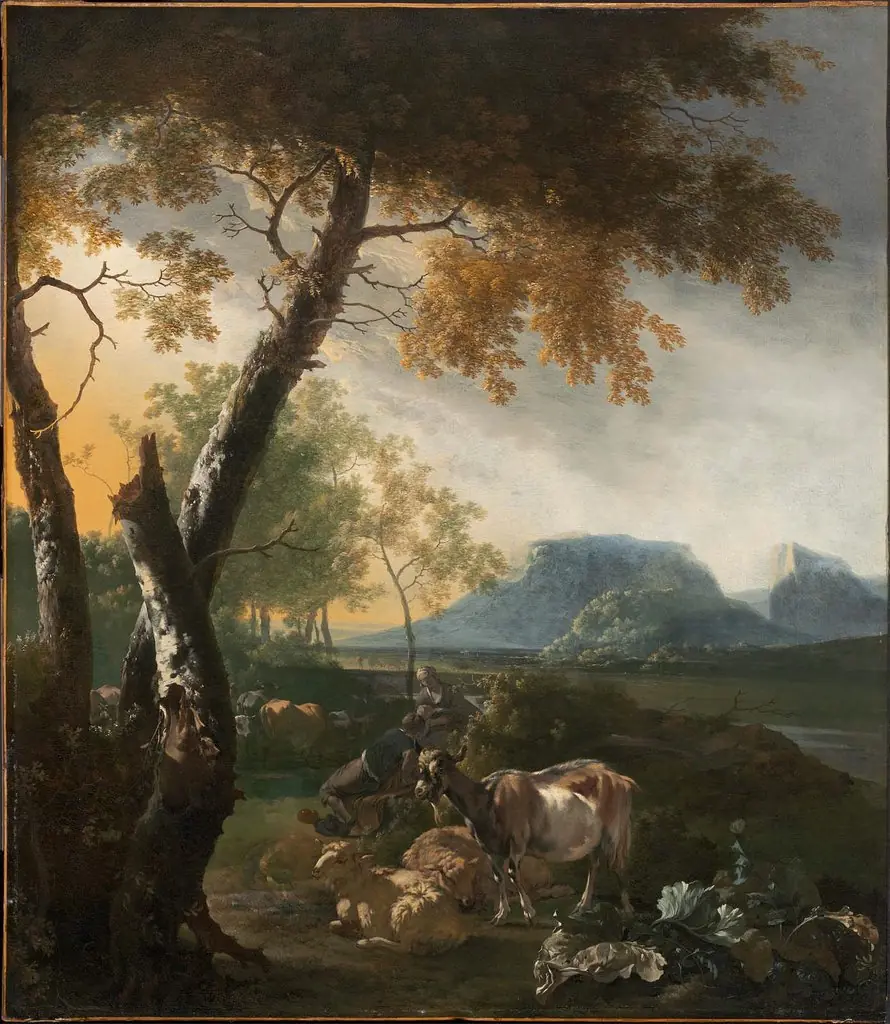
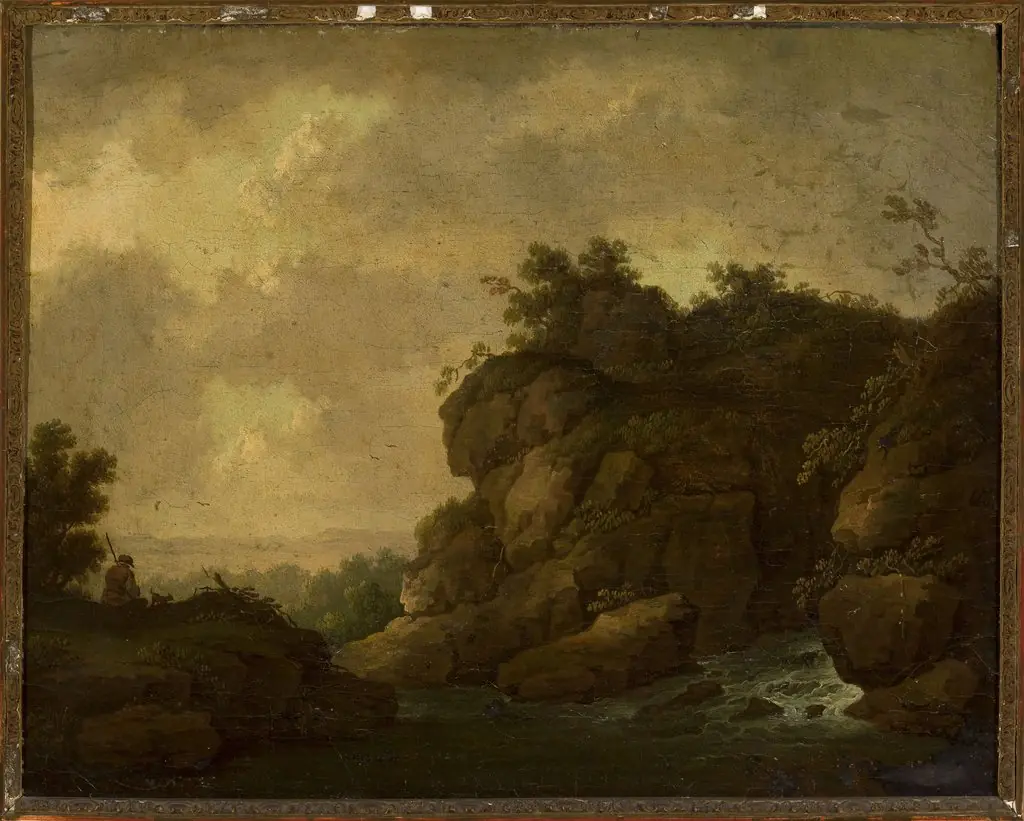
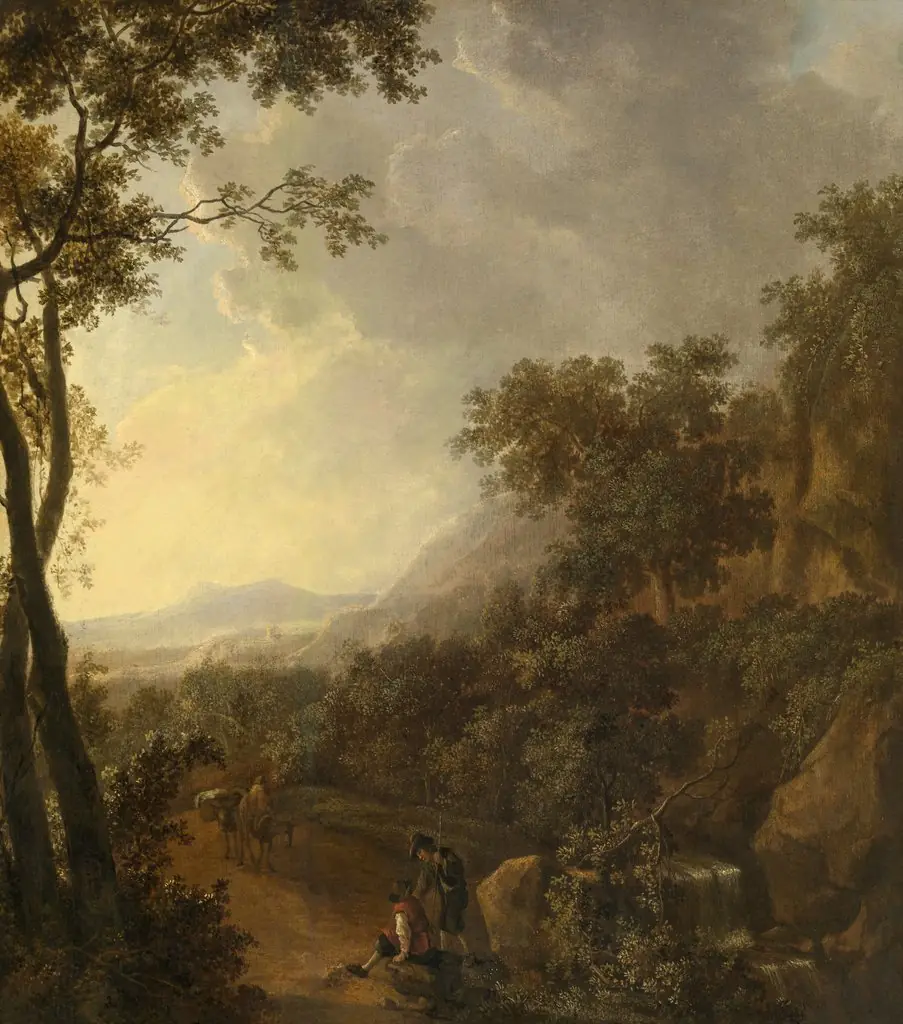
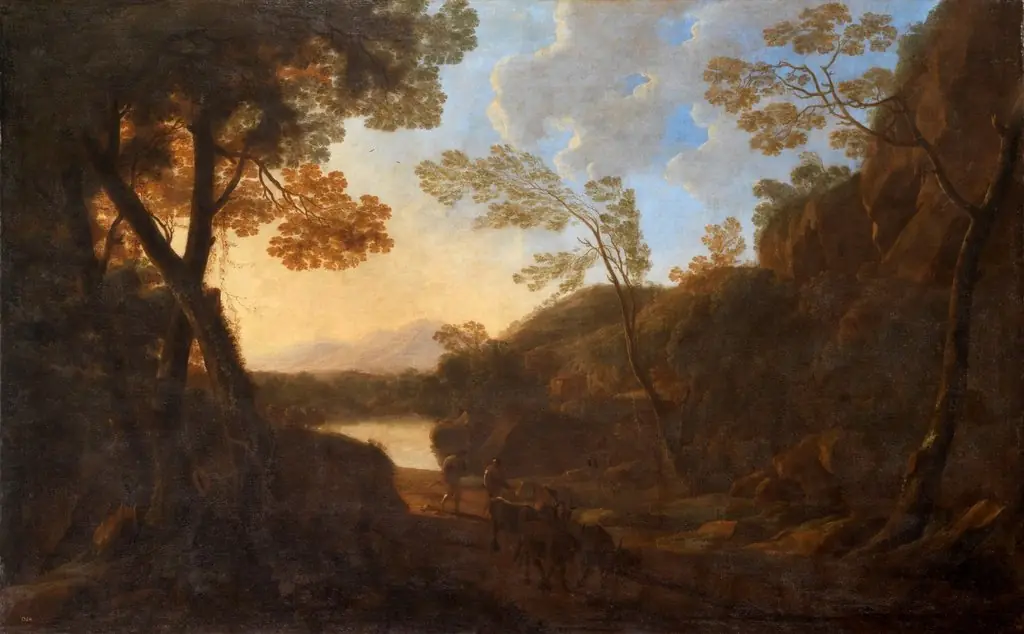
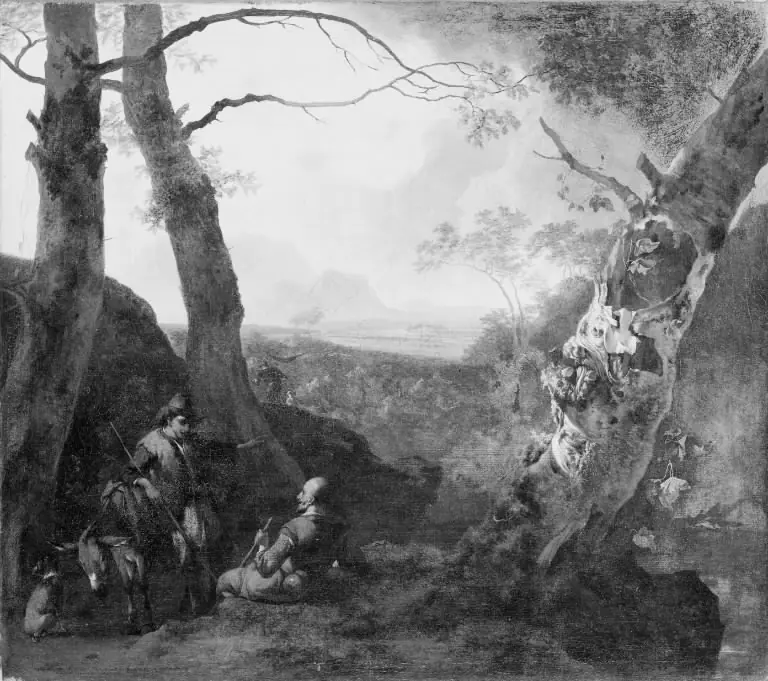
Southern Landscape with Herdsmen
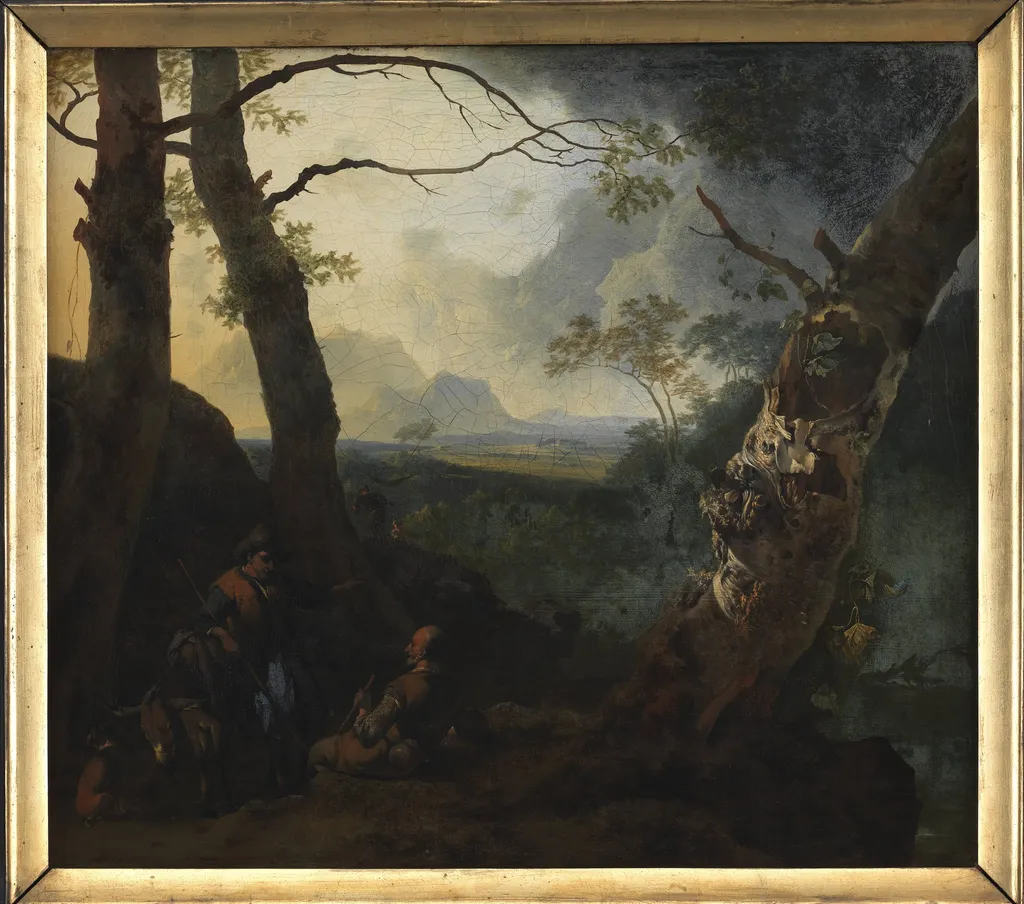
Southern Landscape with Herdsmen is an unspecified painting by Unknown. It dates from 1667 and is held in the collection of the Statens Museum for Kunst.
About this work
Overview
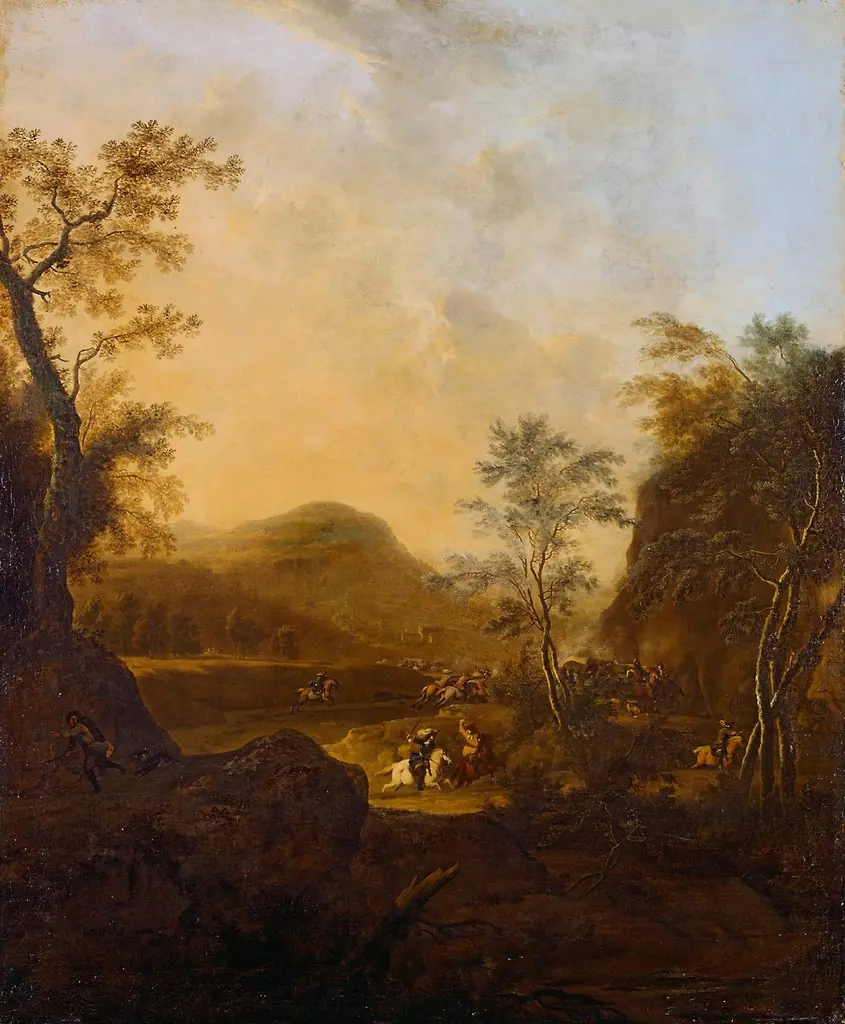
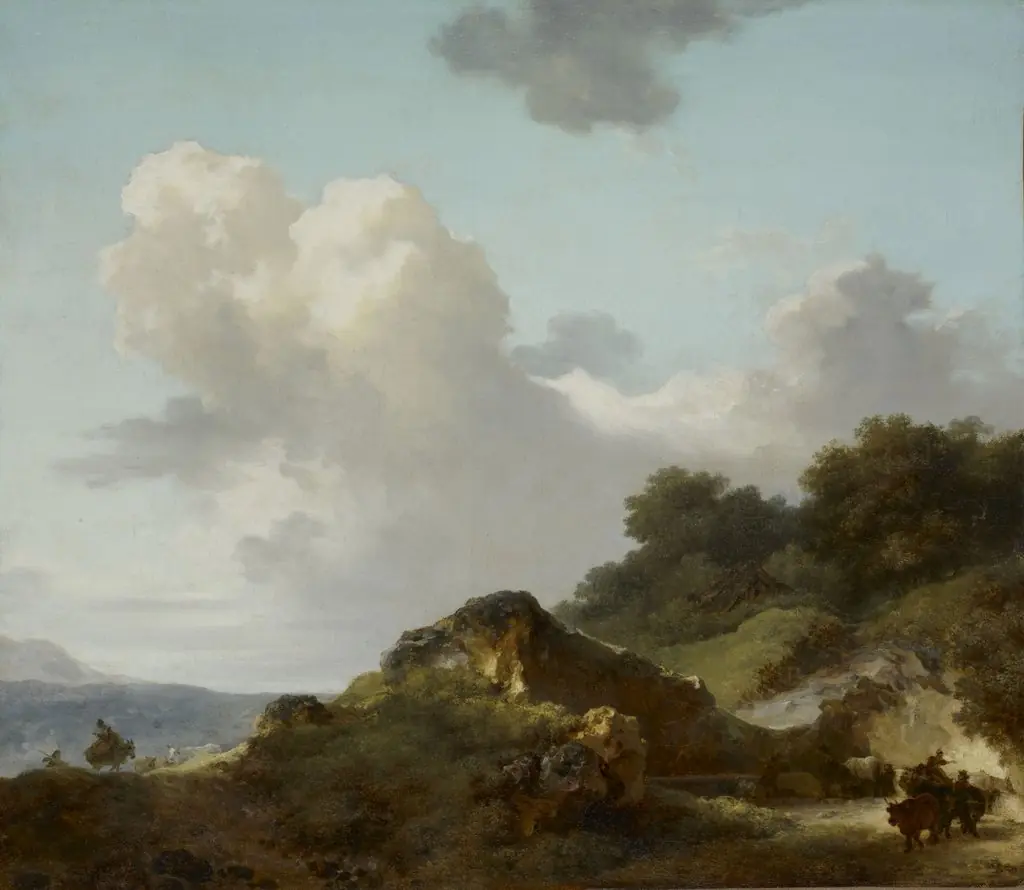
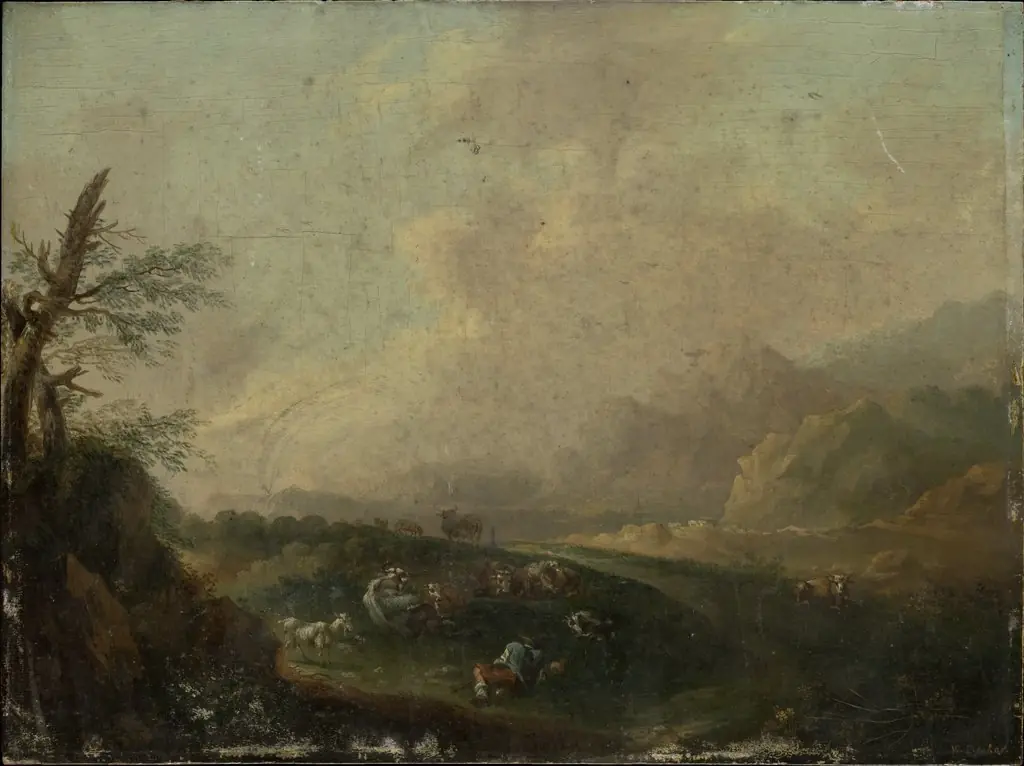
Painted around 1667, Southern Landscape with Herdsmen is a quiet depiction of rural life in a verdant valley. The work, attributed to 30459_person, is part of the Museum of Ethnography’s collection. Unlike grand historical or mythological scenes common in the period, it focuses on ordinary laborers within an undisturbed natural setting, emphasizing stillness over drama.
Subject & Meaning
The painting portrays herdsmen engaged in daily tasks—resting, walking, or holding staffs—amid rolling hills and dense trees. Their simple attire and unposed gestures suggest authenticity rather than idealization. The scene conveys no narrative climax, instead inviting contemplation of routine existence harmonized with the land, reflecting a quiet reverence for pastoral life.
Technique & Style
The artist employs soft, muted tones for the landscape, allowing the hills and foliage to recede gently into the distance. Figures in the foreground are rendered with sharper definition, drawing attention to their forms without theatricality. Subtle shifts in light and shadow model the terrain and clothing, creating depth without dramatic contrast, reinforcing the scene’s calm atmosphere.
History & Provenance
The painting entered the Museum of Ethnography’s holdings in the late 19th century, likely acquired during a period of growing interest in vernacular European life. Its attribution to 30459_person is based on stylistic comparison with other documented works, though little is known of its early ownership or exhibition history prior to museum acquisition.
Context
Created during the Dutch Golden Age, the work aligns with a broader trend of landscape painting that valued everyday rural scenes over religious or aristocratic subjects. While not part of a major artistic school, it reflects regional preferences for tranquil, unidealized nature and the dignity of labor, resonating with contemporary shifts in social and aesthetic values.
Legacy
Though not widely reproduced or studied, the painting contributes to an understudied category of 17th-century European art that prioritized quiet observation over spectacle. Its preservation in an ethnographic museum underscores its value as a document of material culture and rural practice, offering insight into the visual language of ordinary life in early modern Europe.
Artist & collection

 Domestic Scene
 Giacomo and Cardinal Marco, investing Andrea, Abbot of San Zeno, with his Benefice
 The Nymph of Fontainebleau
 Portrait of a Woman
 Madonna and Child with Saints in the Enclosed Garden
 Venus and Minerva
 Family Group of Four on Sofa
 Wall painting from Room H of the Villa of P. Fannius Synistor at Boscoreale