Artwork
Le Rocher
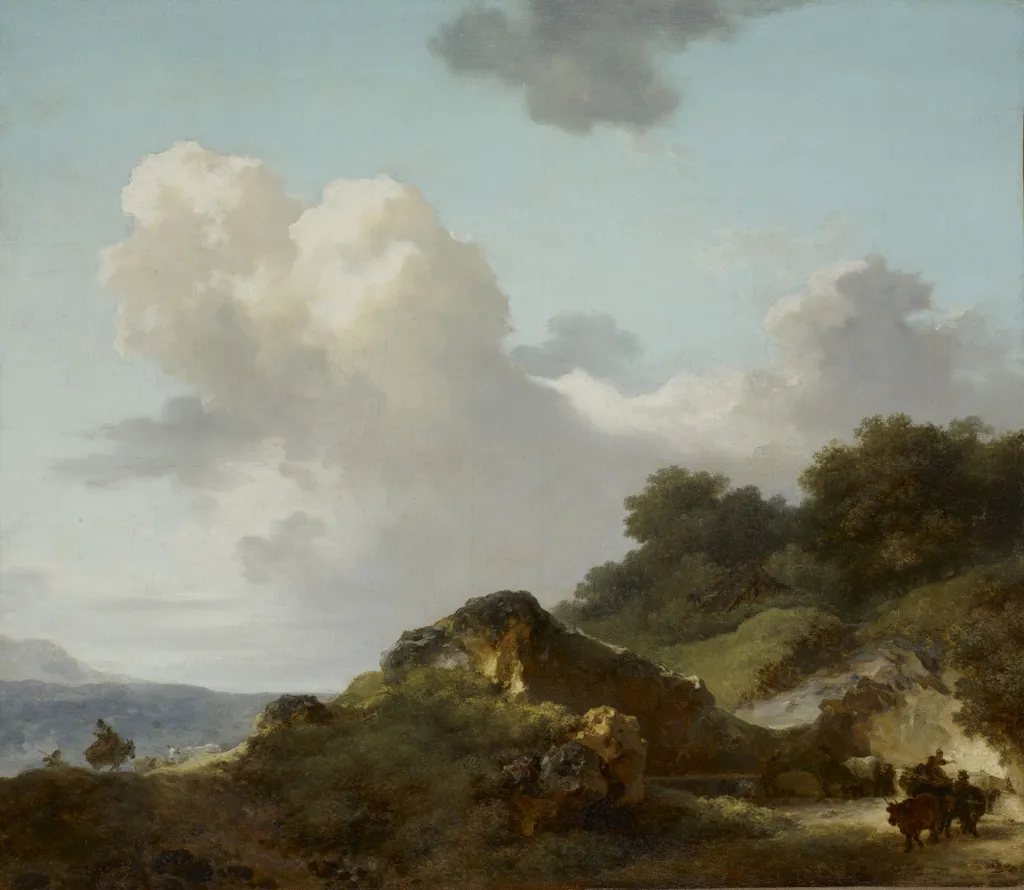
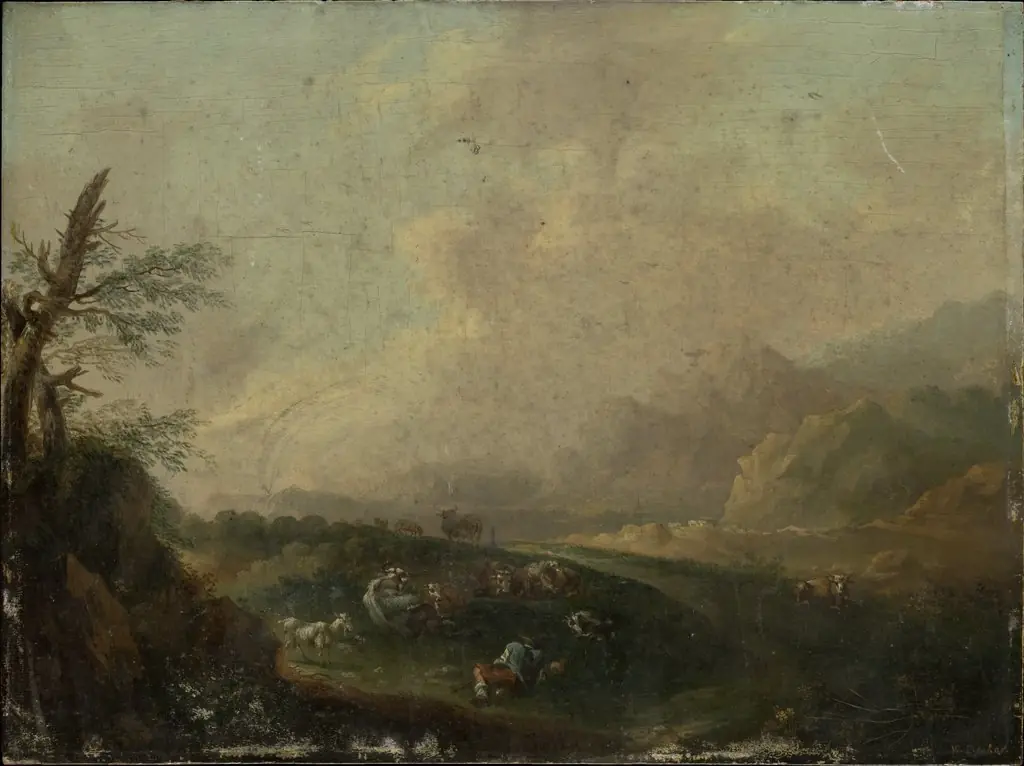
Le Rocher is an oil painting by the Rococo painting artist Jean Honoré Fragonard. It dates from 1790 and is held in the collection of the Museum of Fine Arts of Lyon.
About this work
Overview
The composition centers on a rugged hillside, sparsely vegetated with trees and shrubs, and includes a small group of figures and animals near the lower right.
Le Rocher is an oil painting completed by Jean-Honoré Fragonard in 1790. It presents a quiet, atmospheric landscape dominated by a heavy, dark cloud overhead. The composition centers on a rugged hillside, sparsely vegetated with trees and shrubs, and includes a small group of figures and animals near the lower right. The palette is restrained, relying on earthy greens, browns, and grays to evoke a subdued, contemplative mood.
Subject & Meaning
The scene depicts a rural landscape untouched by human intervention, save for the presence of a few figures and livestock. Their small scale relative to the terrain suggests nature’s dominance over human activity. The looming cloud may imply an approaching storm, introducing a subtle tension into the otherwise still environment. The painting conveys a sense of quiet solitude rather than narrative drama.
Technique & Style
Fragonard employs loose, textured brushwork to render the rocky outcrop and foliage, emphasizing tactile surfaces over precise detail. Light is carefully modulated to suggest depth and volume, with shadows pooling beneath trees and across the hillside. The muted tones and soft transitions between hues create a hazy, atmospheric effect, characteristic of his later landscape work, which moves away from the exuberance of his earlier Rococo style.
History & Provenance
Painted in 1790, during Fragonard’s later years, the work reflects his retreat from courtly subjects toward personal, introspective landscapes. It entered the collection of the Museum of Fine Arts of Lyon in the 19th century, where it remains today. Its survival through the upheavals of the French Revolution and subsequent shifts in artistic taste underscores its quiet endurance as a private, unassuming work.
Context
Created during a period of political and social transformation in France, Le Rocher stands apart from the grand historical or mythological themes favored by academic circles. Fragonard’s focus on unidealized nature aligns with emerging Romantic sensibilities, even as his technique retains elements of 18th-century observational painting. The work reflects a broader shift toward personal expression in art during the late Enlightenment.
Legacy
Though less celebrated than Fragonard’s Rococo portraits and fête galante scenes, Le Rocher exemplifies his late-period engagement with landscape as a vehicle for mood and reflection. It contributes to the understanding of his artistic evolution and the quiet transition in French painting toward emotional resonance over decorative flourish. The painting remains a quiet testament to his enduring sensitivity to natural atmosphere.
Artist & collection

Artist
Jean-Honoré Fragonard was born on 5 April 1732 in Grasse, the son of a glover, and moved with his family to Paris in 1738.

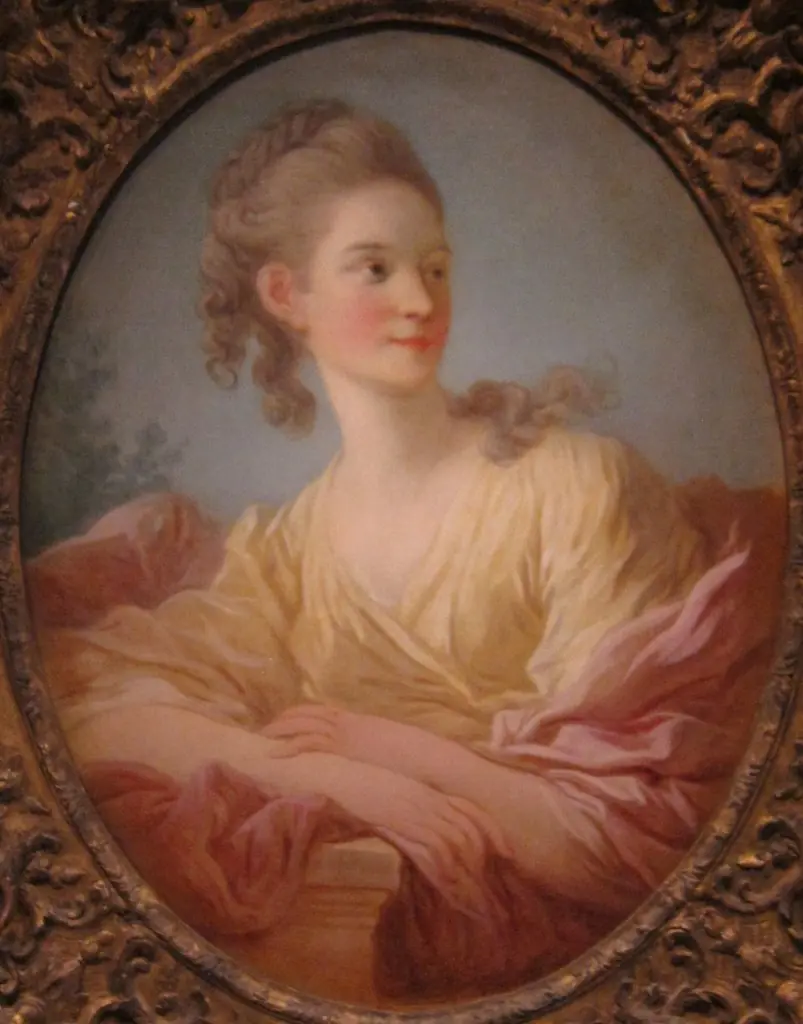
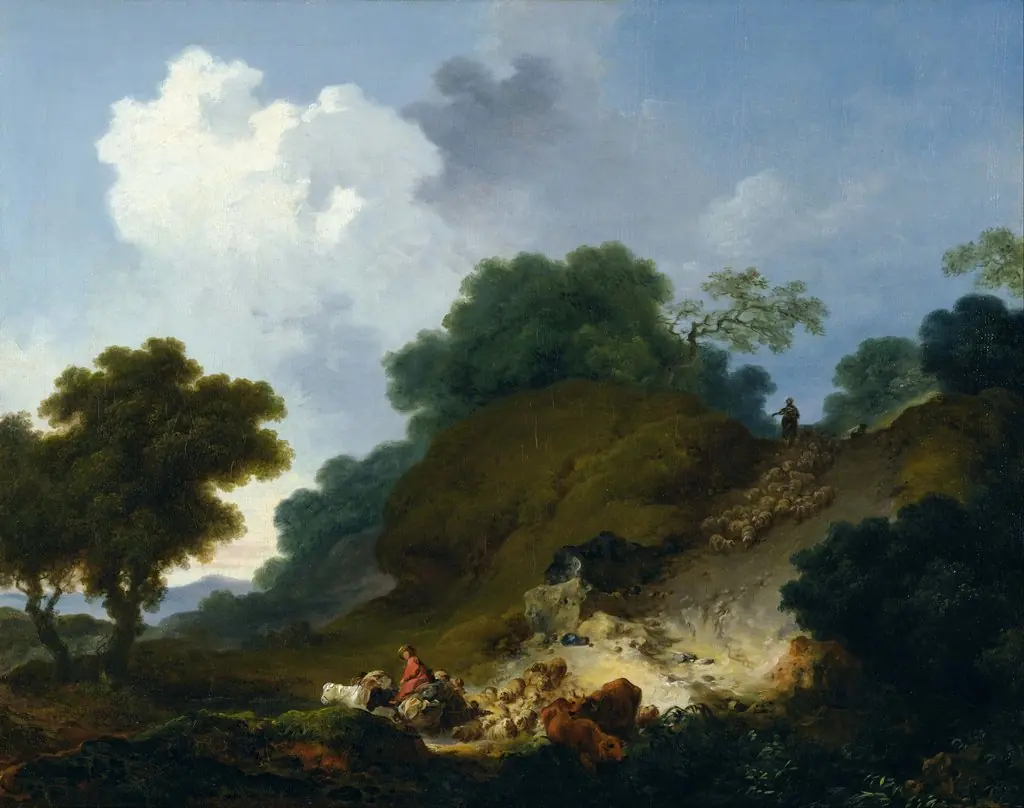 Landscape with Shepherds and Flock of Sheep
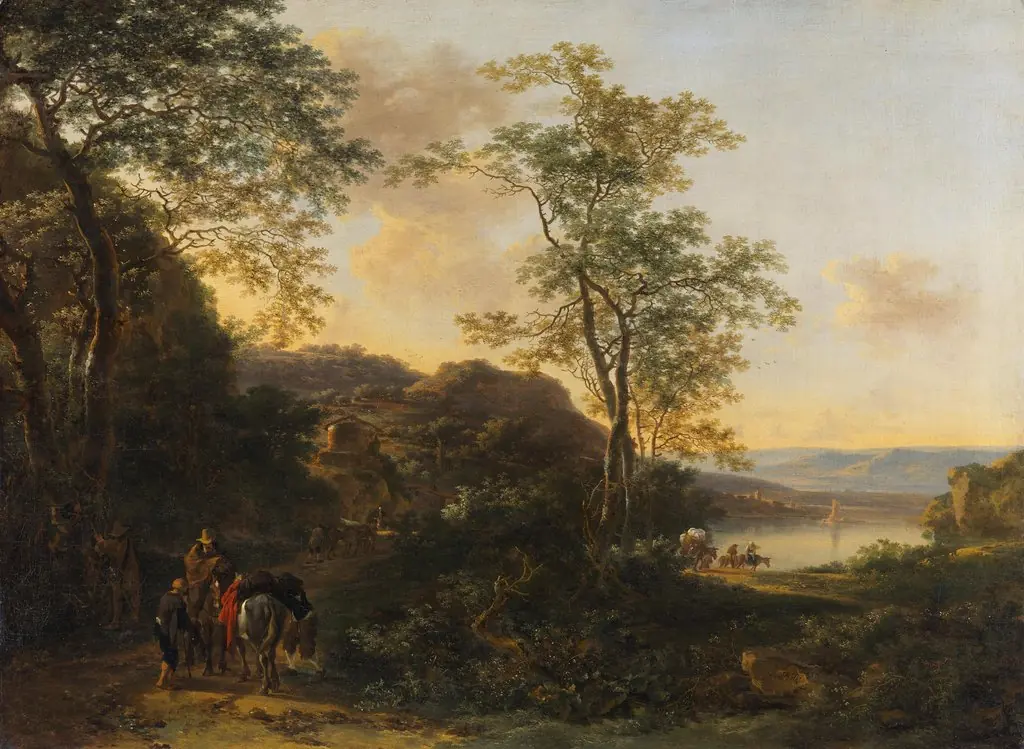 An Italian Landscape
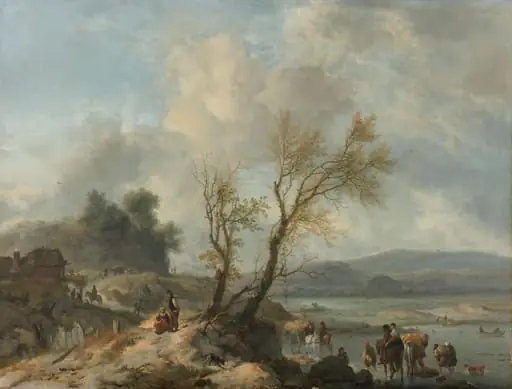 Landscape with a Sandy Path
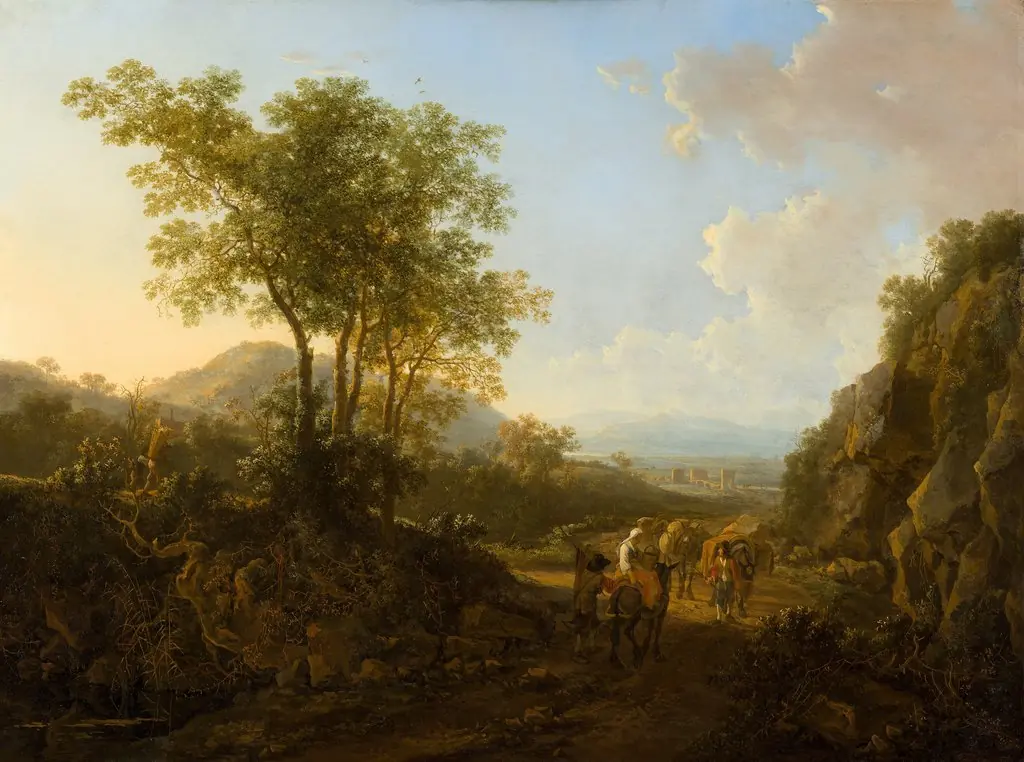 Italian landscape
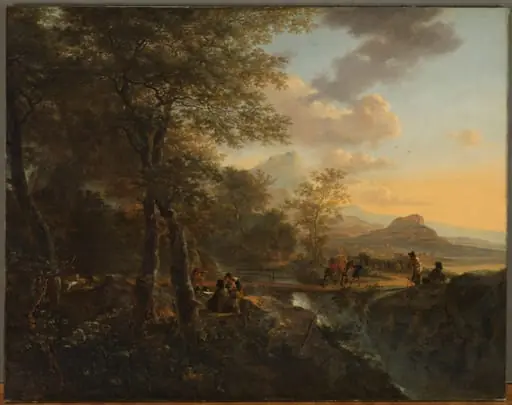 Italiaans landschap met tekenaar
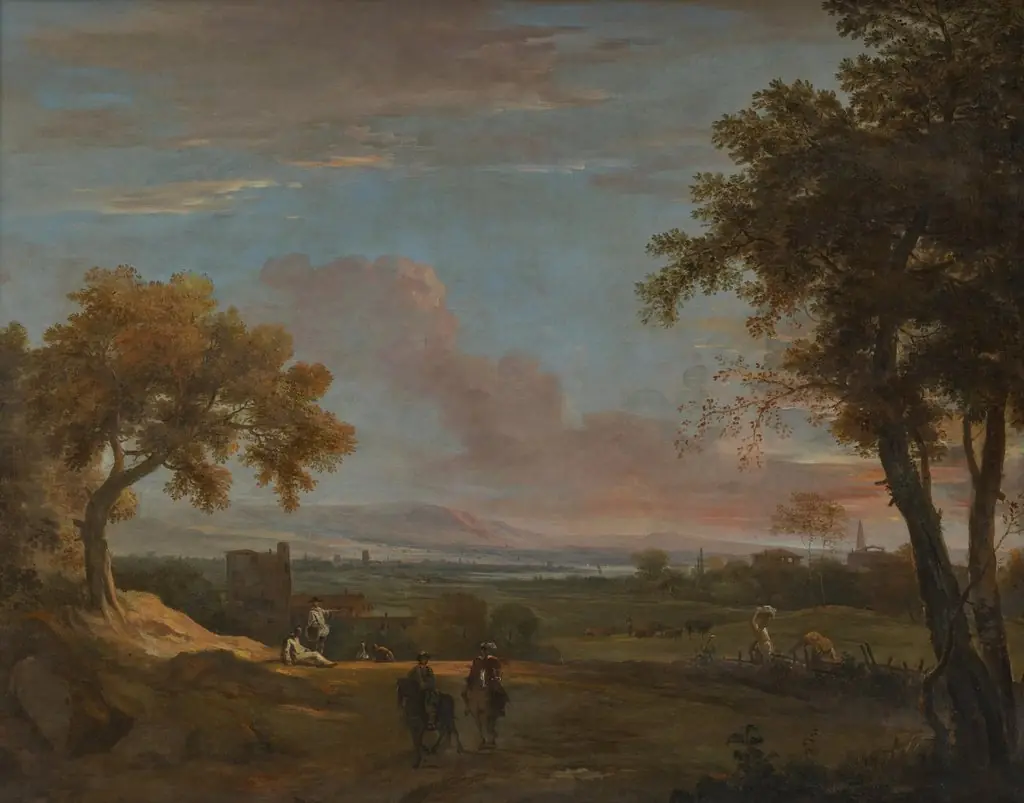 Südliche Landschaft im Abendlicht
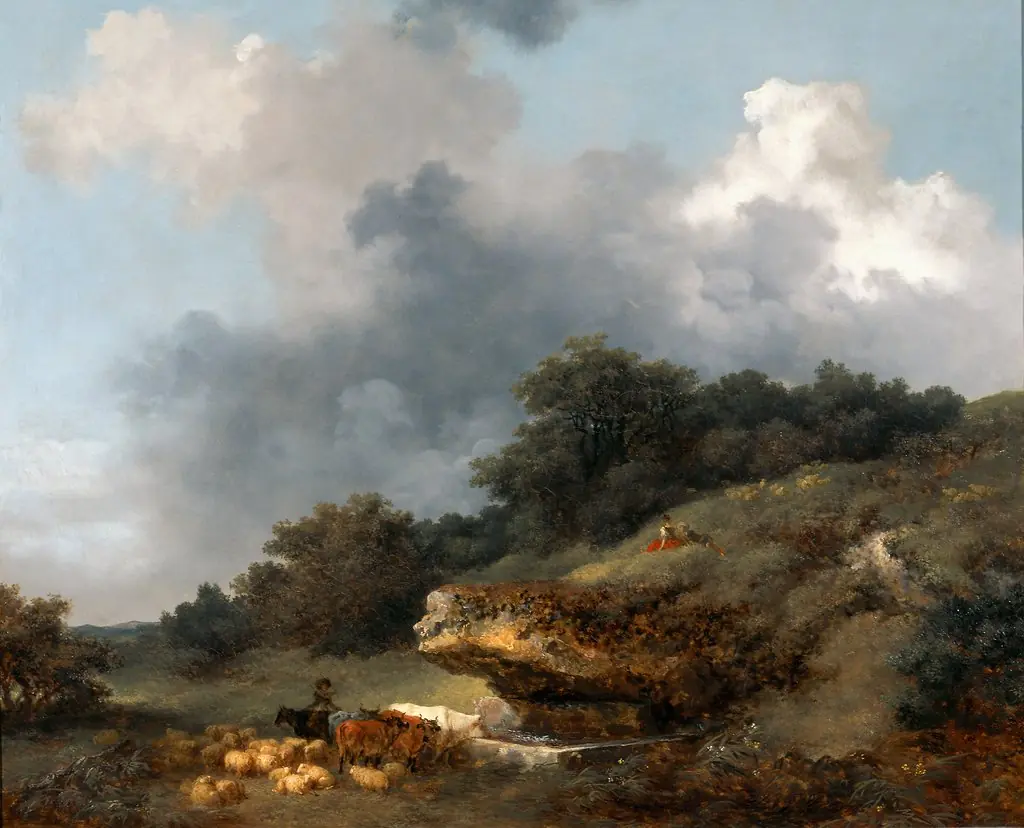 The Trough
 Mountainous landscape with the ruins of a castle
 Landscape with Passing Shower
 Mountainous landscape
 Italian Landscape with a Draughtsman
 Landscape with Resting Shepherd