Artwork
Roman Campagna
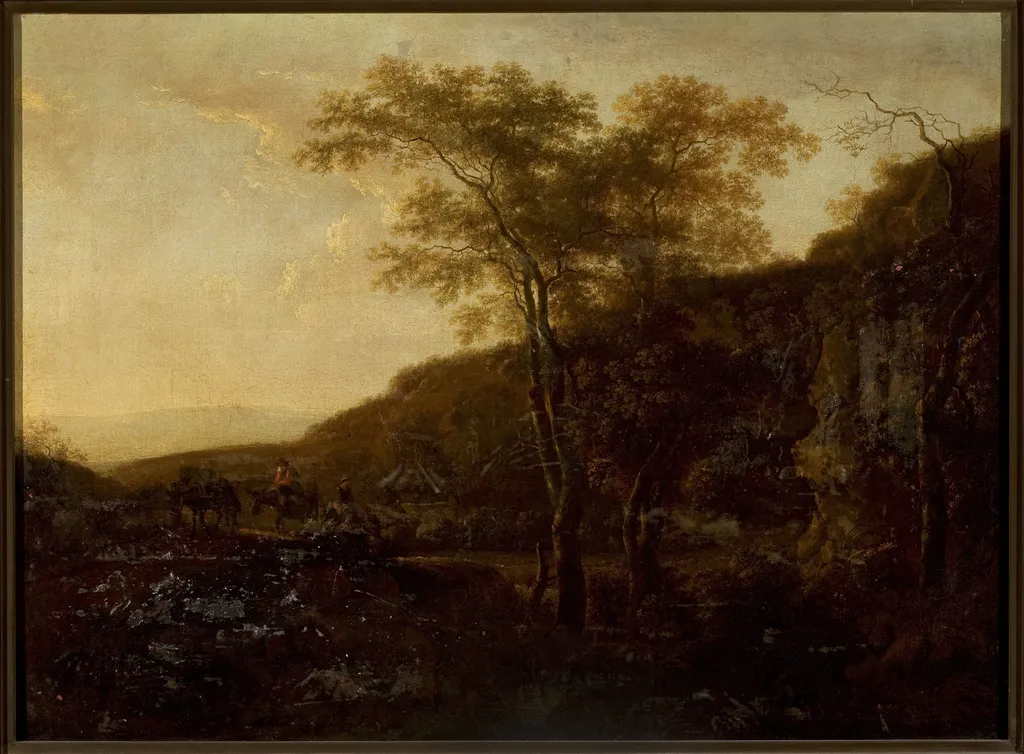
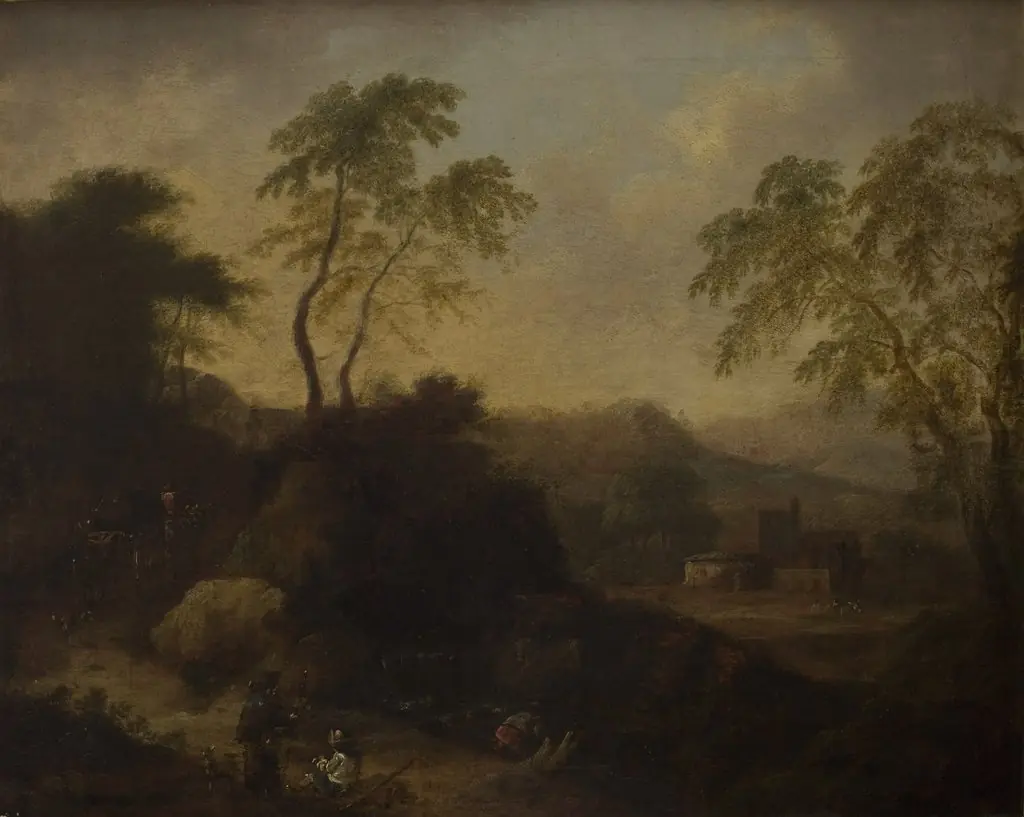
Roman Campagna is an oil painting by the Dutch Golden Age artist Jan Both. It dates from 1645 and is held in the collection of the National Museum in Warsaw.
About this work
Overview
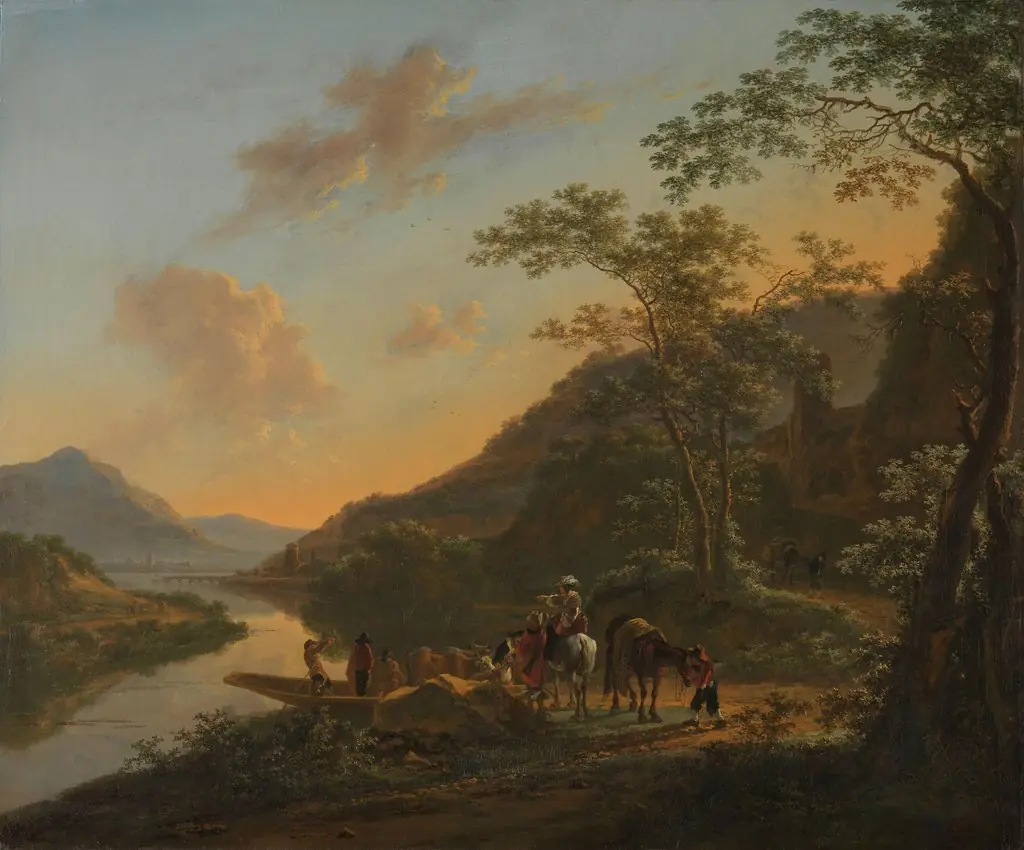
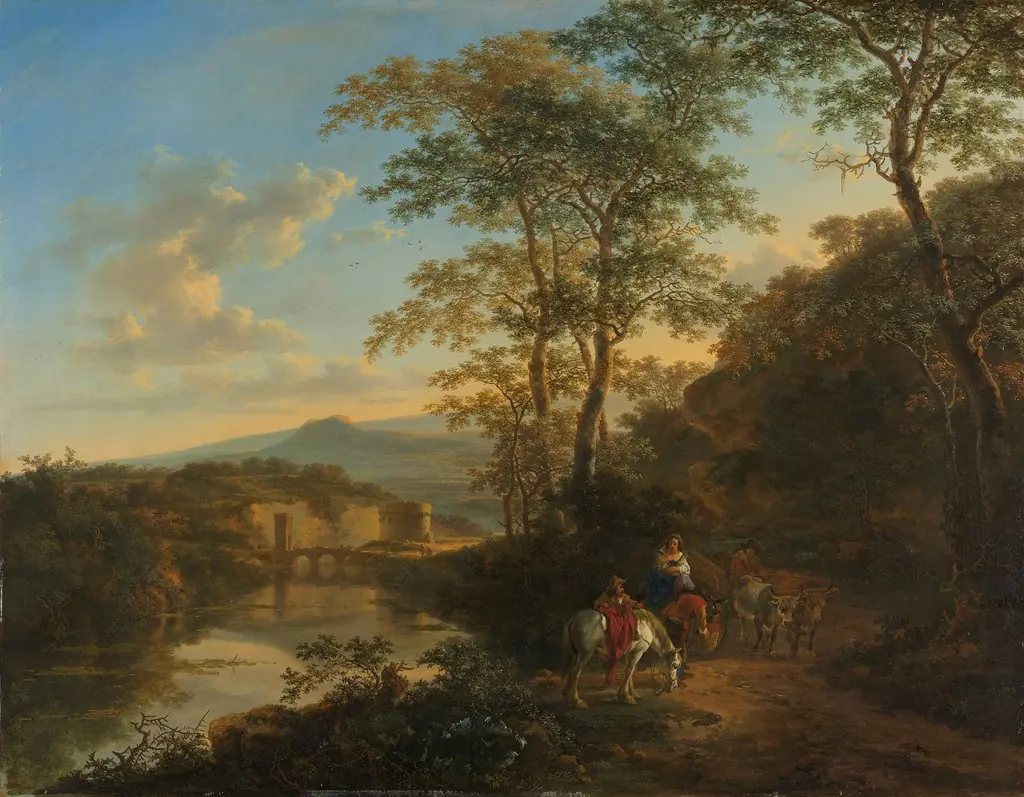
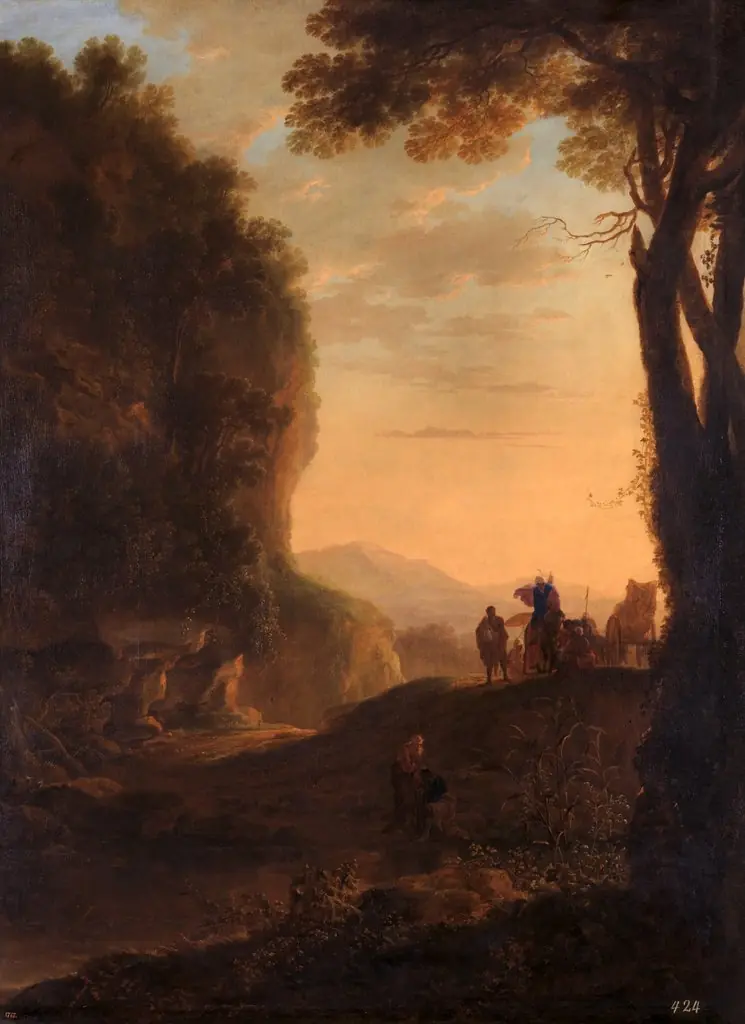
Jan Both’s Roman Campagna, executed in oil in 1645, presents a tranquil countryside scene. A gentle horizon of rolling hills recedes behind a modest grouping of trees, while a warm, golden sky suffuses the atmosphere with a calm glow. The composition balances foreground foliage with distant terrain, creating a measured sense of space.
Subject & Meaning
The work portrays an idealized view of the Roman countryside, emphasizing serenity over narrative detail. Small, indistinct figures appear on the distant road, suggesting human presence without dominating the landscape. The painting invites contemplation of nature’s quiet grandeur, reflecting a 17th‑century fascination with pastoral harmony and the timeless allure of the Italian countryside.
Technique & Style
Both employs a subtle chiaroscuro, using light and shadow to model forms and convey depth. The brushwork is smooth in the sky and atmospheric background, while the foreground foliage is rendered with finer, more defined strokes. The palette of warm earth tones and golden light typifies the Dutch landscape tradition adapted to Italian scenery.
History & Provenance
Created in the mid‑17th century, Roman Campagna entered the collection of the National Museum in Warsaw, where it remains on display. The painting’s provenance traces back to the artist’s period of travel in Italy, during which he absorbed local topography and incorporated it into his Dutch artistic vocabulary.
Artist & collection

Artist
Jan Dirksz Both was a Dutch painter, draughtsman, and etcher, who made an important contribution to the development of Dutch Italianate landscape painting.

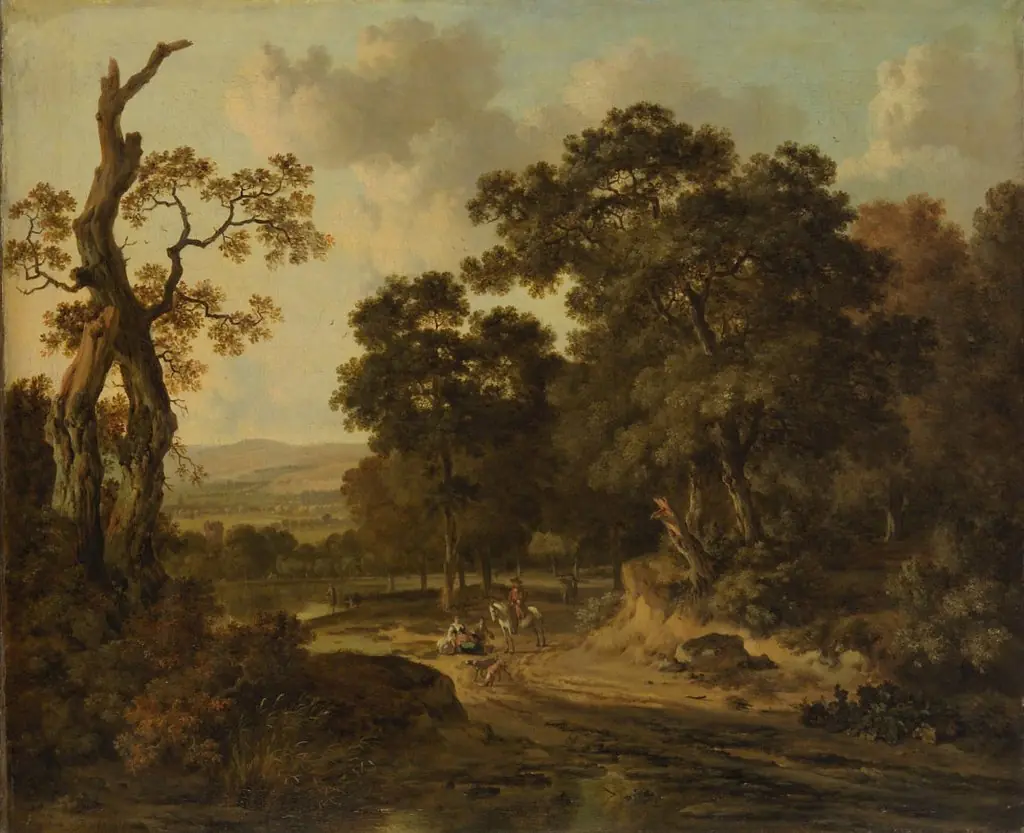 Waldeingang
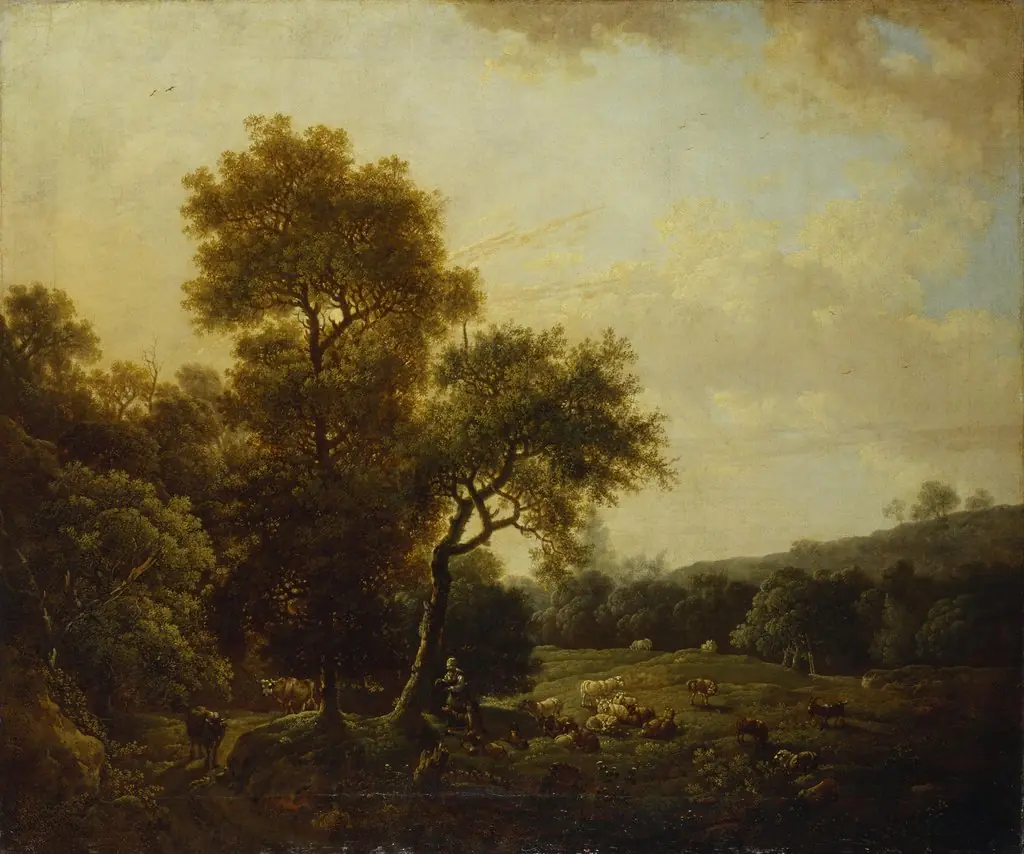 Landscape
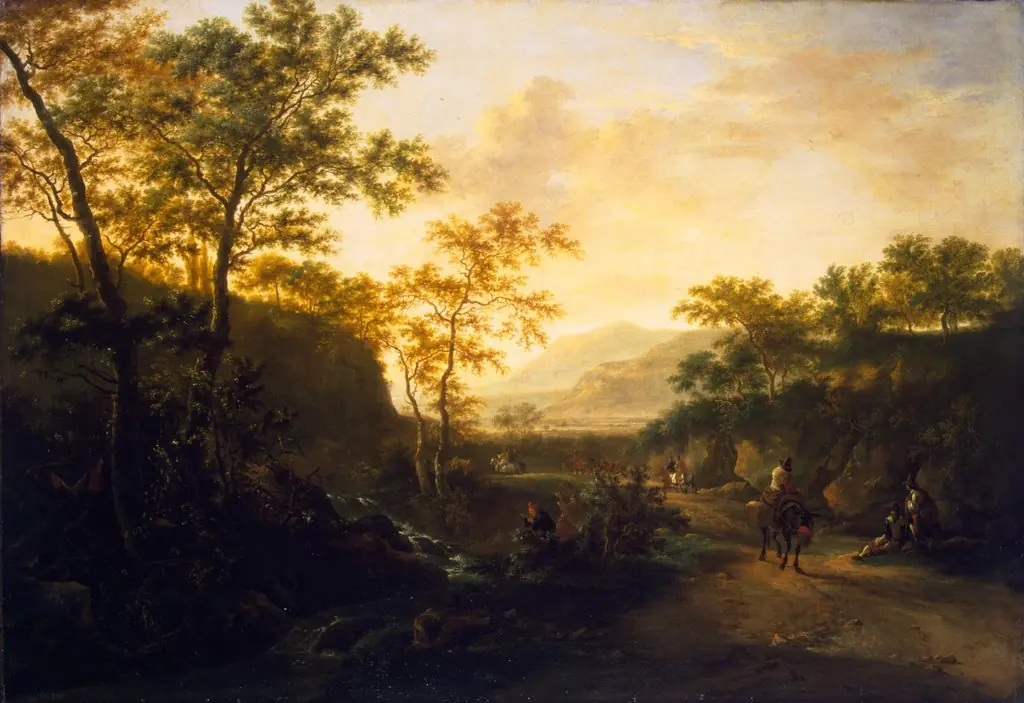 Italian Landscape with a Path
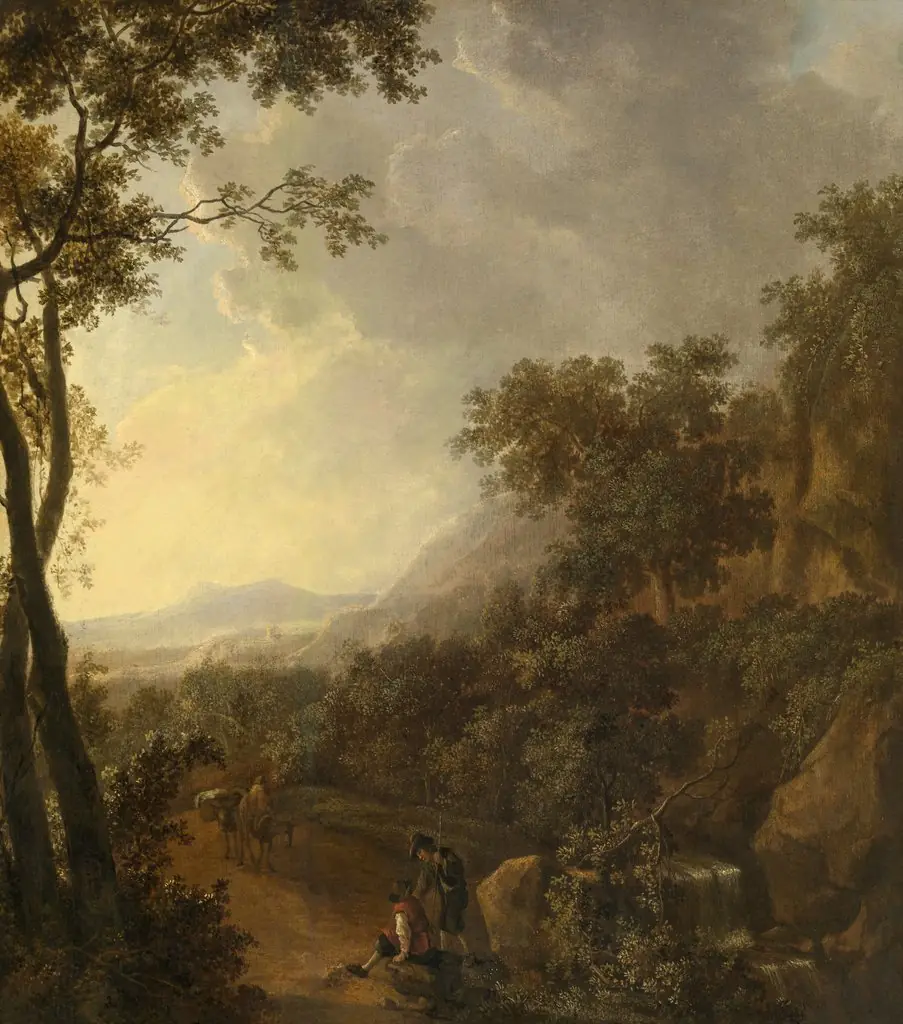 Italiaans landschap
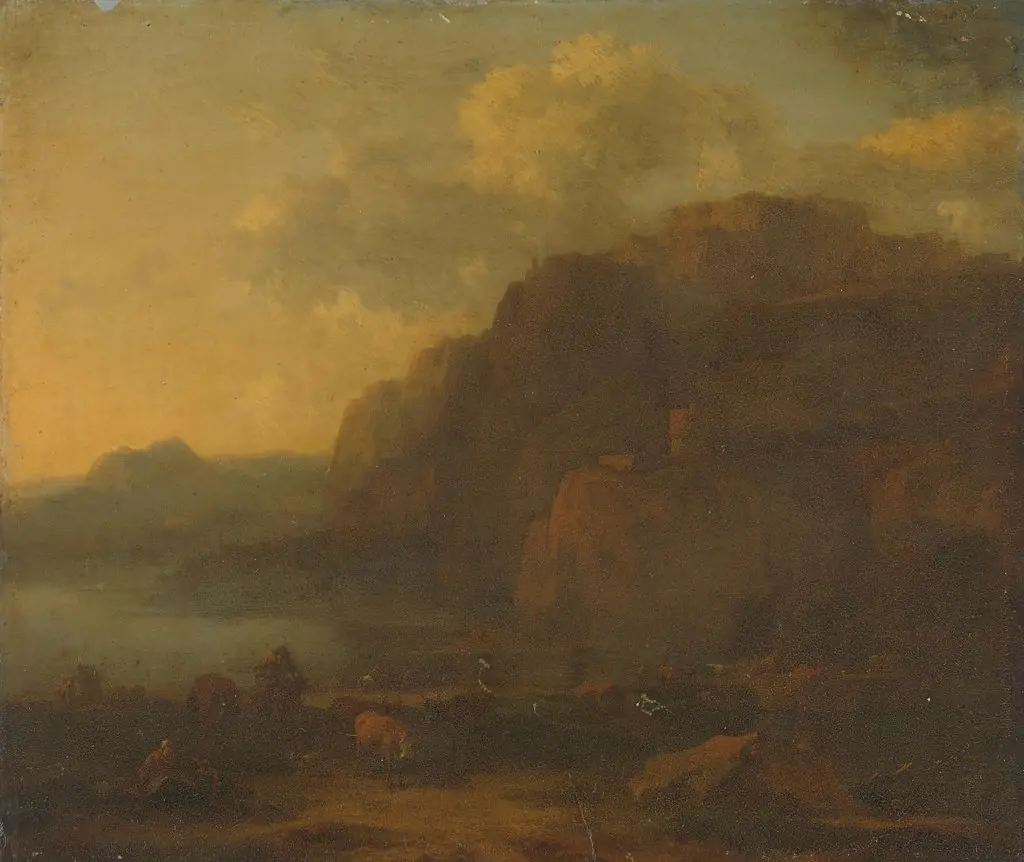 Italian landscape
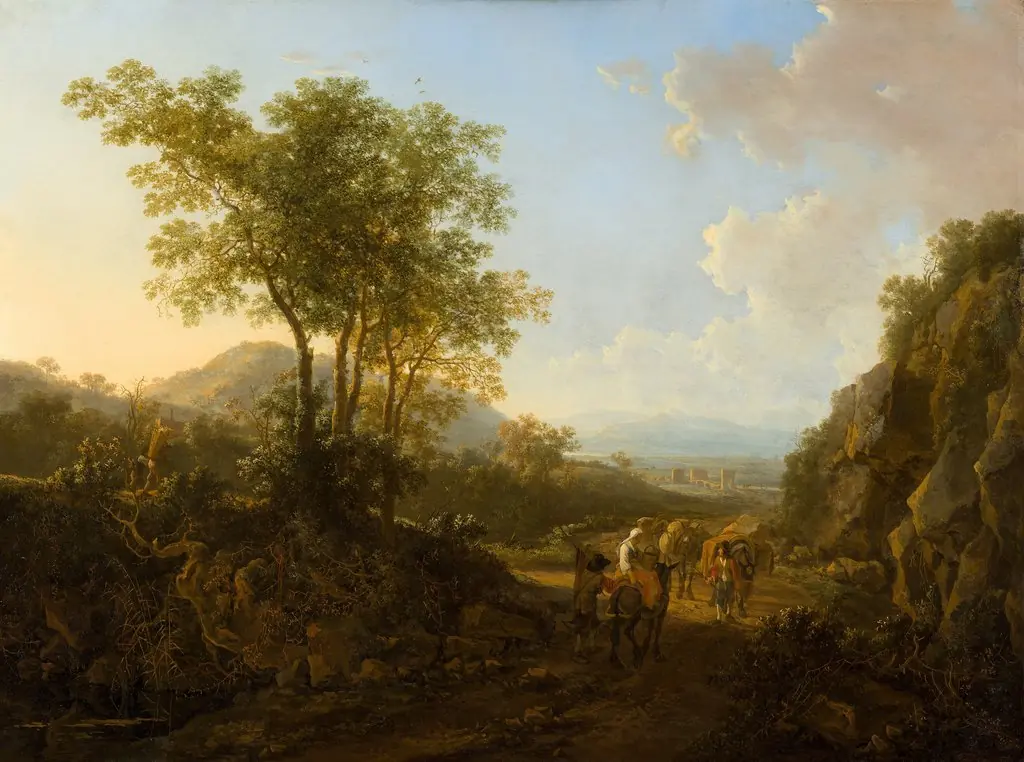 Italian landscape
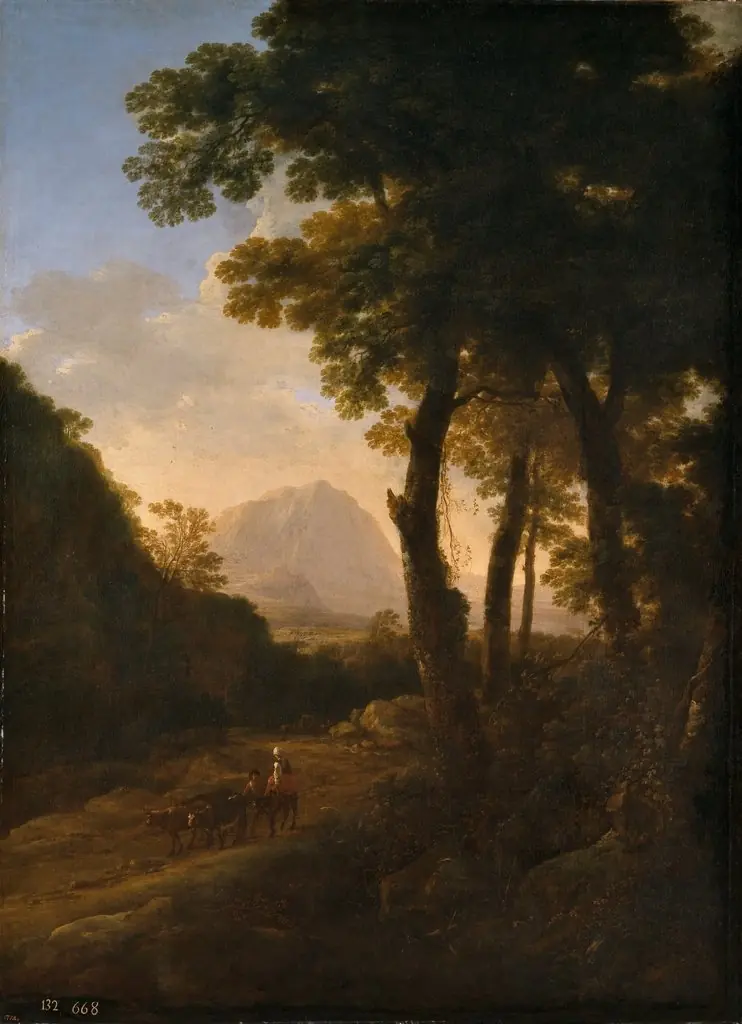 Taking the Cattle out
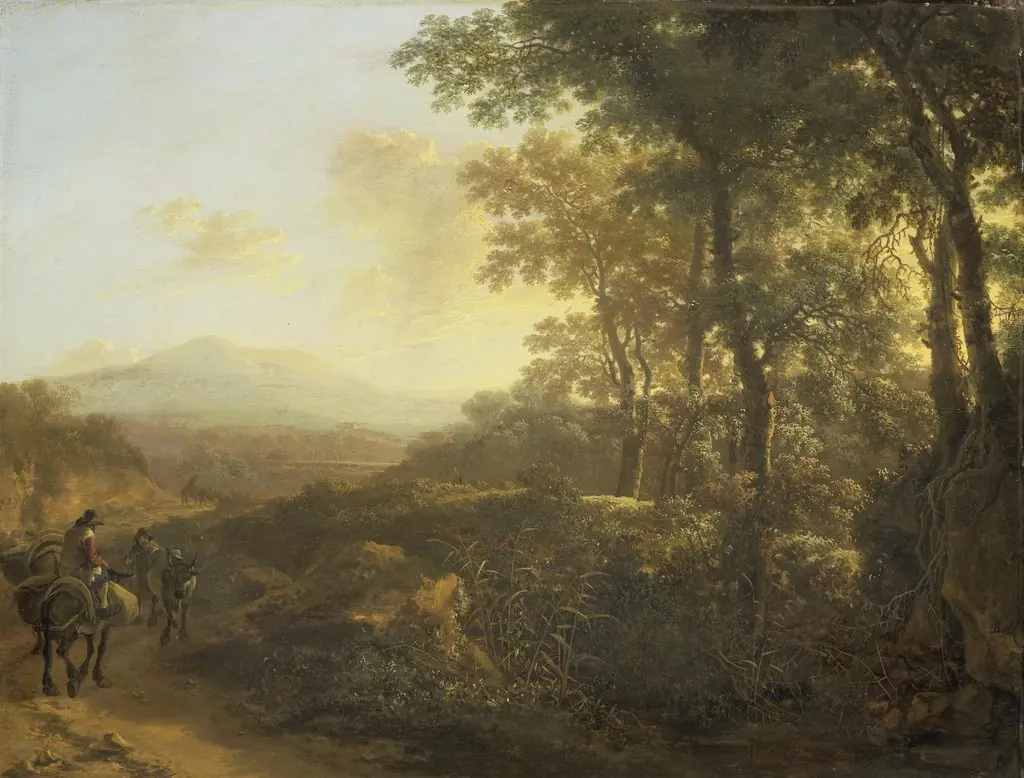 Italian landscape with mule driver
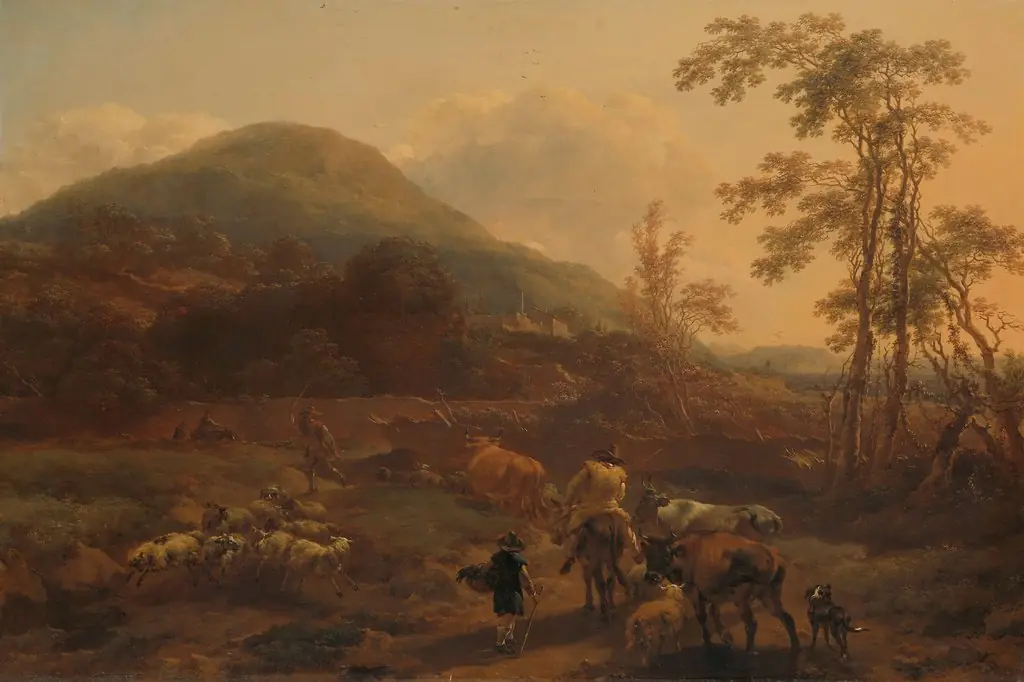 The Three Droves
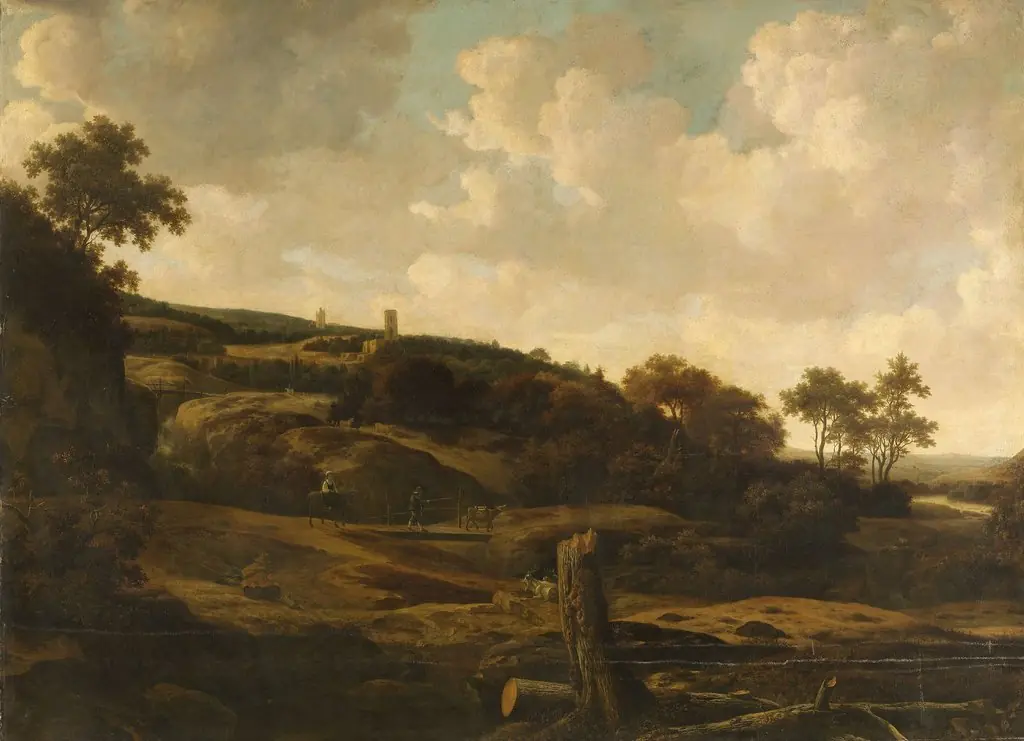 Mountainous landscape, possibly the St Pietersberg, with Lichtenberg castle, near Maastricht
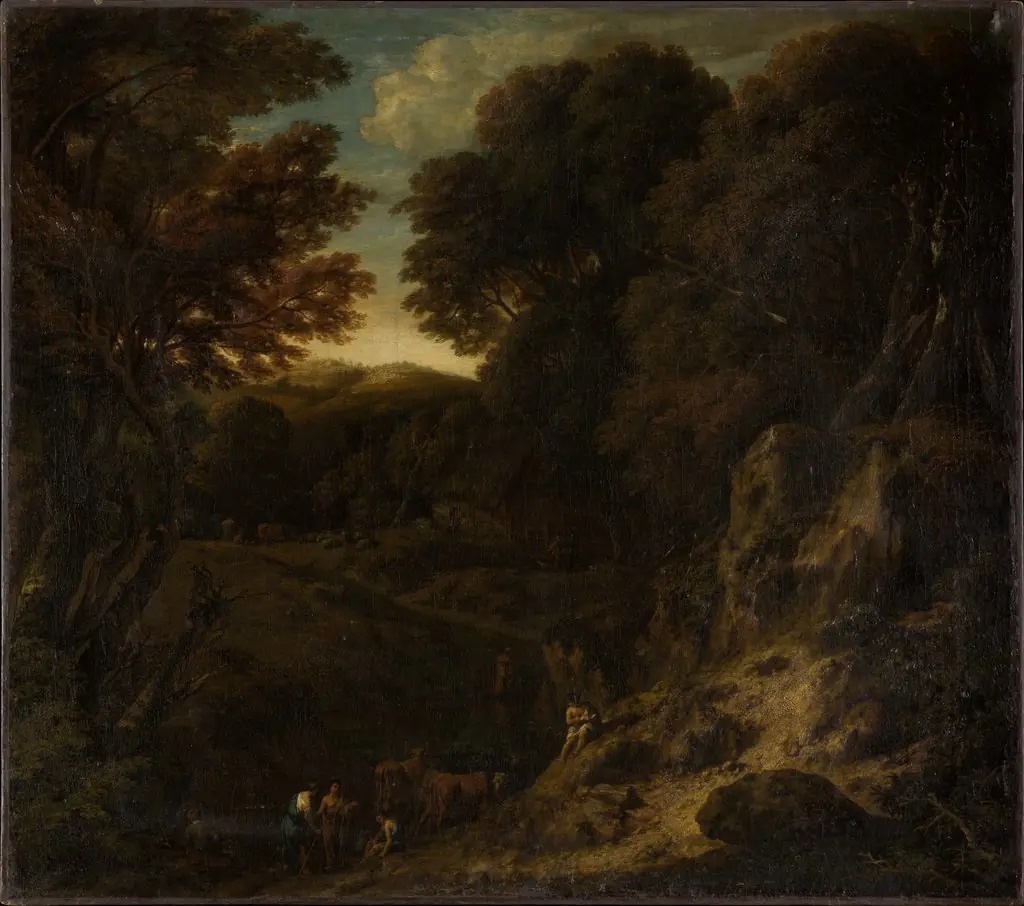 Italian Wooded Landscape with Cattle Pond
 Krajobraz