Artwork
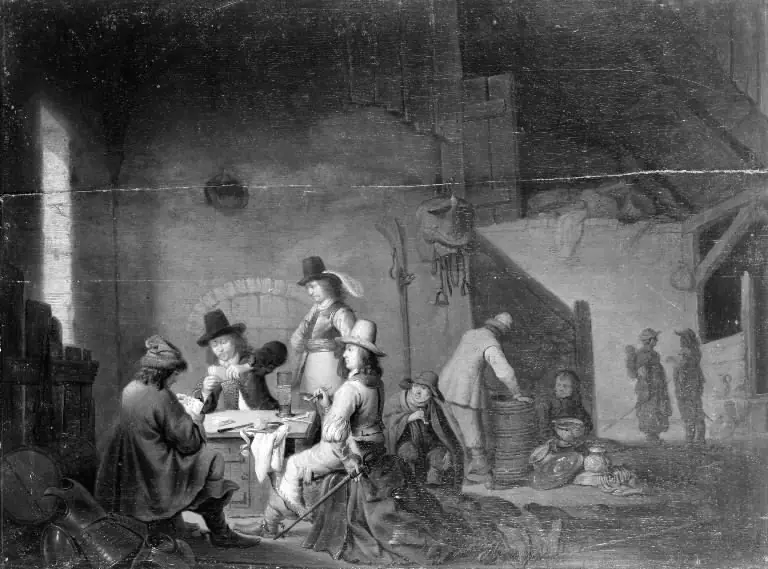
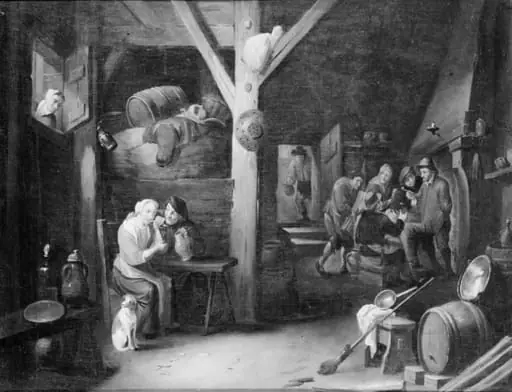
The Interior of a Village. Card Players
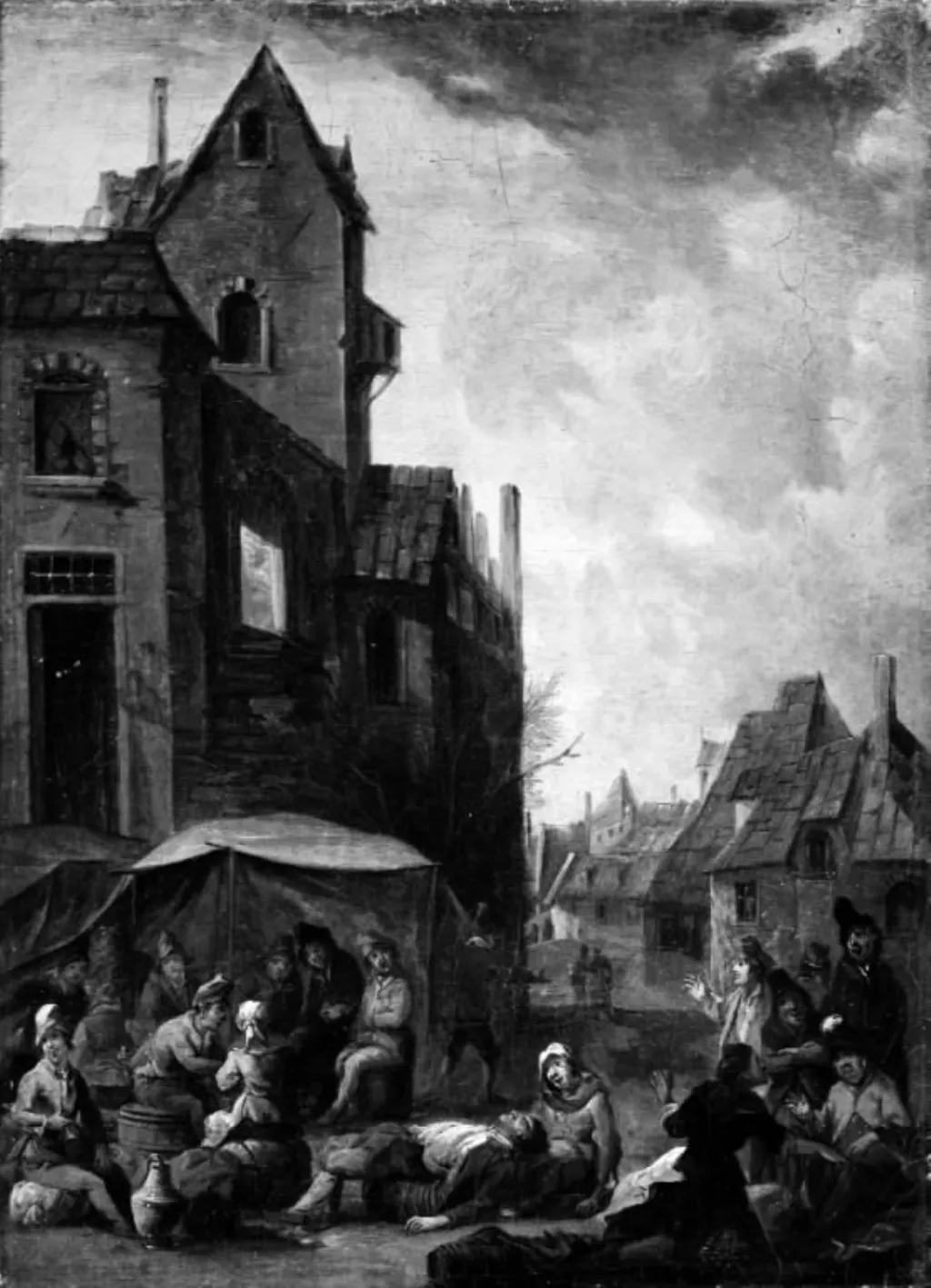
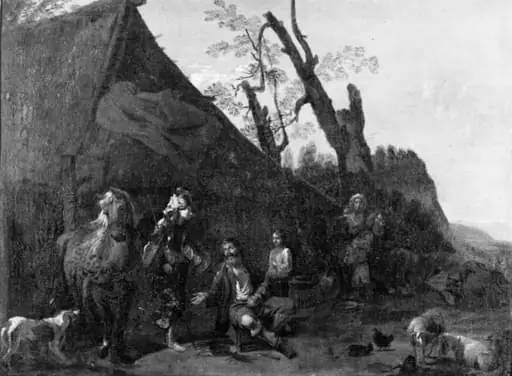
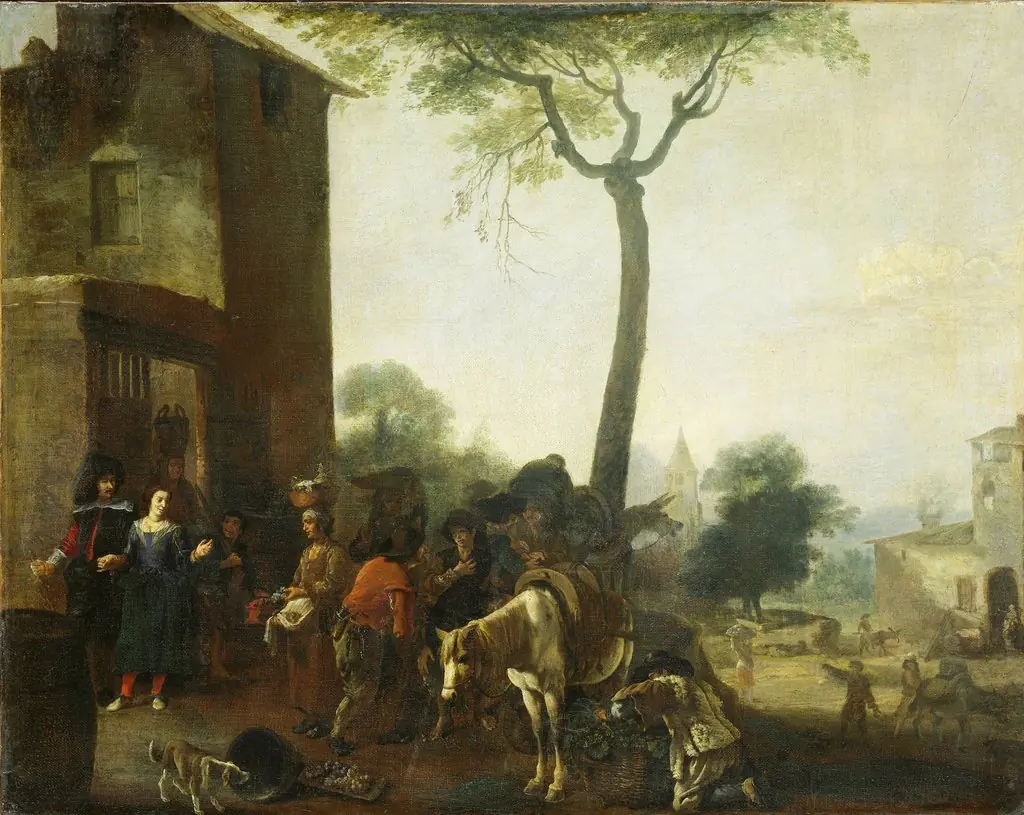
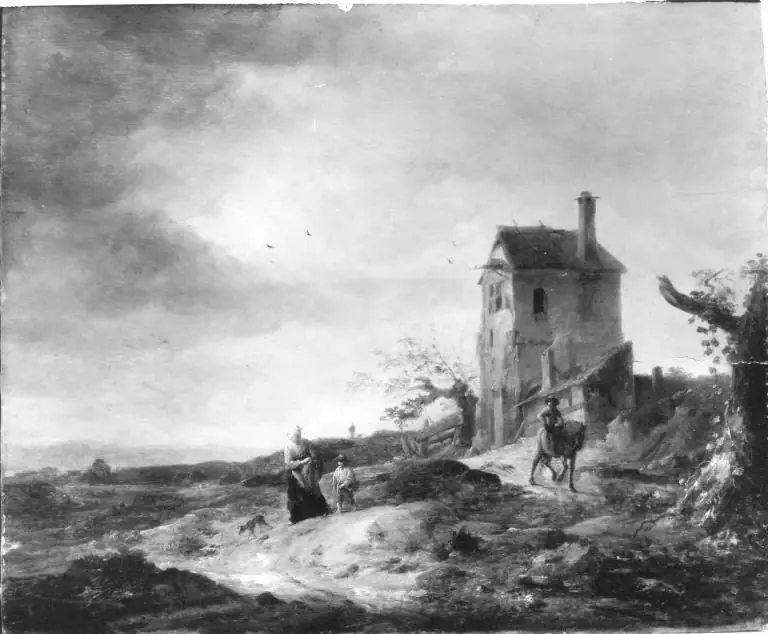
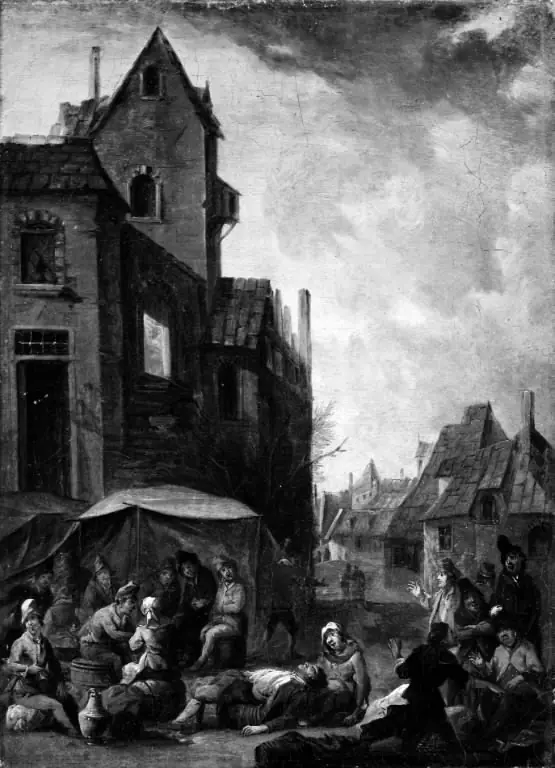
The Interior of a Village. Card Players is a photography by Unknown. It dates from 1750 and is held in the collection of the Statens Museum for Kunst. This image, dated around 1750, captures an interior scene in a rural setting where villagers engage in a card game.
About this work
Overview
This image, dated around 1750, captures an interior scene in a rural setting where villagers engage in a card game.
This image, dated around 1750, captures an interior scene in a rural setting where villagers engage in a card game. The composition is rendered in monochrome, emphasizing contrasts between light and shadow. The photograph is held by the Museum of Ethnography, though its origin as a photographic record rather than a painted work distinguishes it from contemporaneous artistic traditions that similarly employed dramatic lighting.
Subject & Meaning
The scene depicts ordinary rural life centered on a communal activity—card playing—suggesting leisure as a shared social ritual. Figures gather closely around a table, while others observe or rest nearby, conveying a sense of quiet intimacy. The setting implies a modest domestic space, possibly a common room in a larger structure, where daily life unfolds under limited illumination, hinting at the rhythms of village existence beyond labor.
Technique & Style
The image employs strong chiaroscuro, with a single unseen light source casting deep shadows and sharply defined highlights. This contrast enhances spatial depth and focuses attention on the players, while the surrounding figures fade into darkness. The effect, though achieved photographically, mirrors techniques used in 17th-century painting to evoke mood and volume, suggesting an intentional aesthetic choice in the image’s capture.
History & Provenance
The photograph’s creator is unknown, and its exact origin within the 18th-century rural landscape remains undocumented. It entered the Museum of Ethnography’s collection as part of a broader effort to record vernacular life. Its preservation reflects early interest in ethnographic documentation, though its status as a photographic artifact rather than a painted work complicates its classification within traditional art historical frameworks.
Context
In mid-18th-century Europe, rural communities often gathered indoors during colder months, with card games serving as both entertainment and social bonding. The architecture visible—steep roofs, clustered dwellings—aligns with regional building styles of the time. The use of artificial light, likely from a single flame, underscores the limitations of domestic illumination and the reliance on communal spaces after sunset.
Legacy
Though not a painted work, the image contributes to the visual record of everyday life in pre-industrial Europe. Its dramatic lighting and candid composition have influenced later ethnographic photography, reinforcing the value of mundane scenes as cultural artifacts. It remains a quiet testament to how light and shadow can transform ordinary moments into enduring records of human behavior.
Artist & collection

 Domestic Scene
 Giacomo and Cardinal Marco, investing Andrea, Abbot of San Zeno, with his Benefice
 The Nymph of Fontainebleau
 Portrait of a Woman
 Madonna and Child with Saints in the Enclosed Garden
 Venus and Minerva
 Family Group of Four on Sofa
 Wall painting from Room H of the Villa of P. Fannius Synistor at Boscoreale