Artwork
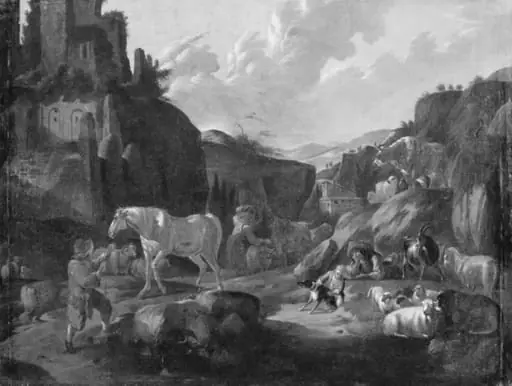
Erminia blandt hyrderne
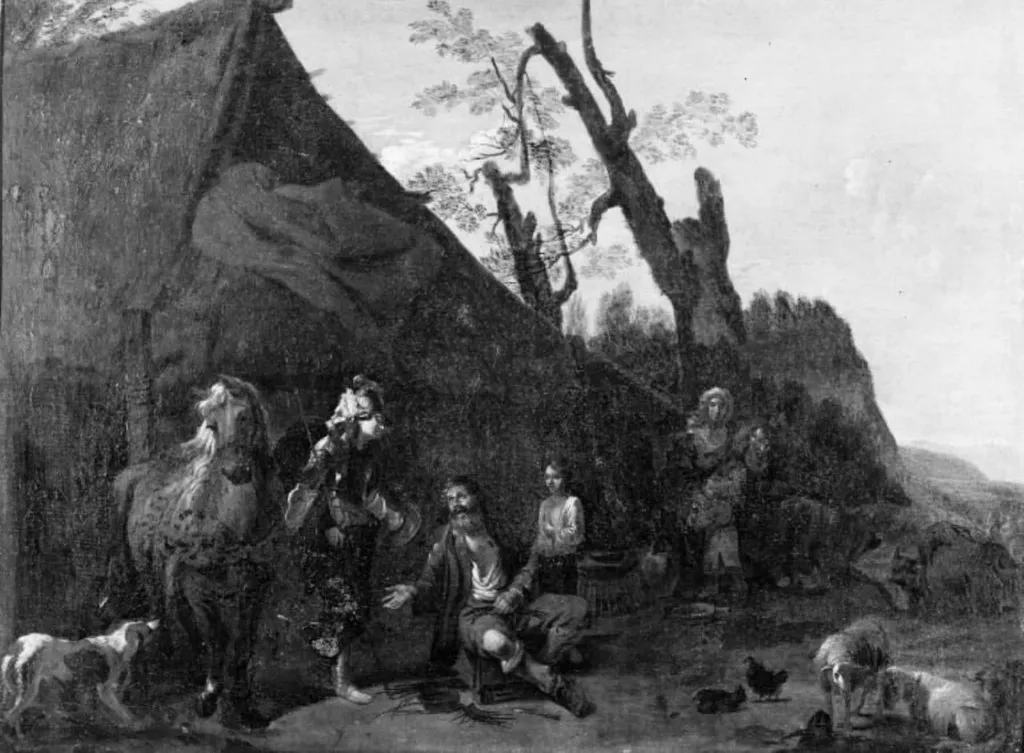
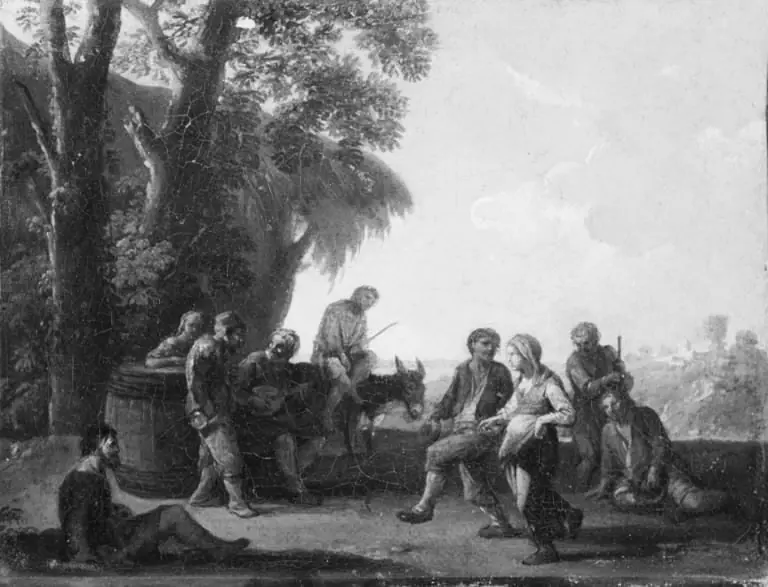
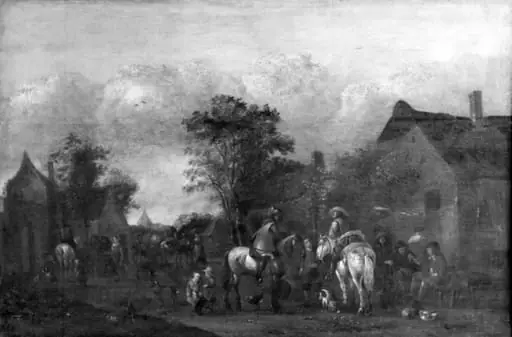
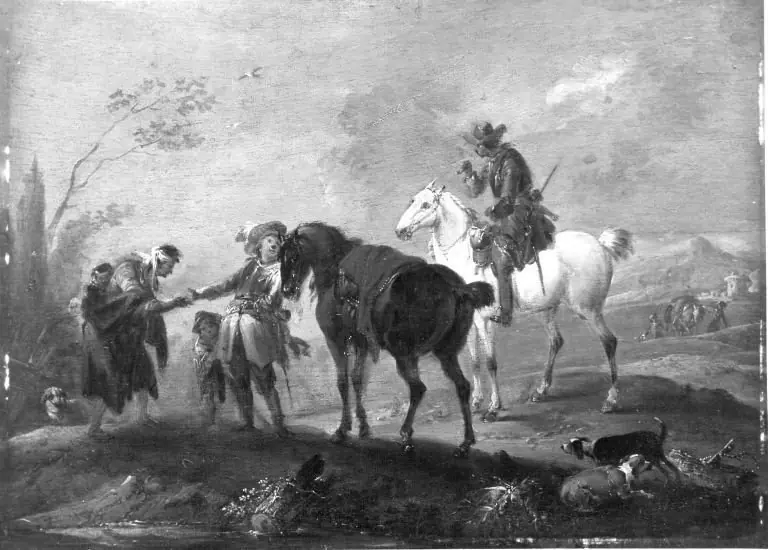
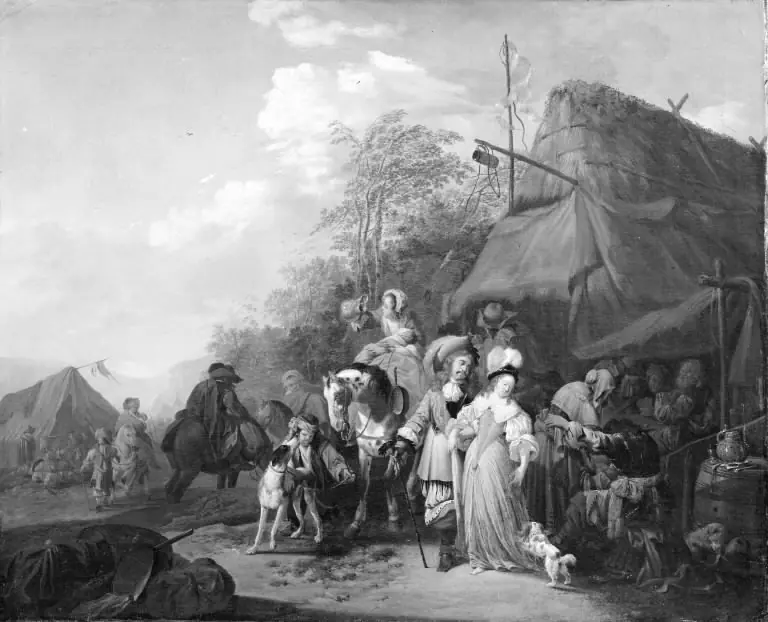
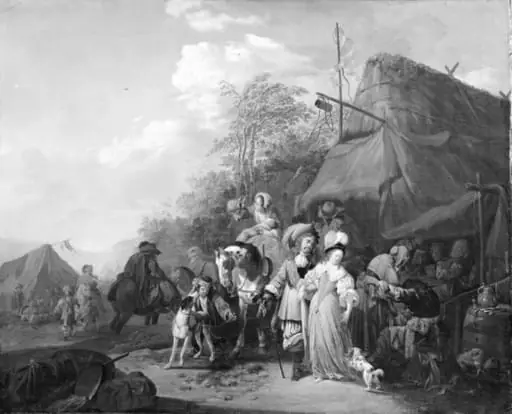
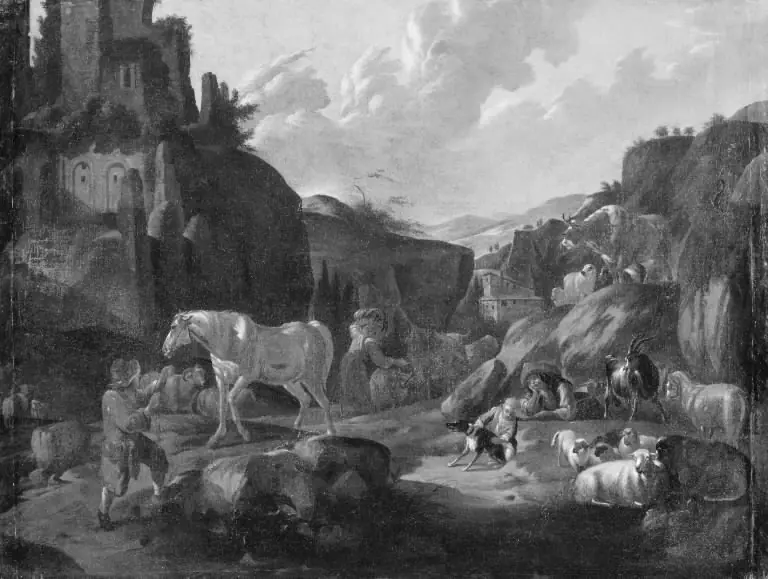
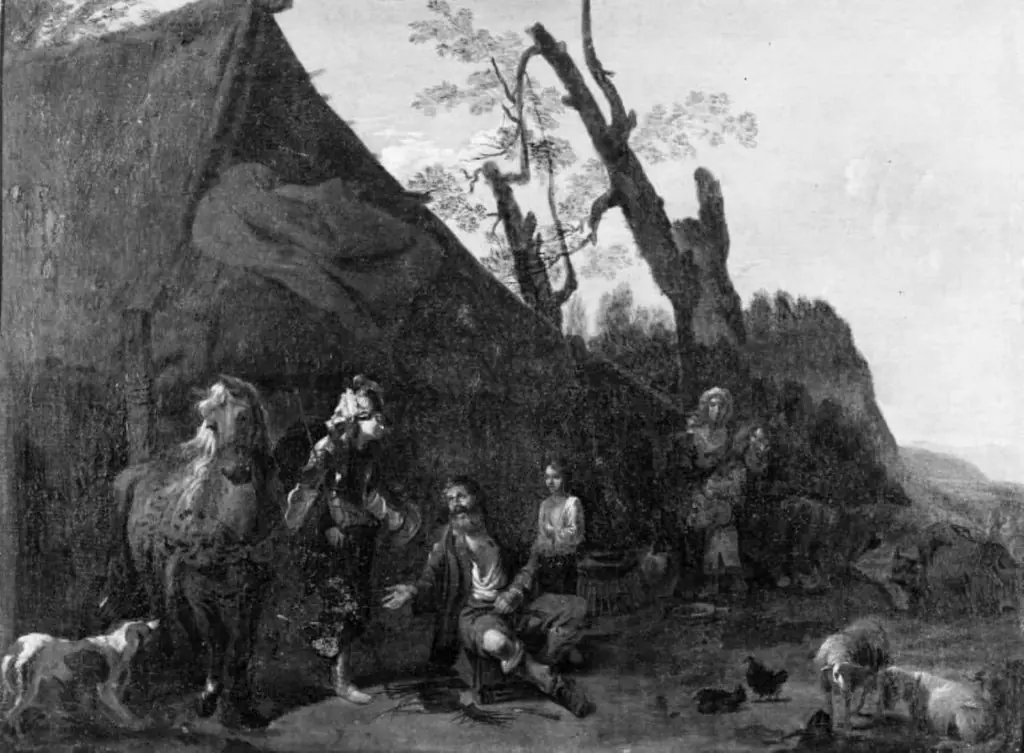
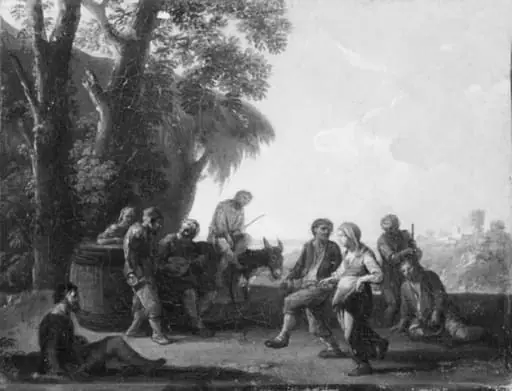
Erminia blandt hyrderne is a photography by the Romanticist artist Unknown. It dates from 1848 and is held in the collection of the Statens Museum for Kunst. Created in 1848 by an artist identified as 34545_person, this black-and-white photograph depicts a pastoral scene in a rugged landscape.
About this work
Overview
Created in 1848 by an artist identified as 34545_person, this black-and-white photograph depicts a pastoral scene in a rugged landscape.
Created in 1848 by an artist identified as 34545_person, this black-and-white photograph depicts a pastoral scene in a rugged landscape. It is part of the collection at the Museum of Ethnography. The image captures a group of shepherds and their animals in a moment of rest, framed by rocky terrain and sparse vegetation. The composition reflects the visual language of Romanticism, emphasizing nature’s grandeur and human quietude within it.
Subject & Meaning
The figures—five individuals, including two men near a firepit and others leaning against rock—are portrayed as shepherds engaged in daily labor. Dogs and sheep surround them, reinforcing the pastoral theme. The scene conveys solitude and endurance rather than narrative drama. The absence of overt emotion or action suggests an idealized view of rural life, aligned with 19th-century Romantic ideals of simplicity and harmony with nature.
Technique & Style
The photograph employs high contrast lighting, casting deep shadows and sharp highlights across faces and clothing. This chiaroscuro effect enhances the texture of stone, fabric, and fur, lending the image a painterly quality. The composition is deliberately unbalanced, with figures clustered to one side and the vast, empty landscape behind them. These choices reflect Romanticism’s preference for emotional atmosphere over documentary precision.
History & Provenance
The work entered the Museum of Ethnography’s collection shortly after its creation, likely acquired as part of a broader effort to document rural European life. Its attribution to 34545_person remains consistent in institutional records, though little is known about the artist’s broader practice. The photograph was not widely exhibited in its time but has since been preserved as an example of early ethnographic imagery.
Context
In mid-19th century Europe, interest in rural traditions surged amid industrialization. Photographers and painters turned to pastoral subjects as both nostalgia and critique. This image aligns with contemporaneous works that idealized shepherd life, often ignoring its hardships. The use of photography here blurs the line between art and anthropology, reflecting a period when visual media began shaping cultural perceptions of the countryside.
Legacy
Though not widely reproduced, the photograph remains a quiet example of how early photography engaged with Romantic aesthetics. It contributes to the Museum of Ethnography’s archive of rural life, offering insight into how visual culture framed agrarian communities. Its enduring presence underscores the role of photography in preserving marginalized ways of life during a time of rapid social change.
Artist & collection

 Domestic Scene
 Giacomo and Cardinal Marco, investing Andrea, Abbot of San Zeno, with his Benefice
 The Nymph of Fontainebleau
 Portrait of a Woman
 Madonna and Child with Saints in the Enclosed Garden
 Venus and Minerva
 Family Group of Four on Sofa
 Wall painting from Room H of the Villa of P. Fannius Synistor at Boscoreale