Artwork
An Avenue in Søndermarken. Frederiksberg
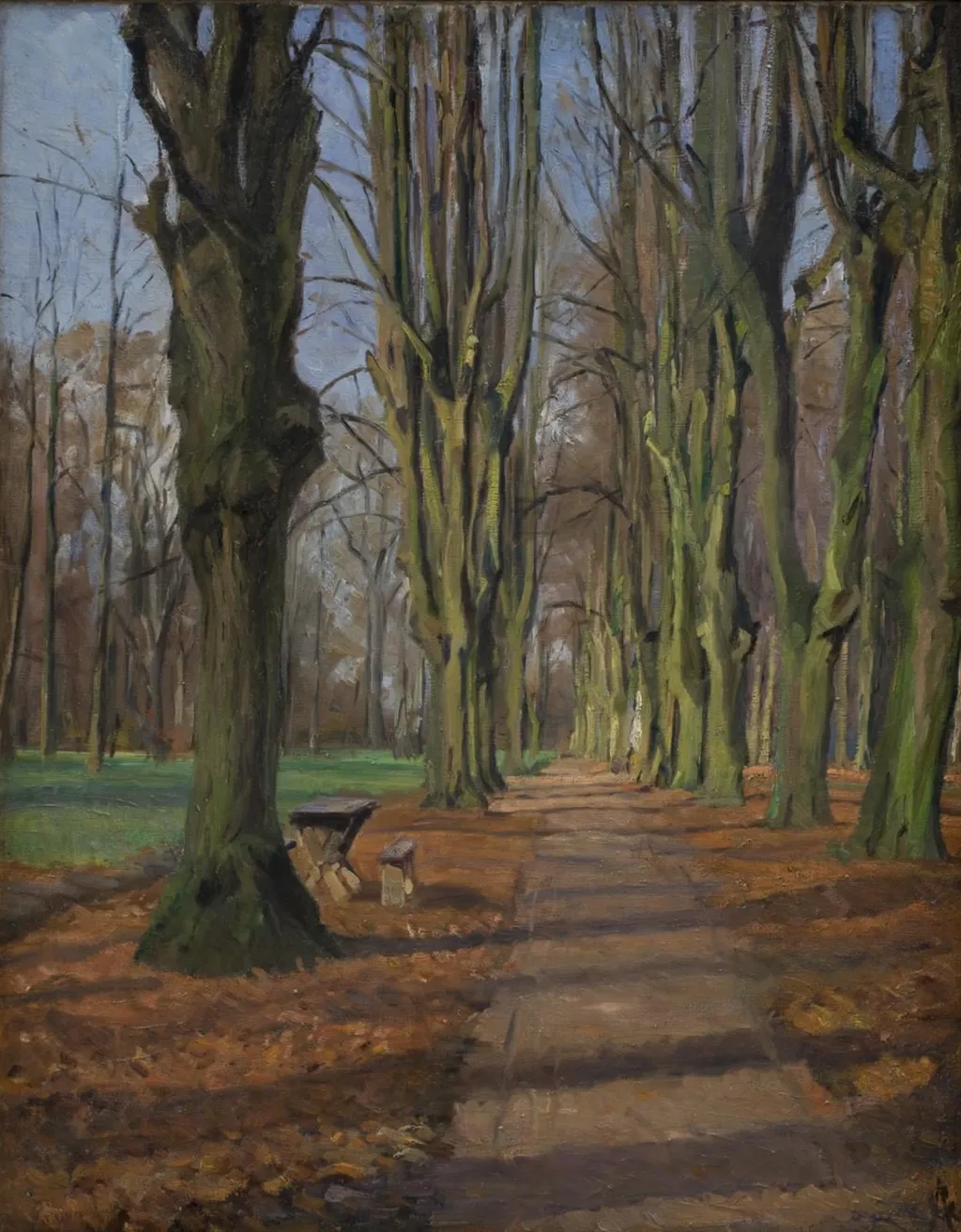
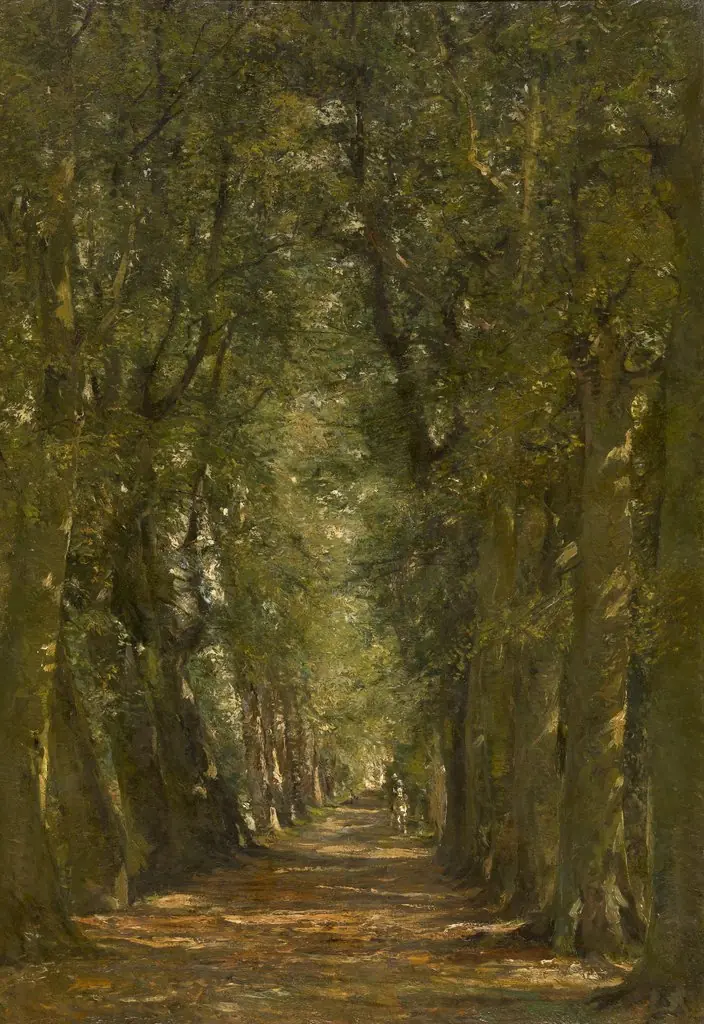
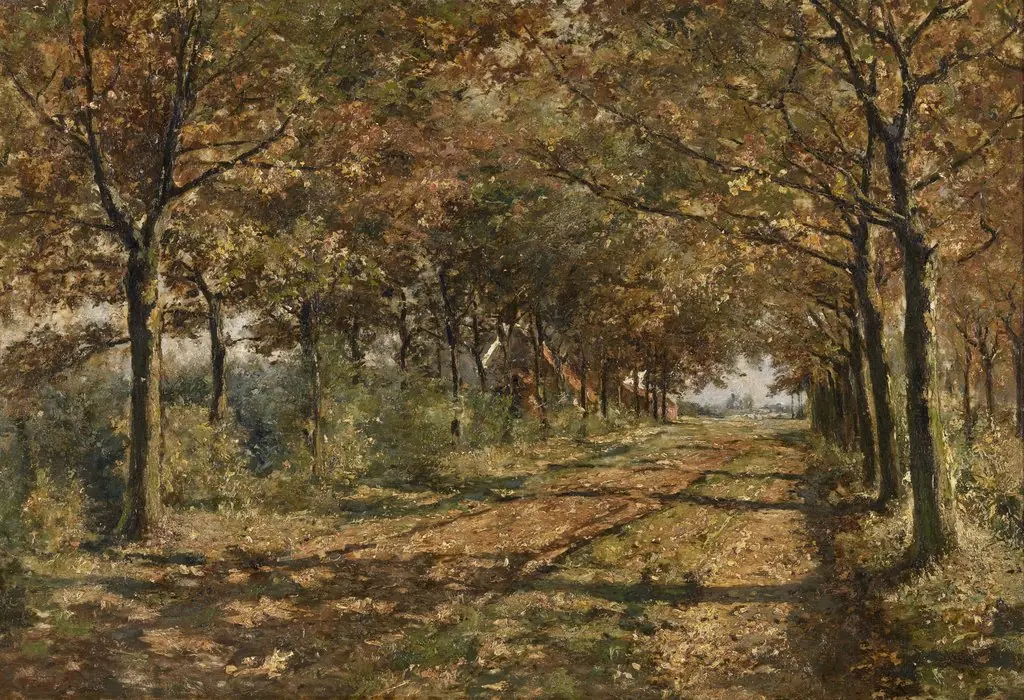
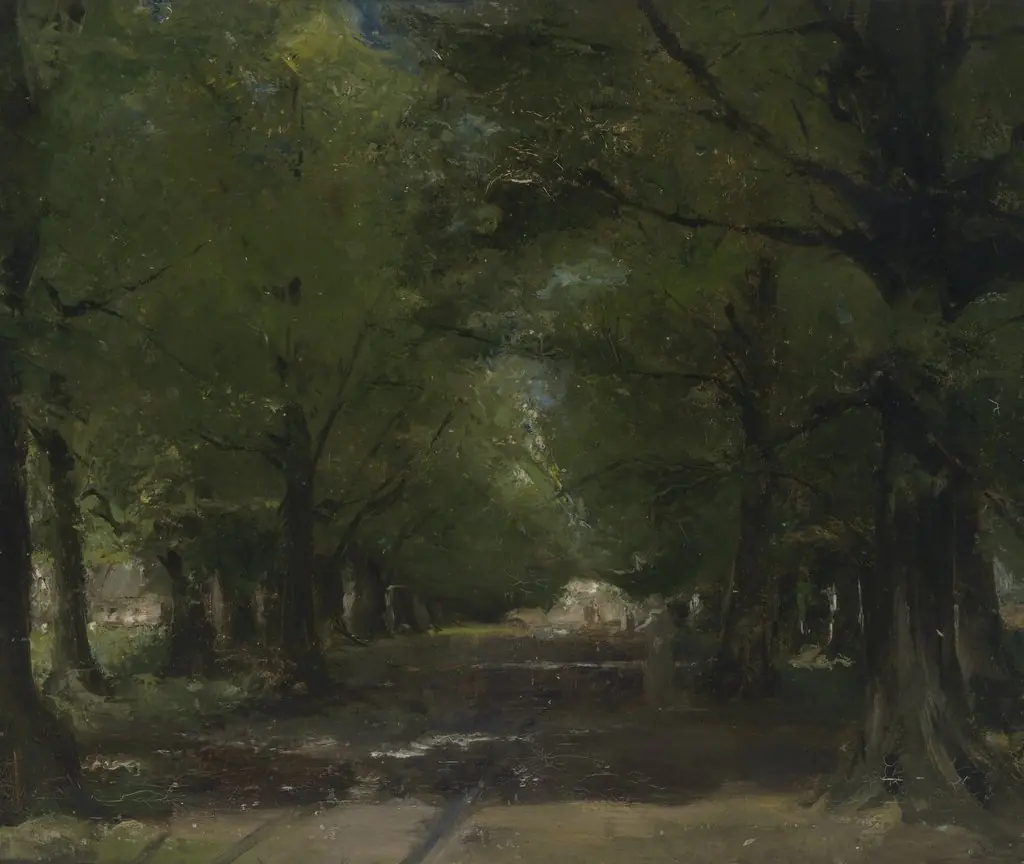
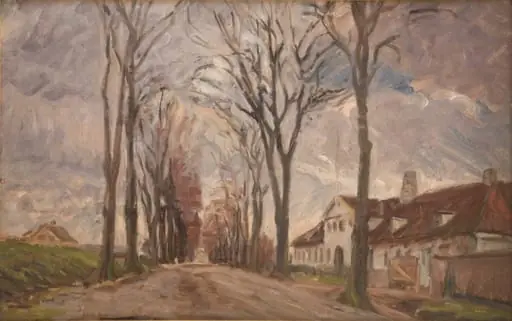
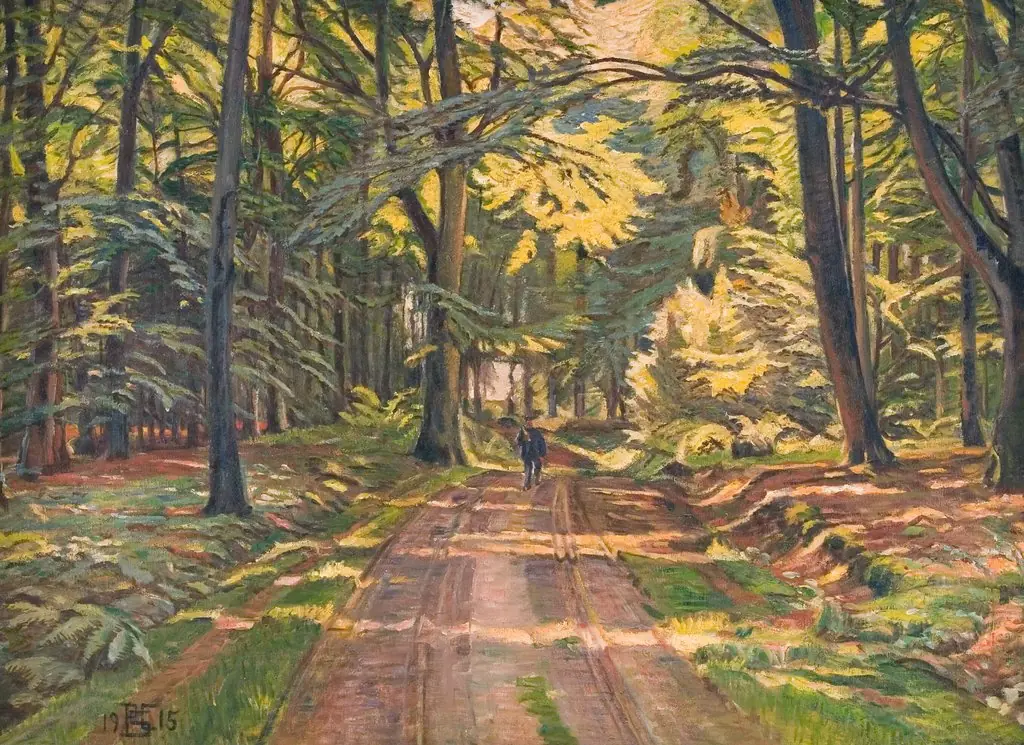
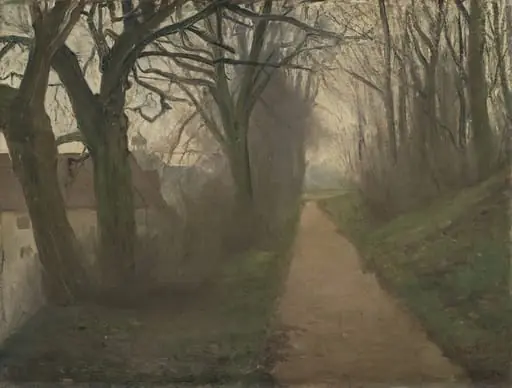
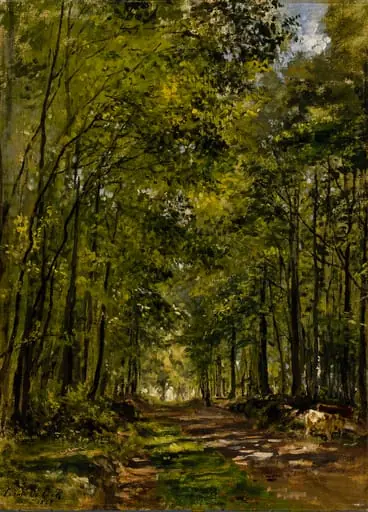
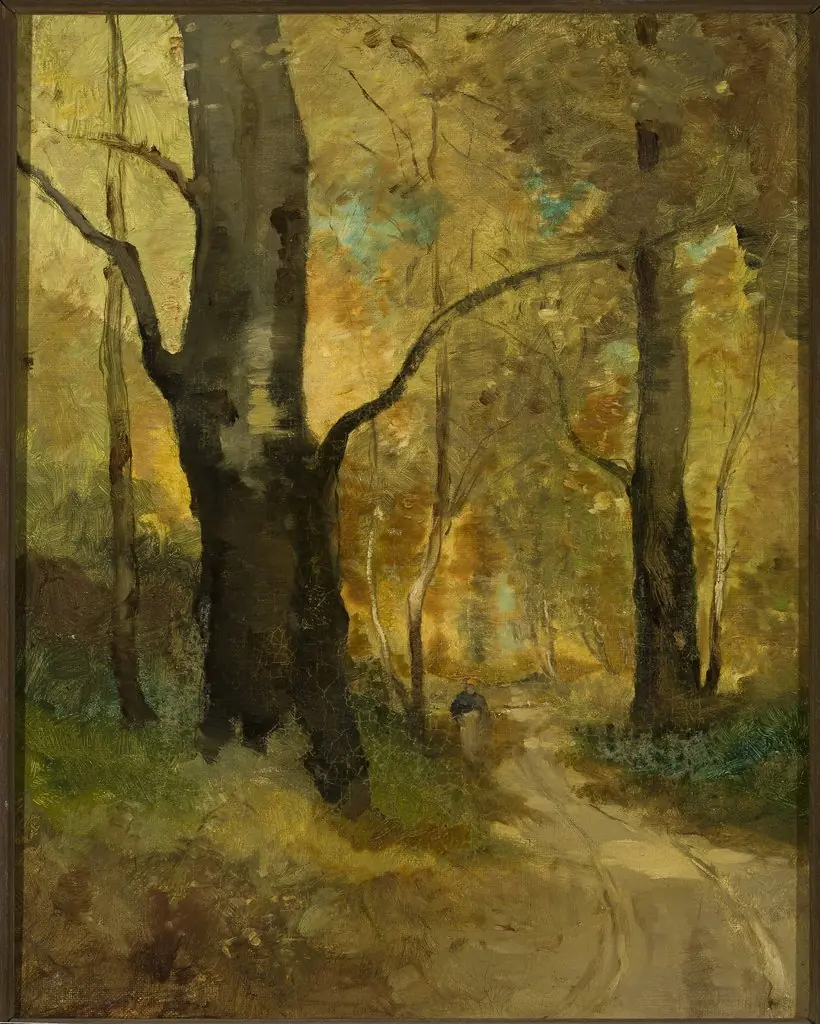
An Avenue in Søndermarken. Frederiksberg is a photography by the Impressionist artist Unknown. It dates from 1889 and is held in the collection of the Statens Museum for Kunst. Painted in 1889, An Avenue in Søndermarken depicts a quiet woodland path in Frederiksberg, Copenhagen.
About this work
Overview
The work captures a moment of stillness within a natural setting, emphasizing the interplay of light and shadow beneath a canopy of slender trees.
Painted in 1889, An Avenue in Søndermarken depicts a quiet woodland path in Frederiksberg, Copenhagen. The work captures a moment of stillness within a natural setting, emphasizing the interplay of light and shadow beneath a canopy of slender trees. Executed in a loose, observational manner, it reflects the artist’s interest in everyday landscapes rather than grand narratives. The painting resides in the Museum of Ethnography, where its placement suggests a broader interest in cultural representations of nature.
Subject & Meaning
The scene presents an unassuming forest avenue, devoid of human figures, yet subtly marked by the presence of a weathered wooden bench nestled among ferns. This quiet furnishing implies a space meant for pause or reflection, grounding the natural setting in human experience. The absence of activity invites contemplation, transforming the path into a silent sanctuary. The muted palette and soft focus reinforce a mood of gentle solitude, avoiding drama in favor of quiet intimacy.
Technique & Style
The artist employs loose, rapid brushwork to convey the texture of bark, the flicker of sunlight, and the dampness of the forest floor. Colors are restrained—earthy browns, muted greens, and faint blues—creating a harmonious tonal range that avoids sharp contrasts. The brushstrokes suggest immediacy, capturing transient effects of light without detailed rendering. This approach aligns with broader late-nineteenth-century tendencies toward visual impression rather than precise description.
History & Provenance
Created in 1889, the painting entered the collection of the Museum of Ethnography, an institution more commonly associated with cultural artifacts than fine art. Its presence there may reflect early institutional interest in documenting domestic landscapes as expressions of national identity or everyday life. The work’s journey from private studio to public collection remains undocumented, but its preservation suggests recognition of its quiet observational value.
Context
Painted during a period when Danish artists were increasingly turning to natural settings for inspiration, the work aligns with a broader Nordic trend of landscape painting that valued mood over narrative. While not overtly political or symbolic, it resonates with contemporary shifts toward intimate, plein-air observation. Similar scenes by contemporaries often emphasized the emotional resonance of ordinary places, reflecting a cultural turn toward introspection and the sublime in the mundane.
Legacy
Though not widely exhibited outside its home institution, the painting contributes to a quieter strand of Danish art history that prioritizes subtlety over spectacle. Its preservation in an ethnographic context underscores a historical willingness to blur boundaries between art and cultural documentation. Today, it stands as a modest but persistent example of how everyday nature was rendered with sensitivity during the transition from academic to modern modes of seeing.
Artist & collection

 Domestic Scene
 Giacomo and Cardinal Marco, investing Andrea, Abbot of San Zeno, with his Benefice
 The Nymph of Fontainebleau
 Portrait of a Woman
 Madonna and Child with Saints in the Enclosed Garden
 Venus and Minerva
 Family Group of Four on Sofa
 Wall painting from Room H of the Villa of P. Fannius Synistor at Boscoreale