Artwork
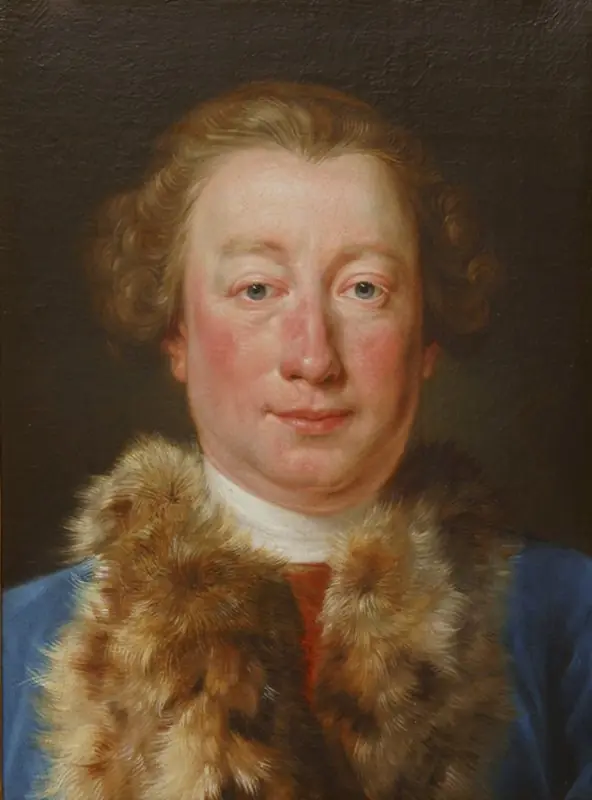
Portrait of John Rolle Walter, MP and landowner, Exeter
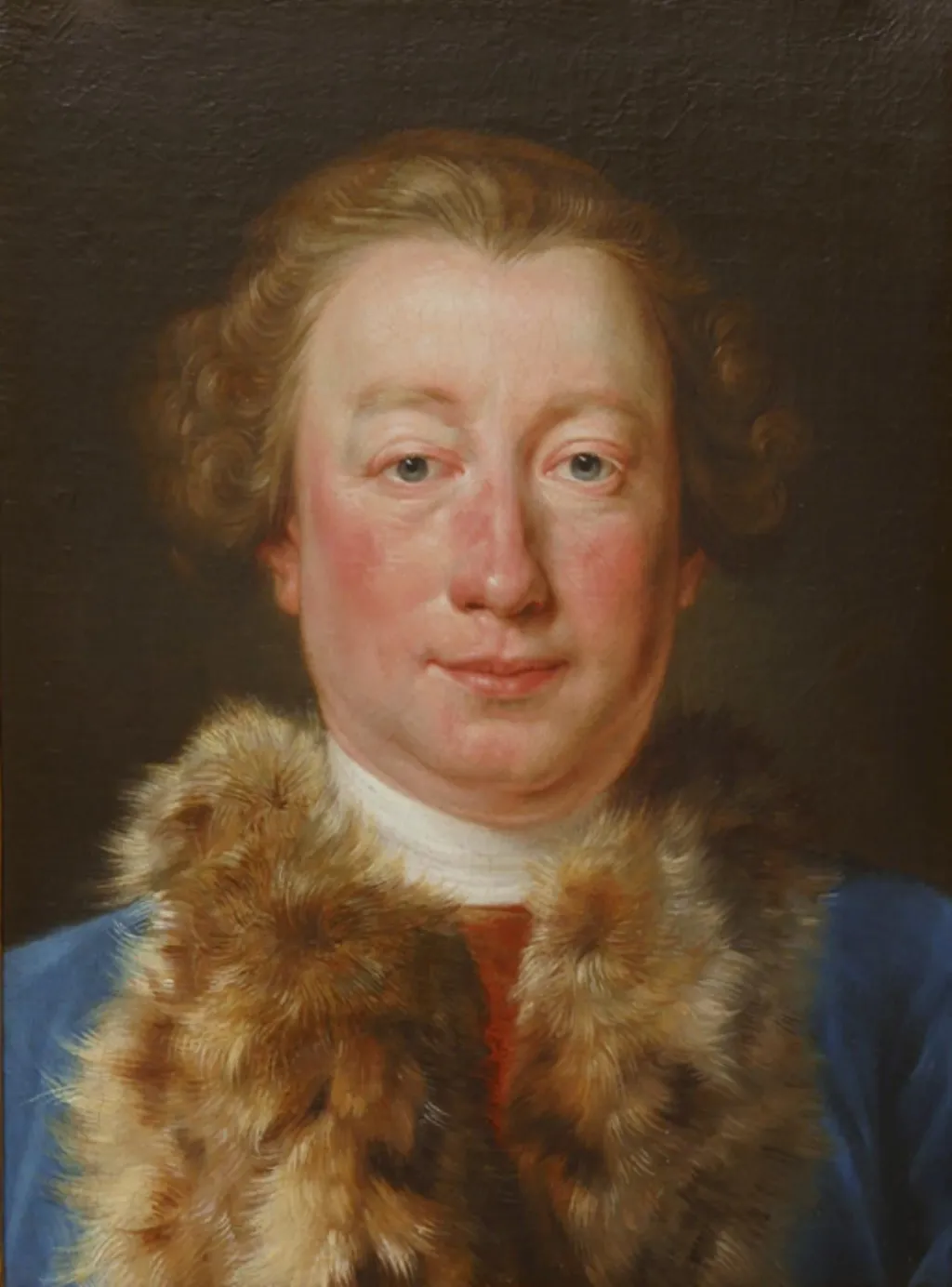
Portrait of John Rolle Walter, MP and landowner, Exeter is an unspecified painting by Unknown. It dates from 1750 and is held in the collection of the Statens Museum for Kunst. This portrait, dated around 1750, depicts John Rolle Walter, a Member of Parliament and landowner from Exeter.
About this work
Overview
The composition emphasizes his social standing through careful attention to clothing and posture, typical of mid-18th-century British portraiture.
This portrait, dated around 1750, depicts John Rolle Walter, a Member of Parliament and landowner from Exeter. Executed in oil on canvas, it presents the subject in formal attire against a dark, unadorned background. The composition emphasizes his social standing through careful attention to clothing and posture, typical of mid-18th-century British portraiture. The work is held in the collection of the Museum of Ethnography.
Subject & Meaning
John Rolle Walter is portrayed as a man of civic and landed authority. His direct gaze and composed expression convey quiet confidence, aligning with the expectations of elite male identity in Georgian England. The inclusion of a fur-trimmed collar and richly colored garments signals wealth and status, while the absence of symbolic objects keeps focus on his personal presence rather than external achievements.
Technique & Style
The artist employs a restrained palette dominated by deep shadows and muted highlights to draw attention to the subject’s clothing and facial features. Brushwork is precise but not overly detailed, favoring a smooth finish that enhances the texture of silk and fur. The dark background isolates the figure, a common convention in portraiture of the period to reinforce dignity and focus.
History & Provenance
The painting entered the Museum of Ethnography’s collection in the early 20th century, though its earlier ownership history remains undocumented. It was likely commissioned by the sitter or a close family member shortly after Rolle Walter’s election to Parliament. No records indicate public exhibition prior to its acquisition by the museum.
Context
In mid-18th-century England, portraits of MPs and landowners served as assertions of social and political identity. This work reflects the era’s emphasis on decorum and quiet authority, contrasting with the more ornate styles favored by the aristocracy. The simplicity of the composition suggests a preference for understated elegance among provincial elites.
Legacy
Though not attributed to a widely recognized artist, the portrait remains a valuable record of regional elite culture in Georgian England. Its preservation in an ethnographic context highlights its role as a cultural artifact, offering insight into how local power structures were visually represented outside London’s artistic centers.
Artist & collection

 Domestic Scene
 Giacomo and Cardinal Marco, investing Andrea, Abbot of San Zeno, with his Benefice
 The Nymph of Fontainebleau
 Portrait of a Woman
 Madonna and Child with Saints in the Enclosed Garden
 Venus and Minerva
 Family Group of Four on Sofa
 Wall painting from Room H of the Villa of P. Fannius Synistor at Boscoreale
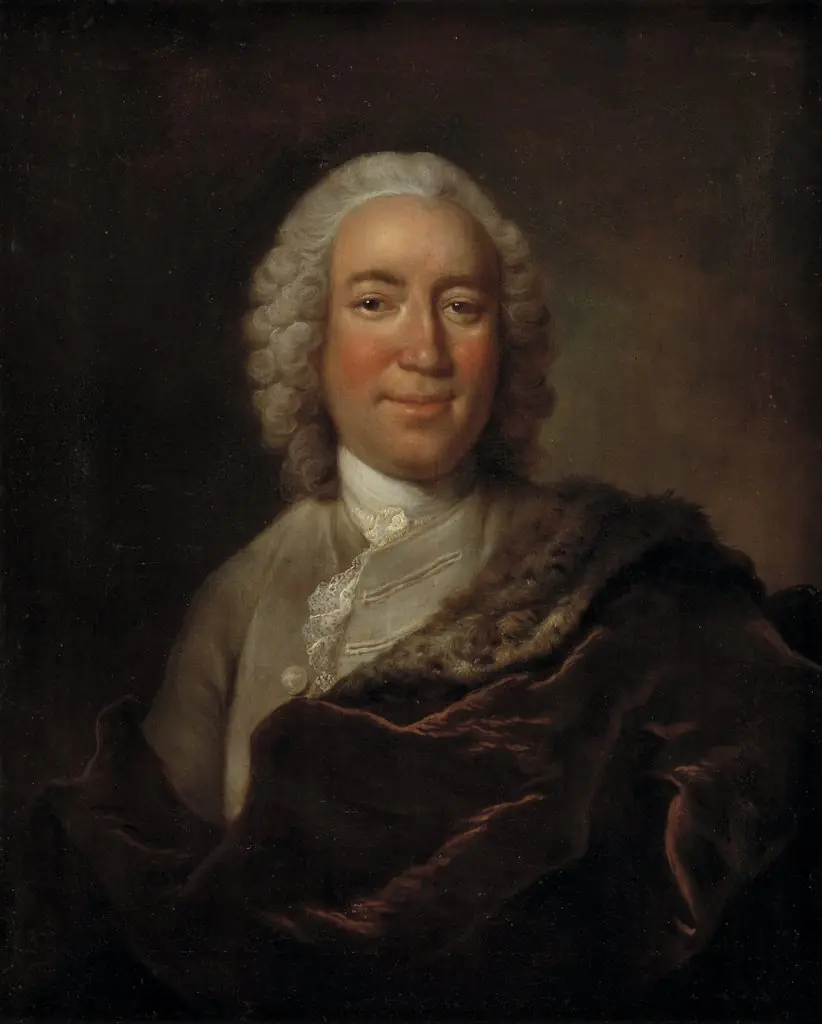 Gerhard Morell, Keeper of the Royal Danish Kunstkammer
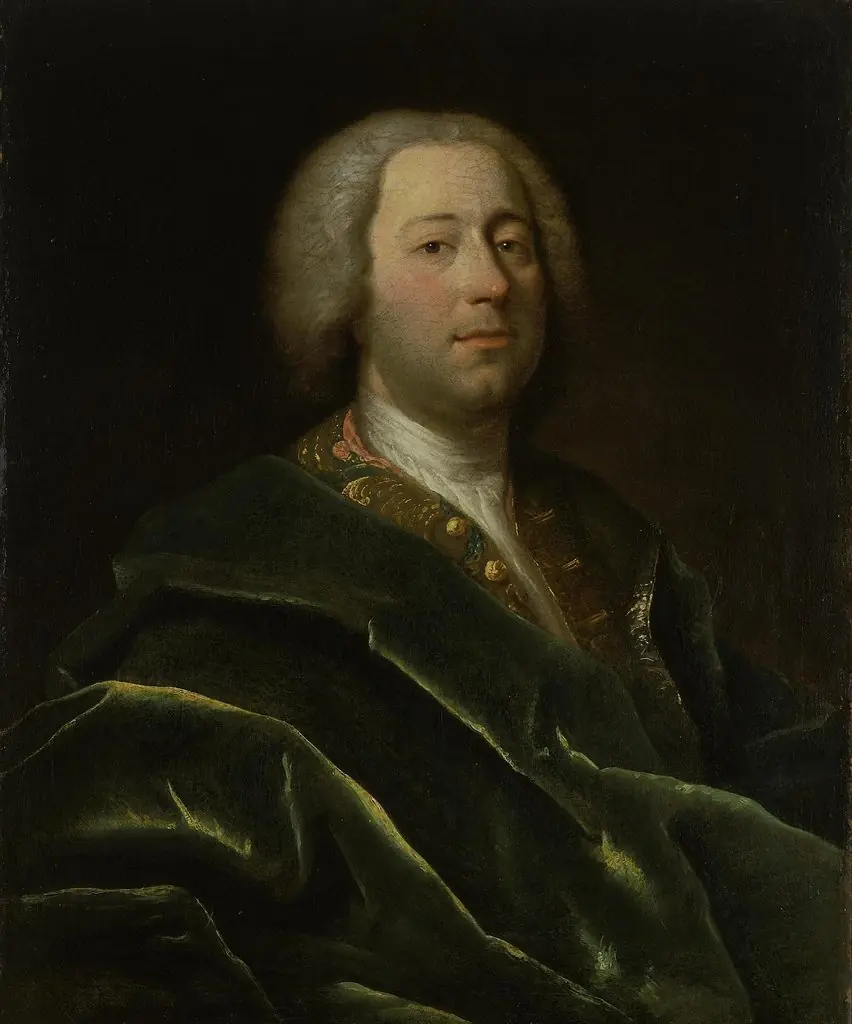 Portrait of Doctor I.A. Atsaretti of Peter I
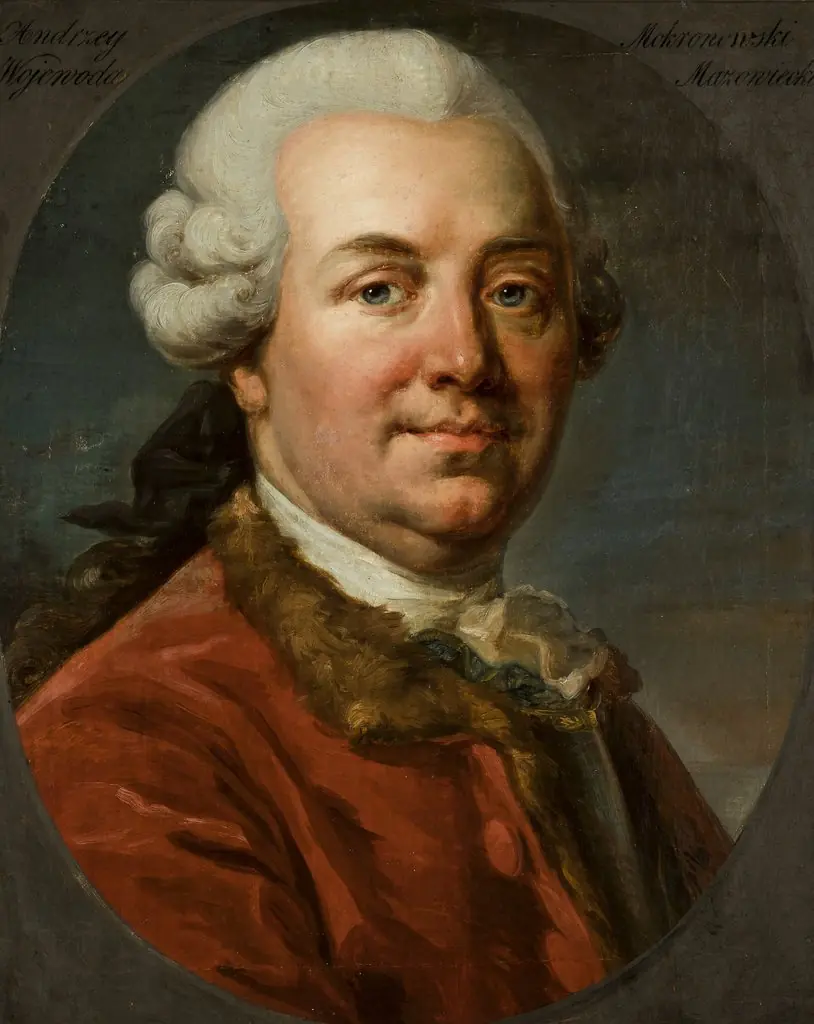 Portrait of Andrzej Mokronowski
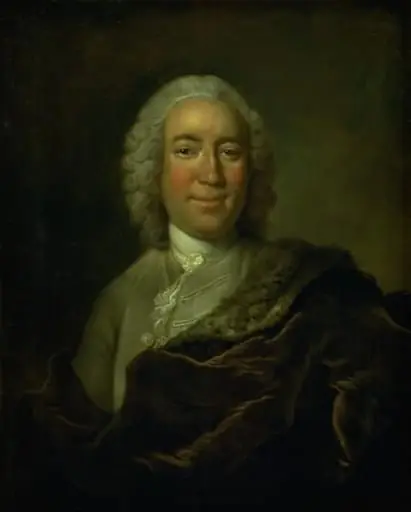 Gerhard Morell, Keeper of the Royal Danish Kunstkammer
 Portrait of Pieter Parker, Alderman, Burgomaster and Councilor of Goes
 Portrait of Pieter Parker, Alderman, Burgomaster and Councilor of Goes
 Portrait of a Man
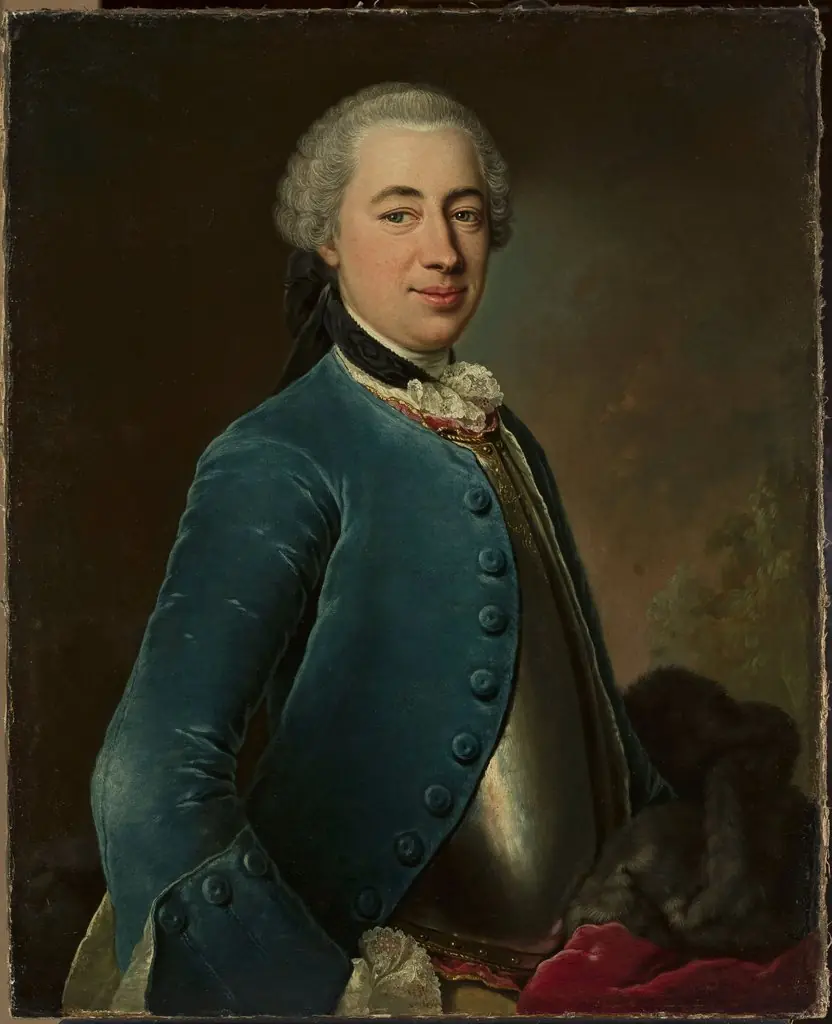 Portrait of a man in armour
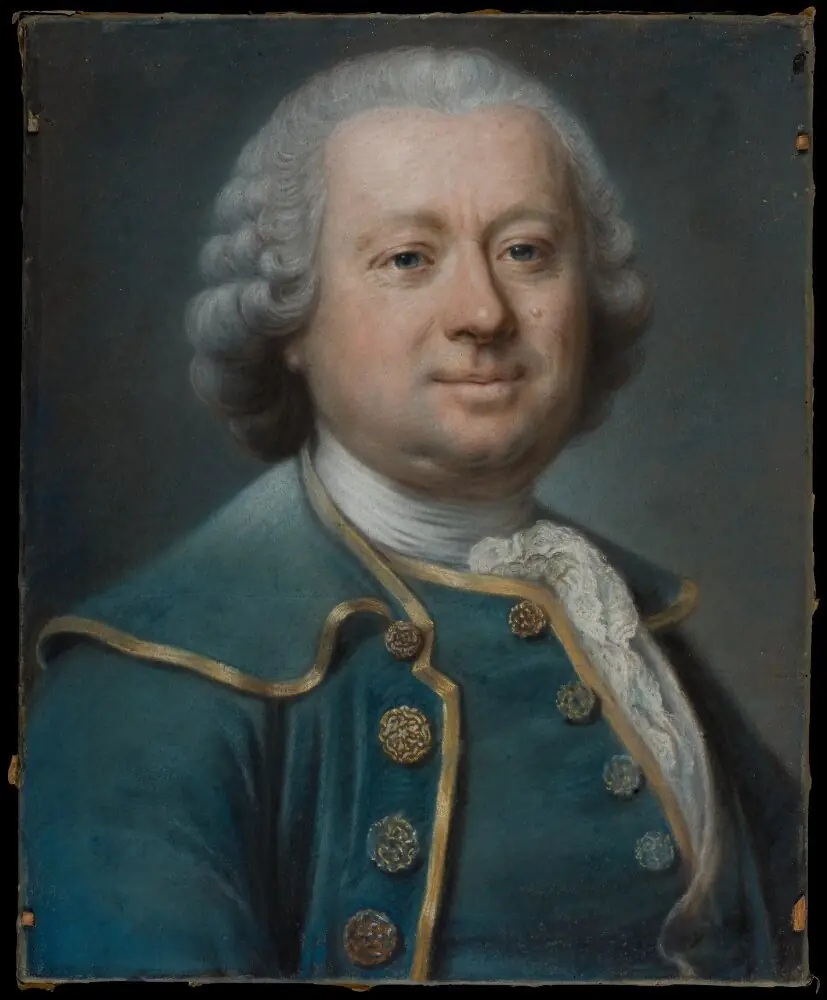 Porträtt av man med blå kavaj
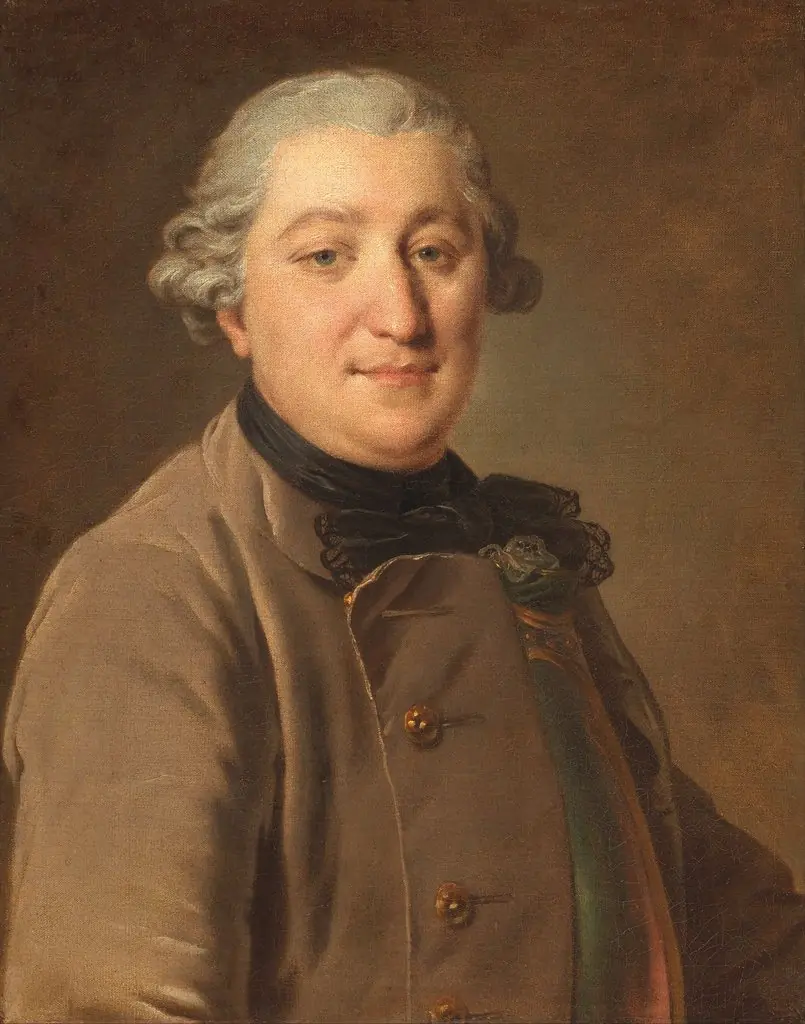 Portrait of Count Ivan G. Orlov
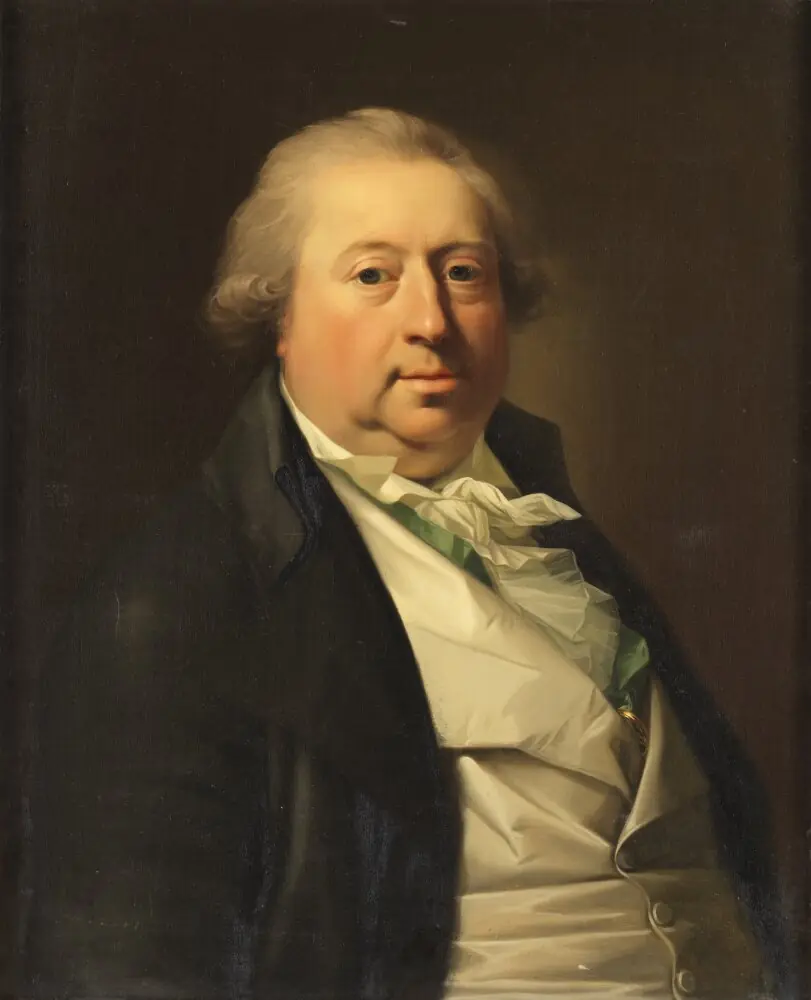 Johan Tobias Sergel, Sculptor
 Portrait of John Rolle Walter, MP and landowner, Exeter